
They have a “Zero Emission” label and are rated at 24 g/km, but in reality their emissions are six times higher: hybrid cars are becoming increasingly polluting.
13/09/2026 12:30
Updated to
13/09/2026 12:30
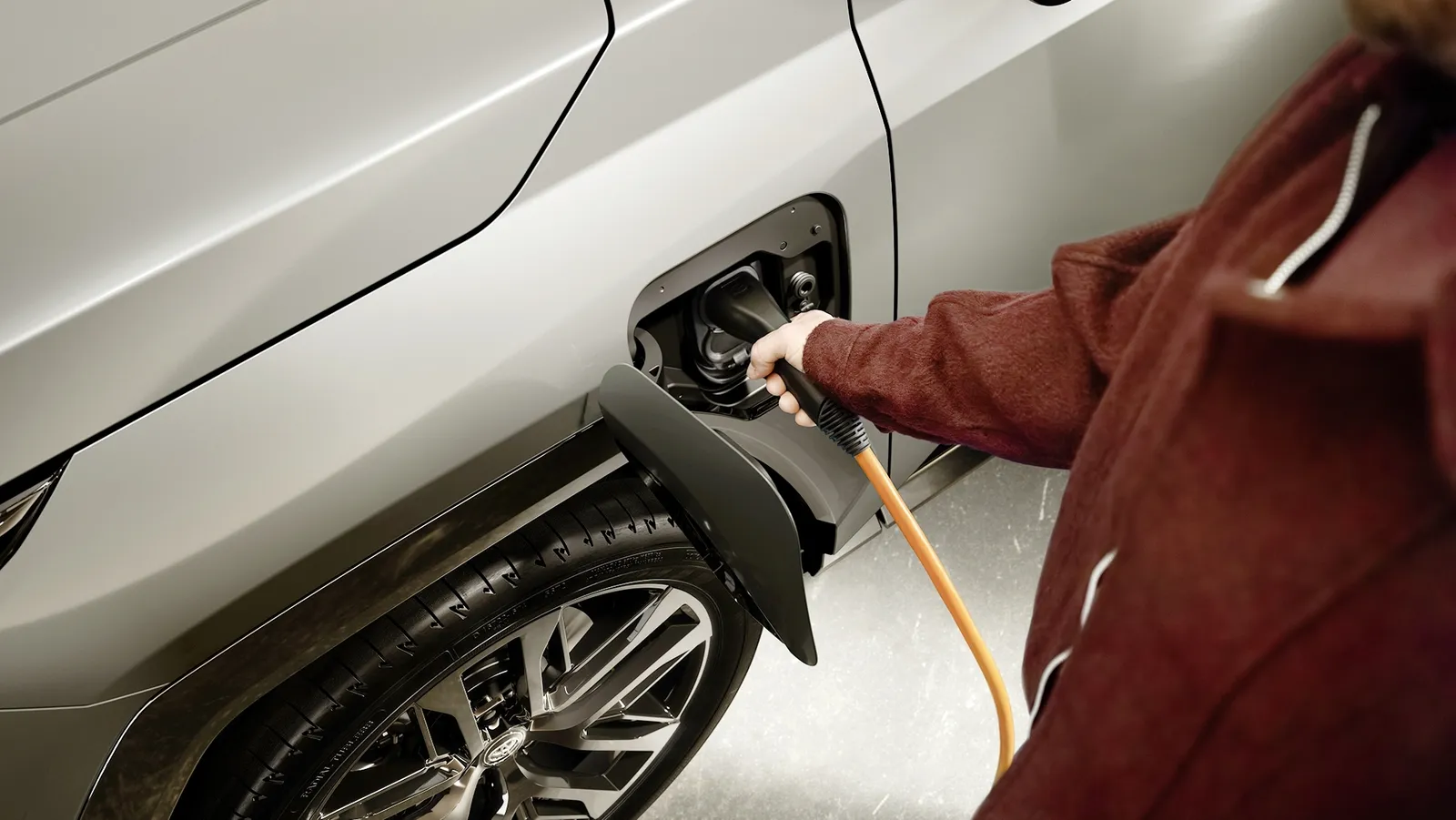
Plug-in hybrids have for years been presented as a middle ground between gasoline cars and electric vehicles, but their actual emissions remain vastly higher than the official figures. A new analysis by Transport & Environment (T&E), using data from the European Environmental Agency, finds that PHEVs registered in Europe in 2024 emitted an average of 145 grams of CO2 per kilometer under real-world conditions. This is 6 times the 24 g/km figure obtained through official tests.
The study is based on a substantial sample: 220,000 plug-in hybrids equipped with OBFCM systems that record actual fuel consumption. And the trend is worsening. PHEVs registered in 2023 had an actual fuel consumption of 138 g/km compared to the official figure of 28 g/km, which is almost five times higher. Thus, in just one year, their actual emissions increased by 5%, while on paper they decreased by approximately 15%.
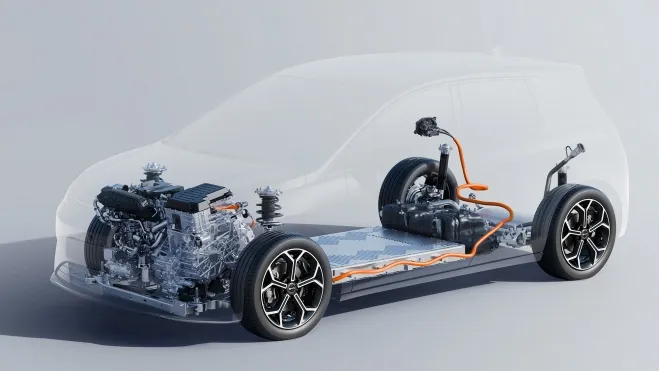
From 24 g/km officially to 145 g/km on the road
The difference is particularly significant when comparing these vehicles to conventional internal combustion engines. According to T&E’s analysis, the latter emit approximately 169 g/km of CO2 under real-world conditions, so the 145 g/km figure for plug-in hybrids represents only a 14% reduction. A year earlier, this difference was 17%, indicating that, based on these data, PHEVs are closing the gap rather than widening it from the actual emissions of conventional models.
A large part of the problem lies in the so-called ‘utility factor’, which is used to estimate what proportion of the distance a PHEV will cover using electricity and how much using its internal combustion engine. Official tests assume a level of electric usage that is significantly higher than what many drivers actually achieve, especially when the cars are not regularly plugged in. As a result, the actual gasoline consumption and emissions end up being much higher than predicted.
This difference is especially important because the official CO2 figures are not only listed in each car’s technical specifications. They are also used to calculate manufacturers’ compliance with European emission targets. A PHEV that officially reports 24 g/km therefore has a very different regulatory impact compared to another car that shows 145 g/km in actual driving conditions.
The EU wants to change the calculations, and manufacturers are pushing back
To address this discrepancy, the European Union has scheduled adjustments to the utilization factors for 2025 and 2027. The goal is for official emissions figures to more accurately reflect the actual percentage of electric driving, thereby indirectly forcing manufacturers to develop plug-in hybrids that can operate for a greater proportion of time without using their internal combustion engine.
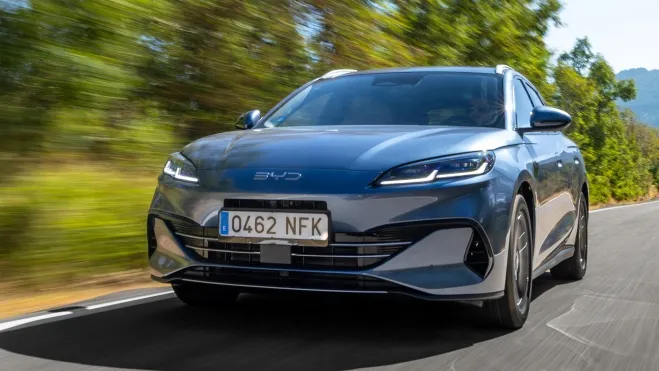
However, T&E claims that manufacturers, represented by ACEA, are pushing to eliminate the update scheduled for 2027. The issue becomes even more significant after the European Commission proposed allowing certain plug-in hybrids to remain on the market beyond 2035. These vehicles already accounted for 9.8% of new car registrations in the European Union during the first half of 2026.
"Plug-in hybrids represent one of the biggest greenwashing operations in the automotive industry," says Lucien Mathieu, head of automotive at T&E. The organization believes that keeping utilization rates far from reality would allow manufacturers to claim significantly reduced emissions on paper, while their cars continue to consume considerably more fuel in real conditions.