
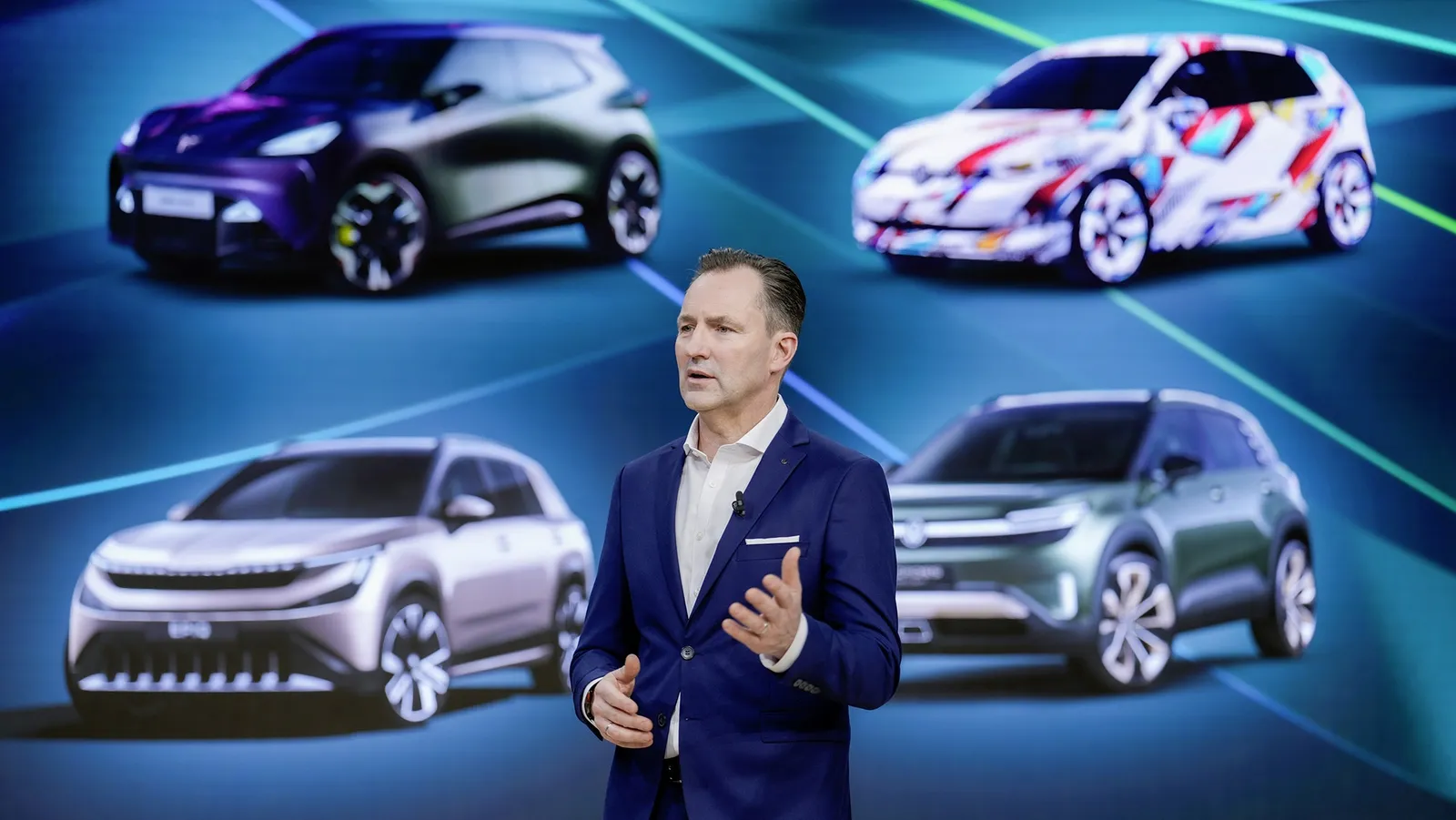
Volkswagen CEO Thomas Schäfer: there will be a "natural transition" so that "we are not all fishing in the same place at the same time.
10/18/2026 11:00
Updated to
10/18/2026 11:00
Volkswagen Group is preparing one of the largest reorganizations in its recent history. The German automaker plans to cut its model and version lineup by roughly half, a move that is part of its strategy to simplify its product range, reduce costs, and improve profitability across its various brands. However, this transformation will not necessarily result in the immediate disappearance of many vehicles, but rather will be carried out gradually as part of the shift toward electric mobility.
This is what Thomas Schäfer, Volkswagen’s CEO, explained during an interview with Autocar at the 2026 Paris Motor Show. The executive argued that the reduction in the product range will be the result of a “natural transition,” during which electric models will eventually replace their internal combustion engine counterparts. Additionally, Volkswagen plans to reorganize the development of its future vehicles to prevent the different brands within the group from competing with each other.
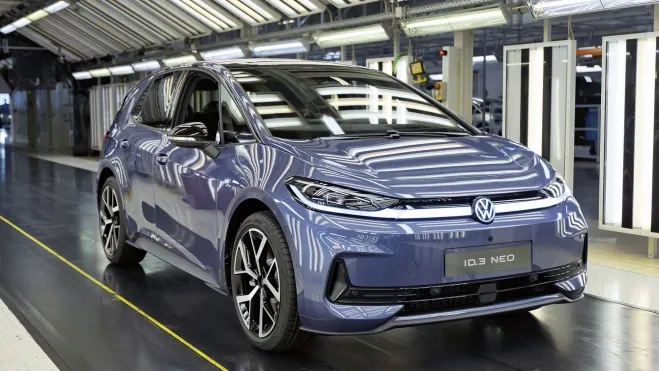
Volkswagen will cut its catalog in half with the introduction of electric vehicles
Schäfer explained that the initial idea behind this reorganization was directly linked to the planned ban on selling new internal combustion engine cars in Europe starting in 2035. “We started this discussion mainly because of the end of internal combustion engines in Europe by 2035,” said the CEO, who believes it is logical that the coexistence of traditional and electric models will eventually disappear as electrification advances.
To illustrate this, he used two particularly representative examples from the current lineup: “It’s no miracle that after 2035 we won’t have a Polo and an ID. Polo, or a T-Cross and an ID. Cross,” explained Schäfer. In this way, Volkswagen plans to automatically reduce the number of models sold without the need for an immediate and large-scale elimination of vehicles. The strategy involves a gradual replacement of combustion engine options with their electric successors.
The manufacturer has also analyzed what its ideal catalog should look like by 2035, examining different vehicle segments and sizes. This same analysis was conducted for Škoda and CUPRA to coordinate the offerings of all three brands. According to Schäfer, the result is a combined lineup that is approximately 50% smaller, focusing on the most profitable products. “It wasn’t a miracle, but a natural transition and reorganization of the portfolio toward more profitable products,” he said.
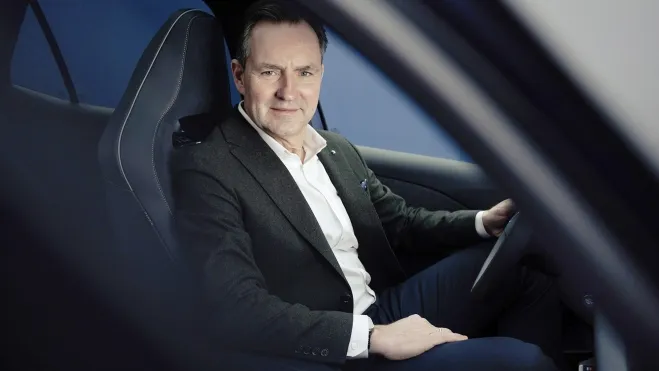
"We don’t want to all be fishing in the same place at the same time."
Another major innovation of this strategy will be improved coordination among Volkswagen, Škoda, and CUPRA, the three brands that make up the so-called ‘Brand Group Core’. Until now, the group has marketed numerous vehicles with similar sizes and features under different logos. In the future, it aims to make better use of shared resources and prevent each manufacturer from developing practically identical projects independently.
Schäfer explained that future models will be organized into synergy groups, with the goal of ensuring that the different brands “are not all fishing in the same pond at the same time.” This does not mean that Volkswagen, Škoda, and CUPRA will stop competing in the same segments; rather, their projects will be coordinated, with each brand responsible for leading its own development.
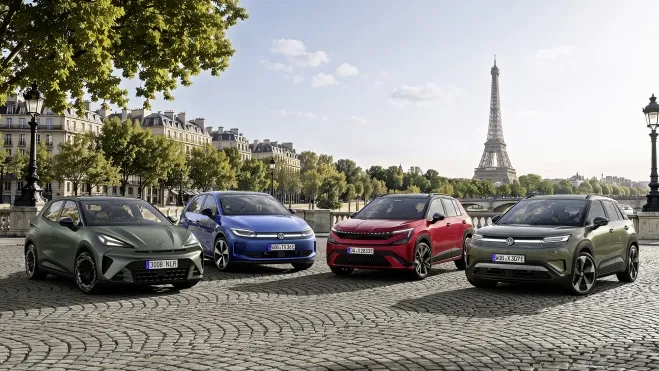
An example of this strategy is the new family of urban electric vehicles consisting of the Volkswagen ID. Polo, the ID. Cross, the CUPRA Raval, and the Škoda Epiq. These four models share numerous components and technologies, but they feature distinct designs and business approaches. In fact, the group recently confirmed that this family has received nearly 150,000 orders in Europe.
The case of the future Volkswagen ID. EVERY1 will be different. This small urban electric vehicle, which will use a simplified version of the ID. Polo platform, will have no direct equivalents in Škoda or CUPRA. According to Schäfer, this decision stems from the small size of the market it targets, which does not justify developing several similar models for different brands. With this reorganization, Volkswagen aims to enter the next decade with a simpler lineup, fewer redundancies, and a more efficient development structure.