
The THG quota makes electric trucks more attractive starting in 2027
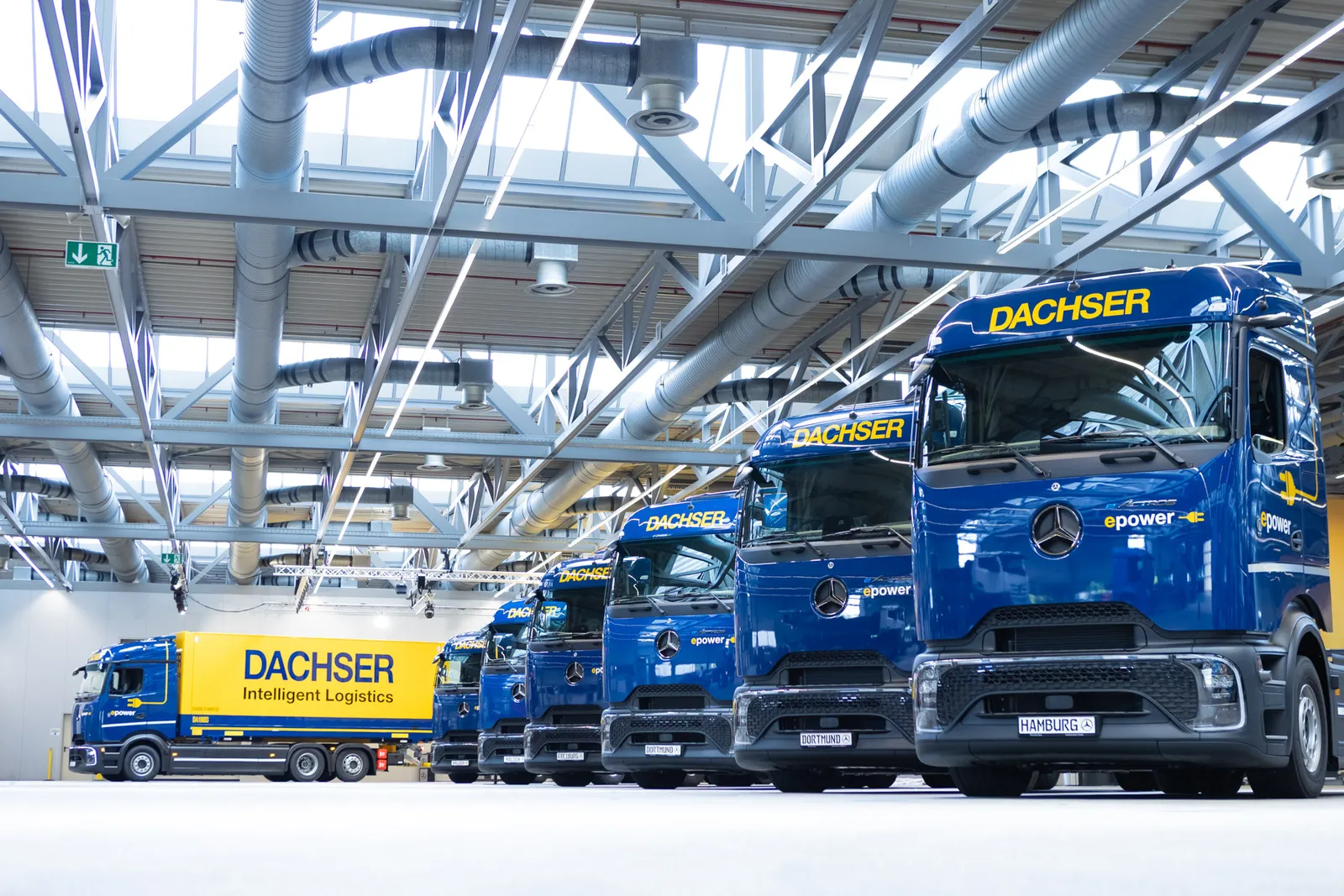
For heavy electric trucks, the fixed amount of electricity that can be credited toward the THG quota will increase significantly starting in 2027. Combined with a higher credit factor, this could more than double the revenues for operators of electric trucks.
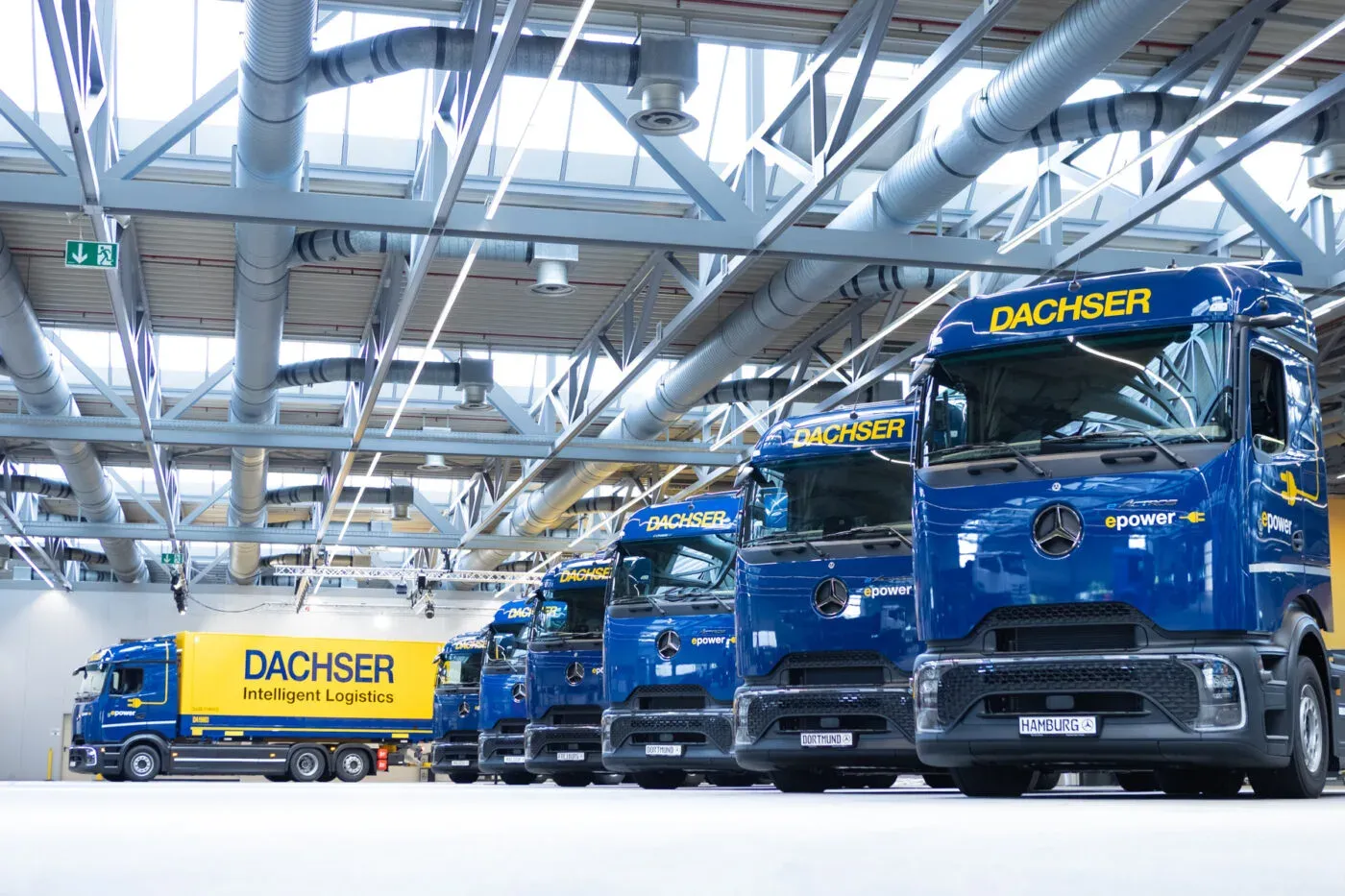
Dachser is already using heavy electric trucks in its fleet.
Image: Daimler Truck
The Federal Ministry for the Environment has released new estimates for crediting electricity from battery-electric vehicles toward the greenhouse gas reduction quota (THG). For heavy electric trucks in vehicle class N3, the fixed amount of electricity that can be credited per vehicle per year will rise from 33,400 kWh to 54,800 kWh starting in 2027. This represents an increase of around 64 percent.
In addition, there is a higher allocation factor. For N3 class vehicles, this increases from three to four starting in 2027. Together, these two changes result in a calculated increase of approximately 119 percent in the allocable electricity amount. These fixed estimates are applied to electricity that is not sourced from publicly accessible charging points. Rather than verifying the actual electricity consumption of each individual vehicle, a predetermined amount of electricity is assigned, based on the average consumption of that particular vehicle class.
THG allocation increases significantly
The German Nature Conservation Union (NABU) has calculated what these changes could mean financially for fleet operators. The basis is the current payment offer of around 5,177 euros per heavy electric truck. If the quota price and marketing conditions remain unchanged, this would result in a payment of around 11,300 euros per vehicle per year by 2027.
For a fleet of 20 electric trucks, this would represent additional annual earnings of around 123,000 euros compared to today’s example. However, these amounts are not fixed premiums. The actual payment depends on the future price of the THG quota as well as the terms set by the respective marketer. Thus, the higher estimate mainly increases the amount that an operator can market—not necessarily the final euro amount paid out.
The extent to which revenues in the THG market can fluctuate is illustrated by developments in electric passenger cars. After high subsidies in the early years, these payments dropped significantly at one point before recovering in 2026. Meanwhile, according to the Federal Environment Agency, only 58 percent of eligible electric vehicles received a THG certificate recently; 42 percent of vehicle owners did not take advantage of the possible market opportunity.
For heavy electric trucks, the THG requirement is likely to have a greater economic impact due to the significantly higher amounts involved. The NABU sees these new estimates as an additional incentive for freight companies to electrify their fleets.
Other vehicle classes also receive new estimates. For light commercial vehicles in Class N1, the amount of electricity that can be credited in advance will increase starting in 2027 as well. In the case of heavy electric trucks, the impact is particularly significant due to the combination of a higher estimate and a factor of four.
The THG quota is not a government purchase subsidy. The revenue comes from selling the creditable greenhouse gas reductions to companies subject to quota requirements. As a result, for fleet operators, the revenue potential of their electric trucks improves under the new rules starting in 2027 — however, how much of this actually reaches the operator remains determined by the quota market.