
The Software Race Behind Every EV’s ‘Smart’ Features
Feature
Talk to most EV owners about what makes their car feel modern, and the conversation rarely stays on the battery for long.
EP
EV Powered
10 September 2026 · 3 min read
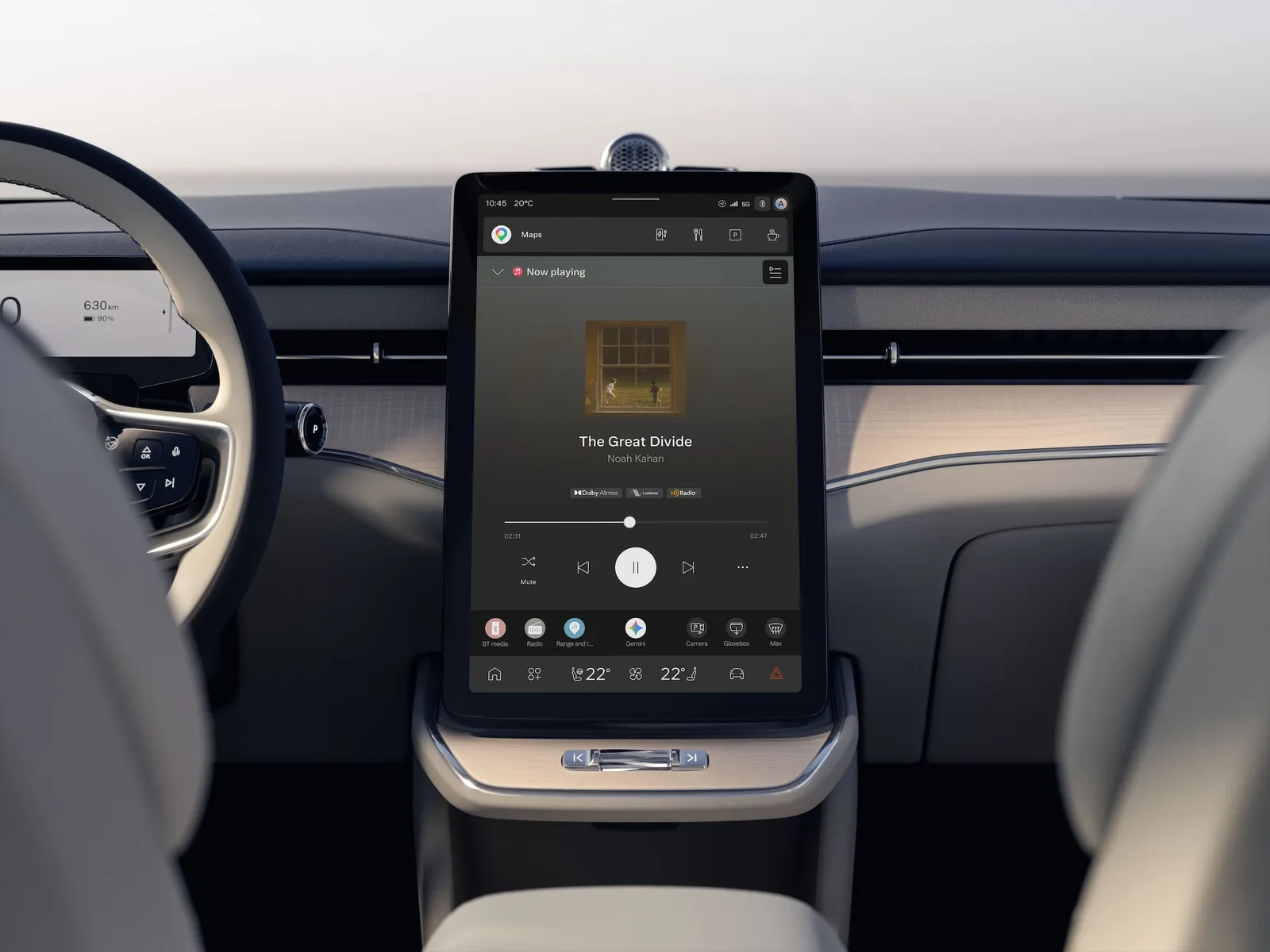
It moves quickly to the things software controls: how the car learns your charging habits, how smoothly the driver-assist systems behave, how many new features were enabled via an over-the-air update rather than a trip to the dealership. The battery gets you the range. The software decides whether the car actually feels intelligent.
Why software, not hardware, is the new battleground
For most of the last century, carmakers competed on horsepower, handling and design. That’s changing. As EVs mature and battery technology becomes more commoditised across manufacturers, the differentiator is increasingly what the vehicle’s software can actually do — how well it manages energy, how quickly it adapts to a driver, how reliably it improves after purchase rather than staying frozen at the spec it shipped with.
That shift has created real demand for specialised software expertise that traditional automotive engineering simply wasn’t built around. AI automotive software development company Sonatus has built its business specifically around this gap, to help vehicle manufacturers manage the software side of increasingly complex, AI-driven vehicles across their entire lifecycle — not just at launch, but for as long as the car is on the road.
What this actually changes for drivers
The practical upshot for EV owners is a car that gets better the longer it’s on the road. AI-driven software can flag developing mechanical issues before they cause a breakdown, optimise charging schedules around usage patterns and electricity rates, and roll out meaningful new capabilities as updates rather than requiring new hardware. It’s the same logic that makes a smartphone feel different a year after purchase — except applied to something that needs to brake reliably in the rain.
The stakes of getting it wrong
None of this is trivial to build. A vehicle’s software has to manage safety-critical systems, vast volumes of sensor data, and increasingly complex AI models, all while meeting far stricter reliability requirements than a typical consumer app. Getting it wrong doesn’t mean a crashed app — it means a genuinely unsafe vehicle. That’s part of why specialist software companies focused specifically on automotive AI have become such an important part of the supply chain, rather than something manufacturers try to build entirely in-house.
Where this leaves the EV market
As competition in the EV space intensifies, the manufacturers that pull ahead may increasingly be the ones with the strongest software partners behind the scenes, not just the best cell chemistry. It’s worth keeping an eye on the companies doing that work quietly in the background. They’re shaping the driving experience just as much as anything else under the bonnet.