
Thailand approves €39 million investment for Toyota Hilux FCEV production
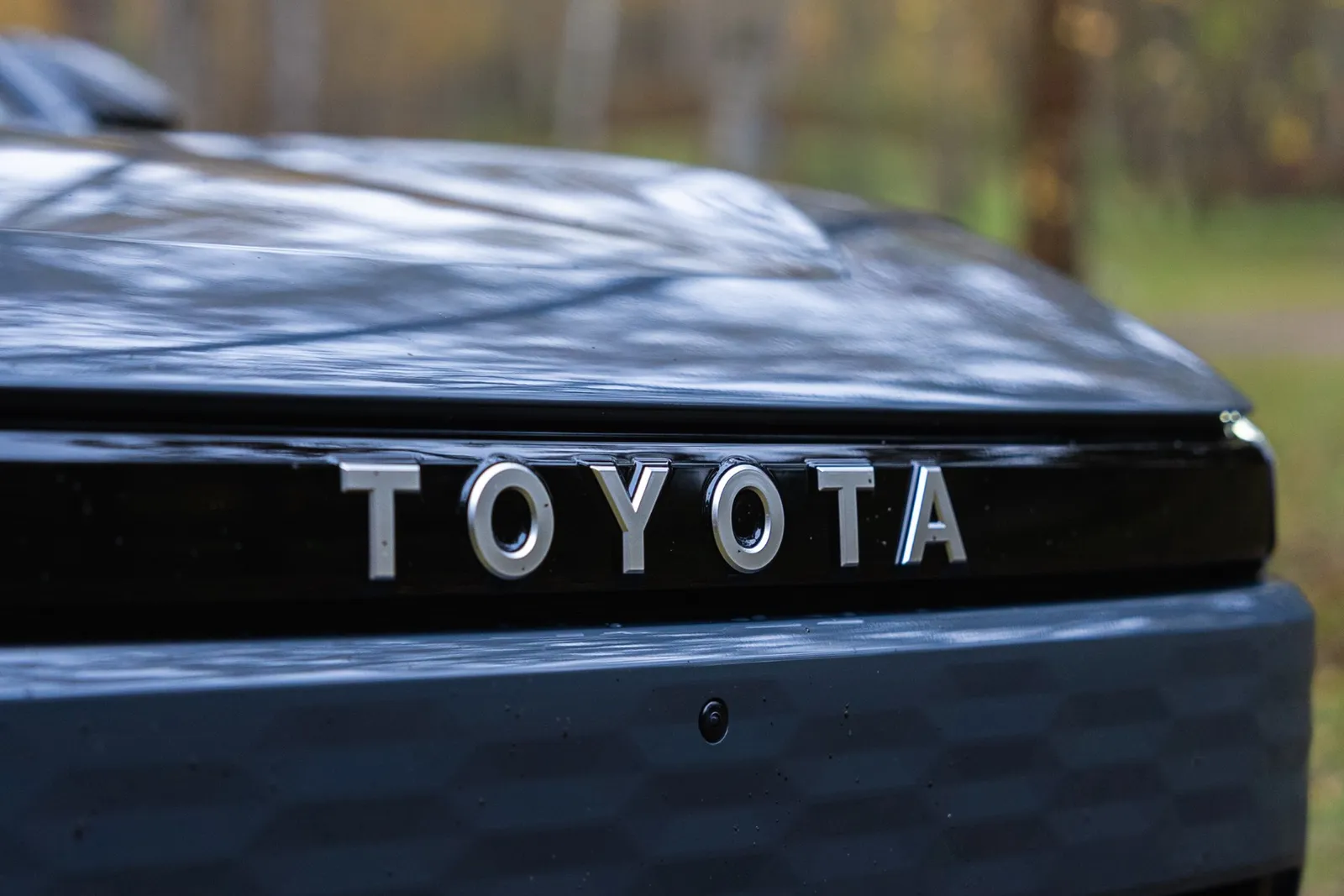
Thailand's Board of Investment (BoI) has approved Toyota's investment of 1.49 billion baht in its factory in Ban Pho, Chachoengsao Province, towards the production of the Hilux FCEV. BoI says this will be the first hydrogen fuel-cell electric vehicle manufactured in Thailand.
Image: Toyota
Toyota is setting up a new production line to build the Hilux FCEV at its Ban Pho plant, where it also makes the ICE, mild-hybrid, and battery electric variants of the ninth-generation Hilux. The company expects to commence production of the hydrogen fuel-cell electric variant in December 2027. It will also build a hydrogen refuelling station on site to support the production and testing of the Hilux FCEV.
While Toyota launched the Hilux BEV in Thailand before any other market worldwide, it plans to build the Hilux FCEV only for exports initially. European countries, Australia, and New Zealand will be the priority markets for the hydrogen-powered Hilux, as per a recent BoI announcement. The company plans to manufacture only 3,000 units of the Hilux FCEV annually, which means, as expected, it sees this derivative as a niche offering.
At IAA Transportation 2026 last month, Toyota presented the first teaser images of the Hilux FCEV, indicating it will feature minor styling differences from the other ninth-gen Hilux variants. One image showed a new daytime running light pattern, with three separate segments along the upper edge of each headlamp. Another image hinted at a closed upper grille area, like on the Hilux BEV. The example in teasers appeared to feature a paint similar to the Force Blue colour Toyota offers on the Mirai.
Toyota is targeting a towing capacity of up to 2.5 tonnes and a driving range of more than 400 kilometres for the Hilux FCEV. The company plans to launch the new hydrogen-powered model in 2028, but before that, Gazoo Racing, its motorsport division, will likely test the underlying technology in its DKR GR FC Hilux at the Dakar Rally’s Future Mission 1000 category in 2027.
The rally-specific build of the hydrogen-powered Hilux features two fuel-cell stacks with a combined output of 400 kW and four high-pressure hydrogen tanks offering a total storage capacity of 8.4 kg. Data gathered during the Dakar Rally could help Toyota refine its fuel-cell technology for the Hilux FCEV.