
I tested the Dacia Spring. Is it worth waiting for the new one?
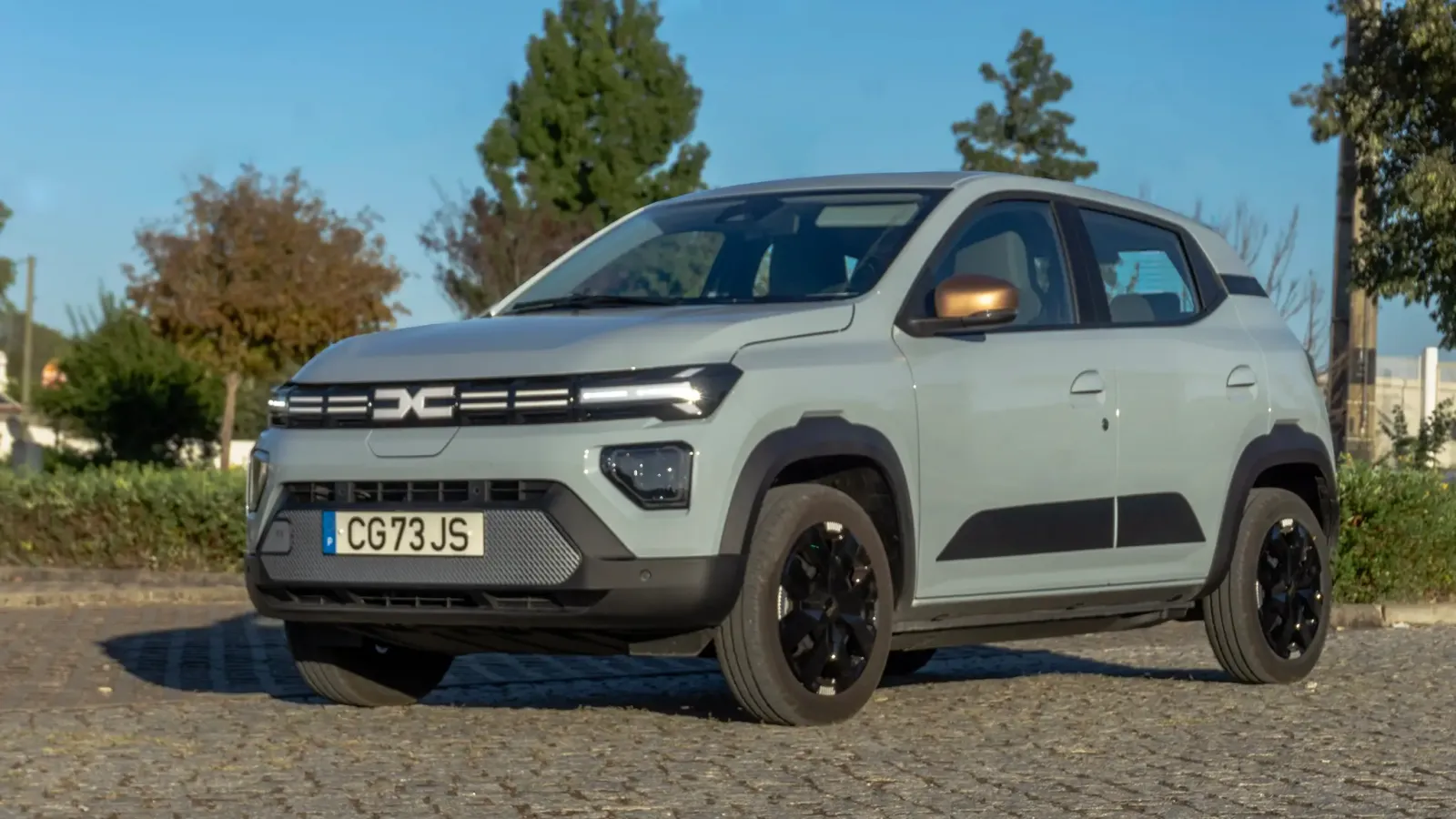
The first generation of the Dacia Spring is about to be updated, but we wanted to find out if it’s still a viable option for those who don’t want to wait for the next model.
Dacia Spring extreme electric 100
6.5/10
Simple and inexpensive, the Dacia Spring brings to mind utility vehicles from the past, and that’s the best compliment I can give it.
Pros
Price (base version)
Fuel efficiency
Agility
Trunk space
Cons
Price (tested version)
Sound insulation
Interior materials
Interior width
The Dacia Spring is about to stop being the Spring we know. The Romanian brand has already unveiled the second generation of its electric vehicle, and as Guilherme Costa explained to us, it has improved in every aspect.
It’s larger, has a more modern look, and comes with new technological features as well as several dozen extra kilometers of range. It should arrive before the end of the year, but is it worth waiting?
I spent a week with the current Spring to see if it still has enough advantages to make us choose this generation. After all, it remains the cheapest electric vehicle on the market—starting at 16,900 euros—but there are other factors beyond the extremely low price.
It Has Held Up Well
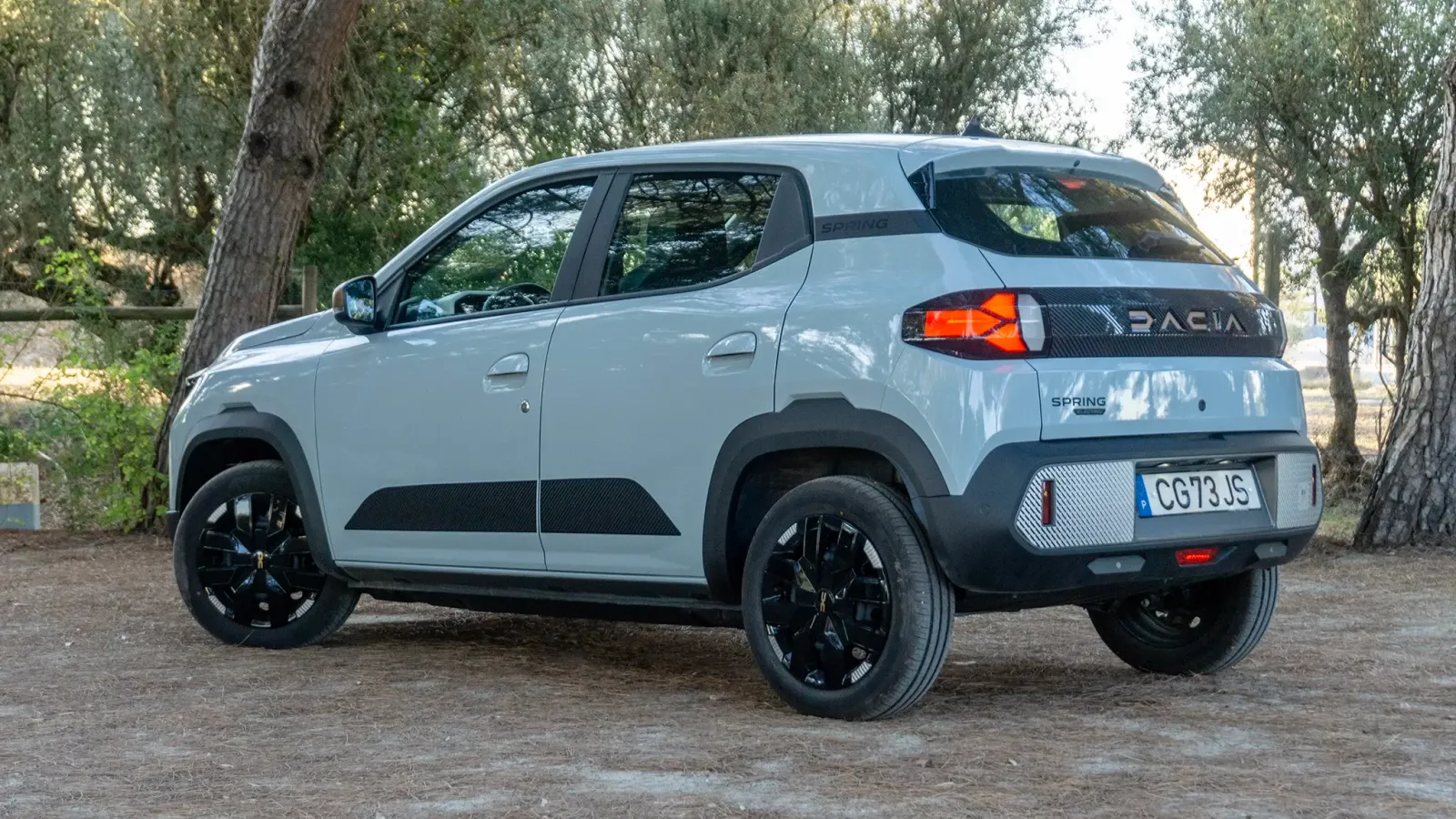
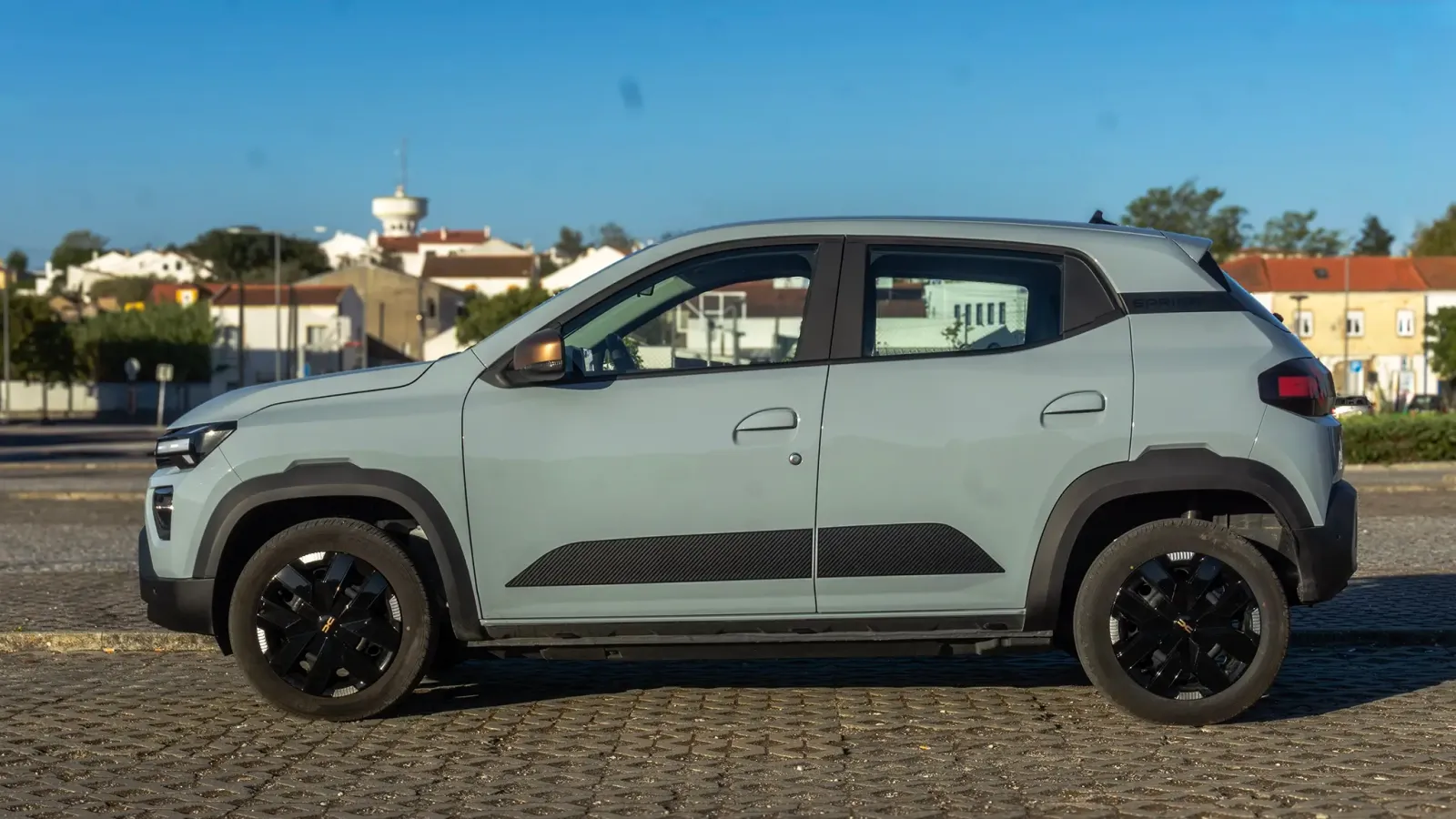
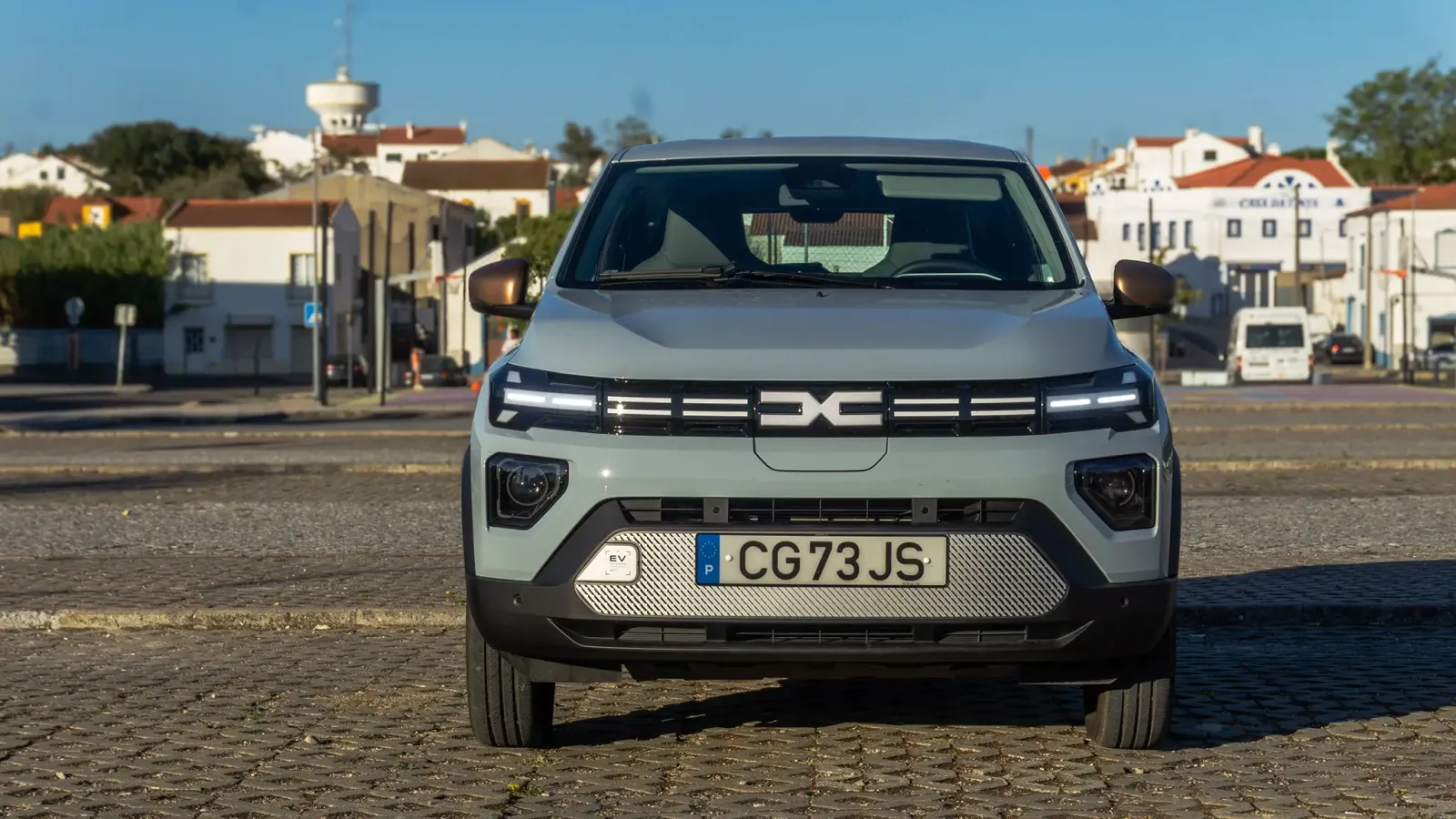
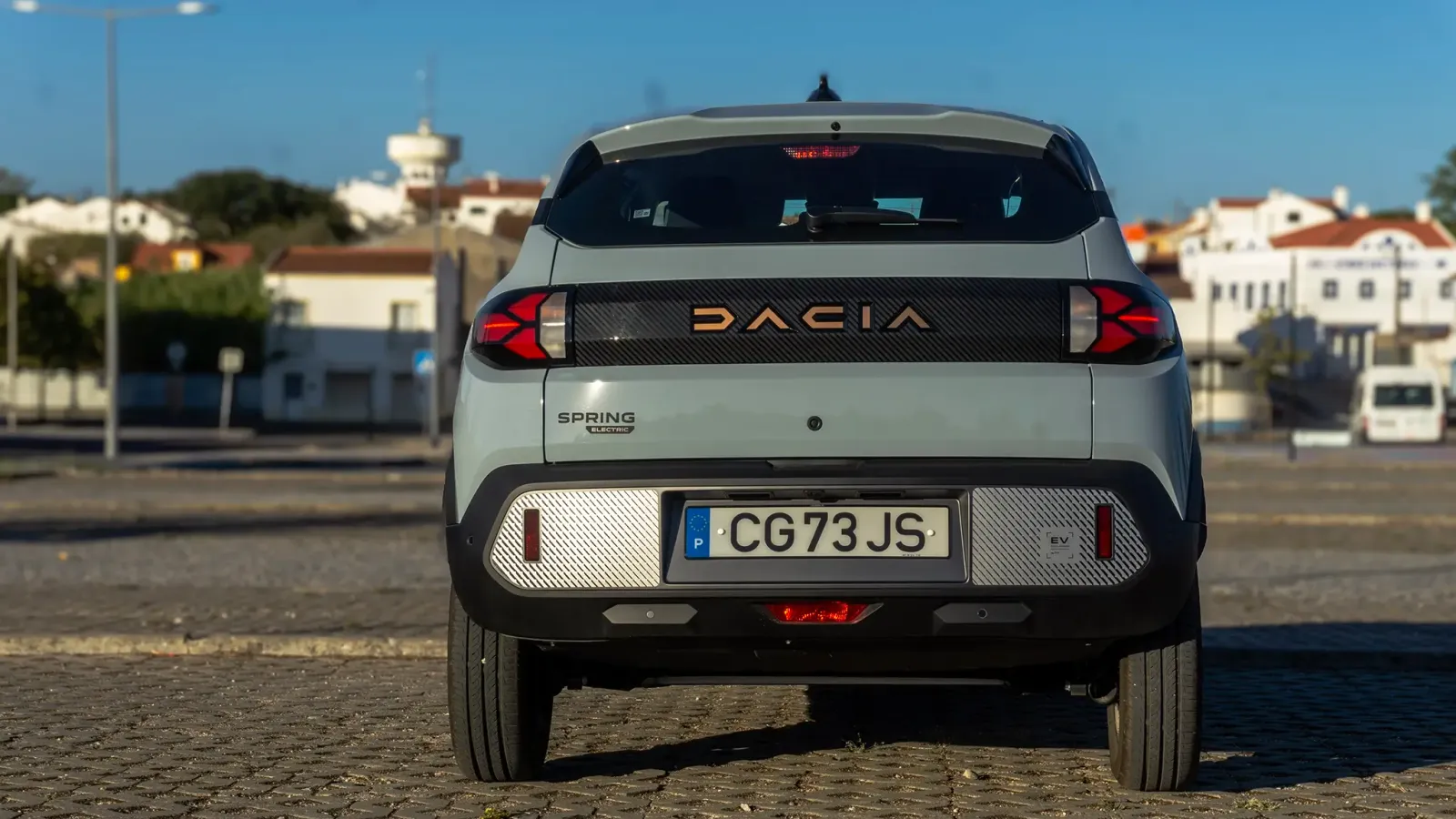
The Spring has never tried to hide who it is. It’s a small electric vehicle designed for city use, featuring a raised chassis, compact dimensions, and a more functional than emotional design approach.
The design has a certain honesty — it doesn’t try to be something it isn’t — but it became much more appealing with the 2024 update. I must admit, though, that I find the design of its successor much more interesting.
The current Spring is a small car on the outside, and that’s evident when it matters: parking is easy, visibility is good, and the chassis doesn’t require much care when navigating narrow streets.
3 images
Simple and intuitive
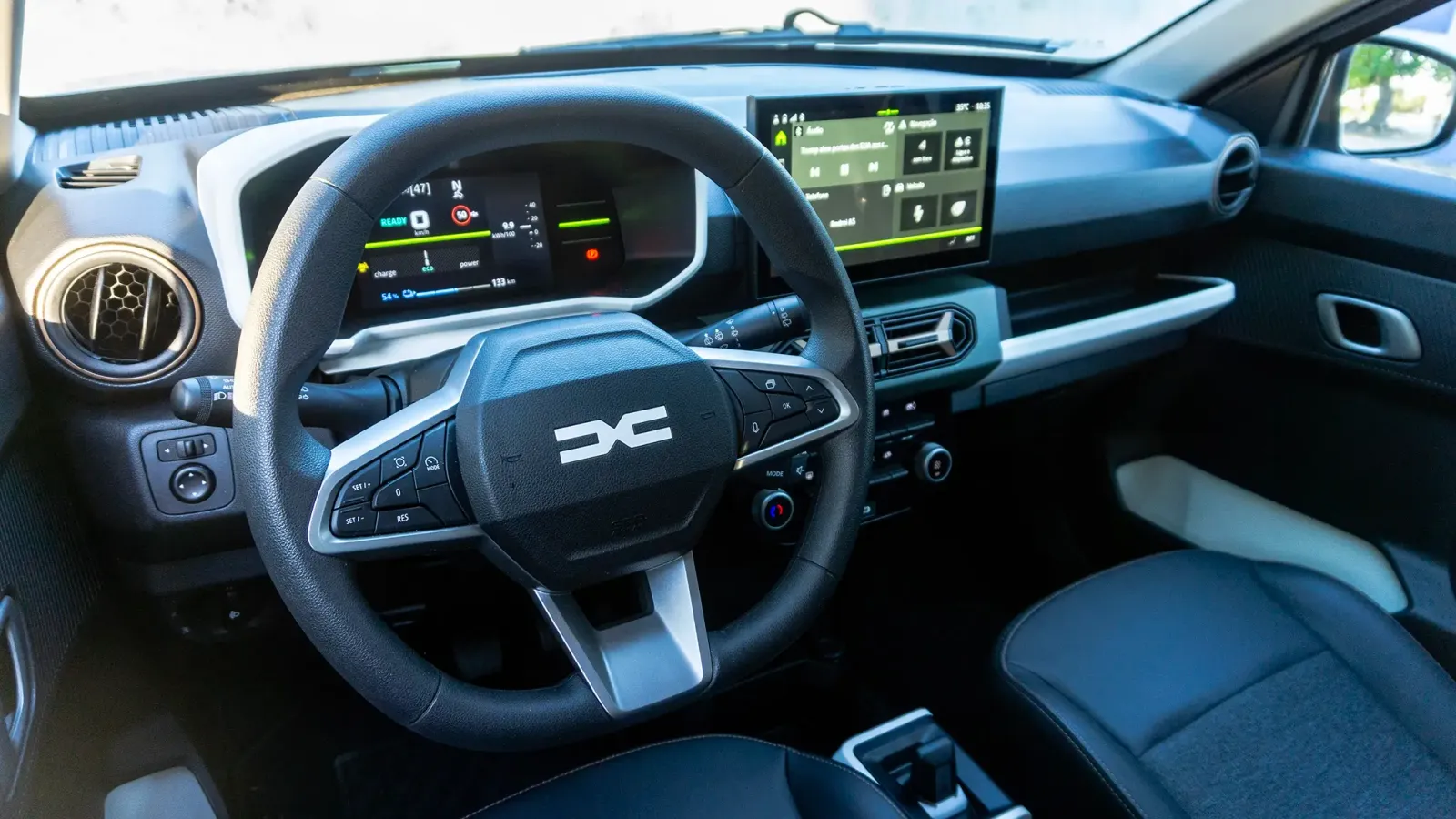
The interior is where the Spring most clearly shows the age of the design. That said, just like the exterior, the cabin has also improved significantly with the 2024 update.
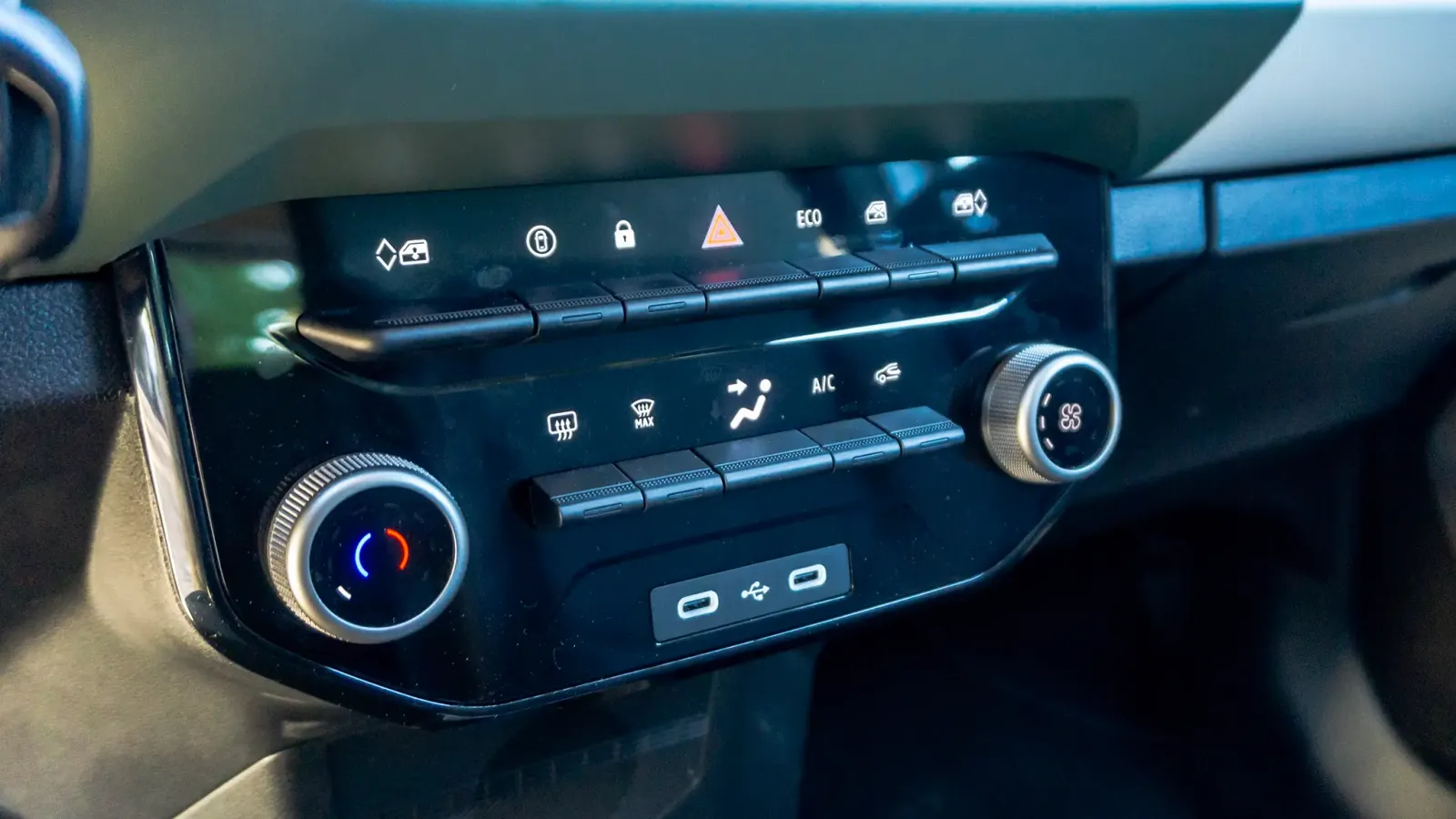
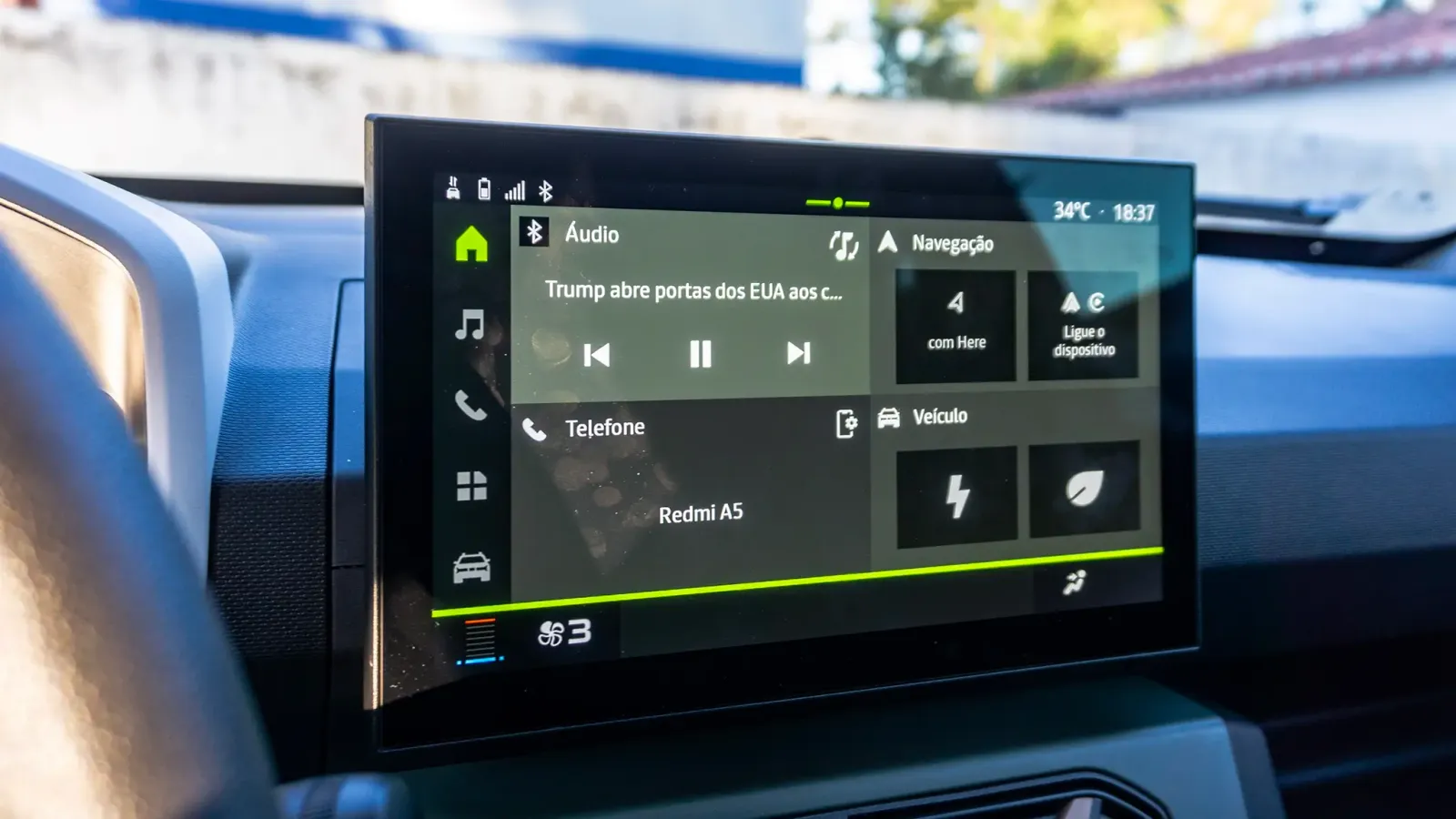
The dashboard design is more modern, featuring a 7″ digital instrument panel and a 10″ central screen for the infotainment system. There are also several storage areas and physical controls that make it particularly easy to use in everyday situations.
4 images
But there are no miracles. The materials are mostly hard, and the sense of quality is far from what we find, for example, in a Renault Twingo or… the new Dacia Spring. However, the build quality is solid, as proven by the lack of parasitic noises, even on the most potholed roads in our cities.
DO NOT MISS:
Another electric car for less than 20,000 euros. What’s the value of the Chinese Leapmotor T03?
Small on the outside and inside
Being one of the smallest models on the market, it wouldn’t be surprising if the Spring weren’t the best in terms of interior space. And it isn’t. The four seats are usable, but the rear seats are more suitable for children or adults of short stature.
2 images
The trunk, with 288 liters, is surprisingly spacious for a car of this size and is even larger than that of its successor.
The driving position is also not a problem, and after a few kilometers, we stop thinking about what reminds us most of the project’s outdated design: the narrow cabin width.
Discover your next car:
A city car that isn’t afraid of the highway
This year, the Spring gained a new advantage: power. The introduction of the 100 hp version completely changed this small Dacia’s relationship with the road.
With just over a tonne, it made the Spring more agile in urban areas and, most importantly, gave it a safety margin that earlier versions lacked.
Compared to the original Spring, it has an extra 55 hp, and it’s even more powerful than the new Spring, which tops out at 82 hp. The extra power gives us extra confidence when entering a highway or even when overtaking.
Relax, the Spring didn’t suddenly become the “king of the autobahn,” but during the week I drove it, I faced open roads and highways without fear, rarely feeling like I was outside its element.
Improved handling, but not by much
Alongside the extra power, the Spring also saw improvements in dynamics. It got a stabilizer bar and new tuning for the springs and shock absorbers, which reduced body roll and made its behavior more predictable.
With narrow tires and a high suspension, the Spring still isn’t the best for mountain roads, but it performs much better outside the city. The steering is light, the body moves less, and the overall feeling is one of greater control.
The comfort on board is also reasonable. The suspension handles many uneven surfaces well, and in urban areas, the combination of compact dimensions, electric motor, and relatively soft suspension makes it an easy and even enjoyable car to drive. I found myself weaving through traffic as I hadn’t done in a long time.
It goes further than it seems
Finally, I must praise one of the Spring’s strengths: its efficiency. At first glance, the small 24.3 kWh battery doesn’t seem impressive, but the technical specifications don’t tell the whole story.
With an advertised fuel consumption of 12.4 kWh/100 km — which I was able to reduce fairly easily to around 10 kWh/100 km — the compact Dacia Spring should have no trouble achieving its official 225 km range.
2 images
It allows us to expand our horizons far beyond the cities it was designed for, especially when we choose the “Eco” mode. Contrary to expectations, it doesn’t significantly compromise performance.
Over the course of a week, I used it as my only vehicle and quickly lost my worries about range. I ended up taking the Spring everywhere, including on longer trips.
Its limited battery capacity actually became a strength for this city car, as I could get quick charges without needing extremely high power outputs.
There’s nothing cheaper
And that brings us to Dacia Spring’s main advantage: the price. For 16,900 euros, we get an electric city car, and despite advancements in the competition, there still isn’t another electric model this cheap. In fact, there aren’t many even among gasoline cars.
But this is the price of the base version. The Electric 100 Extreme model I tested is more expensive, costing 19,707 euros. With the optional features included in the unit I tested, the price rises to 22,414 euros. This price becomes difficult to justify compared to newer and more modern competitors, and especially compared to its upcoming successor.
For a similar price, the Renault Twingo E-Tech is already available—it’s likely the most interesting and appealing competitor at the moment, with prices starting at 19,490 euros. It has 82 horsepower, a 27.5 kWh battery, and a range of up to 264 km (WLTP combined cycle). Objectively, it’s a more modern and well-equipped vehicle. It also serves as the basis for the next Spring model.
If you don’t want to wait for the new generation, the only current Dacia Spring model that still makes sense is the base version. It has 70 horsepower and falls short in performance, but for those looking for a small, simple, and inexpensive electric car, it remains an option to consider.
It’s easy to drive, has low fuel costs, and offers decent space. Essentially, it resembles a utility vehicle from the 1990s, and indeed there are still people looking for exactly that.
Verdict
Dacia Spring extreme electric 100
6.5/10
The next generation of the Dacia Spring promises to be better in almost every aspect, but the current model is still worth considering. For those seeking a practical, straightforward, and affordable small electric car, nothing better than the Spring exists. But only in the base version, as the nearly 20,000 euros priced for this 100-horsepower version is hard to justify.
Pros
Price (base version)
Fuel efficiency
Agility
Trunk space
Disadvantages
Price (test unit)
Sound insulation
Interior materials
Interior width
Technical specifications
Base version price: 19,707€
EURO NCAP rating:
1/5
22,414€
Price for test unit
Powertrain: Synchronous electric motor
Placement: Front-mounted transversely
Charging: 24.3 kWh LFP battery
Power:
75 kW (100 hp)
Torque:
137 Nm
Drive type: Front-wheel drive
Transmission: Single-speed
Length: 3701 mm
Width: 1767 mm
Height: 1489 mm
Wheelbase: 2423 mm
Trunk capacity: 288-975 liters
Wheels/tires: 165/65 R15
Weight: 1084 kg
Average fuel consumption: 12.4 kWh/100 km; Range: 225 km
CO2 emissions: 0 g/km
Top speed: 130 km/h
Maximum acceleration: >9.6s
It includes:
Tinted windows
Brown copper-colored mirrors
Driver fatigue and attention detection
Emergency braking assist
Automatic door locking while in motion
ISOFIX fixing system in the rear seats
Hill start assist system
Cruise control and speed limiter
Active emergency braking system
Tire pressure monitoring system
Seat belt reminder
Traffic sign recognition with speed alerts
Instrument cluster
ECO mode
Rear camera
Light sensor
Electrically adjustable exterior mirrors
Air conditioning
2 USB ports
Pack City (includes: Media Nav Live (10.1″ screen, real-time traffic navigation, connected services, 2 USB-C ports) and front and rear radars) — 400 €
Pack Power (includes: 40 kW CC fast charger and V2L bidirectional charger) — 2314 €.