
I tested the BYD Dolphin G DM-i, the cheapest plug-in hybrid on the market.
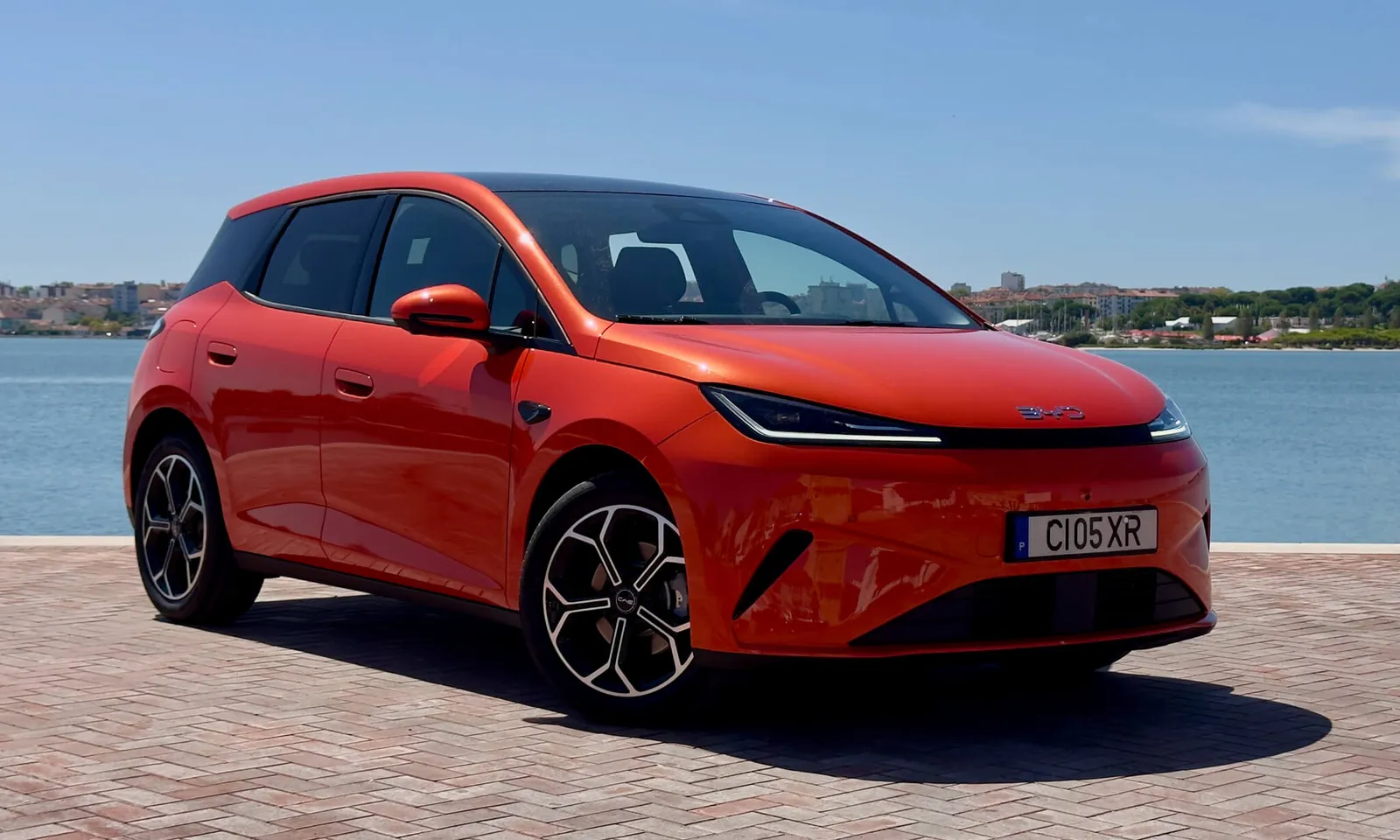
A range of up to 105 km in electric mode, over 1000 km total range, and a price below 29,000 euros. We tested the BYD Dolphin G DM-i.
BYD Dolphin G DM-i Comfort
8/10
The BYD Dolphin G DM-i is a mid-tier electrification solution that raised a question for me: why aren’t more brands investing in this technology for lower-end segments?
Pros
Space
Efficiency
Standard equipment
Price
Cons
Lackluster steering response
Limited savings potential due to the need to charge outside public networks
The utility vehicle segment is used to simple options: gasoline engines, conventional hybrids, and increasingly, electric ones. The BYD Dolphin G DM-i arrives to disrupt this pattern.
With a plug-in hybrid system, it can travel up to 105 km in pure electric mode, but it also has a gasoline engine ready when the battery runs out or if the journey exceeds the range provided by the battery.
This is an unusual approach in this segment, aiming to combine two usage methods that have rarely coexisted in utility vehicles before: everyday electric driving and the freedom to take long trips without relying on charging infrastructure.
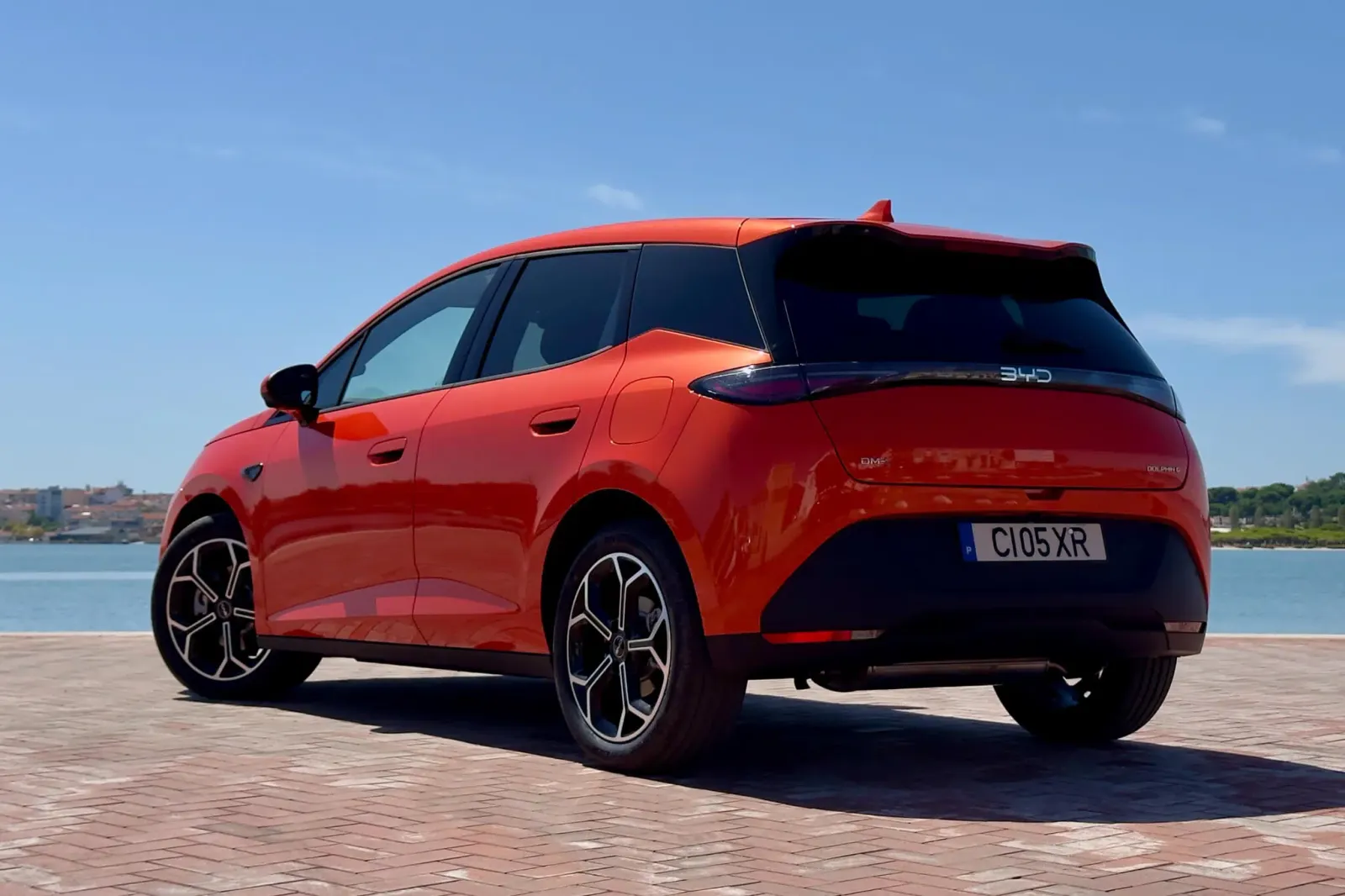
On paper, it seems to combine the best of both worlds. But does it do the same in practice? To find out, I spent a few days behind the wheel of the cheapest plug-in hybrid on the market.
Naturally discreet
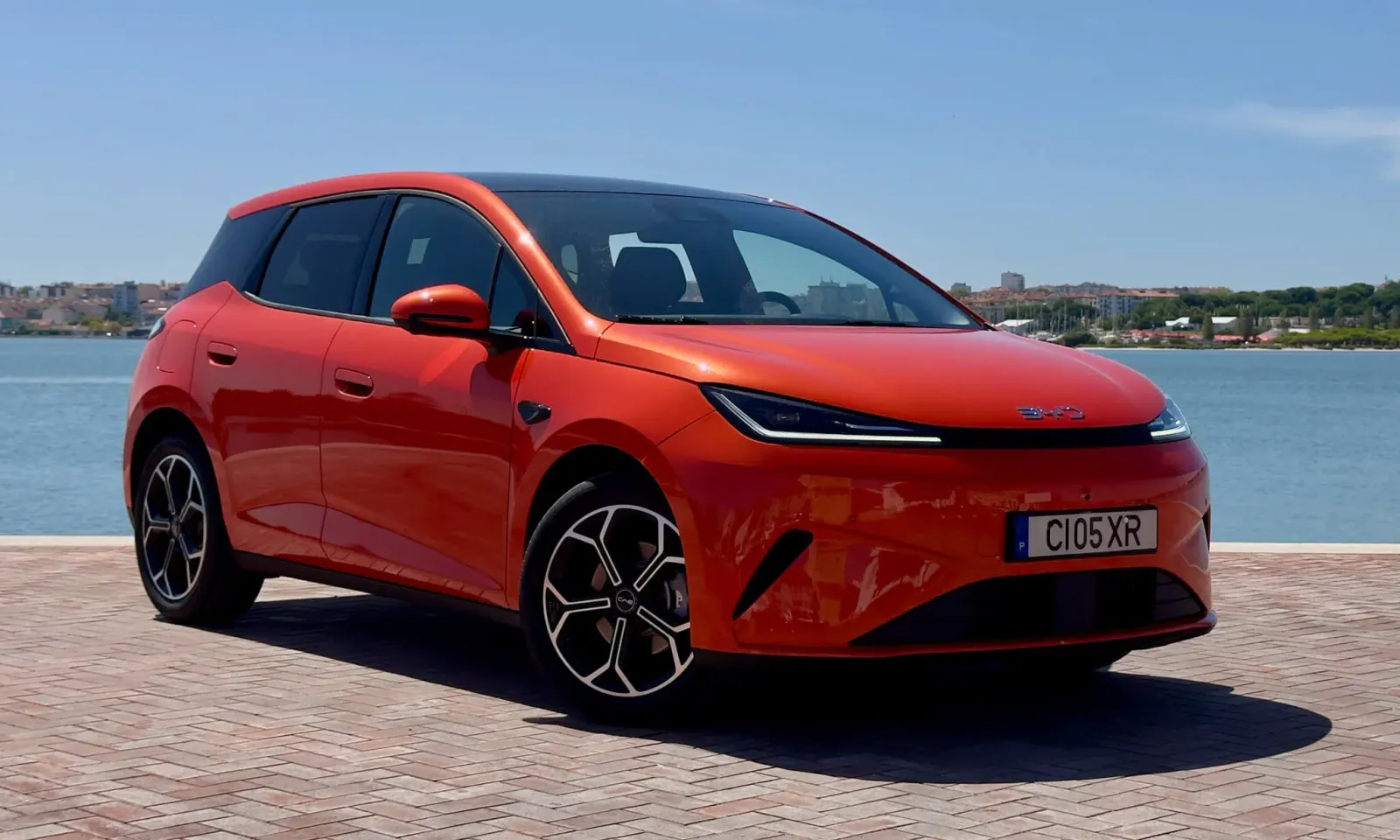
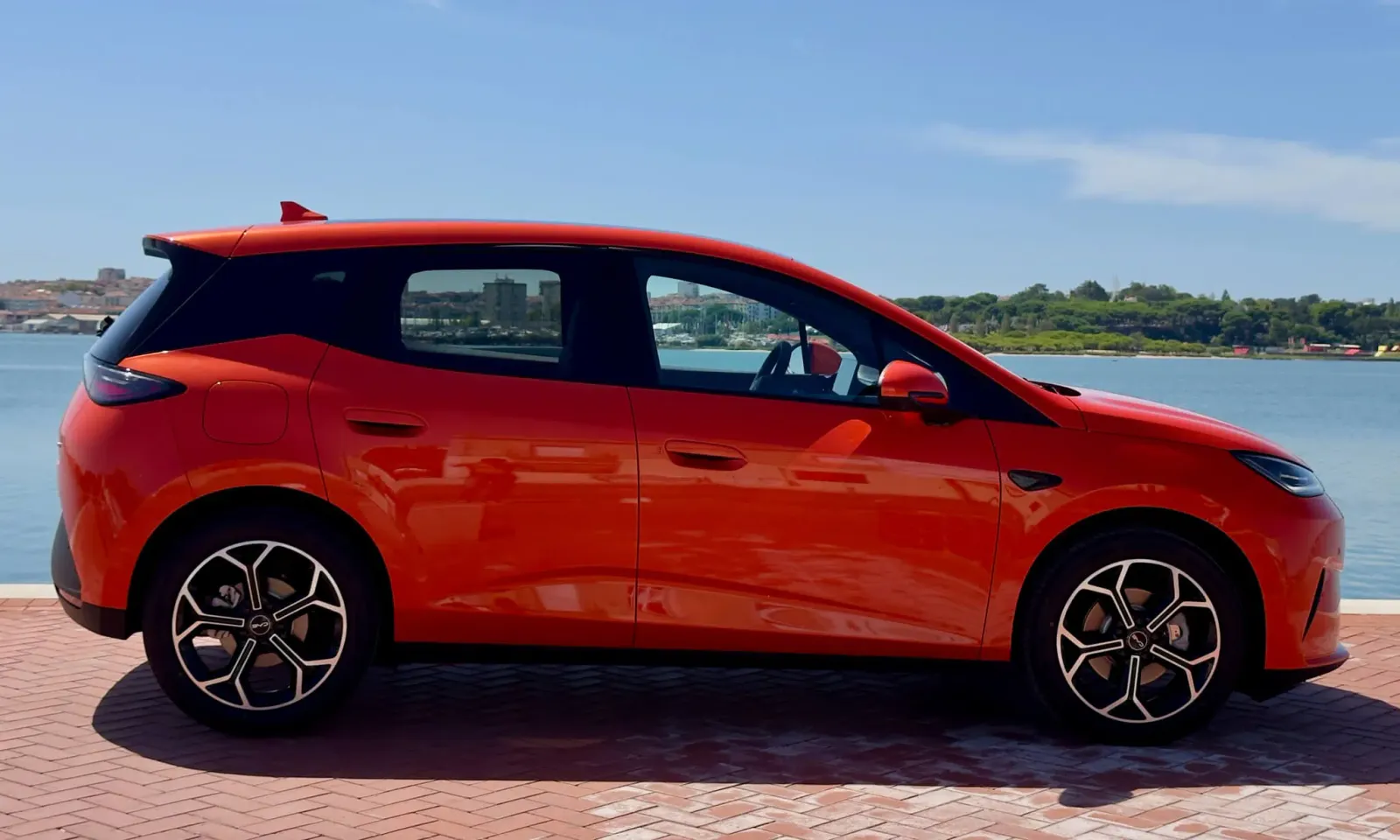
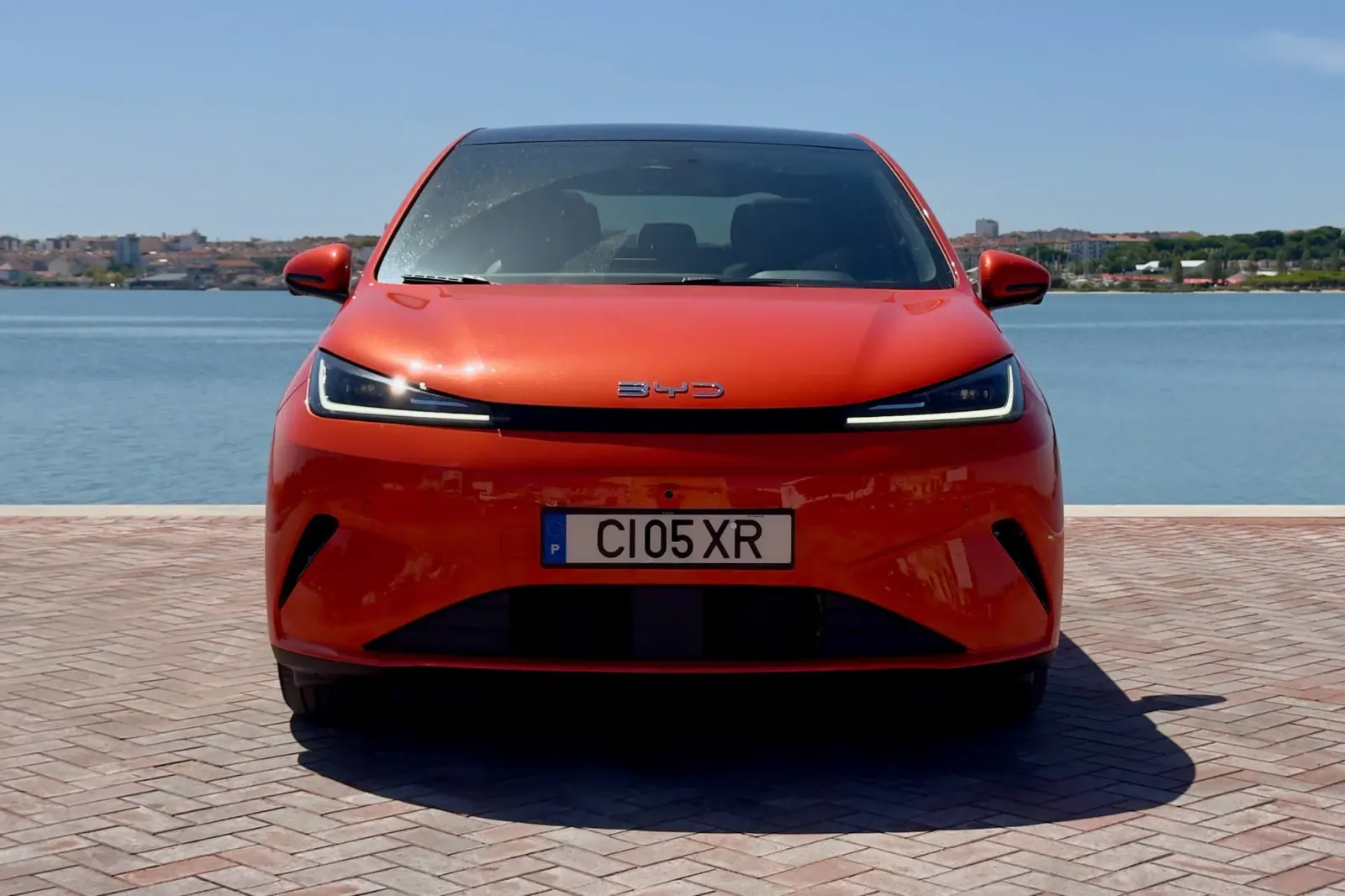
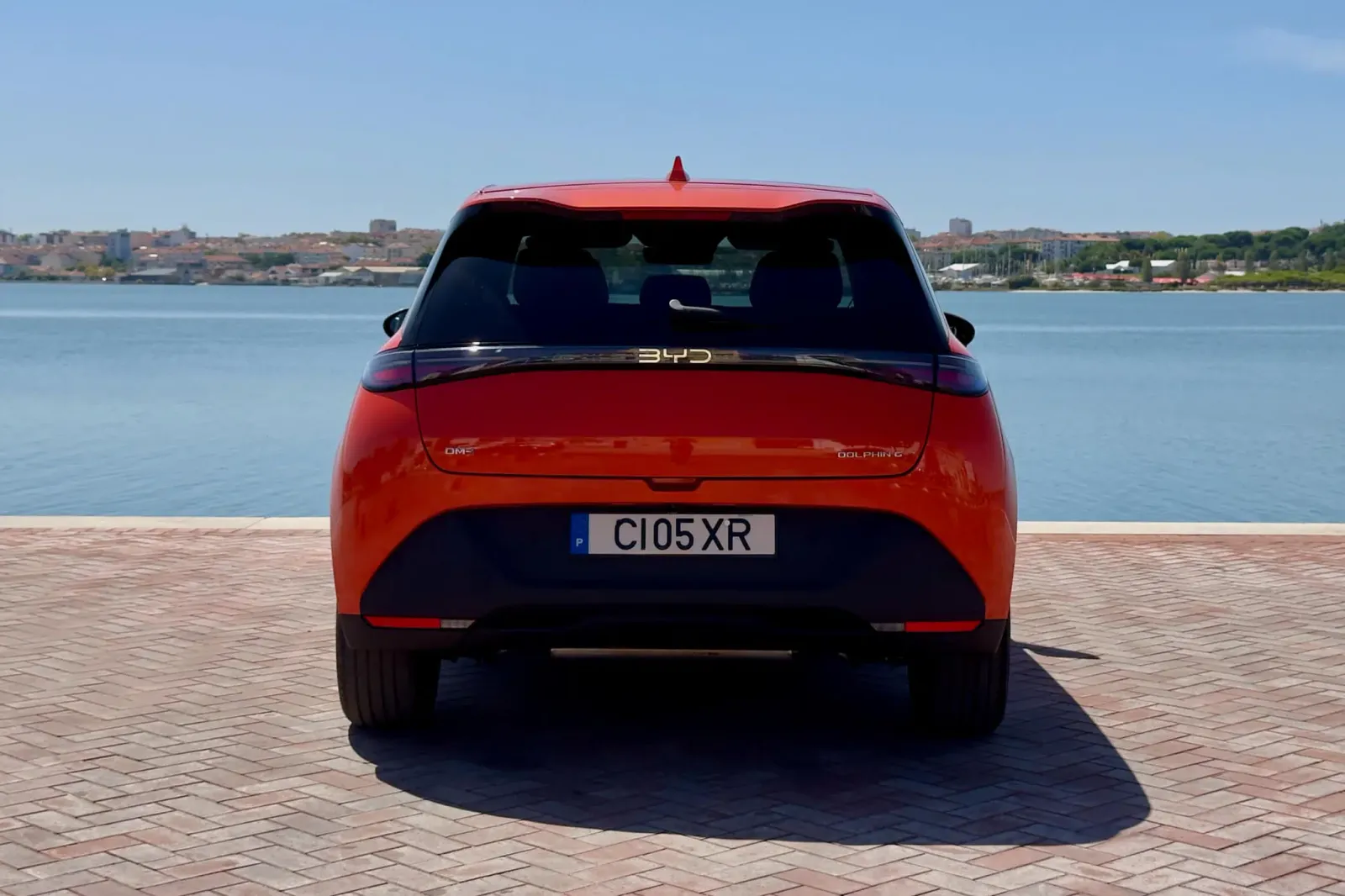
Despite the bright color of the model tested, the truth is that this new member of the “Dolphin” family (which already includes the Dolphin and Dolphin Surf) positions itself as the most conventional model in this entire lineup.
3 images
With a design that straddles the gap between a traditional sedan and a minivan, it aims for a discreet appearance without being anonymous. There are no excessive stylistic elements, making it one of those cars capable of pleasing both groups.
SEE ALSO:
The Dongfeng VIGO isn’t perfect but gets the key aspects right
Minimalist, as expected
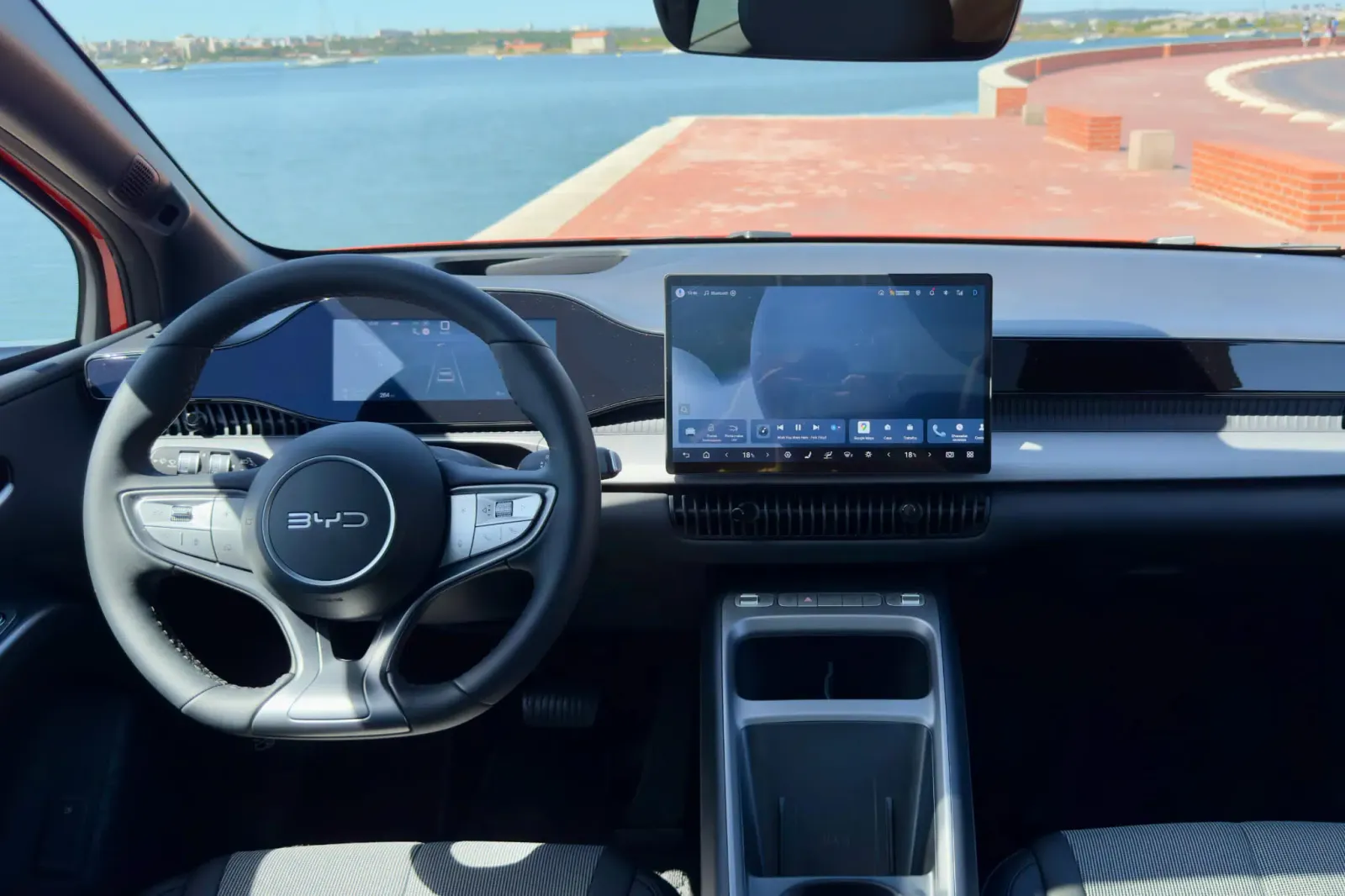
The interior follows a design approach familiar from other models of the brand, focusing on minimalism and large screens. The most eye-catching feature is the 12.8-inch central screen. In front of the driver, there’s also an 8.8-inch digital dashboard.
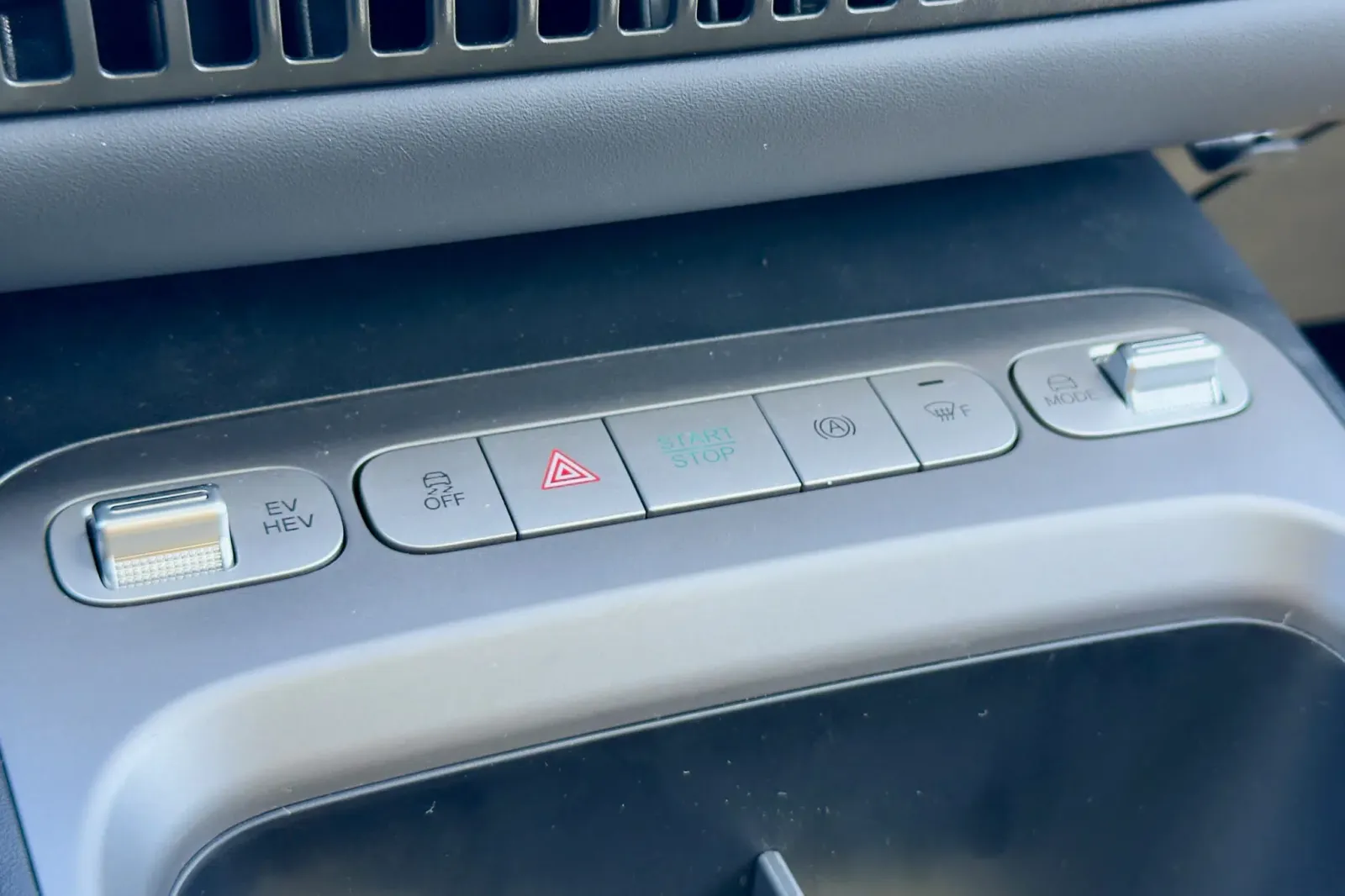
The operation is relatively simple, and the presence of physical controls for some key functions is welcome, along with the now standard Apple CarPlay and Android Auto.
4 images
The driving position is high, and there’s a technical reason for that: the battery is located under the cabin. It took some getting used to, but it’s not necessarily bad. In the city, it even helps provide a good view of what’s going on around us.
As for the materials, although they’re tough (after all, this is an SUV), they seem to resist wear well over time, and the construction appears robust, with no notable parasitic noises.
SEE ALSO:
I tested the Changan Deepal S05, which can travel over 1000 km without stopping
Enough space for everything
The front passengers have plenty of space, and the rear seats can comfortably accommodate two adults. The legroom is particularly impressive given the vehicle’s exterior dimensions, thanks to the wide wheelbase and its near-monovolume shape.
3 images
The trunk also deserves a positive note. It has 425 liters, plus an additional 45 liters from a compartment under the floor. This capacity places the Dolphin G DM-i among the best in its class, far ahead of hybrid competitors like the Toyota Yaris or Renault Clio.
Electric power takes control
It is at the wheel that the Dolphin G DM-i showcases its main strengths. With a fully charged battery, the electric motor handles most of the driving effort, giving an experience very similar to that of a pure electric vehicle. The response to acceleration is immediate, operation is quiet, and the driving feel is extremely smooth.
The combined power reaches 212 hp, a notable figure considering it is an SUV, though it does not translate into particularly impressive performance: it accelerates from 0 to 100 km/h in 8.3 seconds with a top speed of 180 km/h.
Putting the numbers aside, the BYD Dolphin G DM-i offers more than enough responsiveness to overtake or gain speed quickly when entering an highway. And all of this without being overly abrupt.
When the battery loses charge and the 1.5-liter gasoline engine takes over more, the experience changes. The noise increases, and especially during strong accelerations, the effort of the internal combustion engine is clearly noticeable. It’s not unpleasant, but the smoothness we experience in electric mode is no longer as prominent.
DO NOT MISS:
We drove the top-of-the-line Firefly, which costs 32,000 euros.
Focused on comfort.
The steering is one area where improvement is needed. It has a reasonable weight, but provides little feedback and isn’t particularly quick. In city driving, it performs well for its purpose; on more winding roads, we wish there was more connection between the hands and the front wheels.
The weight also becomes noticeable in certain situations. With over 1500 kg, the Dolphin G isn’t among the lightest in its class, a fact that becomes especially apparent when speed increases and there are quicker turns. Still, it maintains a safe and predictable behavior.
And it doesn’t take many kilometers to realize one thing: comfort is the focus. The suspension effectively filters out most irregularities, and on the highway, the Dolphin G DM-i delivers a very pleasant sense of safety and stability.
Finally, in urban areas, the smoothness of the plug-in hybrid system and its high driving position make this BYD an easy car to drive.
ADVERTISING
Want a hybrid?
You can find various hybrids for sale here, from conventional to plug-in types.
What about fuel consumption?
BYD claims 1.4 l/100 km, but this is one of those figures that requires context. Achieving this figure depends on making regular use of the electric range.
With the battery charged, we can travel many kilometers without turning on the internal combustion engine. BYD claims 105 km of range, and from what I’ve tested, it’s not far off the mark, even on mixed routes involving highways and urban traffic.
For those who drive 30, 40, or 50 kilometers daily and can charge at home or work, this feature can make a significant difference by allowing them to drive almost always without using the internal combustion engine.
When the battery is depleted, fuel consumption naturally increases, and the Dolphin G DM-i behaves more like a conventional hybrid.
Still, experience shows it’s entirely possible to maintain very low fuel consumption when starting each day with a fully charged battery. On longer trips, once the electric component is exhausted, fuel consumption tends to be closer to that of a conventional hybrid.
At the end of this test, for example, the onboard computer showed a fuel consumption of 4.4 l/100 km after driving many kilometers with the battery depleted.
The cheapest plug-in hybrid
There’s no way around this fact: with a base price of 28,975 euros, the BYD Dolphin G DM-i is currently the most affordable option for entering the plug-in hybrid market.
What’s even more significant is that it competes with several conventional hybrids. Without any discounts, the Toyota Yaris starts at 26,530 euros, the Renault Clio at 28,990 euros, and the Honda Jazz at 29,625 euros. None of them offer the ability to travel up to 105 kilometers in electric mode, while the Dolphin G also stands out for its interior space.
In the tested Comfort version, priced at 30,275 euros, the vehicle is even more comprehensive, featuring a panoramic roof, head-up display, 360º camera, or electric driver’s seat.
This positioning makes the Dolphin G particularly interesting for those seeking an electric utility vehicle while still wanting the flexibility needed for longer trips. But be aware that to save money, you need a place to charge; otherwise, it’s better to opt for a conventional hybrid.
BYD Dolphin G DM-i Comfort
8/10
The BYD Dolphin G DM-i offers a unique approach that becomes easy to understand once we start using it in daily life. During the week, it can function almost like an electric vehicle, while the gasoline engine provides relief for longer trips. It represents a simpler way to transition toward electrification and raises the question: why aren’t more brands adopting this approach?
Pros
Space
Efficiency
Standard equipment
Price
Cons
Poor steering feedback
Limited savings potential due to the need to charge outside public networks
Base version price: 30,275€
VAT: 148€
Euro NCAP rating:
0/5
30,275€
Price of the test unit
Engine layout: 4-cylinder in-line
Cylinder capacity: 1498 cm³
Layout: Front-wheel drive
Charging: LFP battery with 18.3 kWh
Power:
Internal combustion engine: 70 kW (95 hp) at 6000 rpm
Electric motor: 120 kW (163 hp) Maximum combined power: 156 kW (212 hp)
Torque:
Internal combustion engine: 120 Nm at 4500 rpm
Electric motor: 210 Nm
Maximum combined torque: 210 Nm
Drive type: Front-wheel drive
Transmission: Multi-speed automatic
Length: 4160 mm
Width: 1825 mm
Height: 1575 mm
Wheelbase: 2610 mm
Trunk capacity: 425 liters
Wheels/tires: 215/50 R18
Weight: 1555 kg
Average fuel consumption: 1.4 l/100 km
CO2 emissions: 32 g/km
Top speed: 180 km/h
Maximum acceleration: >8.3s
Features:
18” wheels
Panoramic glass roof with electric opaque curtain
8” instrument panel and head-up display
Driver’s seat with electric adjustment and lumbar support
Heated front seats and heated steering wheel
12.8” central touchscreen display
V2L (Vehicle-to-Load) functionality
Adaptive Cruise Control
Autonomous Emergency Braking
Lane Keeping Assistant
All-LED headlights, daytime running lights (DRL), and rear lights
Light and rain sensor
