
I tested the hybrid Audi A5 Avant and didn’t miss the diesel version.
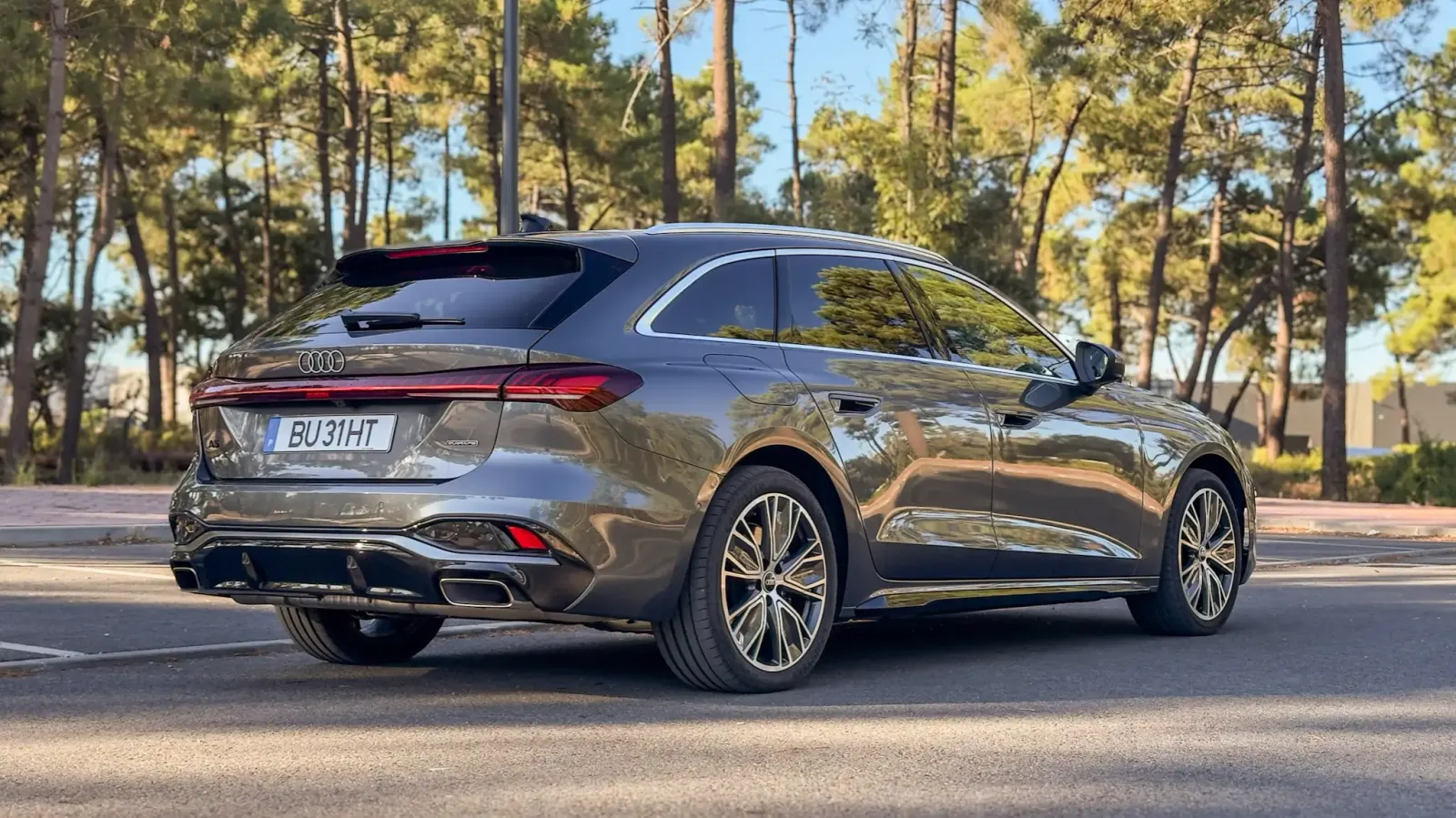
For years, the TDI has been the natural choice for an Audi Avant. The new generation of plug-in hybrids has reasons to change that preference.
Audi A5 Avant e-Hybrid quattro
7.5/10
Until recently, few combinations made as much sense as an Audi estate with a solid TDI engine. After spending a few days behind the wheel of this A5 Avant e-hybrid, I’m not so sure anymore.
Pros
Driving dynamics
Comfort on long trips
Efficiency of the plug-in hybrid system
Construction and assembly quality
Cons
Price
Overall weight
Trunk capacity
There was a time when the recipe for getting many kilometers out of a German SUV without too much hassle was relatively simple: a diesel engine, an automatic transmission, and top-notch quality and refinement.
The Audi A4 Avant was, for a long time, one of the best representatives of this approach. I must admit I’ve always appreciated how the TDI engines balanced performance, fuel consumption, and an almost endless range.
But times have changed. SUVs have overtaken sedans, and diesel engines have lost prominence to electrification, which offers other possibilities. Even the A4 changed its name, becoming the A5 Avant.
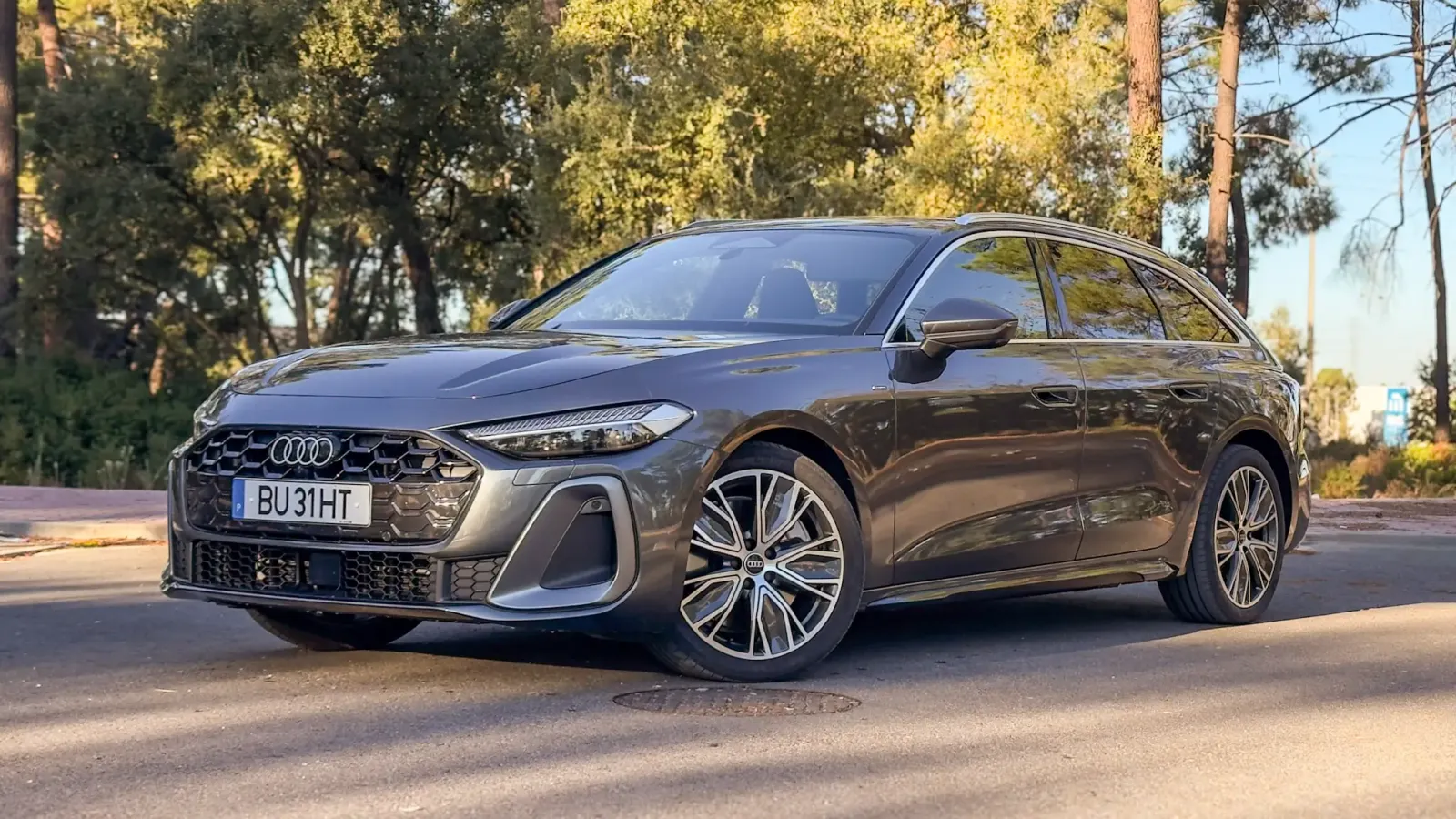
Diesel remains available in the range, but now there’s an alternative that promises to cover most daily trips without using a drop of fuel, without sacrificing the range needed for travel, and with 299 horsepower at its disposal. It’s called the A5 Avant e-hybrid quattro, combining a 2.0 TFSI engine with a plug-in hybrid system.
On paper, it seems like a compelling solution. But will it be enough to make people forget about a good TDI? And most importantly, will it still have that ability to cover long distances that has always characterized Audi’s best SUVs? That’s what I set out to find out.
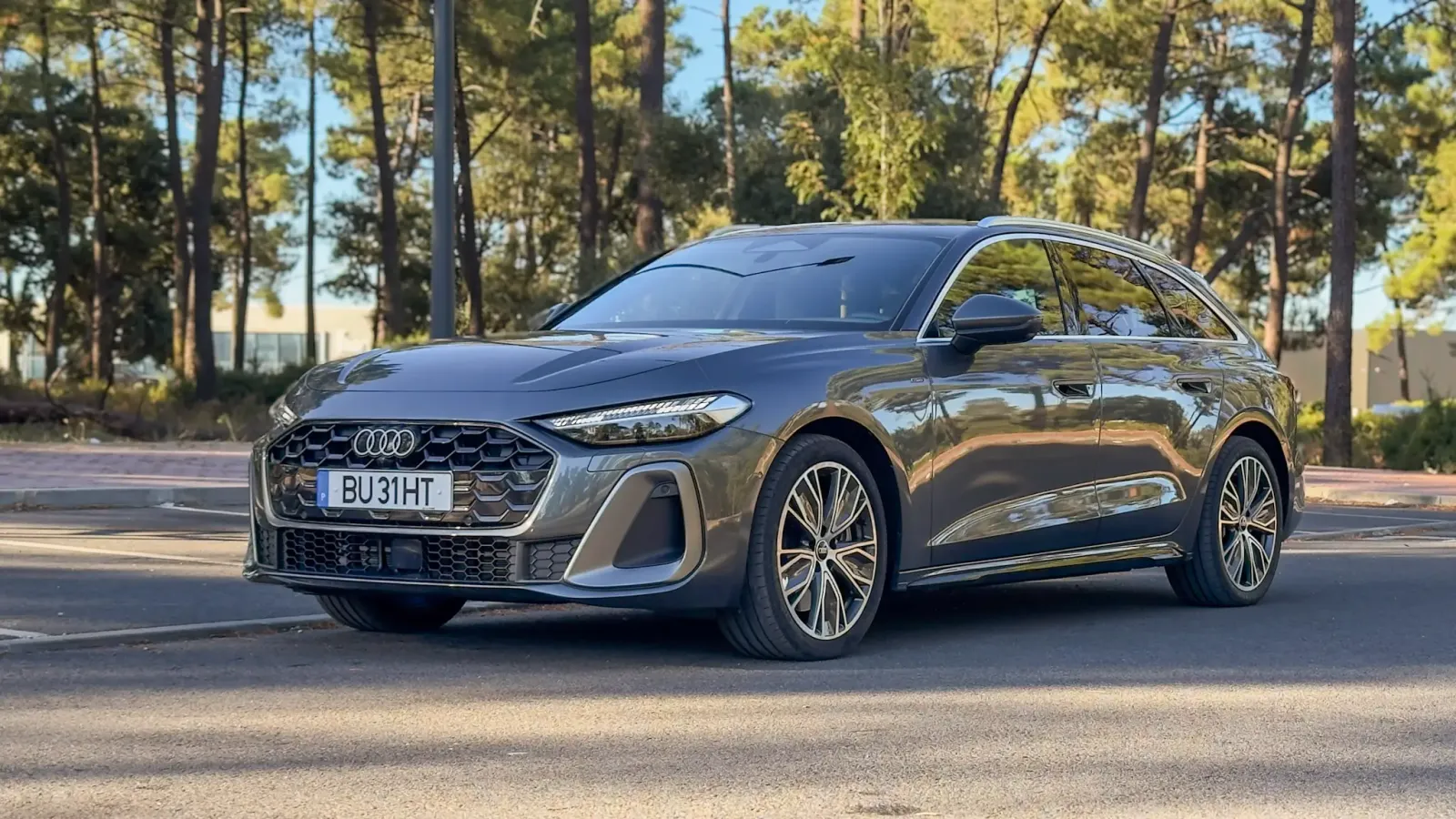
Audi’s SUVs have never aimed to be the largest in their class, nor even the ones with the best family features. But they have always managed to combine a high degree of versatility with a more sporty appearance.
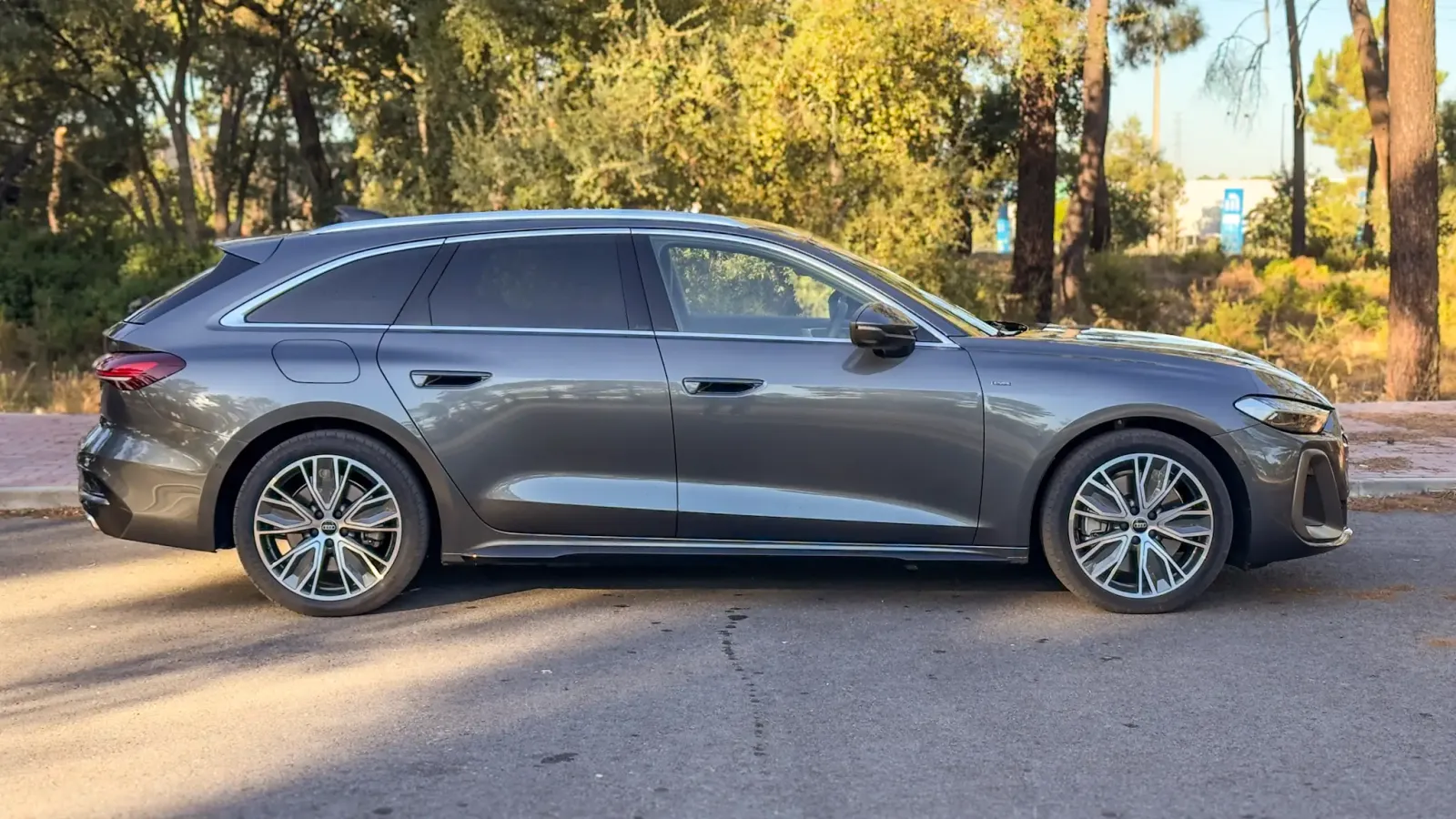
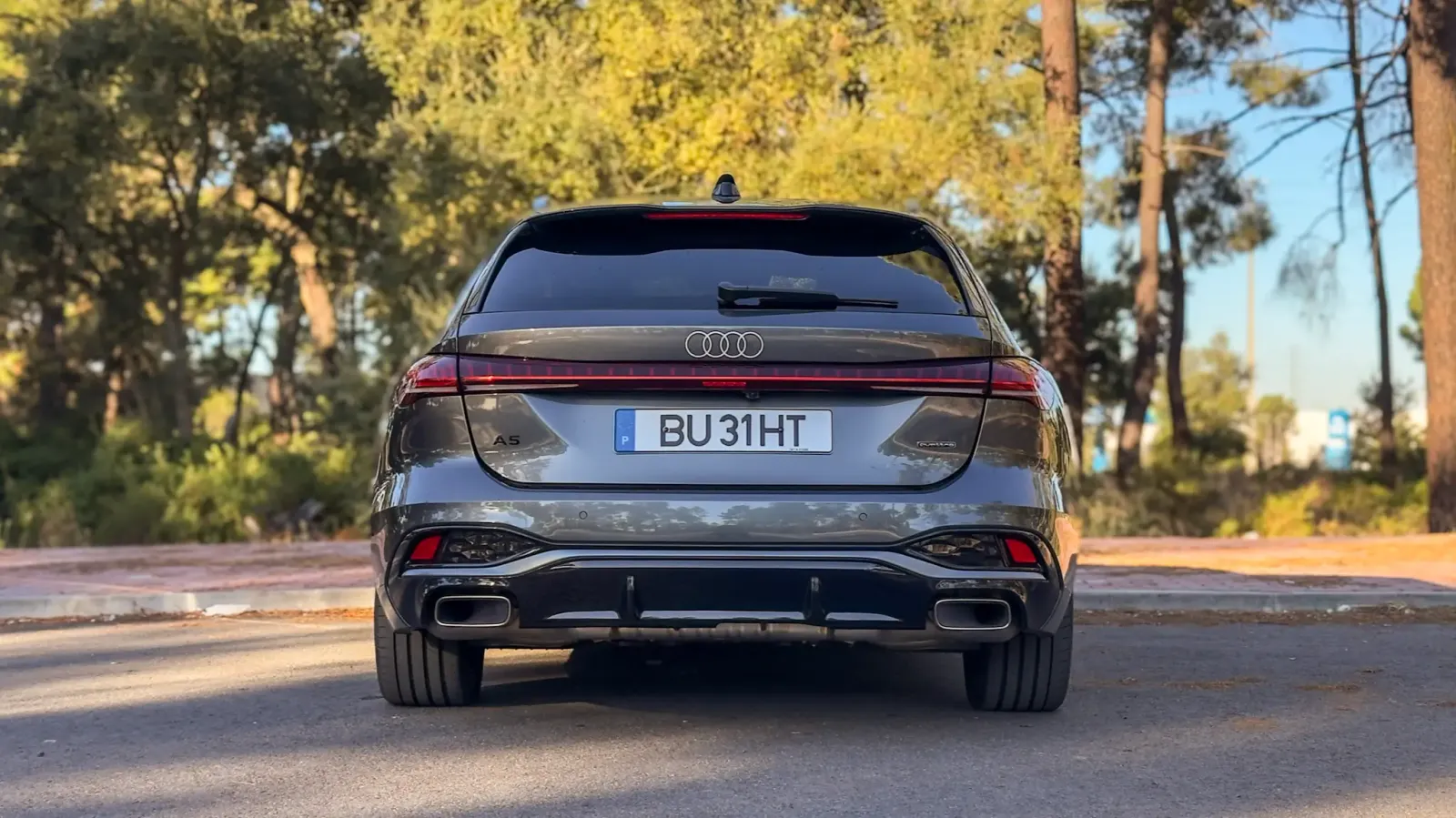
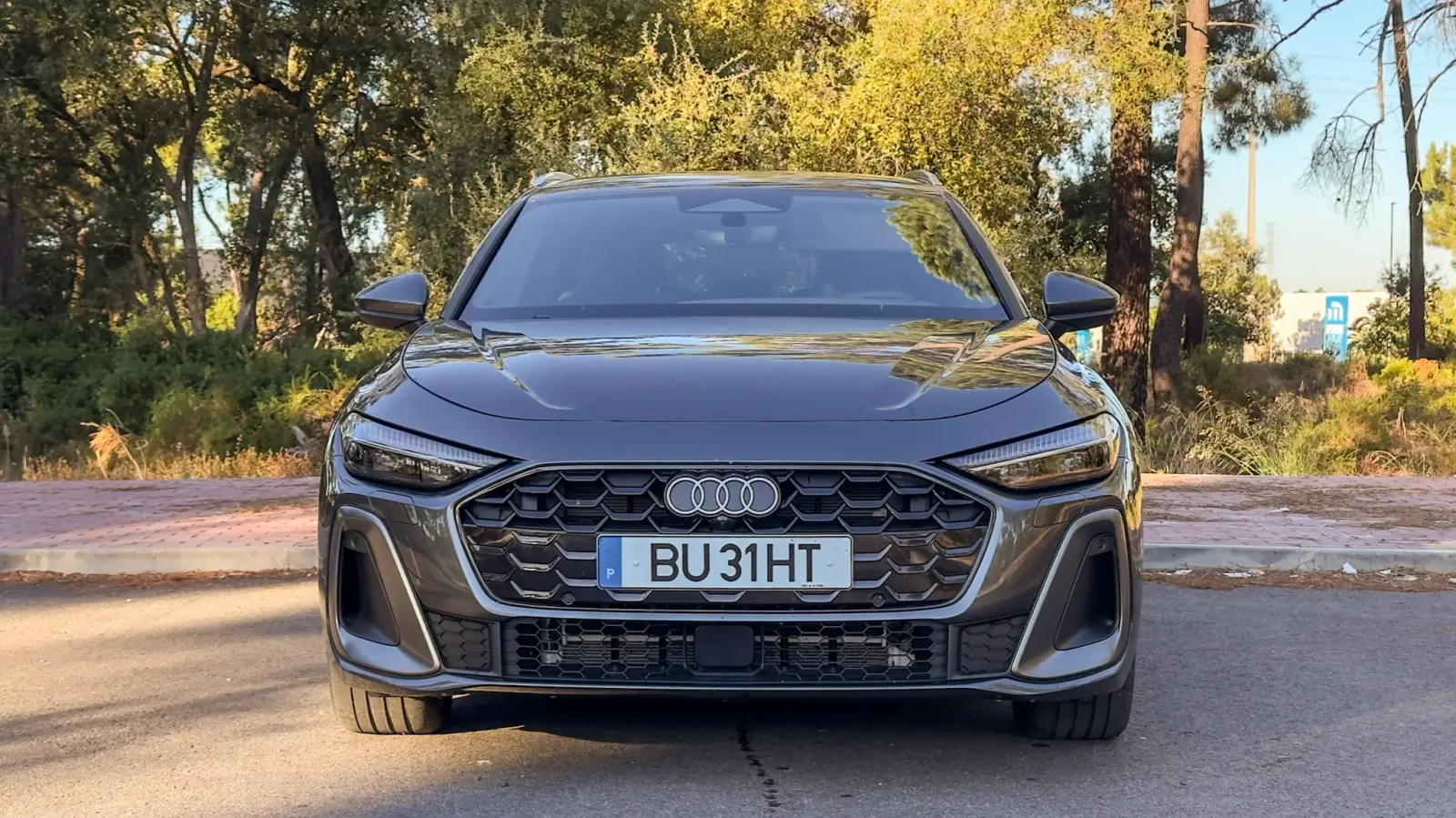
In this A5 Avant, I believe the Ingolstadt-based brand has gone even further. The proportions are very balanced, the front end is aggressive without being excessive, and the rear end, with its wide “shoulders,” reminds one of models like the RS 5. Name a SUV that can achieve the same effect without looking like it’s on stilts.
3 images
All of this contributes to making the A5 Avant a sedan that appears fast even when stationary, setting it apart from the more utilitarian look of other vehicles in this category.
Modern without being generic
Electrification wasn’t the only factor behind the transformation of cars in recent years. Digitalization has also played a role, bringing about an overwhelming presence of screens.
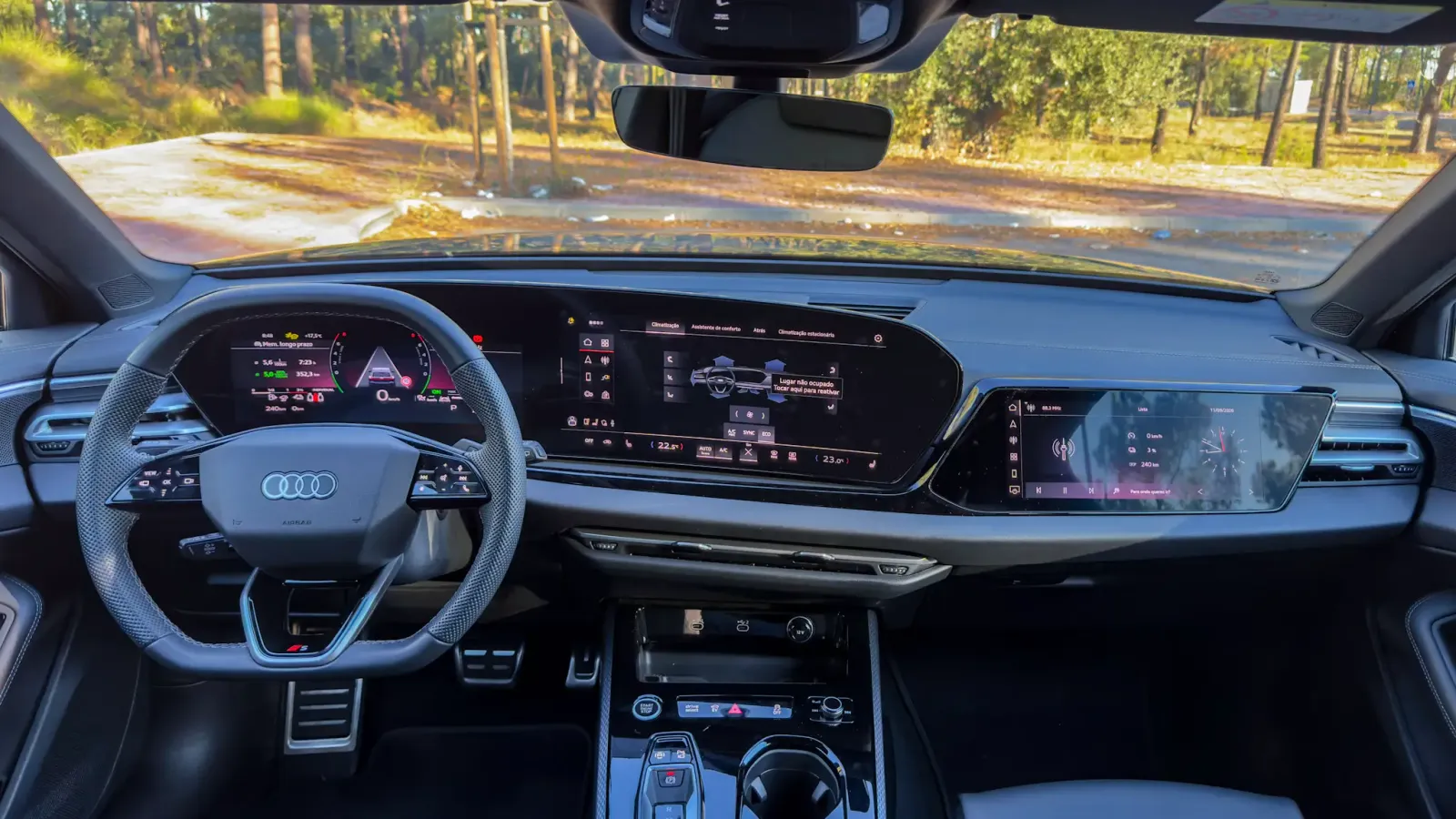
Audi didn’t break the rule either. The A5 Avant e-Hybrid can have up to three screens. One for the dashboard; another in the center for infotainment; and a third, optional one for the passenger, whose usefulness I find questionable.
2 images
Still, despite this many screens, the interior of the A5 Avant is far from generic. Audi demonstrates that it’s still possible to integrate technology and style without losing the brand’s identity.
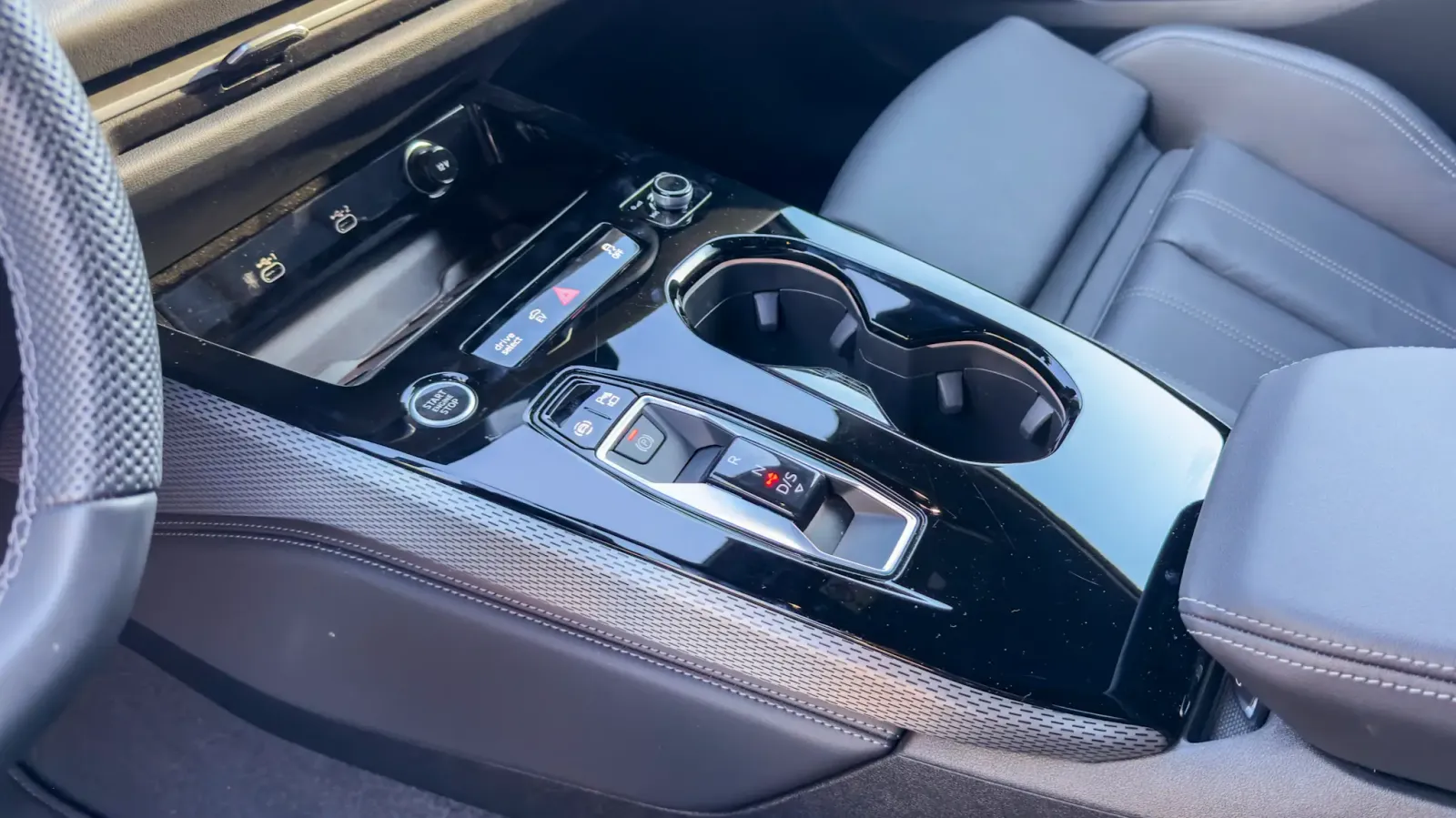
The materials are generally good, and the assembly gives the sense of solidity we expect from an Audi in this segment. There are no parasitic noises, nor does it feel like some components were simply shoved together.
3 images
Unfortunately, the ergonomics are not as convincing as in previous generations. Too many functions are concentrated on the screens, and some controls require getting used to. Not everything has improved with this modernization.
DO NOT MISS:
Complete test of the EBRO s900 in Portugal
The cost of electrification is measured in liters
While the interior modernization brought both advantages and disadvantages, the effects of electrification are much more noticeable in the trunk space.
Although it is an estate vehicle, the Audi A5 Avant is far from being a leader in terms of interior space. It offers enough room for four adults to travel comfortably, but the central tunnel is too intrusive for those sitting in the middle seat of the back row.
4 images
The trunk space also falls short of expectations for a family-oriented model. If the 476 liters in non-electrified versions are hardly impressive, the 361 liters in this e-Hybrid version result in a trunk capacity lower than that of some B-SUVs.
There’s no need for euphemisms: for an estate car with a length of 4.83 meters, this is insufficient.
The reason lies in the battery of the plug-in hybrid system, which is installed under the trunk floor. This is where it lags significantly behind the diesel version.
Actually, I didn’t miss the TDI
We’ve reached the aspect of this Audi that piqued my curiosity the most. Can a plug-in hybrid truly replace that sense of ease and readiness I’ve always appreciated in TDI engines?
In one word: yes. The first thing that impresses about the A5 Avant e-hybrid is precisely this effortless operation, but now without the noise or mechanical vibrations of the past.
In electric mode, the 143 horsepower is more than sufficient for everyday use. The response to the accelerator is immediate, the driving is silent, and we can cover most of our daily routes purely on electricity.
When more power is needed, the four-cylinder 2.0 TFSI engine steps in to deliver an impressive 299 horsepower in total.
The best compliment I can make about this A5 Avant is that, despite its weight of over two tons, I’ve never missed the linear yet sometimes sluggish delivery of diesel engines — and believe me, I’m a fan of those.
It offers a more immediate response to the accelerator, performance that is more than satisfactory, and a smooth operation that’s hard to achieve with a TDI. Its road behavior is also convincing.
Discover your next car:
The weight is there, but it’s not very noticeable
The front end responds quickly, the quattro system ensures excellent traction when exiting curves, and the chassis remains well under control at all times.
Naturally, there are over two tons there, but the A5 Avant manages to conceal them surprisingly well. And as effective as they are, it’s hard to find a SUV with a similar driving character.
When slowing down, it proves to be an excellent travel companion. The suspension handles irregularities well, the noise insulation is very good, and its stability on the highway conveys the safety typical of the best German vans.
It’s here that I recognize the same ease of covering long distances that I so appreciated in the old A4 Avant TDI models.
More economical than a TDI? It depends.
There are two distinct realities here. With the battery charged, the A5 e-hybrid can be extremely economical. Although it didn’t reach the official 114 km range, I managed about 80 km of actual driving between city and highway without using the combustion engine.
For many drivers, it means being able to handle almost all daily tasks without spending any gasoline. But the advantages aren’t absolute. Without sufficient electric range, or when the 299 hp engine is used frequently, fuel consumption rises quickly.
Still, even when the electric range is depleted, the system manages the transition between the two engines excellently, allowing me to achieve average fuel consumption of 5.6 liters per 100 kilometers with little effort.
It’s a very interesting result, though it may not be sufficient to surpass the efficiency of a good TDI engine on long highway trips. Like any plug-in hybrid, this Audi requires regular battery charging to fully leverage its fuel-saving potential.
And this is where the big difference lies compared to diesel, which only requires filling the tank with diesel fuel. In the case of the A5 e-hybrid, we need to fill it with gasoline and charge the battery as well. Different usage habits are required if we want it to be more economical than diesel in everyday driving.
For those who can charge it at home or at work, switching makes more sense by the day. For those who spend their days on the highway, diesel still has strong arguments to remain a contender.
More technology, but the same high price
The plug-in hybrid system has convinced me. However, the price remains a harder argument to accept. With a base price of 62,500 euros, rising to 76,795 euros with the extras on the model tested, the Audi A5 Avant e-Hybrid is expensive.
For comparison, the BMW 3 Series Touring plug-in hybrid starts at 58,900 euros, while the Mercedes-Benz C-Class Station Wagon begins at 62,200 euros. Both are cheaper than the Audi.
Interestingly, even the diesel option isn’t the cheapest. The Audi A5 Avant TDI starts at 63,165 euros, slightly higher than the plug-in hybrid, but it only has 204 horsepower and front-wheel drive. On the other hand, it claims an approved fuel consumption of 4.9 liters per 100 kilometers, without relying on battery charging.
Audi A5 Avant e-Hybrid quattro
7.5/10
I’ve always liked the combination of an Audi SUV and a solid TDI engine, but this A5 Avant e-hybrid has almost made me forget about diesel. It remains an excellent travel companion, comfortable, stable, and highly capable on the road. Now it can cover most of the daily commute in electric mode. It’s a shame that electrification has added weight, reduced trunk space, and failed to address Audi’s biggest weakness: price.
Pros
Driving dynamics
Comfort on long trips
Efficiency of the plug-in hybrid system
Construction and assembly quality
Cons
Price
Overall weight
Trunk capacity
Base version: 62,500€
Registration tax: 221€
EURO NCAP rating:
5/5
76,795€
Price of the test vehicle
Engine layout: 4-cylinder in-line
Capacity: 1984 cm³
Layout: Front-mounted, longitudinal
Fueling: Direct injection, turbocharger, intercooler; Battery 20.7 kWh (usable)
Valve arrangement: 4 valves/cylinder; 16 valves total
Power:
Internal combustion engine: 252 hp at 5000–6500 rpm
Electric motor: 105 kW (143 hp)
Total combined power: 220 kW (299 hp)
Torque:
Internal combustion engine: 380 Nm at 1600–4500 rpm
Electric motor: 350 Nm
Total combined torque: 450 Nm
Drive type: All-wheel drive
Transmission: Seven-speed automatic
Length: 4829 mm
Width: 1860 mm
Height: 1426 mm
Wheelbase: 2896 mm
Trunk volume: 361–1306 liters
Wheels/Tires: 245/49 R19
Weight: 2160 kg
Average fuel consumption: 2.1 l/100 km; Electric range: 114 km
CO2 emissions: 47 g/km
Top speed: 250 km/h
0-100 km/h acceleration: >5.9s
Includes:
Chrome visual package
3-32A public charging cable
Door handles in body color
Exterior mirrors in body color
Audi drive select driving modes
LED headlights
Thermal and acoustic windshield
Trunk with electric opening/closing
ISOFIX system in front passenger seat and top tether in rear side seats
Aluminum roof rails
Automatic air conditioning with 3 zones
Heated front seats
11.9” Audi virtual cockpit plus
Panoramic OLED screen
14.5” MMI touch
Connection to vehicle via Apple CarPlay or Android Auto
Inductive smartphone charging
USB ports with charging function in the front and rear areas
High beam assist
Adaptive cruise control
Lane departure warning
Front cross-traffic assist
Traffic sign recognition
Rear parking camera
Parking assist Plus
Parking plus system with distance alerts ahead and behind
Sporty leather steering wheel
Electrically adjustable and heated exterior mirrors
LED tail lights
19″ lightweight alloy wheels, 5 double-spoke — 850 €
Decorative inserts with finish — 290 €
MMI experience plus with Audi sound system — 720 €
e-tron compact charging system — 795 €
Tech Plus package (includes: surround view parking camera)
Light projection on mirrors
Electrically folding mirrors
Proactive passenger protection system
LED Matrix function
LED Matrix headlights
Pro LED tail lights
Interior mirror with automatic anti-entanglement
Dead angle assist
Adaptive driving assist Plus) — 3785 €
S Line Interior Package in leather, black (includes: Gloss black steering wheel controls)
Leather/synthetic leather combination with integrated “S” element
Sporty front seats
Synthetic leather accents
Steering wheel and footrests in stainless steel
Aluminum trims with lighting in front door thresholds, featuring “S” logo projection
3-spoke sporty steering wheel with flat top and paddle shifters
Integrated headrests
Comfort armrest
Chromed elements on the steering wheel with integrated S design and perforations
Black roof lining
Interior elements with contrasting stitching
4-way lumbar support for front seats — 3665 €
S line Ext. Susp. standard package — 1035 €
Tinted rear windows — 510 €
Passenger MMI screen — 965 €
Environment Lighting Plus package — 550 €
1-year or 80,000km extended warranty — 0 €
Metallic paint — 1130 €