
Comprehensive test of the Jaecoo 7: China’s Range Rover
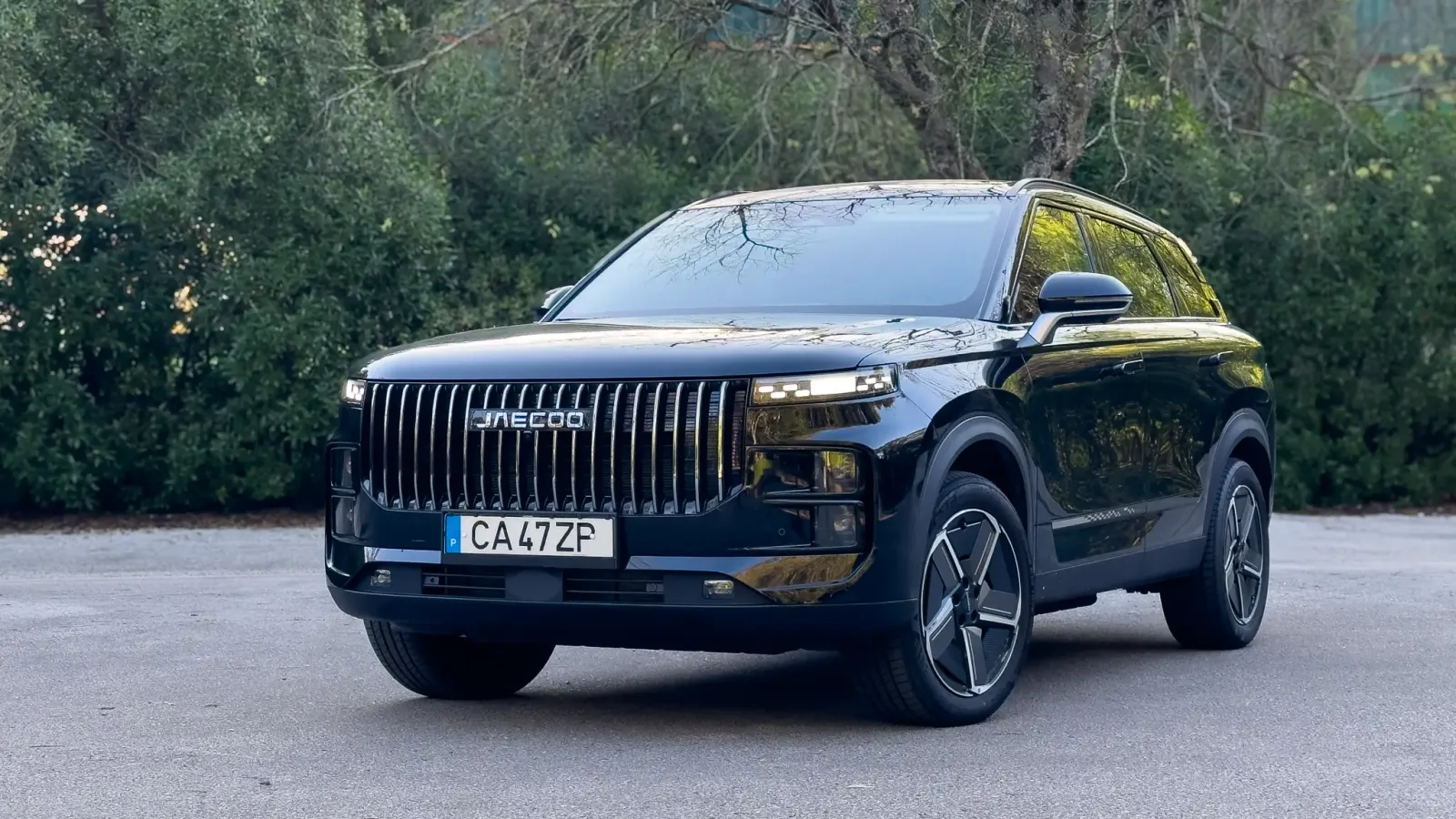
From an unknown brand to Europe’s third-best-selling hybrid plug-in car in just over a year. We went to find out what drove the rise of the Jaecoo 7.
Jaecoo 7 SHS-P Select
7/10
It seems more expensive than it is and offers a lot, but the first impression of the Jaecoo 7 doesn’t tell the whole story.
Pros
Price and equipment
Perceived quality
Cabin space
Softness and efficiency of the hybrid system
Cons
Steering and handling
Trunk space
Ergonomics of some functions
Instrument cluster
The Jaecoo 7 is one of those cases where you arrive, see it, and start winning right away. Just over a year ago, it was completely unknown in Europe. Today, it is already the third best-selling plug-in hybrid on the continent, behind the BYD Seal U and Atto 2.
But there is a major contributor to the Jaecoo 7’s rise: the United Kingdom. The British Isles have embraced it more than any other market, and in March, this Chinese SUV even topped new car sales in what remains one of Europe’s largest markets.
In other European markets, the Jaecoo 7 is also among the most sought-after plug-in hybrids, but in Portugal it is still a long way from matching that success.
So, what did European buyers see in this car? After a few days behind the wheel, I think there are two immediate answers. One is obvious at first glance. The other becomes clear when we look at the price list.
The “Temu Range Rover”
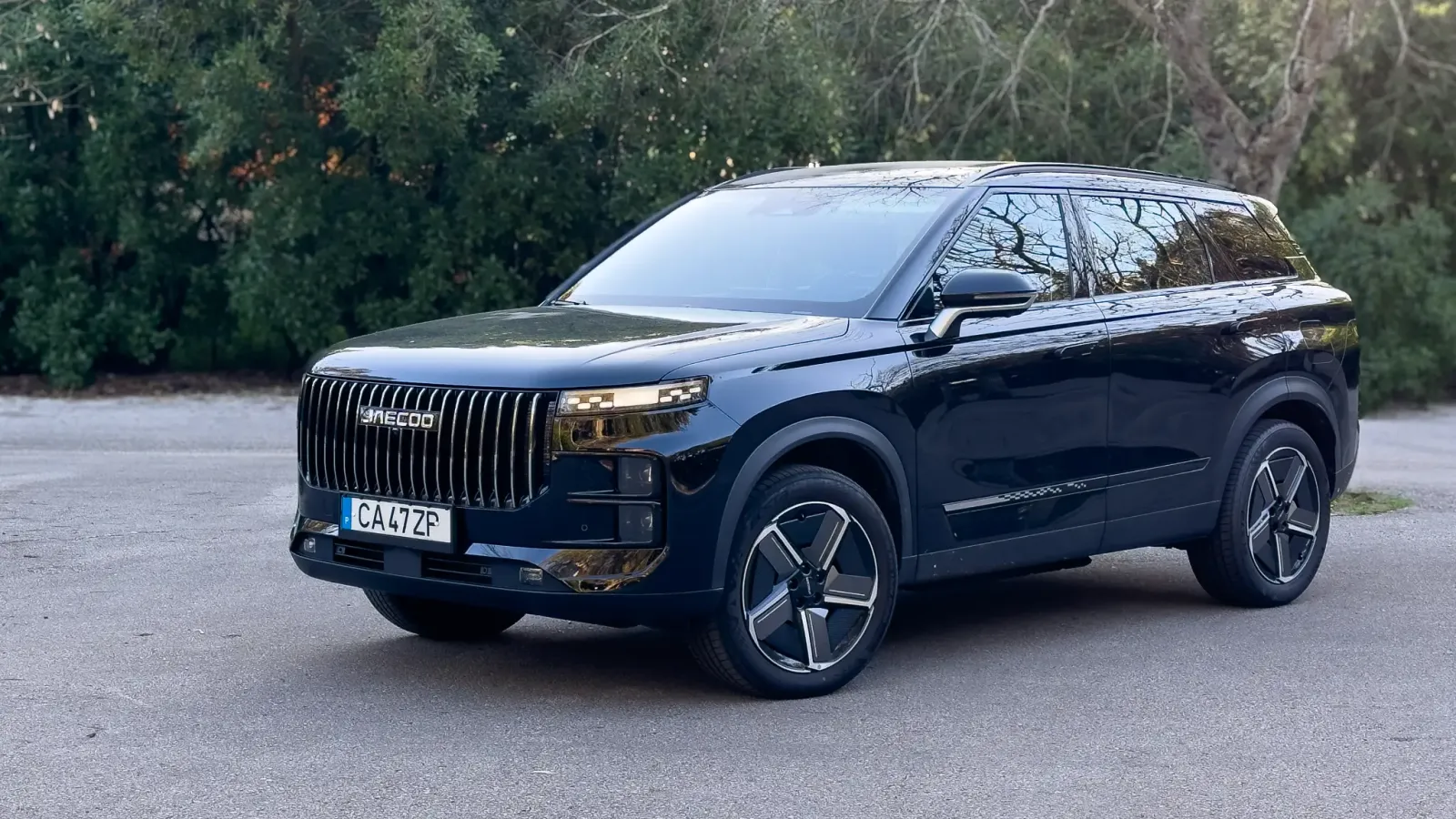
In the UK, it quickly earned the nickname “Temu Range Rover.” It’s not exactly a compliment, but it also helps explain one of the main reasons for its success.
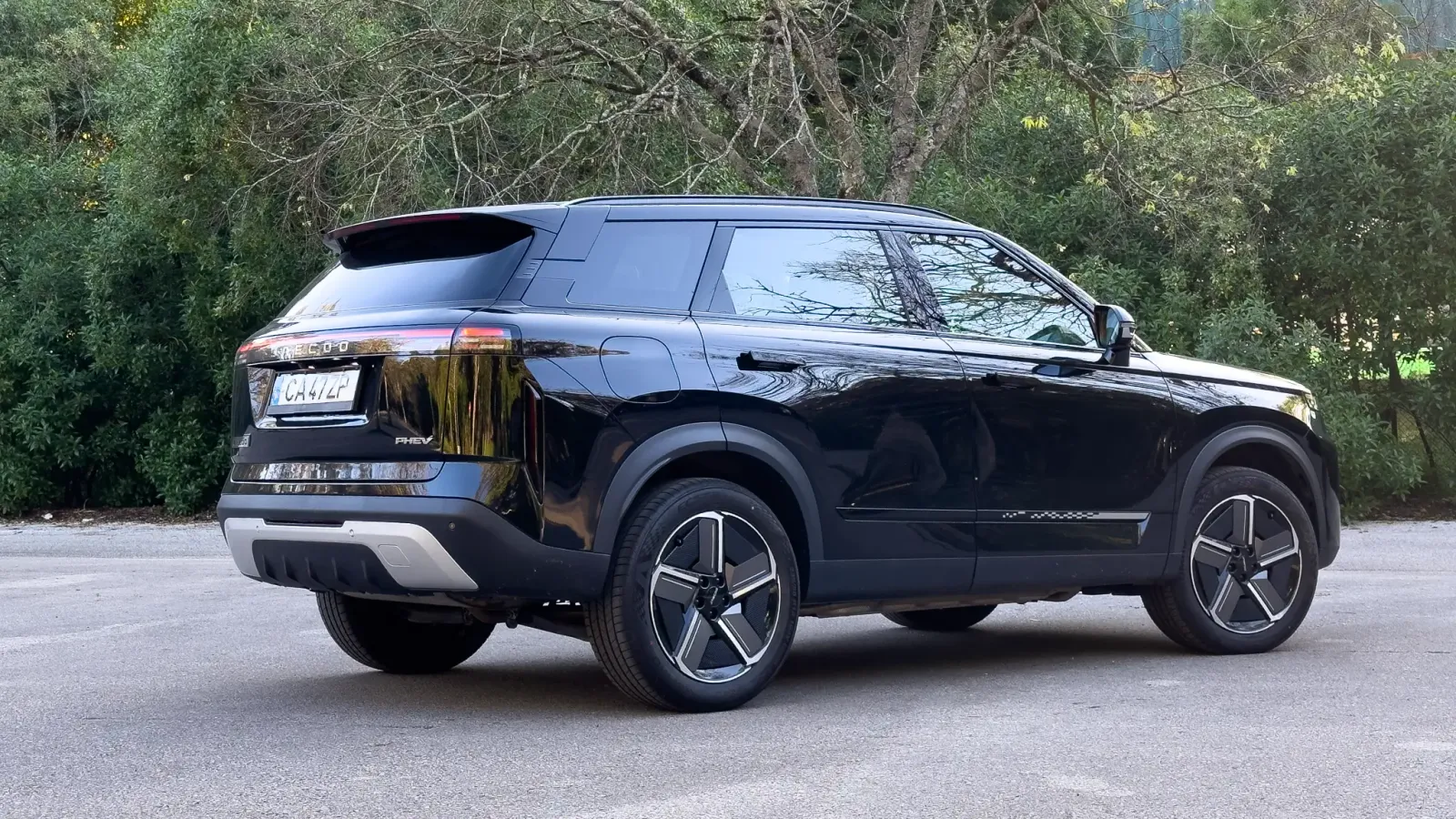
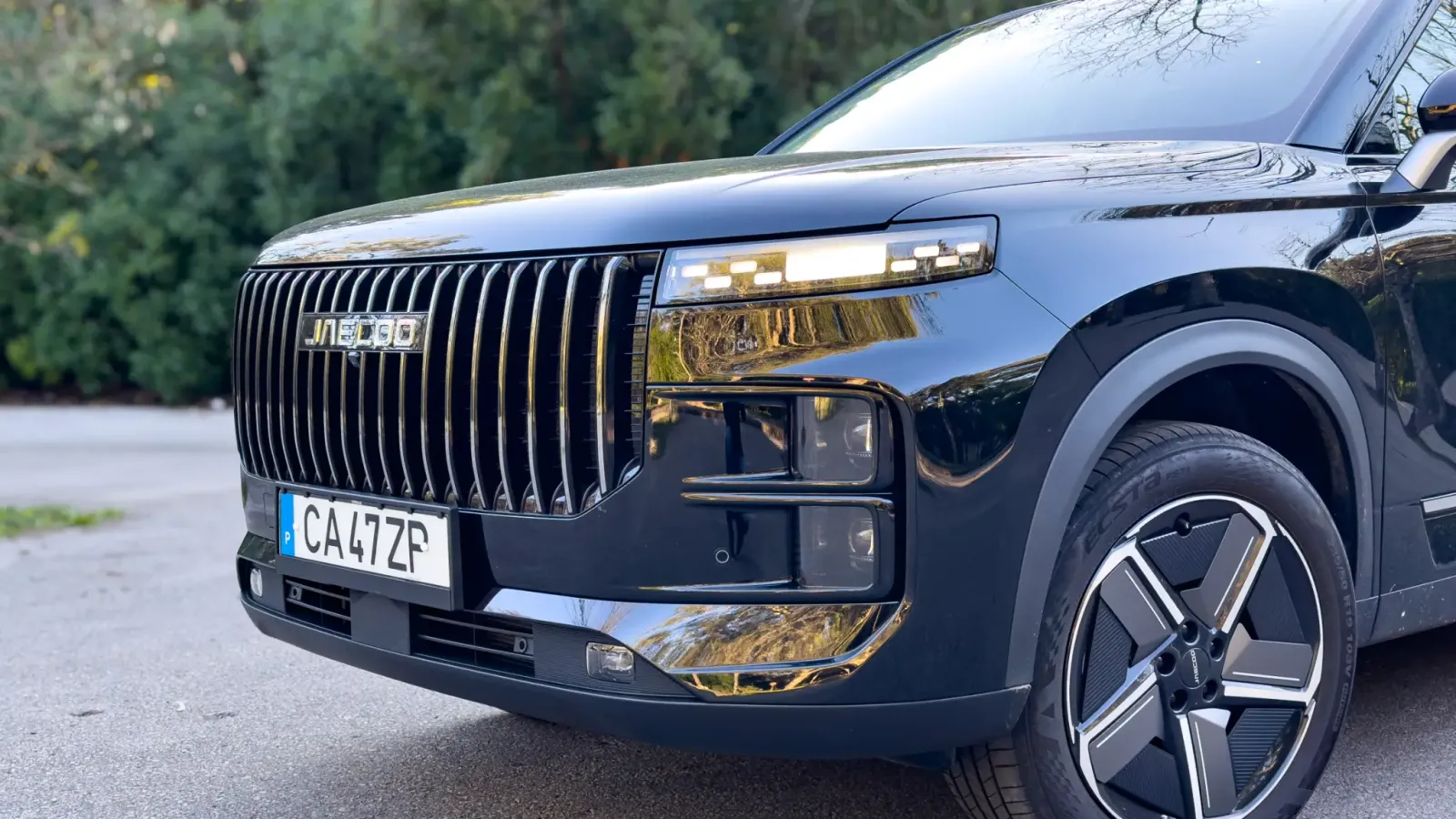
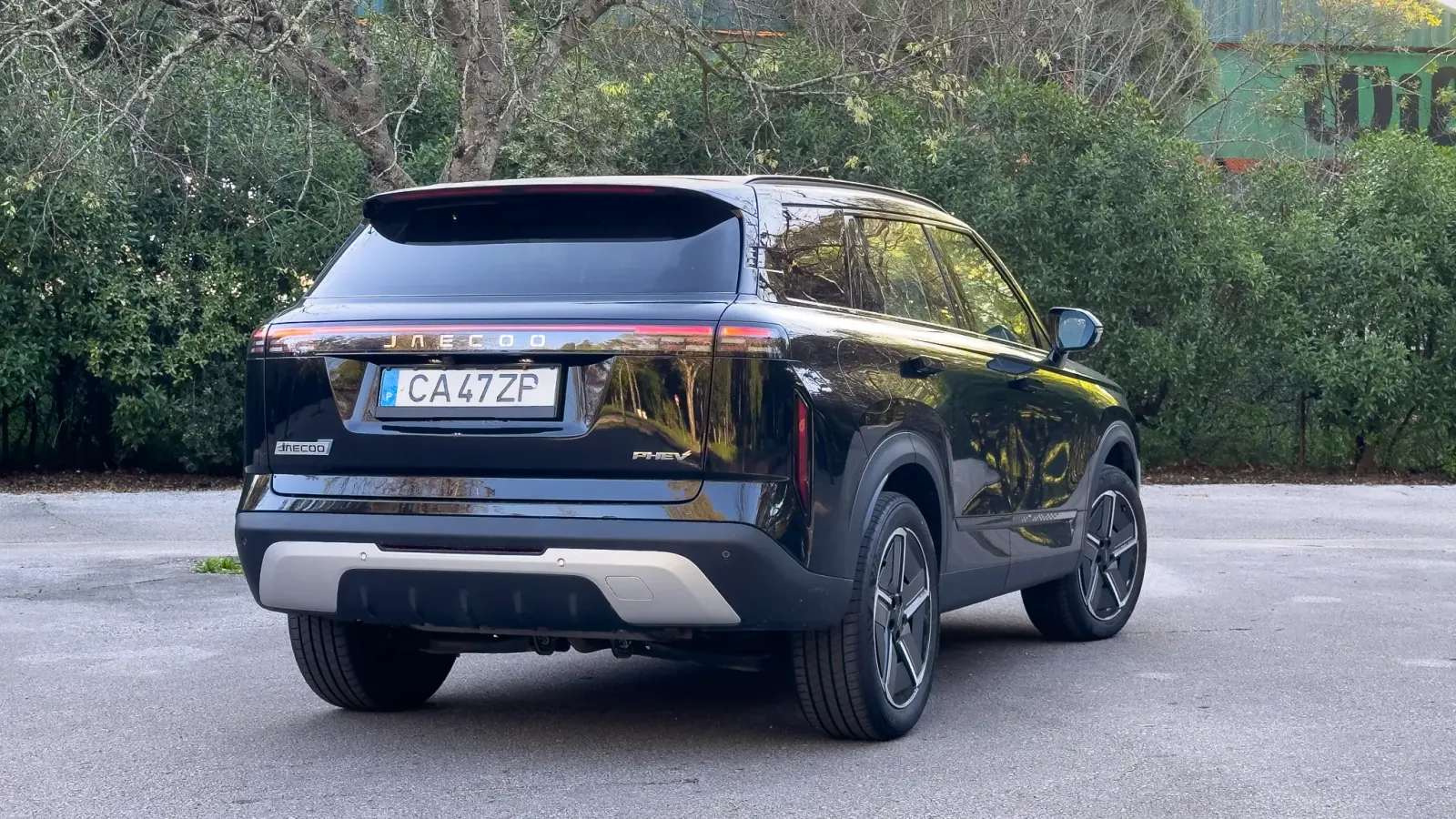
It’s not an outright copy, as we still see in some Chinese models, but there is an obvious similarity between the Jaecoo 7 and the British brand, especially in how horizontal and vertical lines organize elements in a design without any eccentric details.
3 images
However, to a more discerning eye, it lacks the proportions, surface detailing, and attention to precision found in the best Range Rovers.
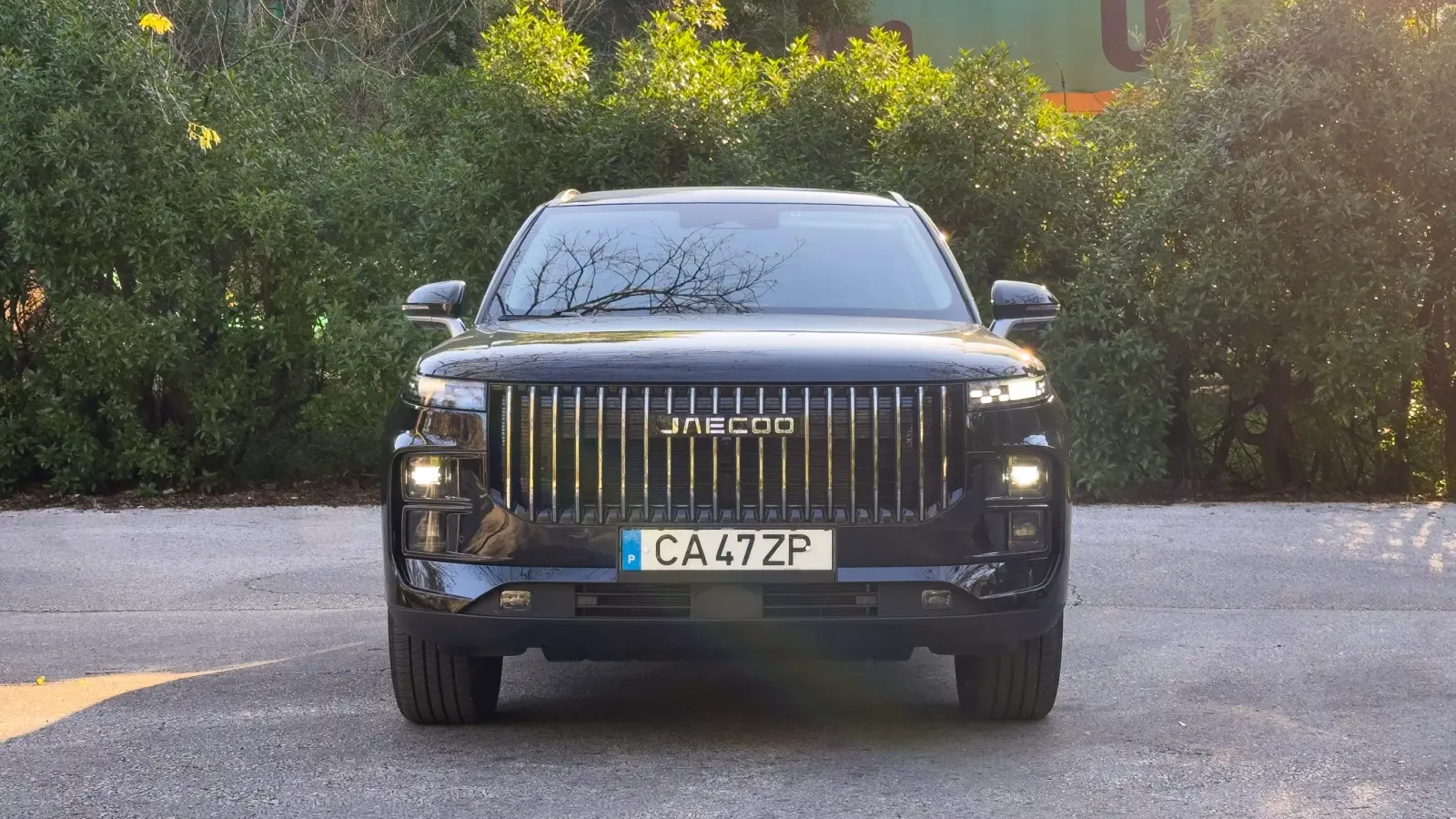
It doesn’t really matter to those who like what they see. The Jaecoo 7 doesn’t try desperately to stand out, nor does it fall into the anonymity of many of its competitors. It’s restrained, orderly, and has presence. Even the huge grille, the only element that is far from discreet, helps to add stature to an SUV that isn’t among the largest in its class.
I can easily understand why someone visiting a dealership might think they’re looking at a car that’s more expensive than it actually is.
38 900 euros explains a lot
The Jaecoo 7 SHS-P Select model tested costs 38,900 euros. It’s the entry-level version, but calling it a “base model” hardly seems fair.
Standard features include 19″ wheels, dual-zone climate control, LED headlights, a 540º panoramic camera, electrically adjustable front seats, a 14.8″ screen, navigation system, wireless Apple CarPlay and Android Auto, along with a long list of driving assistants. Optional? Only the color.
For an additional 2590 euros, the Exclusive version adds more equipment, some of which I missed: heated and ventilated seats, a head-up display, a Sony sound system, a 50 W wireless charger, a panoramic roof, and an electric rear door, among others.
Not to mention it has 279 horsepower, decent performance, and 90 km of electric range (combined WLTP cycle). It already costs over 40,000 euros, but it remains a very expensive car for that price.
The Volkswagen Tiguan eHybrid, which the Jaecoo 7 displaces from the plug-in hybrid podium, is about 10,000 euros more expensive. It has less power (204 hp), but offers more space and greater electric range. The Citroën C5 Aircross Plug-in Hybrid is closer in price and offers a better balance between comfort and driving performance.
The closest competitors actually come from China. The MG HS PHEV and Changan Deepal S05, which we have tested already, use similar strengths.
An anonymous interior, but convincing on multiple levels
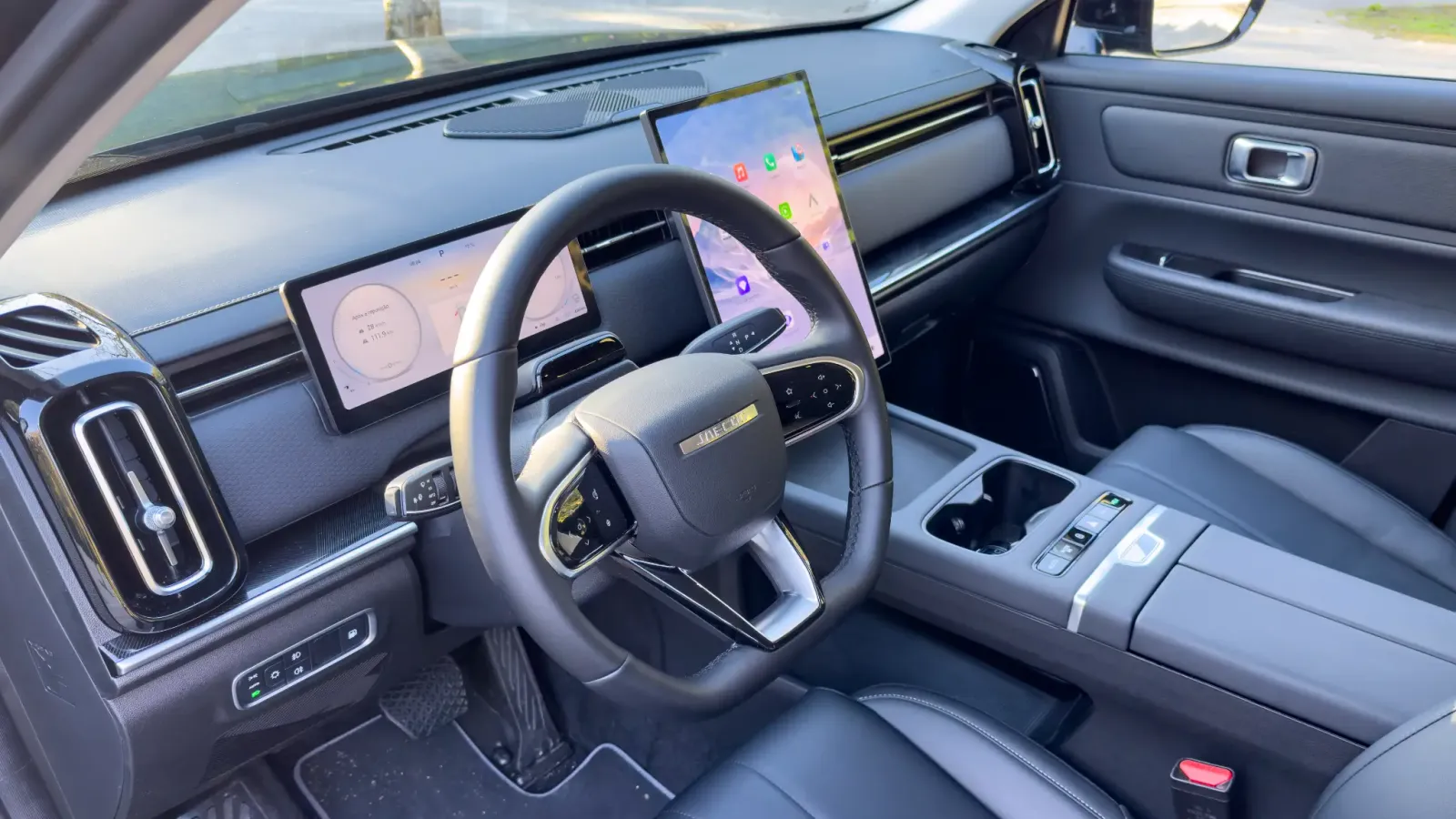
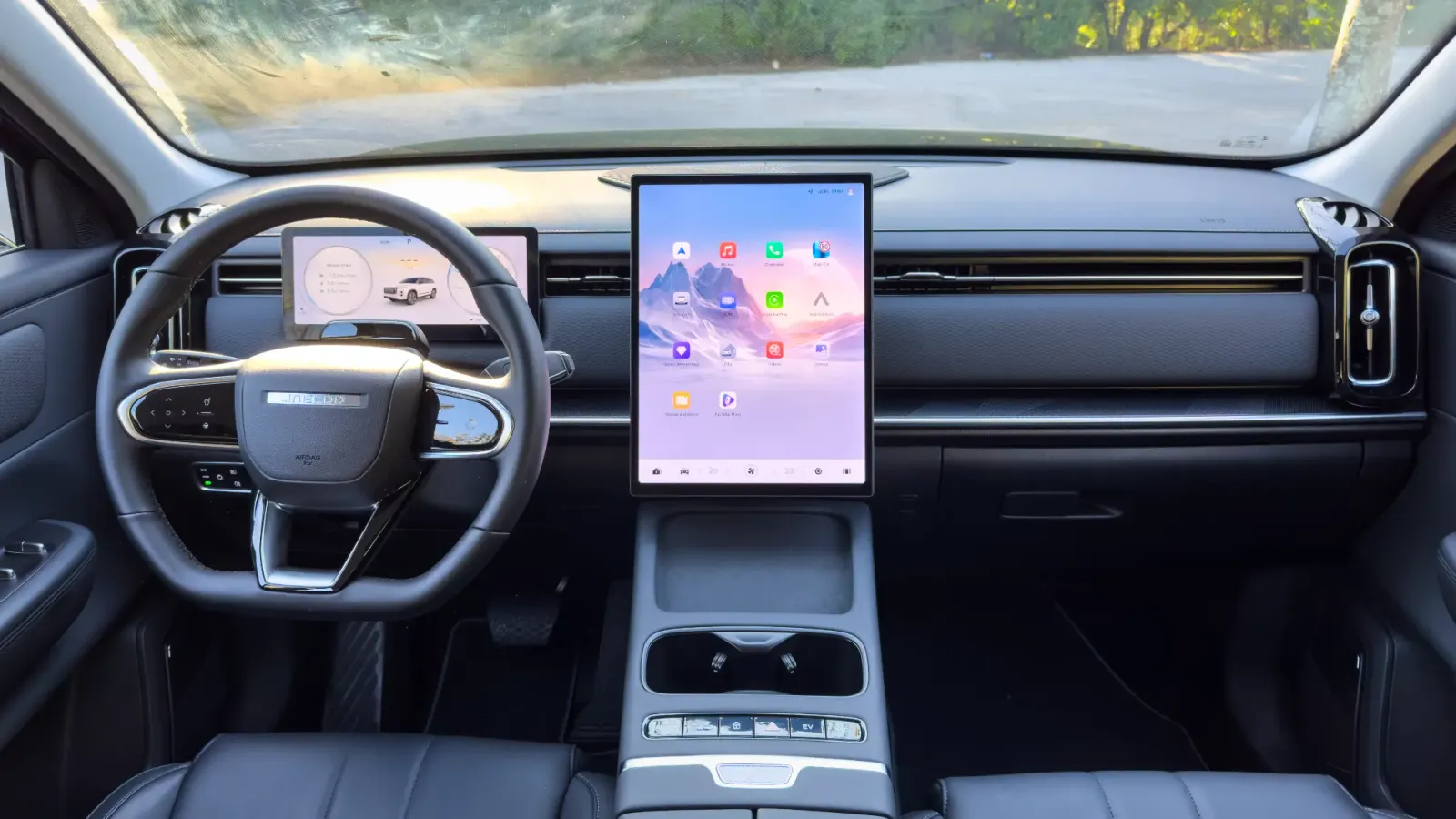
The interior delivers a good first impression. Unfortunately, its design is very similar to that of many other Chinese models, but the trims on the upper part of the dashboard and doors are pleasant, and the build quality appears robust.
There’s also plenty of space. Plenty of legroom in the second row, with seat backs that can be adjusted to two positions and their own ventilation outlets.
But the trunk is hard to justify: 340 liters is insufficient for an SUV that’s 4.5 meters long, nearly 1.9 meters wide, and almost 1.7 meters tall. The new Volkswagen ID. Polo, which is almost half a meter shorter, offers an extra 100 liters of capacity. At least there’s a false floor to store charging cables.
5 images
There are things that shouldn’t be on the screen.
In the typical Chinese style, the Jaecoo 7 has few physical controls, leaving us overly dependent on the central screen.
That said, Jaecoo seems to have copied from the best. The interface is fast and logical, reminiscent of Tesla’s — adaptation becomes quicker — but the concentration of functions hinders usability. Still, I don’t understand why adjusting a mirror requires opening a menu or submenu.
3 images
It’s also annoying to have to turn off some of the driving aids every time we start the car. A physical button to silence and/or turn them off would solve much of this frustration. If we have it in a Dacia, why not in others?
In contrast, the steering wheel has a configurable button that turned out to be quite useful. You can’t turn off the assist features, but I configured it to switch between the three regeneration levels, reducing the need for frequent interactions with the screen and its menus. Levers behind the steering wheel would work even better.
The hybrid system is more interesting than it seems
In Portugal, the Jaecoo 7 is only available as a plug-in hybrid. It combines a 1.5-liter turbocharged gasoline engine with two electric motors and an 18.3 kWh BYD LFP battery. The similarities to other plug-in hybrids end here.
It doesn’t have a conventional gearbox but rather a DHT (Dedicated Hybrid Transmission) that integrates the two electric motors (one as a generator and the other for propulsion), along with gears and clutches. It has only one gear ratio.
This transmission enables the Jaecoo 7 to operate as a fully electric vehicle (with the combustion engine turned off); in series hybrid mode (the thermal engine acts only as a generator and is not connected to the wheels); in parallel hybrid mode (the thermal engine and electric motor work together to drive the wheels); and in direct drive mode (only the combustion engine is connected to the wheels).
The DHT automatically manages these transitions. It functions similarly to Honda’s e:HEV system, except that it has a much larger battery. Like that system, at higher cruising speeds, only the gasoline engine (143 hp) is connected to the wheels because it is more efficient than generating electricity for the electric motor.
How much does it cost? Good question.
The gasoline engine in the Jaecoo 7 has a thermal efficiency of 44.5% — one of the highest in the world, exceeding the 40-41% efficiency of engines used by Toyota in its hybrids and matching that of some diesel engines — which made me very curious about its fuel consumption when the battery is depleted.
Firstly, in real-world conditions, it can achieve 70-80 km of pure electric range, below the official 90 km figure, but sufficient for many people’s daily commutes.
Secondly, the battery never truly “runs out.” When it drops below 20%, the gasoline engine steps in to maintain a reserve, and we can even force it to charge the battery by avoiding plugging in the Jaecoo 7.
How much does it consume under these conditions with low battery? I can’t give an exact answer. For some unexplained reason, the Jaecoo 7’s onboard computer only allows viewing of the last 50 kilometers traveled, forcing me to check it frequently.
I repeatedly saw readings around 5.5 l/100 km, which is quite good, below the 6.0 l/100 km listed in the WLTP fuel economy mode. A definitive confirmation would have to be done the old way: by comparing liters consumed with kilometers traveled, which I didn’t get the chance to do.
On the road is where the Jaecoo 7 falls short
First, the good news. Despite its complexity, the hybrid system operates very smoothly. You need to be attentive to notice when it switches modes or when the internal combustion engine comes online.
It also seems faster than the 8.5 seconds from 0 to 100 km/h would suggest. Since we can only access the 279 hp under certain conditions, most of the time it’s just the 150 kW (204 hp) electric motor driving the nearly 1900 kg vehicle, which explains the modest acceleration. But the immediate response and the absence of gear shifts create a sense of greater speed.
However, when we demand more from the car, its biggest limitations become apparent. I didn’t expect a sports car, obviously, but this family SUV falls far short of its European competitors.
The steering is always very light and vague, seemingly disconnected from the wheels. The chassis moves more than expected, and the front axle loses traction relatively easily when we press the accelerator harder. Its behavior is never unpredictable or unsafe, but it simply doesn’t inspire driving pleasure.
The strangest thing is that, despite its gentle handling, the Jaecoo 7 lacks a strong advantage in terms of comfort. It handles minor imperfections well at low speeds, but there are other situations where it surprisingly reacts stiffly. The driver’s seat could also use more leg support.
It picks up some points on the highway. It’s stable and quiet, with aerodynamic and rolling noises well controlled. There are also additional positives in terms of the brake pedal feel, which provides a smooth transition between regenerative and hydraulic braking. We can even set the brake pedal sensitivity to two levels... just like a BMW M3.
At the end of this test, it felt as though the Jaecoo 7 could benefit from additional development work by European engineers.
I understand the success, but it doesn’t explain everything
Jaecoo 7 SHS-P Select
7/10
It remains a relatively unknown name, but the impact the Jaecoo 7 already has on plug-in hybrids in Europe is quite significant. After spending a few days behind the wheel, I better understand why it’s winning over so many buyers so quickly. Few competitors offer as much for the same price, and if its design makes it appear more expensive than it really is, that’s even better. The efficient hybrid system also deserves praise, but it falls short in many areas, from steering and handling to trunk space and certain ergonomic choices.
Pros
Price and equipment
Perceived quality
Cabin comfort
Softness and efficiency of the hybrid system
Cons
Steering and handling
Trunk space
Ergonomics of some functions
Instrument cluster
Technical specifications
Base version: 38,900€
IUC: 148€
Euro NCAP rating:
5/5
38,900€
Price per tested unit
Architecture: Engine type: 4-cylinder in-line; 2 electric motors
Capacity: 1498 cm³
Position: Engine type: front-mounted, transverse; Electric motors: front-mounted, transverse
Fueling: Engine type: direct injection, turbocharged with intercooler; Electric motors: 18.4 kWh LFP battery (usable capacity)
Valve distribution: Engine type: 4 valves/cylinder (16 valves total)
Power:
Engine type: 143 hp at 5200 rpm
Electric motor 1 (generator): 60 kW (82 hp)
Electric motor 2 (traction): 150 kW (204 hp)
Maximum combined power: 205 kW (279 hp).
Torque:
Engine type: 215 Nm at 2500 rpm
Electric motor 1: Not specified
Electric motor 2: 310 Nm
Maximum combined torque: 365 Nm.
Traction: Front-wheel drive
Transmission: Automatic: DHT (Dedicated Hybrid Transmission) with a ratio of
Length: 4500 mm
Width: 1865 mm
Height: 1670 mm
Wheelbase: 2672 mm
Trunk capacity: 340-1265 liters
Wheels/Tires: 235/50 R19
Weight: 1870 kg
Average fuel consumption: 0.7 l/100 km (6.0 l/100 km with load); Electric range: 90 km
CO2 emissions: 23 g/km
Top speed: 180 km/h
Maximum acceleration: >8.5s