
TEST: VW ID. Polo, real range of 331 kilometers at 90 km/h, 251 kilometers at 120 km/h [Nyland]. Cold weather + winter tires
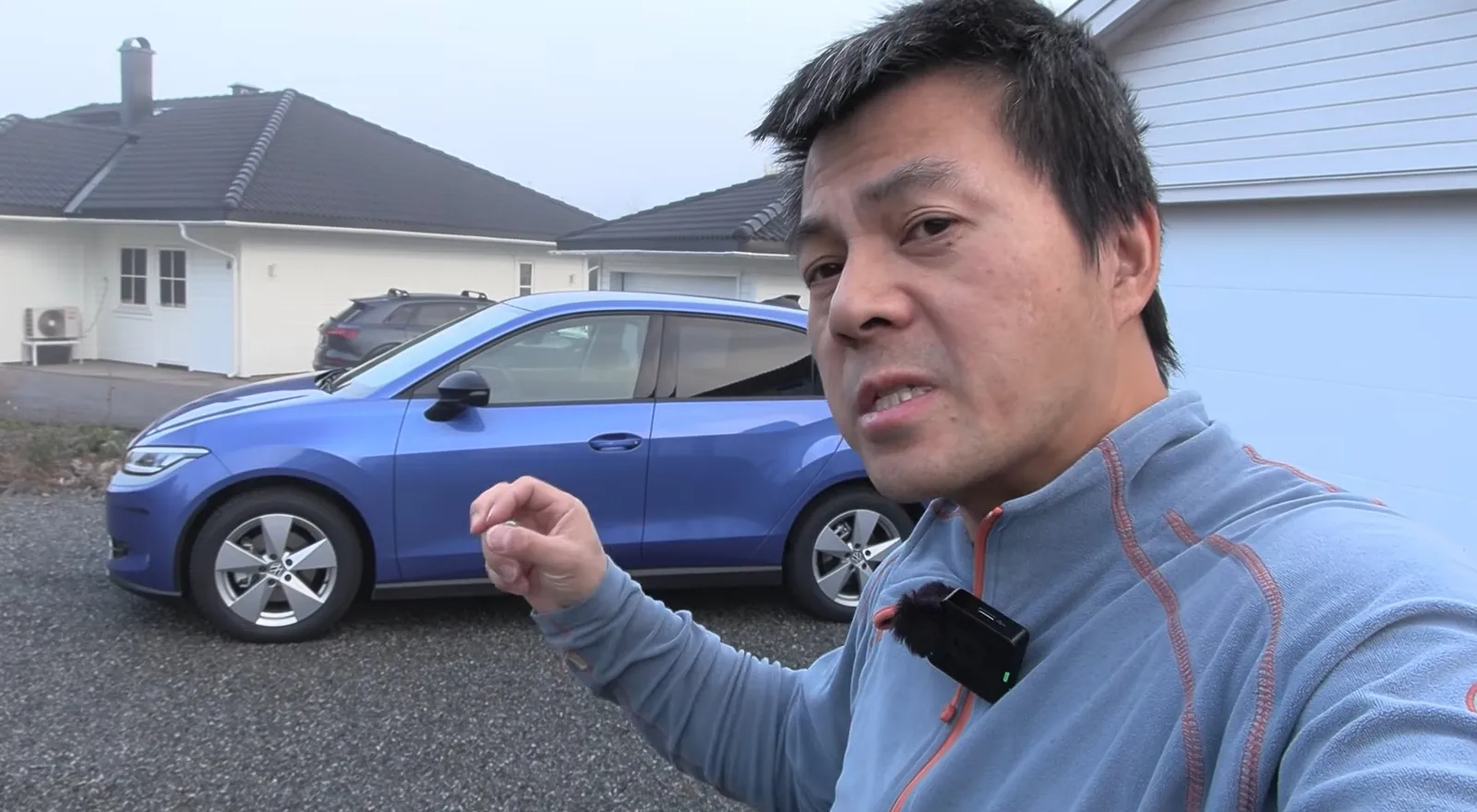
Bjorn Nyland tested the Volkswagen ID. Polo 52 kWh version, which features a battery with a total capacity of 55 kWh and a usable capacity of 51.7 kWh. The car’s actual range at low temperatures was 331 kilometers at 90 km/h, suggesting good performance during spring and summer driving conditions. The YouTuber praised the vehicle for its solid engine performance with 155 kW/211 HP, as well as its properly tuned suspension in German style—neither too soft (like cars from China) nor too stiff (like many Teslas).
Volkswagen ID. Polo’s range at low temperatures
Table of contents
Volkswagen ID. Polo’s range at low temperatures
Measured range
As usual, the interesting details appeared right from the start. The car fully charged showed a range of 374 kilometers and 50.8 kWh of energy available to the driver. On the retro-style dials, the power consumption indicator (formerly the tachometer) moved across the scale with similar inertia, but Nyland quickly changed their appearance to a modern version because he said it gave him a better view of the situation and he liked the speedometer as a number. He appreciated the slowly moving digits or the changing amount of tape on the cassette reels, but he didn’t keep that setting.
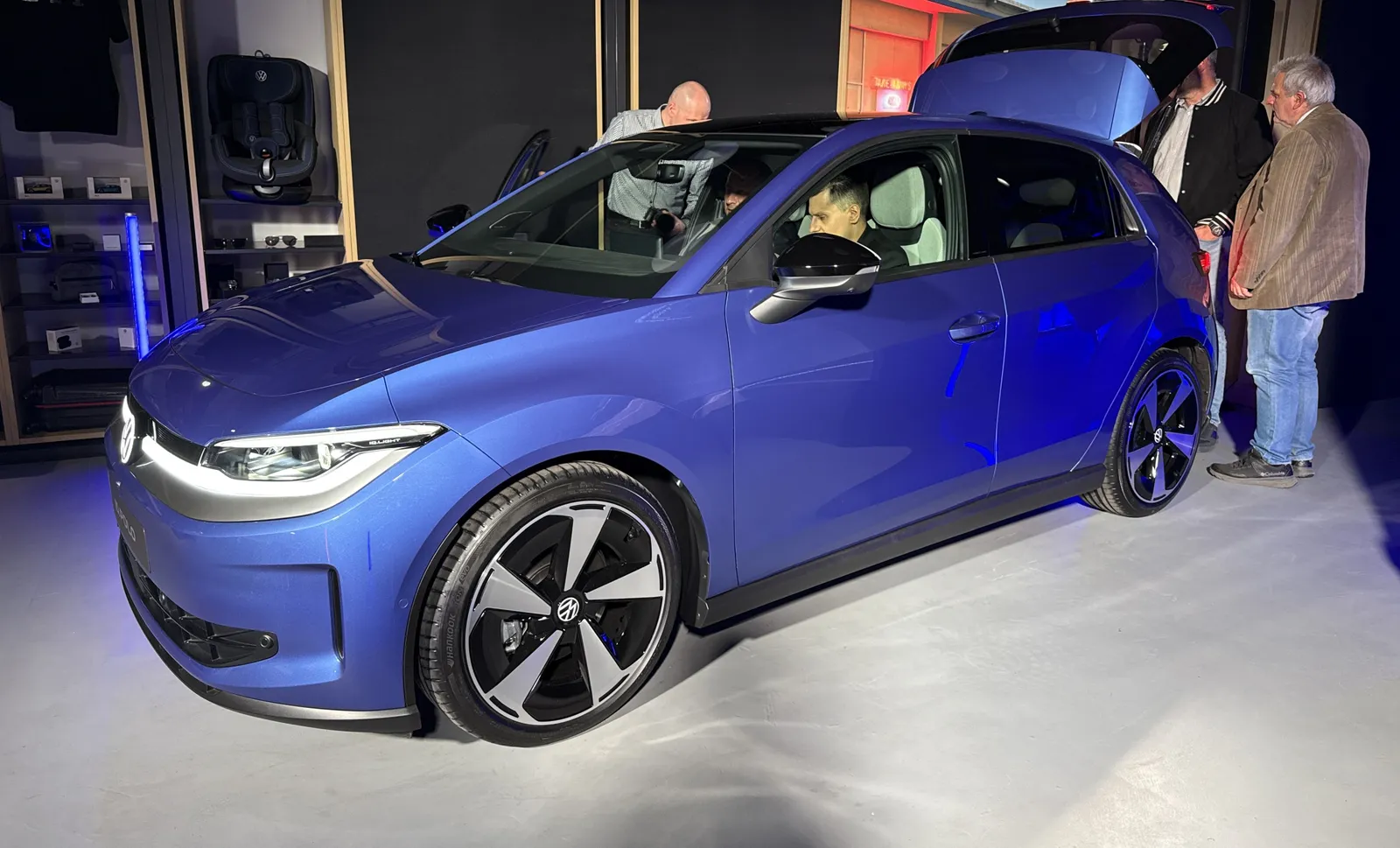
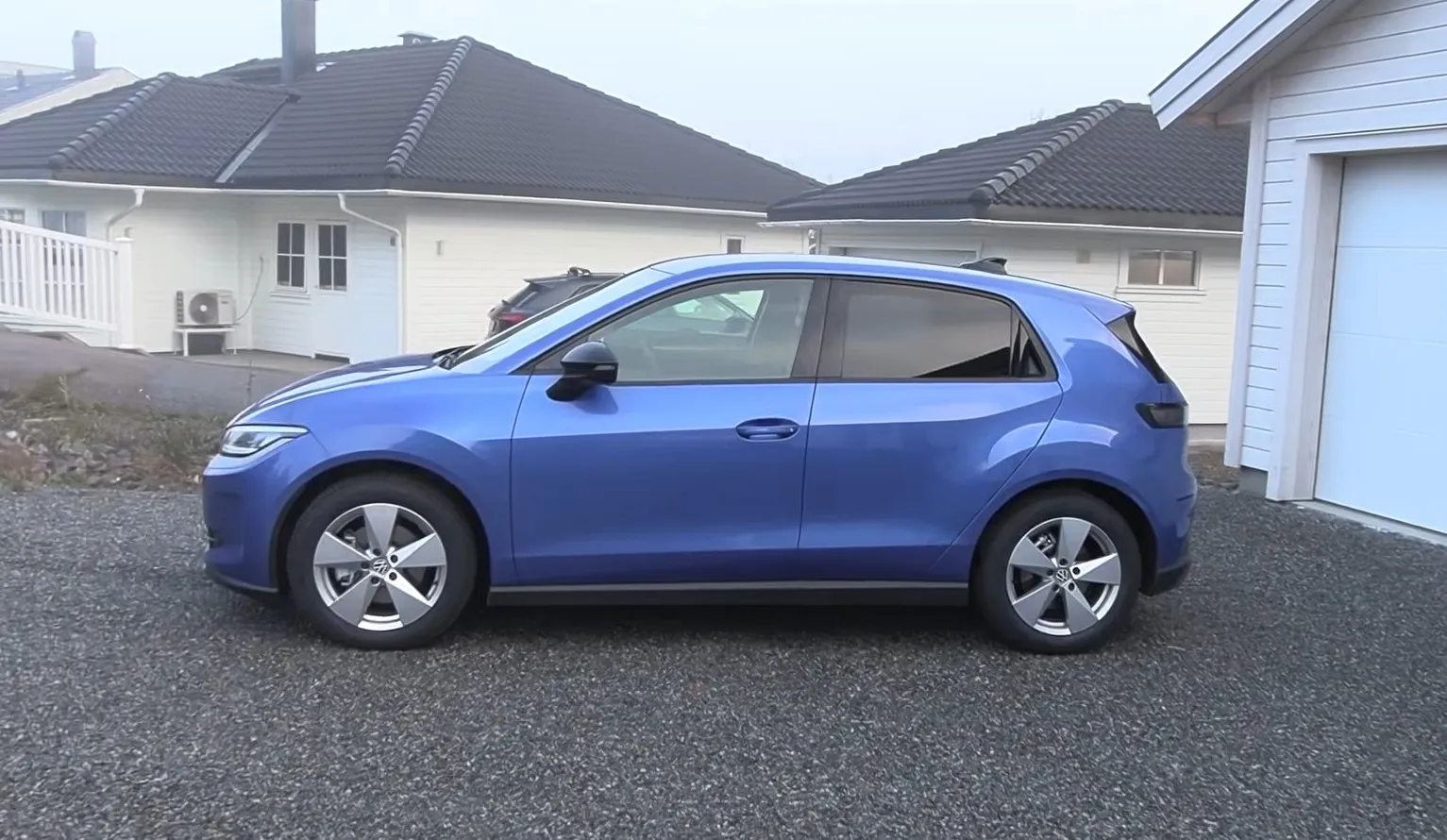
The Volkswagen ID. Polo had larger wheels and summer tires during its Polish presentation
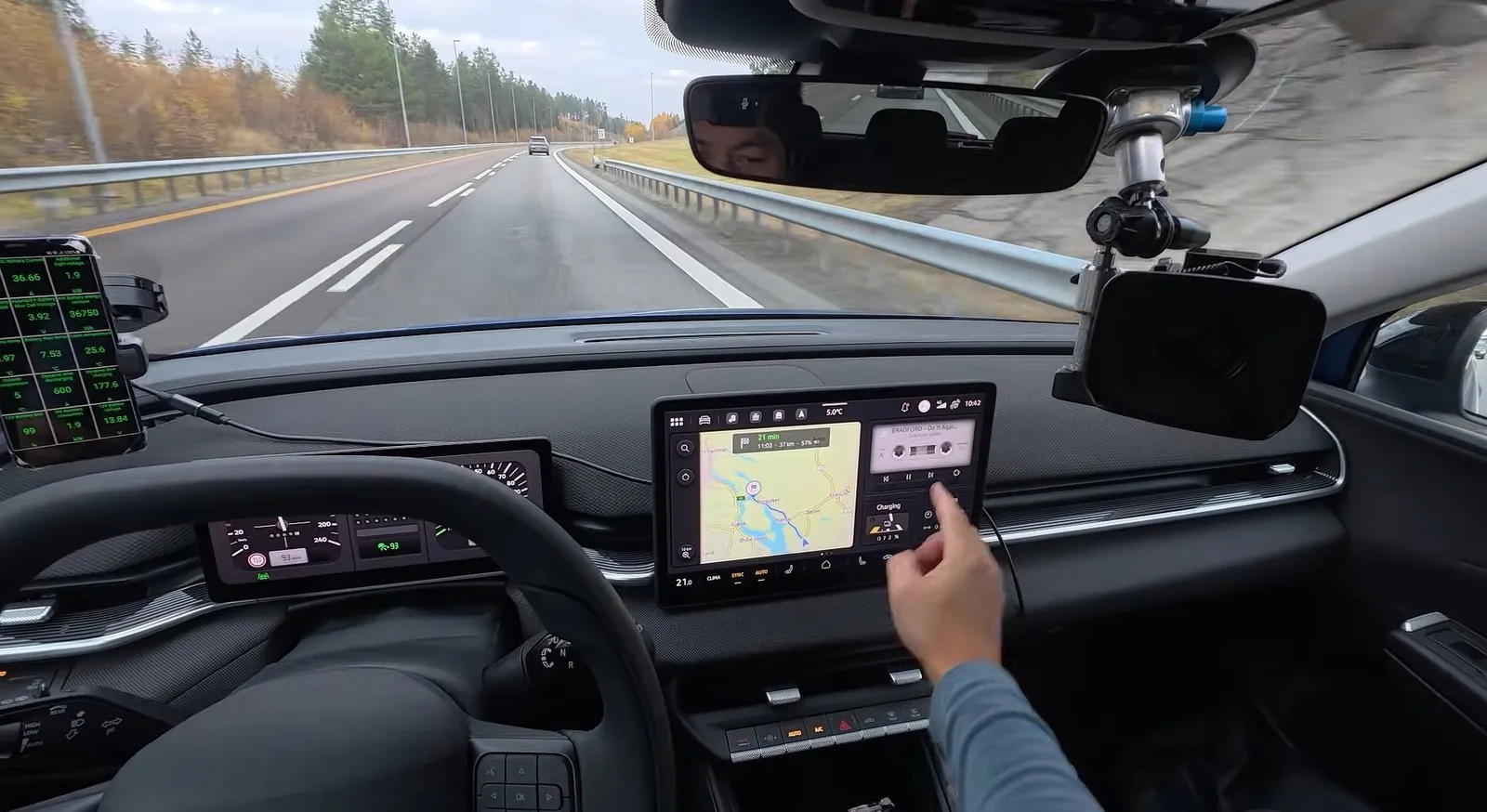
Retro-style dials and central display. Note the amount of tape on the reels (c) Bjorn Nyland / YouTube
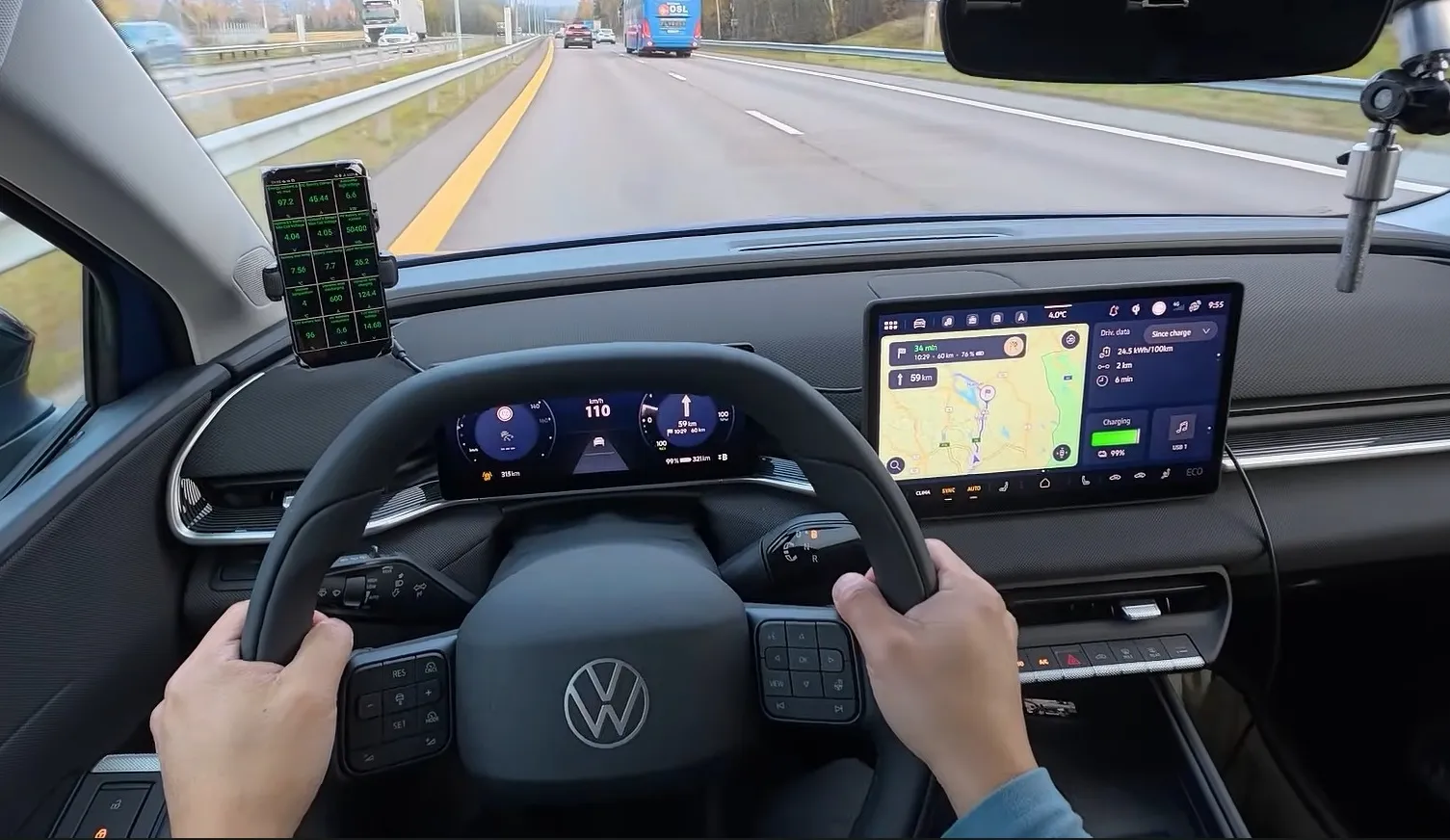
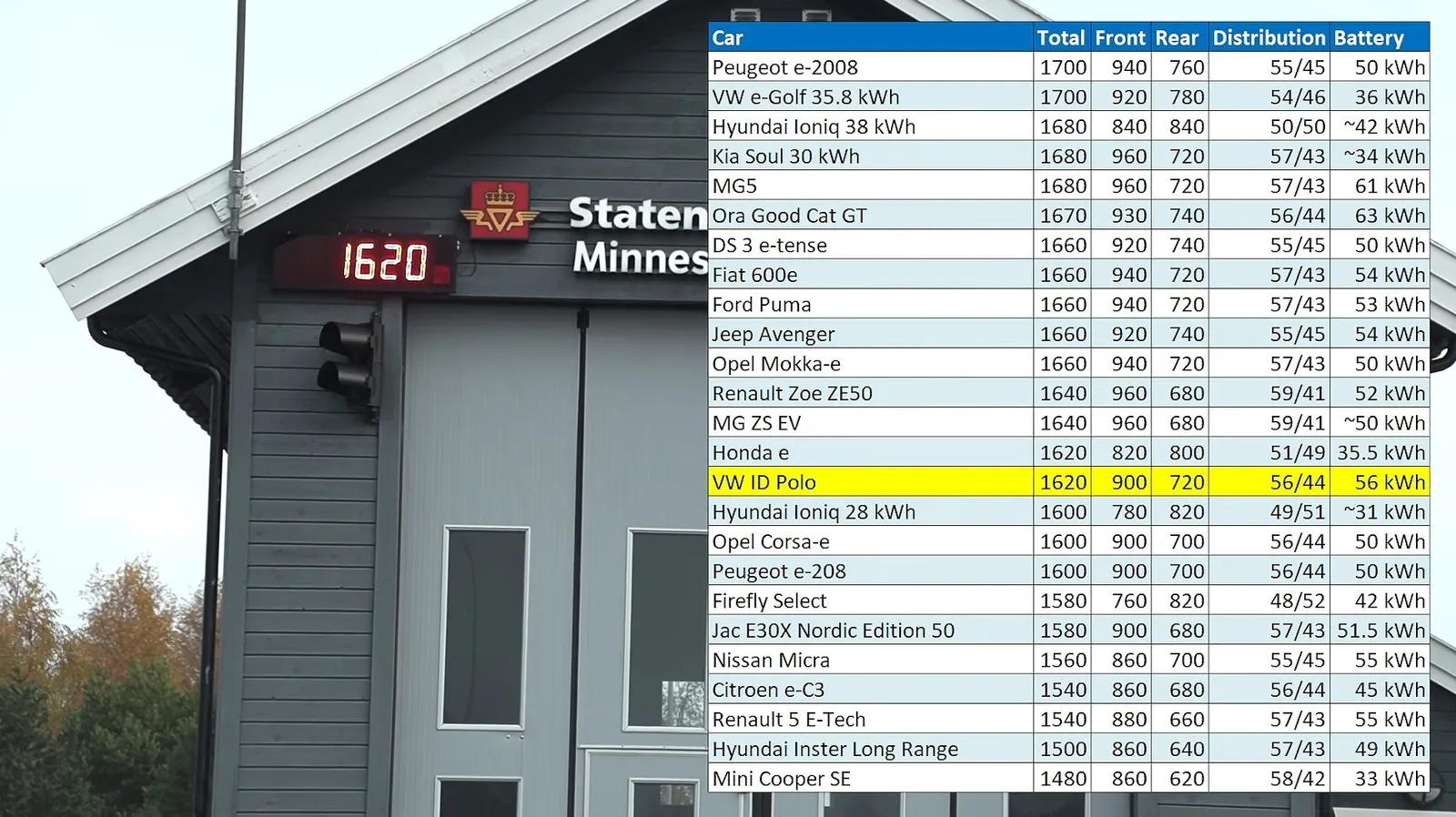
The car was equipped with 17-inch wheels and winter tires, with an outside temperature of 4-7 degrees Celsius, indicating a mild winter condition. The weight of the VW ID. Polo with the largest battery (and driver) was 1.62 tons, roughly the same as competitors’ models (see illustration above). The car lacked an autopilot or electrically adjustable driver’s seat but had navigation with charging stop recommendations. Above 110 km/h, the cabin became quite noisy, as heard during a gentle downhill drive (around minute 13).
Measured range
The actual range of the VW ID. Polo under these conditions was (numbers not in bold = calculations by Elektrowozu’s editorial team):
331 kilometers at 90 km/h with the battery fully discharged.
298 kilometers at 90 km/h with the battery at 10 percent charge,
199 kilometers at 90 km/h [or in city driving] with an 80-20-80 percent battery usage range,
251 kilometers at 120 km/h with the battery completely drained [the test was quite short, covering just over 60 kilometers – editor’s note],
226 kilometers at 120 km/h with the battery at 10 percent charge,
176 kilometers at 120 km/h with an 80-10-80 percent battery usage range.
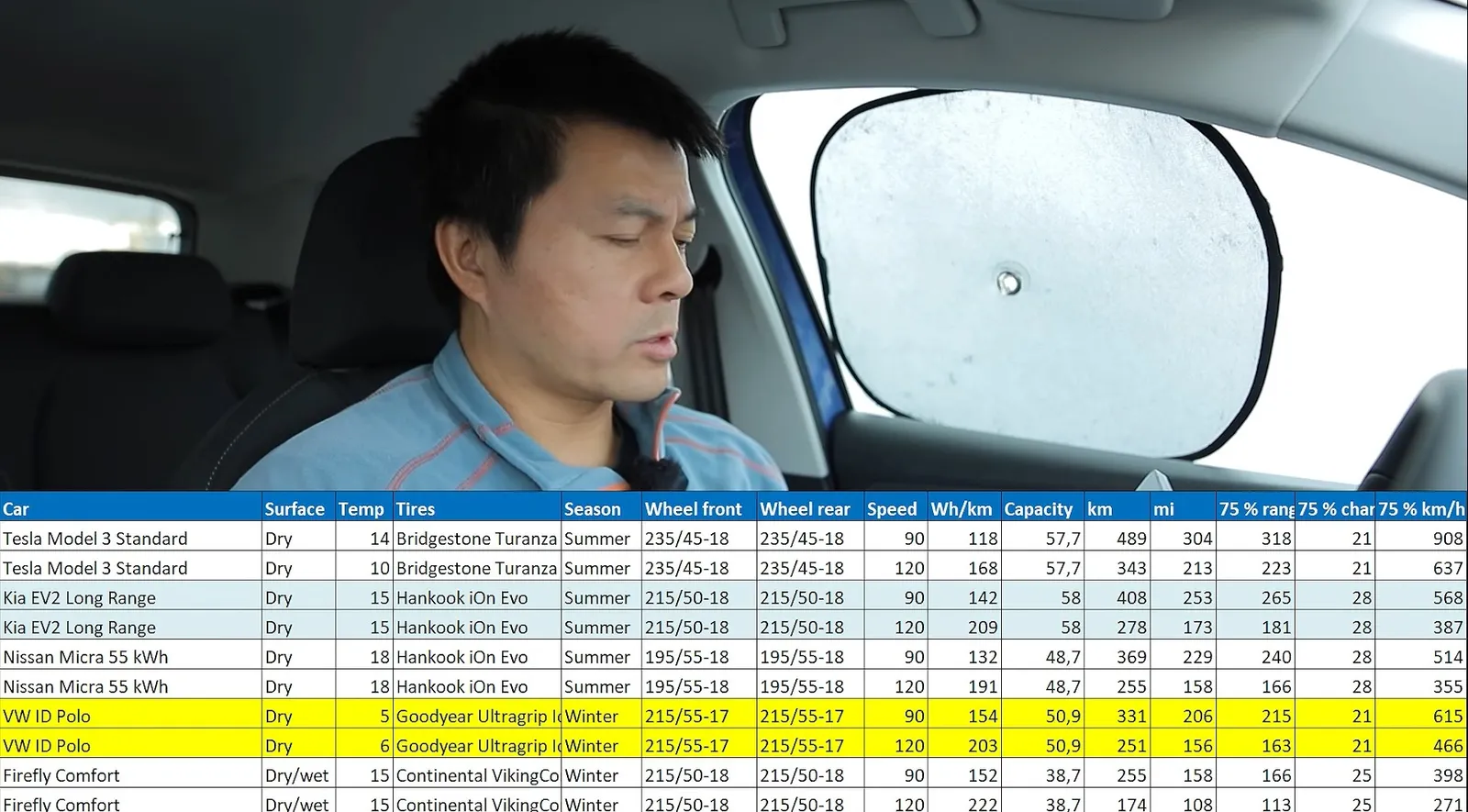
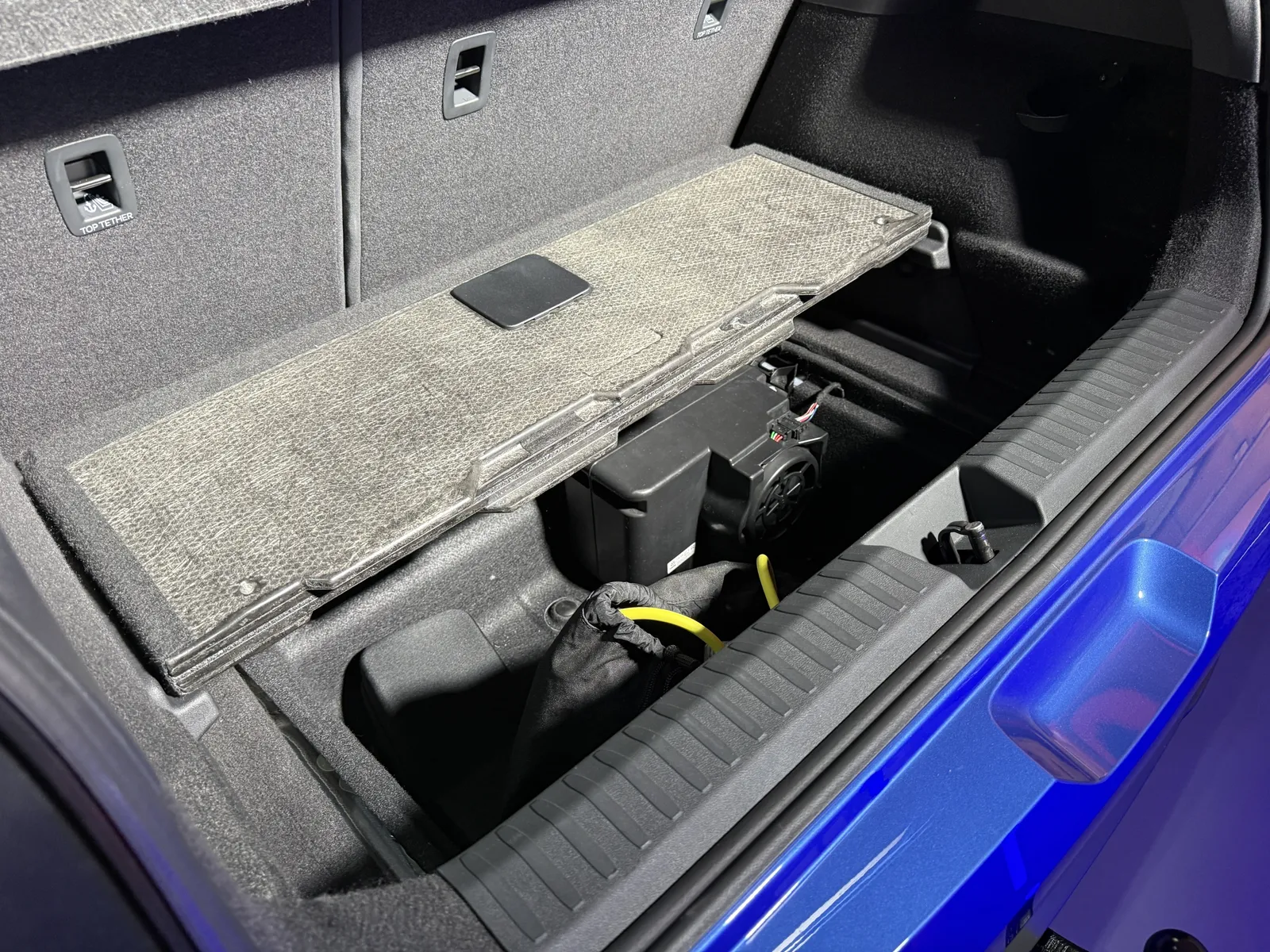
Traveling to the coast via expressways would require two to three stops for charging, especially under these conditions. But for city driving and covering, say, 40 kilometers per day, the Volkswagen ID. Polo wouldn’t need to be charged for five working days. It could therefore be plugged in once a week, during major weekend shopping trips. The ID. Polo’s trunk capacity of 440 liters also supports this strategy. According to Nyland’s tests, the Kia EV2 Long Range currently performs best in this segment.
Worth checking out:
Article rating
Reader ratings
[Total: 4 votes Average: 5]
Don’t miss new content—CLICK and FOLLOW Elektrowoz.pl on Google News. You might also be interested in the following ads: