
TEST: Volvo EX60 P10 AWD, real-world range: 526 km at 90 km/h, 379 km at 120 km/h [YouTube, Nyland]. We’re still waiting for the EX60 P12…
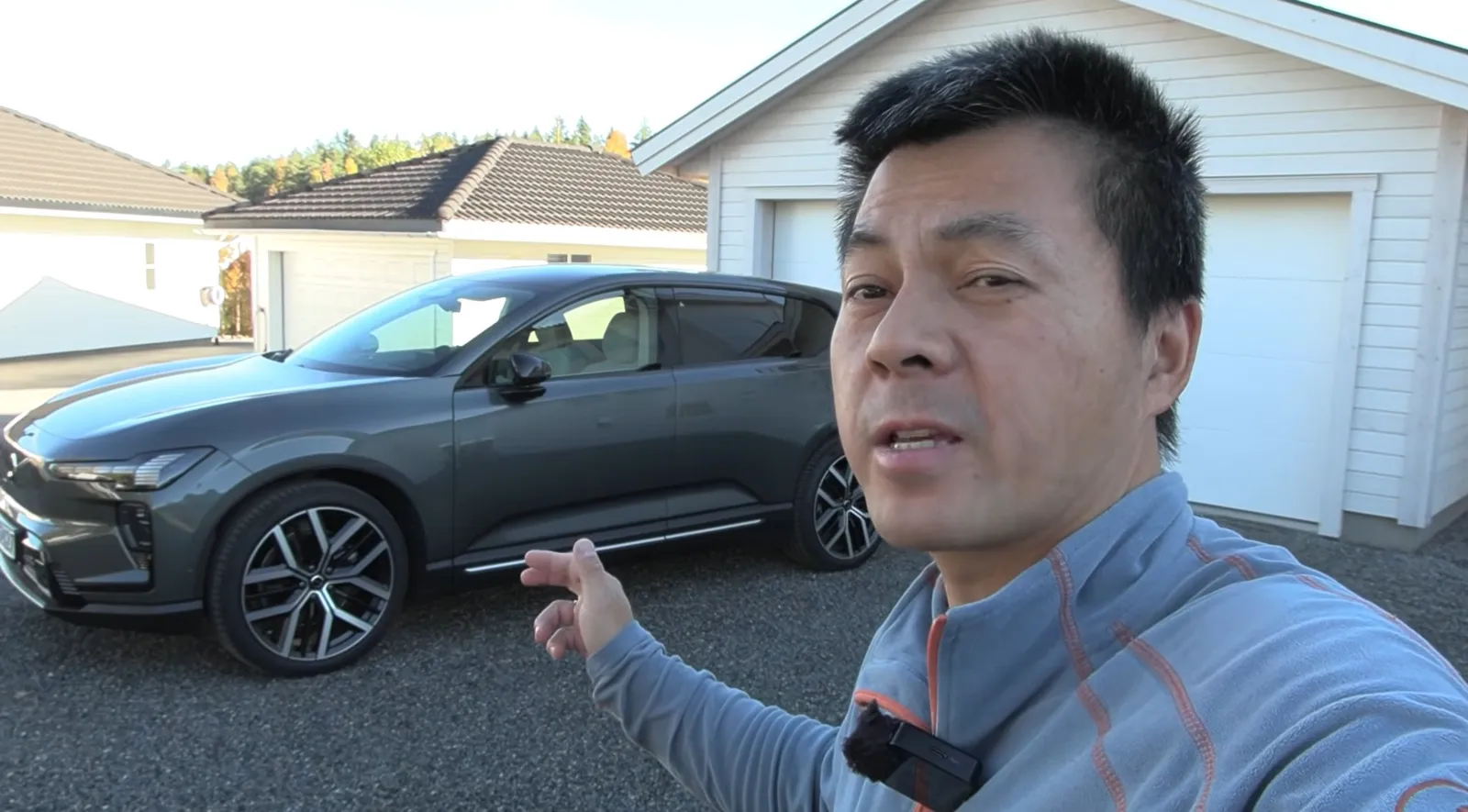
Bjorn Nyland tested the Volvo EX60 P10 Twin Ultra AWD version with a 95 (~90) kWh battery to determine the vehicle’s actual range. His measurements showed that the usable battery capacity was slightly over 88 kWh instead of the promised 90-91 kWh, and that at 120 km/h the car could only travel 379 kilometers before its battery died, meaning it would need to be charged after about 350-360 kilometers. This is a poor result for this class.
Volvo EX60 P10 Twin Ultra AWD up close
Volvo cleverly handled the launch of its new model: during the presentation, it unveiled the Volvo EX60 P12 AWD, an edition equipped with a 117 (~112) kWh battery and a record WLTP range of 810 kilometers, surpassing the offerings of the BMW iX3 at the time. Global media was thrilled by it, covering it at length and competing to highlight these specifications in their headlines and introductions. The problem with the P12 variant is that... it doesn’t exist. Nearly a year after the launch, the configuration tool still shows a waiting time of over 12 months for the vehicle, even though deliveries were promised “by the beginning of 2027.”
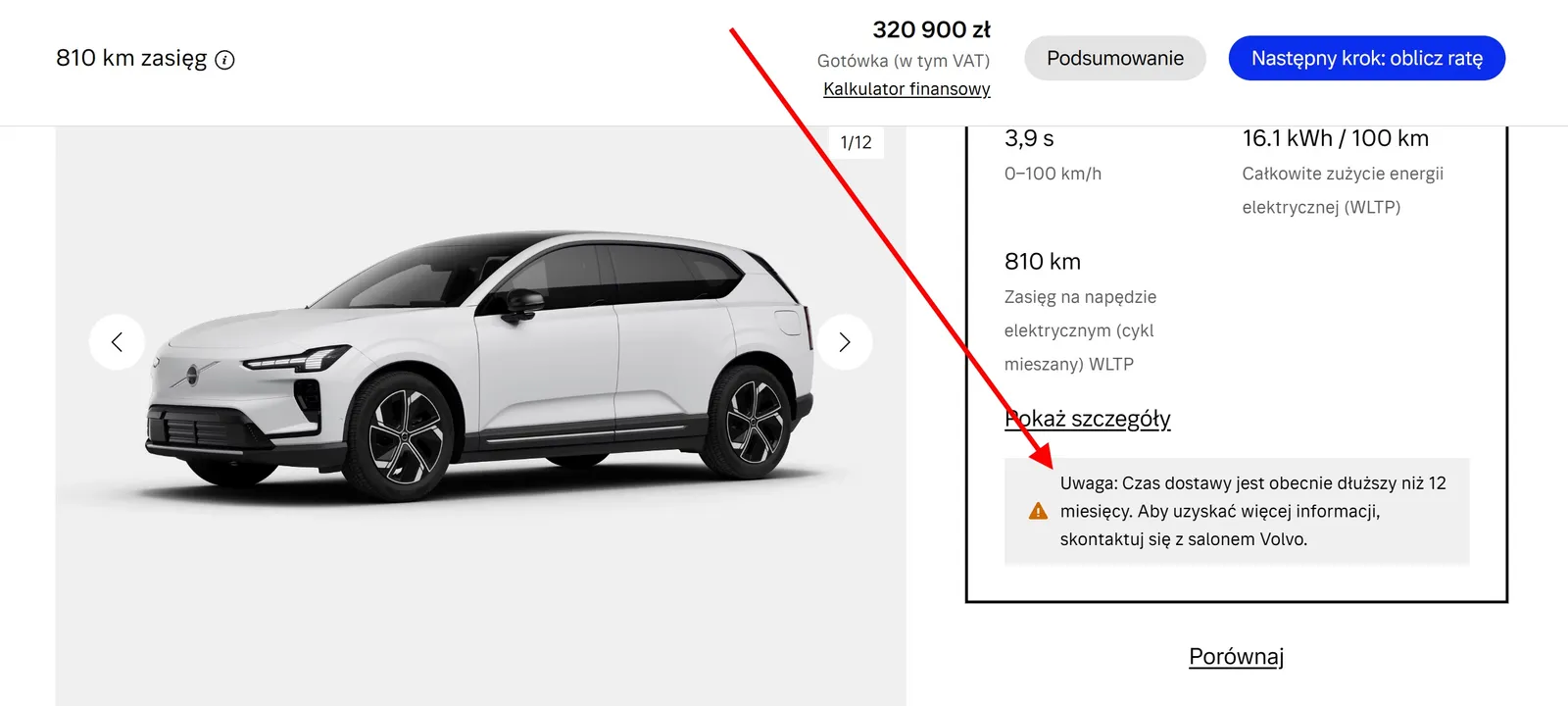
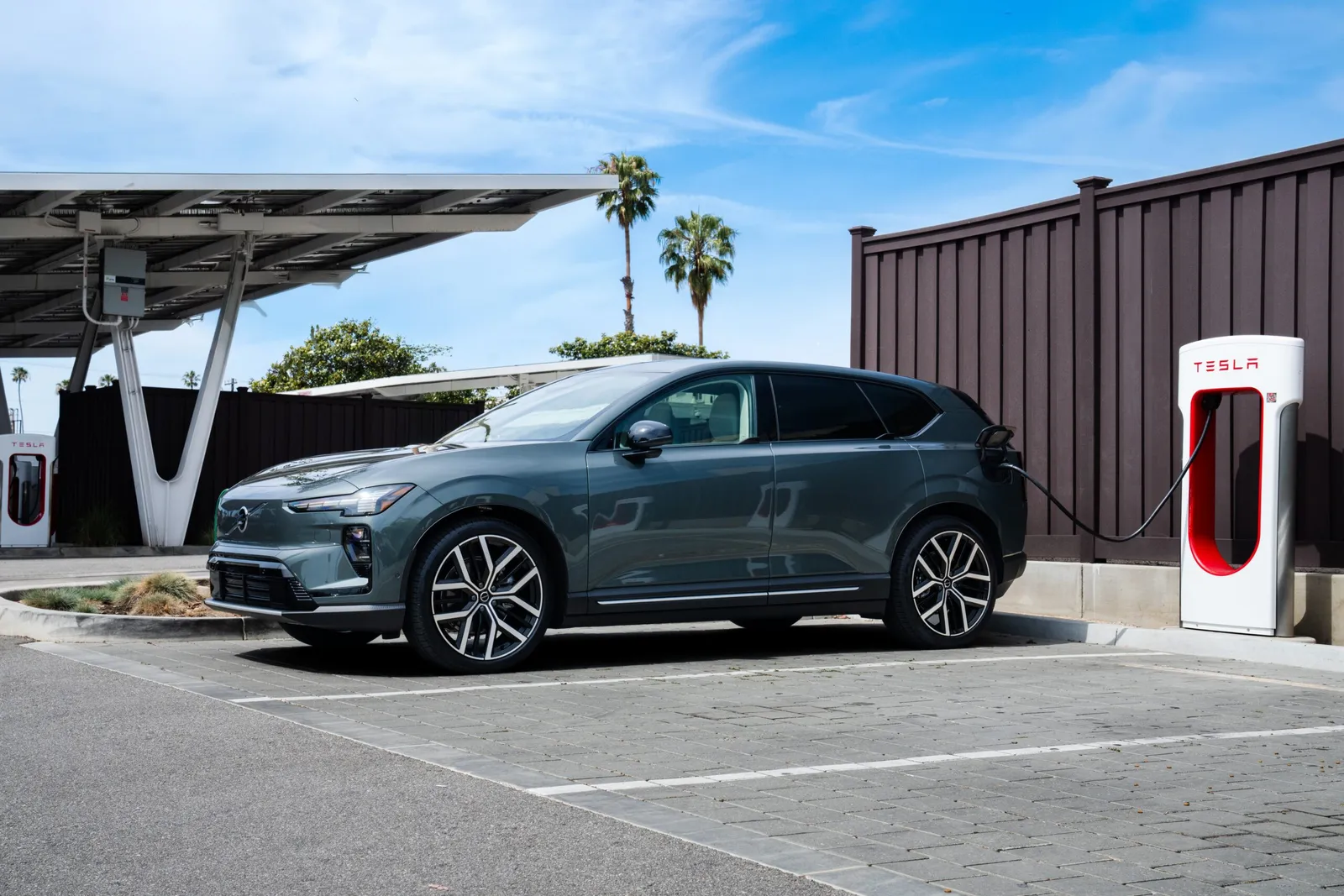
The model available for purchase and the closest version to the P12 is the Volvo EX60 P10 AWD, which is far more average in performance. It has a battery capacity of only 95 (~90) kWh and a maximum WLTP range of 660 kilometers — making it far inferior to the Mercedes GLC or Audi Q6 e-tron, not to mention the iX3. The model tested by Nyland performs even worse, with only 610 WLTP kilometers, likely partly due to the 22-inch wheels. It’s worth noting that when fully charged, the car claimed a range of exactly 610 kilometers — a classic example of deception among Chinese electric vehicles.
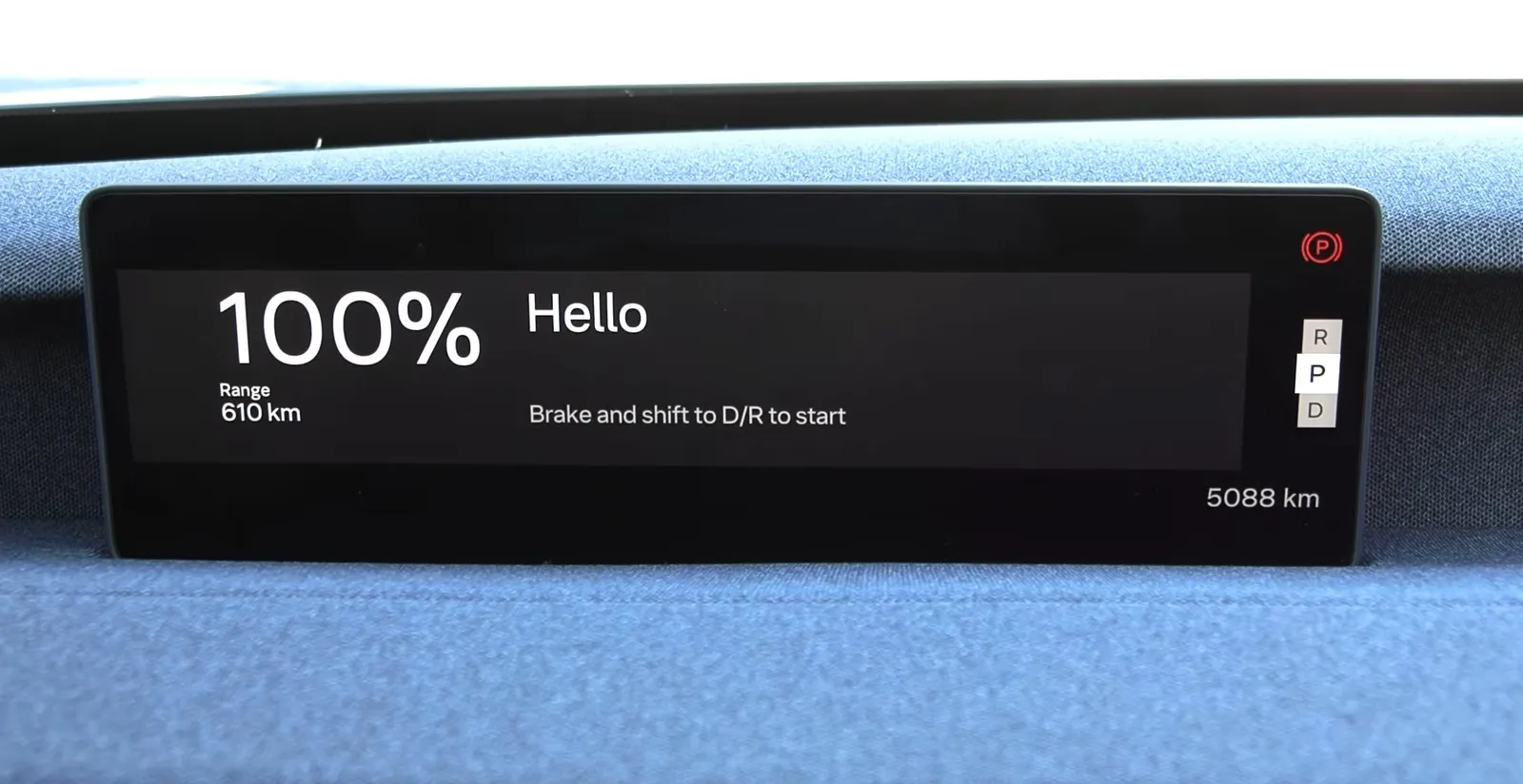
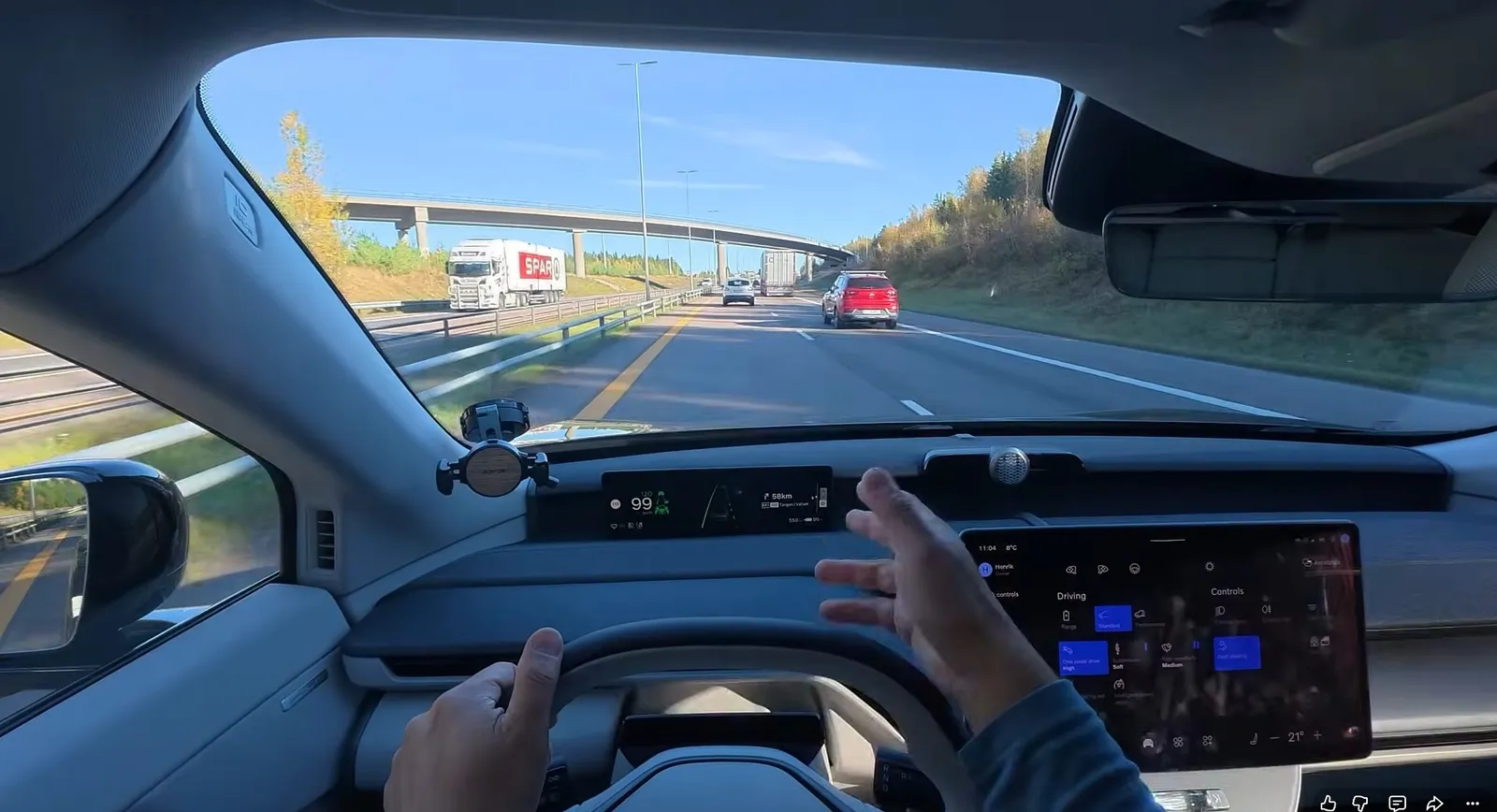
Nyland liked the unusual location of the gauge cluster: mounted halfway between the steering wheel and the windshield, it didn’t pretend to be a screen from the BMW iX3, but it worked well and could partially replace the head-up display (HUD) that the EX60 lacked. With this placement, the central screen could be moved closer to the driver, allowing Nyland to reach the farthest corner of the display with almost no need to lean forward. This resembles the design used in older Volvos (such as the S60), where the central part of the cockpit was slightly tilted toward the driver. It was a good decision from an ergonomic standpoint:
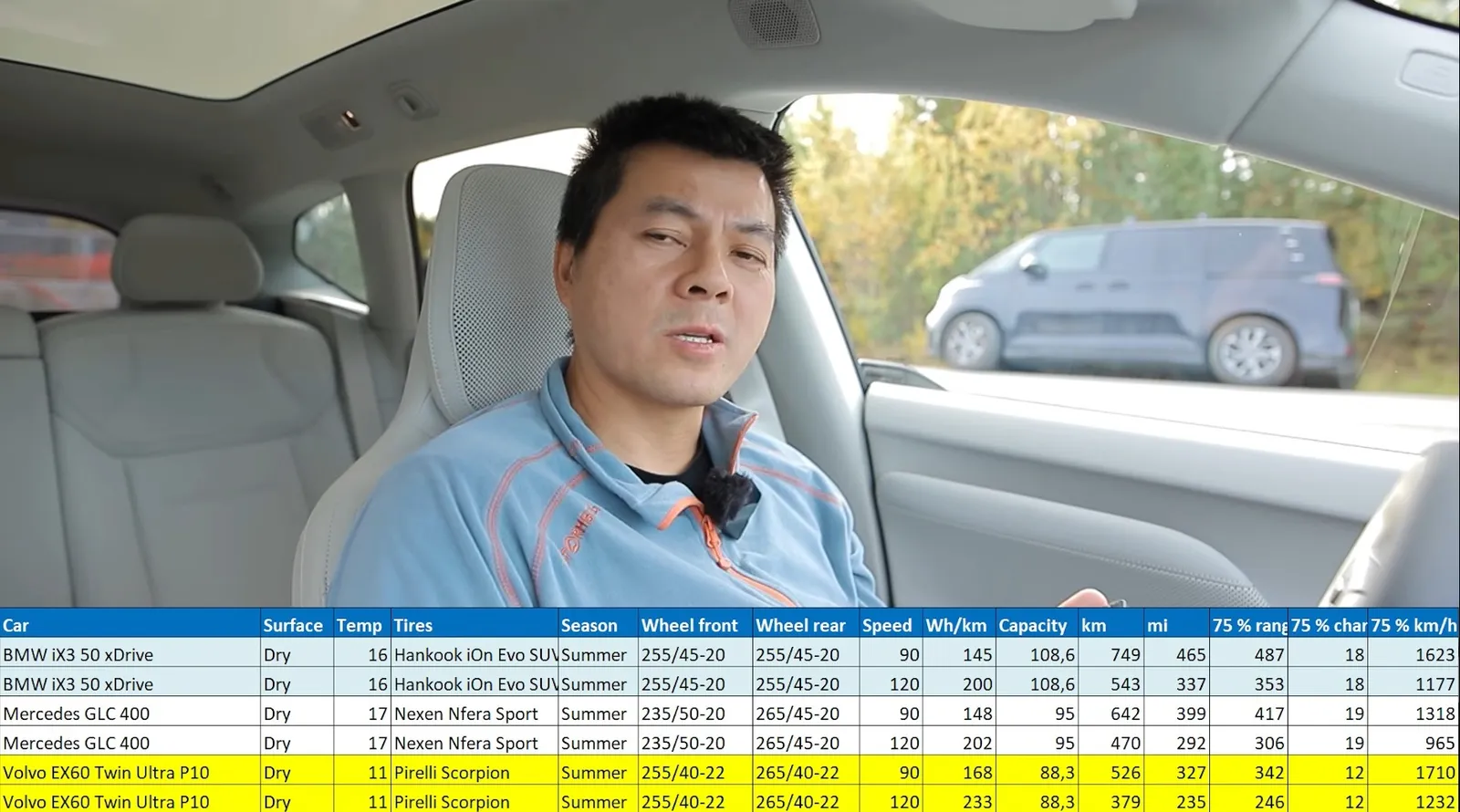
The weight of the car with the driver was 2.42 tons (illustration above). The vehicle did not support Android Auto or Apple CarPlay, but it had an operating system based on Android Automotive, which actually calculates range and routes using Google’s engine. As is typical with Volvo, Nyland appreciated the deep and powerful sound of the music, which is not surprising given the subwoofer under the hood. The actual range of the Volvo EX60 P10 AWD was as follows (bolded values are Nyland’s):
526 kilometers at 90 km/h with the battery fully discharged,
473 kilometers at 90 km/h with the battery at 10 percent charge,
316 kilometers when driving within an 80-20-80 percent battery range,
379 kilometers at 120 km/h with the battery fully discharged,
341 kilometers at 120 km/h with the battery at 10 percent charge.
265 kilometers at 120 km/h with a driving range of 80% to 10%.
It’s not necessarily worth buying, but it’s worth taking a look at:
Editor’s note from Elektrowozu: We appreciated Volvo for having its own path of development. But this display of the non-existent P12 and poor range results in the Nyland test have somewhat dissuaded us from the brand.
Article rating
Readers’ ratings
[Total: 0 votes Average: 0]
Don’t miss new content — CLICK and FOLLOW Elektrowoz.pl on Google News. You might also be interested in the following ads: