
TEST: Mercedes GLC 400 vs BMW iX3 vs Volvo EX60. And Tesla Model Y with a trailer – real range of these vehicles [YouTube]
![TEST: Mercedes GLC 400 vs BMW iX3 vs Volvo EX60. And Tesla Model Y with a trailer – real range of these vehicles [YouTube]](https://api.ev-route.com/storage/news/2026-09/test-mercedes-glc-400-kontra-bmw-ix3-kontra-volvo-1.webp)
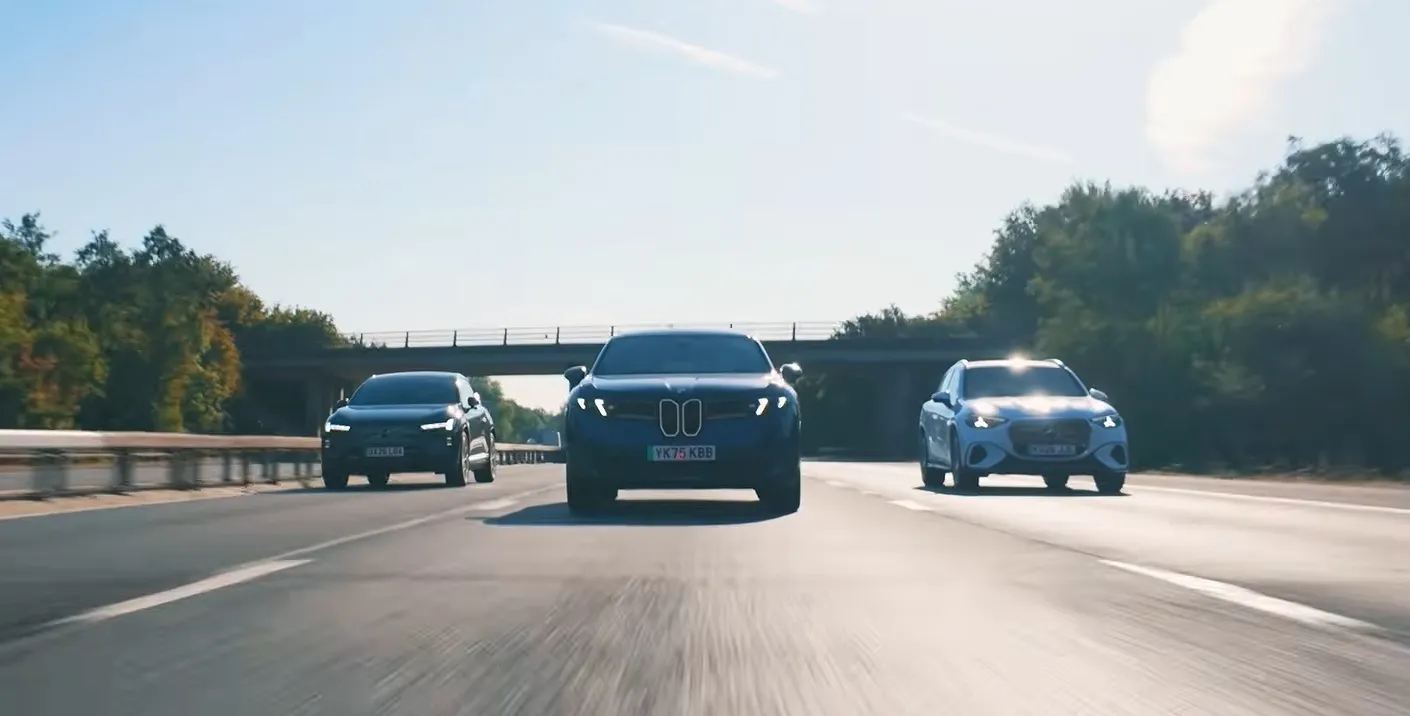
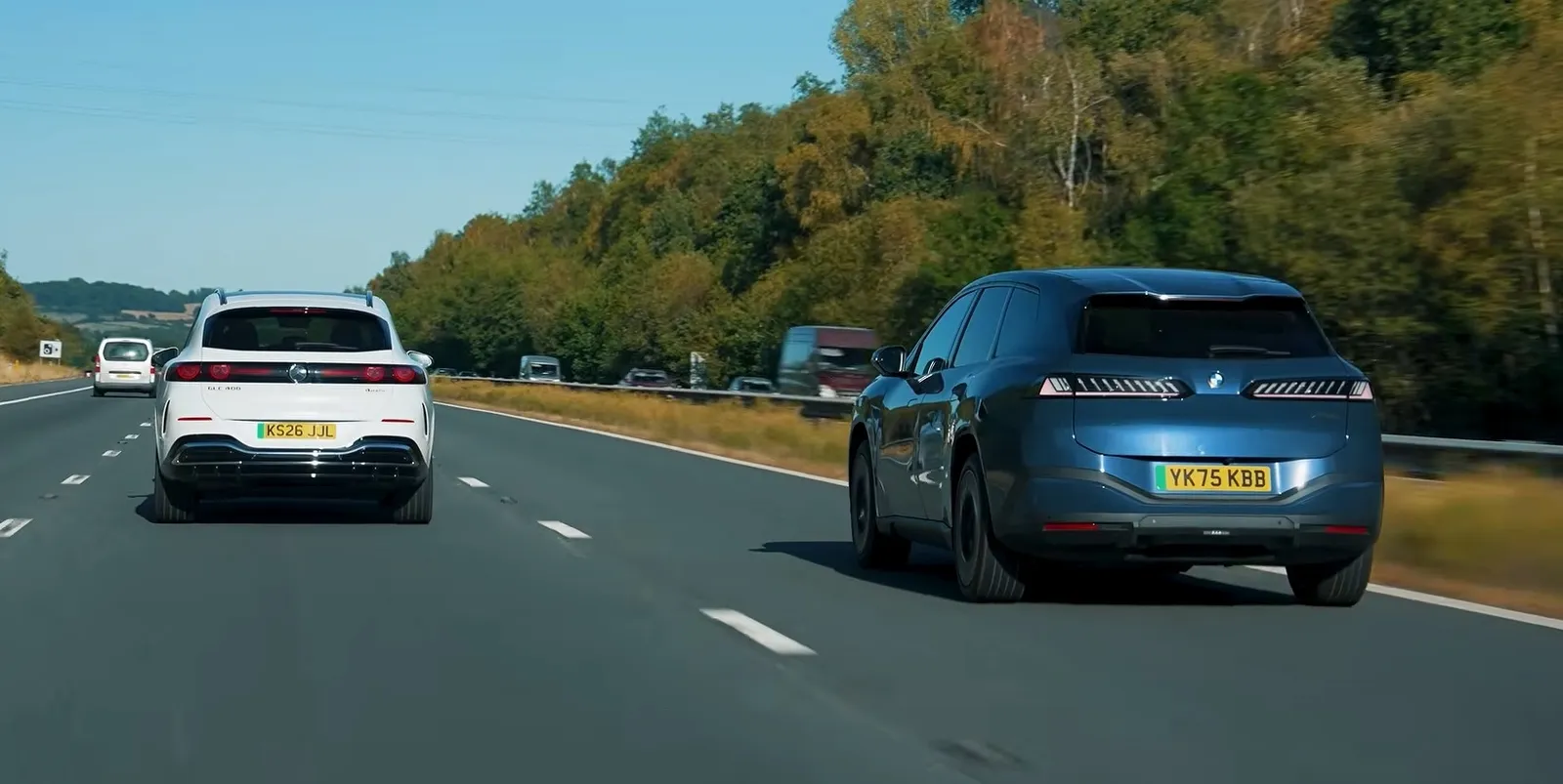
The What Car? channel conducted tests on the Mercedes GLC 400 4Matic Electric with a range of ~100 (94.5) kWh, Volvo EX60 P10 with 95 (91) kWh, and BMW iX3 50 xDrive with ~115 (108.7) kWh while driving on highways, choosing the Tesla Model Y Long Range AWD to serve as a “reference point for driving efficiency.” The results were slightly surprising: the BMW iX3 had the longest range, but the Mercedes GLC performed exceptionally well, as if the manufacturer had focused on optimizing its powertrain.
Mercedes GLC Electric vs BMW iX3 and Others
Table of Contents
Mercedes GLC Electric vs BMW iX3 and Others
Test Results
The comparison between the BMW iX3 and Mercedes GLC is particularly interesting, as both vehicles are currently the flagship models of their respective brands in the D-SUV segment. As noted by What Car’s editorial team, the WLTP-rated range of the tested Mercedes GLC was only 79.5 percent of what the BMW iX3 promised. It seemed, then, that the winner of the 800-kilometer test could be determined even before it began, just by looking at the theoretical figures of both cars. However, the Mercedes has something that none of its competitors possess: a two-speed transmission on the rear axle.
The two-speed transmission shifts to a higher gear mainly during highway driving, which is why its impact on the measured range in the WLTP procedure is relatively small. However, during constant driving at express speeds (the maximum allowed in the United Kingdom = 113 km/h), it can be significant. It should also be noted that among mass-produced electric vehicles, only the Porsche Taycan, Audi e-tron GT, and Mercedes models on the MMA platform (such as the CLA) along with its derivative, MB.EA (such as the GLC), have two-speed transmissions.
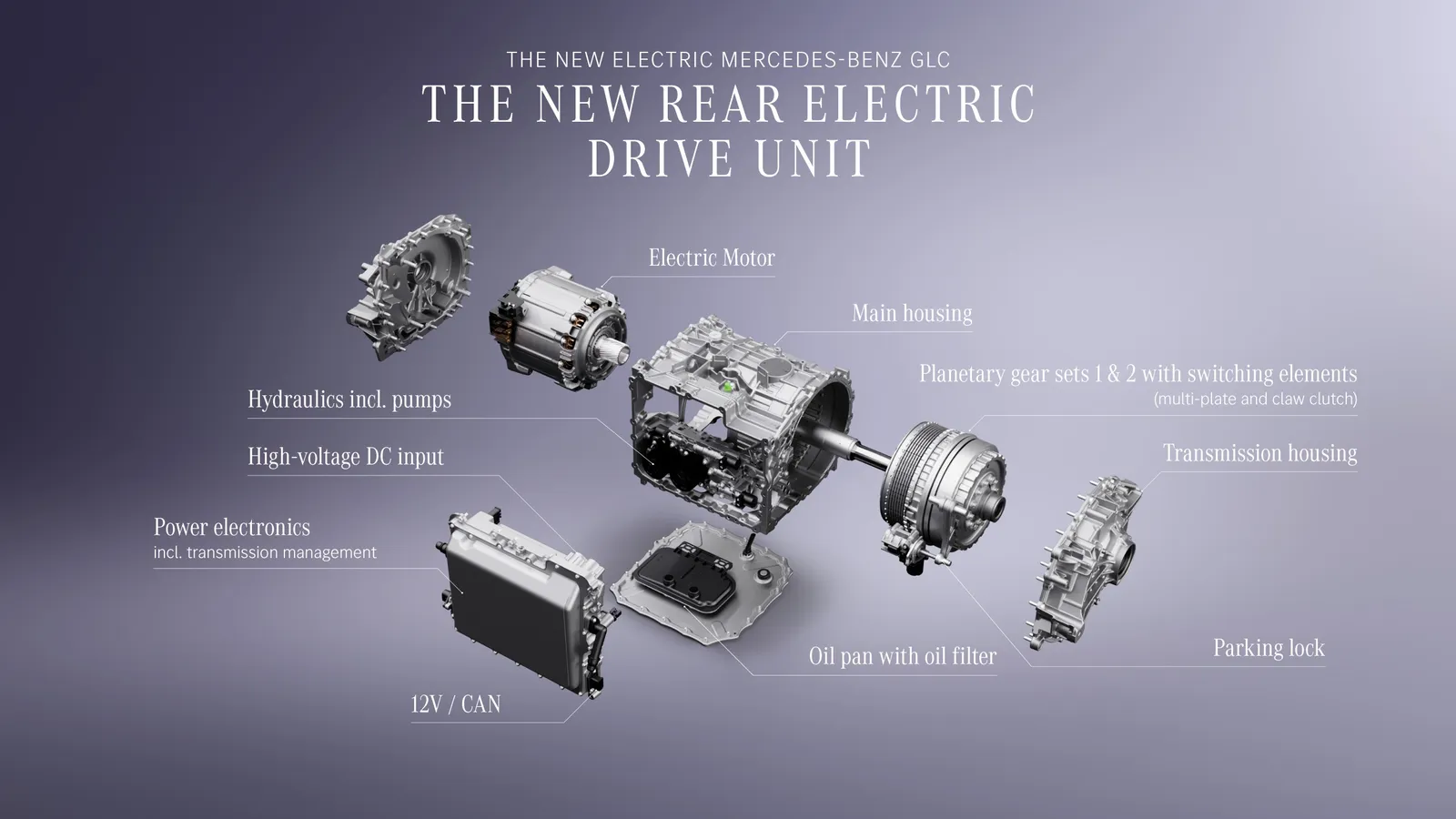
Layout of the rear-wheel drive system in vehicles on the MB.EA platform
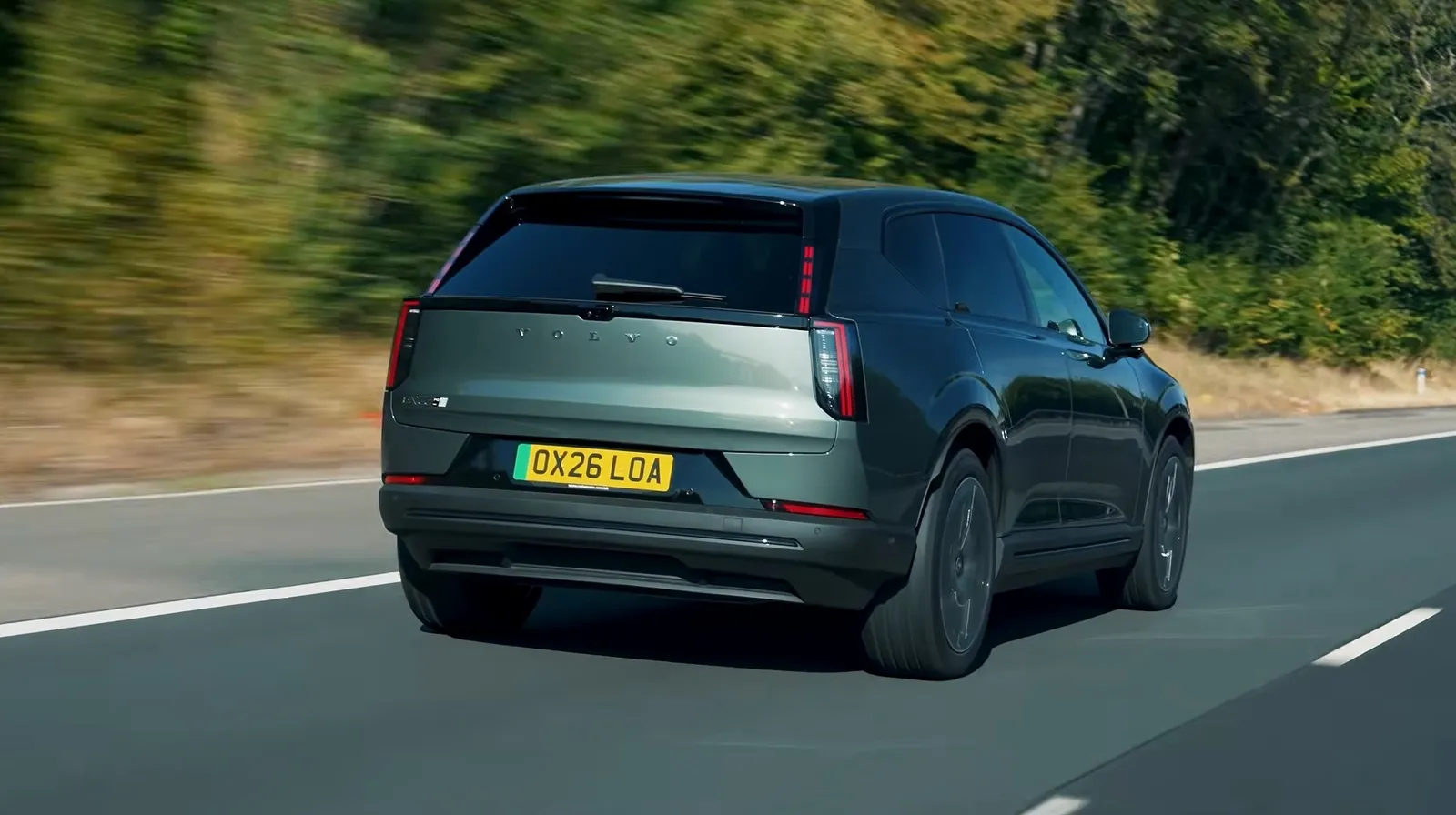
The Volvo EX60 was perhaps the saddest contestant in the race. The manufacturer raised hopes with the P12 version featuring a 117 (~112) kWh battery, but only launched the P10 version with a significantly smaller pack of 95 (91) kWh, scheduling the release of the model with a larger battery for early 2027. This didn’t sound promising, especially considering that Geely’s electric vehicles (Volvo, Zeekr, etc.) aren’t known for their energy efficiency. The benchmark for all these cars was the Tesla Model Y, with a battery capacity that’s laughably small by comparison—around 84 (~79) kWh.
Test results
At the halfway point, the Volvo EX60 had the lowest load (only the Tesla Model Y performed worse), but it excelled in terms of cabin noise reduction, appearing to be the best among the three tested vehicles. The Mercedes GLC Electric also offered a pleasant driving experience despite lacking a pneumatic suspension. The BMW iX3 proved to be the least comfortable, especially since it wasn’t equipped with a variable damping suspension (although such an option exists, according to What Car, no one has seen it in use).
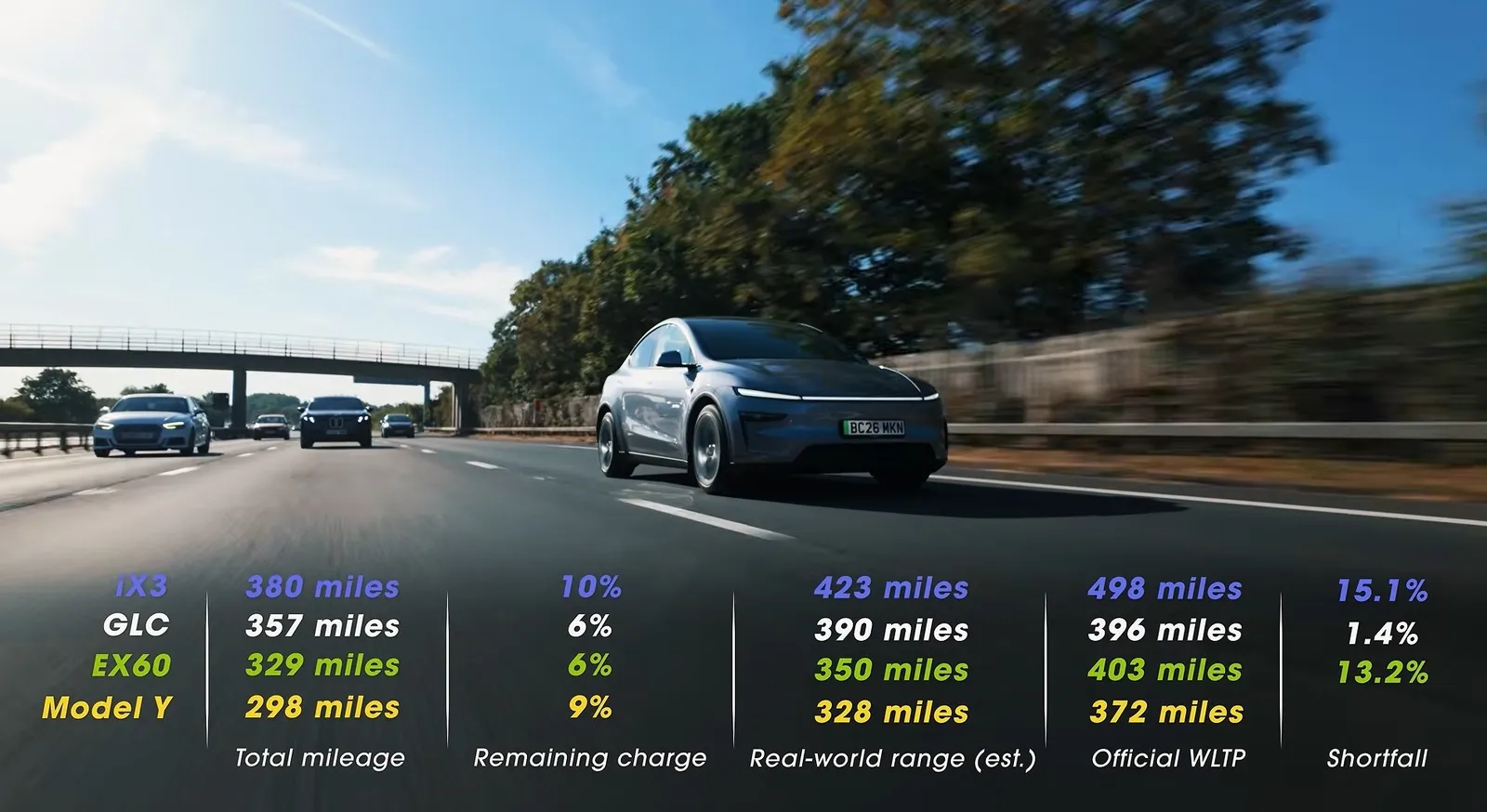
The first car to fail at 10 percent battery level—since that was the criterion—was the Tesla Model Y. Followed by the Volvo EX60 and Mercedes GLC. The BMW iX3 performed impressively, still having a range of 97 kilometers at 10 percent battery level, which is essentially on par with conventional vehicles. The actual range of the BMW iX3 50 xDrive on highways was 612 kilometers (!), with the battery still at 10 percent.
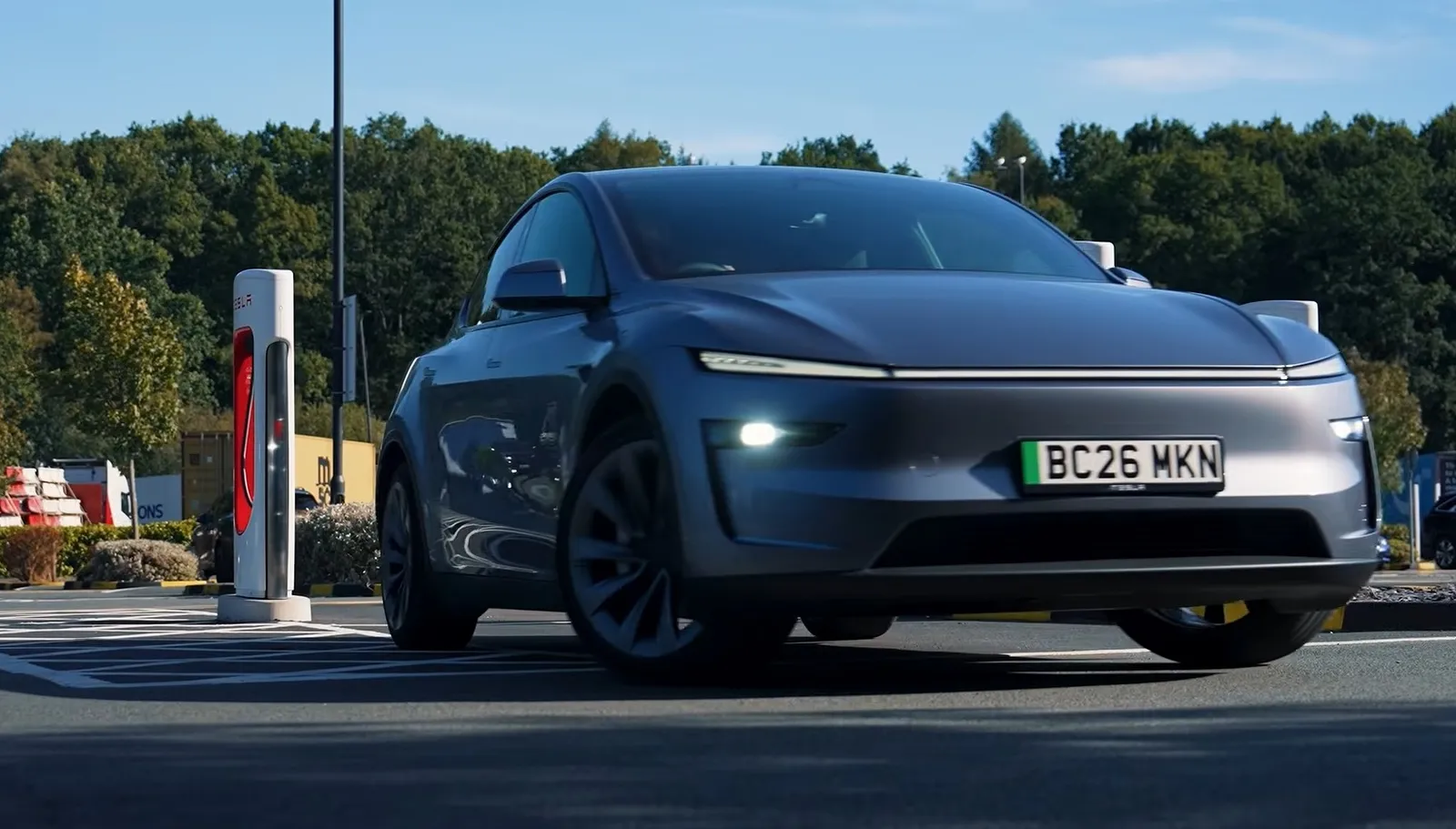
The Mercedes GLC 400 4Matic covered 575 kilometers on the highway, with 6 percent of its range remaining. If we extrapolate the figures for the BMW iX3 and Mercedes GLC Electric, it turns out that although the latter had less than 80 percent of the BMW iX3’s WLTP range, it could still cover over 92 percent of its main competitor’s distance. Therefore, it is not impossible that Mercedes adopted an approach previously used by Porsche: lowering WLTP values so that the actual range of battery-powered vehicles is as close as possible to what the buyer reads in the homologation certificate.
The final ranking for maximum range under good weather, steady driving on highways, and a fully drained battery would be:
BMW iX3 50 xDrive – 681 kilometers,
Mercedes GLC 400 4Matic Electric – 628 kilometers,
Volvo EX60 P10 – 563 kilometers,
Tesla Model Y LR AWD – 529 kilometers.
Worth checking out:
Article rating
Readers' rating
[Total: 6 votes Average: 4.3]
Don’t miss new content – CLICK and FOLLOW Elektrowoz.pl on Google News. You might also be interested in the following ads: