
Tesla and BYD continue to grow strongly, while internal combustion engine cars face another setback.
Tesla concluded the third quarter of 2026 with results that, although they exceeded market expectations, offer a particularly interesting comparison when viewed against BYD. The American company managed to improve its deliveries compared to the previous quarter, but the Chinese manufacturer’s growth in the electric vehicle market has been much faster.
The data also show how the balance between the two companies has shifted in just a few months. While Tesla remains heavily reliant on its two most popular models, BYD continues to boost its electric vehicle sales and expand its presence in various markets.
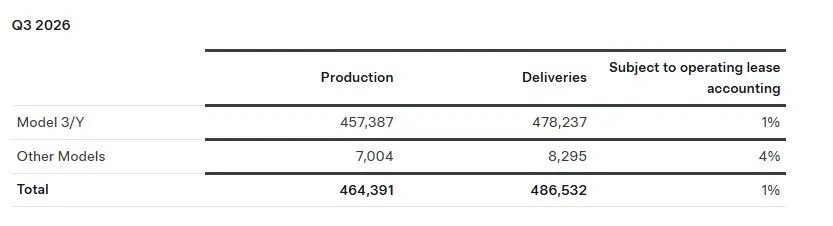
The gap between the two companies has become particularly evident during the third quarter. BYD sold 762,478 electric vehicles (BEVs) from July to September, compared to Tesla’s 486,532 deliveries. These figures for BYD only account for its pure electric vehicles and do not include plug-in hybrids.
Tesla delivered 2.13% fewer vehicles than in the same period of 2025. The result was higher than analysts’ predictions, who expected around 463,761 units, but it was still lower than the 497,099 deliveries Tesla recorded during the third quarter of last year.
This figure is particularly significant as it ends Tesla’s streak of two consecutive quarters of year-over-year growth. In the first quarter of 2026, its deliveries rose by 6.34%, while in the second quarter the increase reached 24.99%. Now, however, the volume has dropped below levels seen a year earlier.
BYD accelerates as Tesla focuses its sales on Model 3 and Model Y

The situation is very different at BYD. The Chinese manufacturer sold 762,478 passenger electric vehicles in the third quarter, a 30.89% increase from the previous year. As a result, the gap with Tesla surged to 275,946 units in just three months.
In the second quarter, BYD’s lead was 76,964 units. In other words, the gap between the two manufacturers widened by nearly 199,000 electric vehicles in just one quarter. This is an especially remarkable development considering that Tesla started 2026 ahead of BYD: it delivered 358,023 units in the first quarter, compared to BYD’s 310,389 passenger electric vehicle sales.
The Chinese manufacturer regained the top spot in the second quarter and has now led Tesla for two consecutive quarters. This comparison also excludes BYD’s plug-in hybrids and its commercial vehicles, so it only pits its passenger electric vehicle sales against Tesla’s total deliveries.
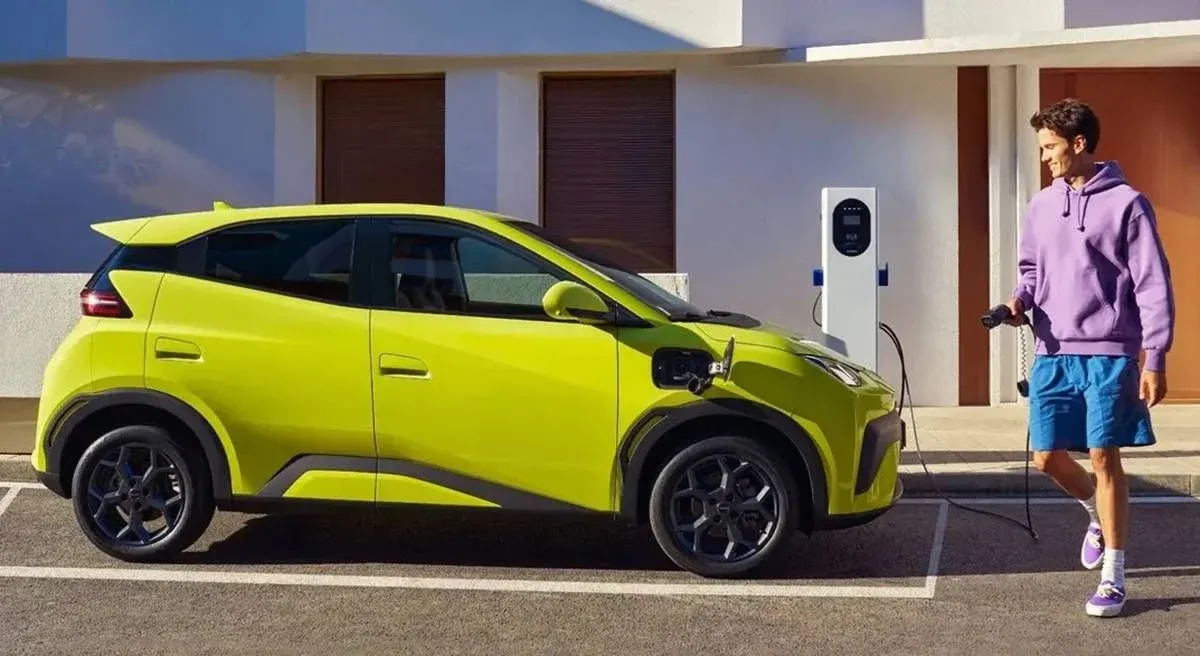
The annual cumulative figure provides an even clearer view of the change. Tesla delivered 1,324,681 units in the first nine months of 2026, 8.77% more than in the same period of 2025. BYD, on the other hand, sold 1,629,957 passenger electric vehicles, a 1.50% increase. The gap now stands at 305,276 units in favor of the Chinese manufacturer.
The trend becomes even more significant when considering what happened in 2025. That year, BYD sold 2,256,714 passenger electric vehicles, surpassing Tesla’s 1,636,129 deliveries for the first time and finishing ahead of the American manufacturer in this category.
In Tesla’s case, reliance on its two main models remains extremely high. The Model 3 and Model Y combined to account for 478,237 deliveries in the third quarter, representing 98.30% of the company’s total output. All other models together contributed only 8,295 units.
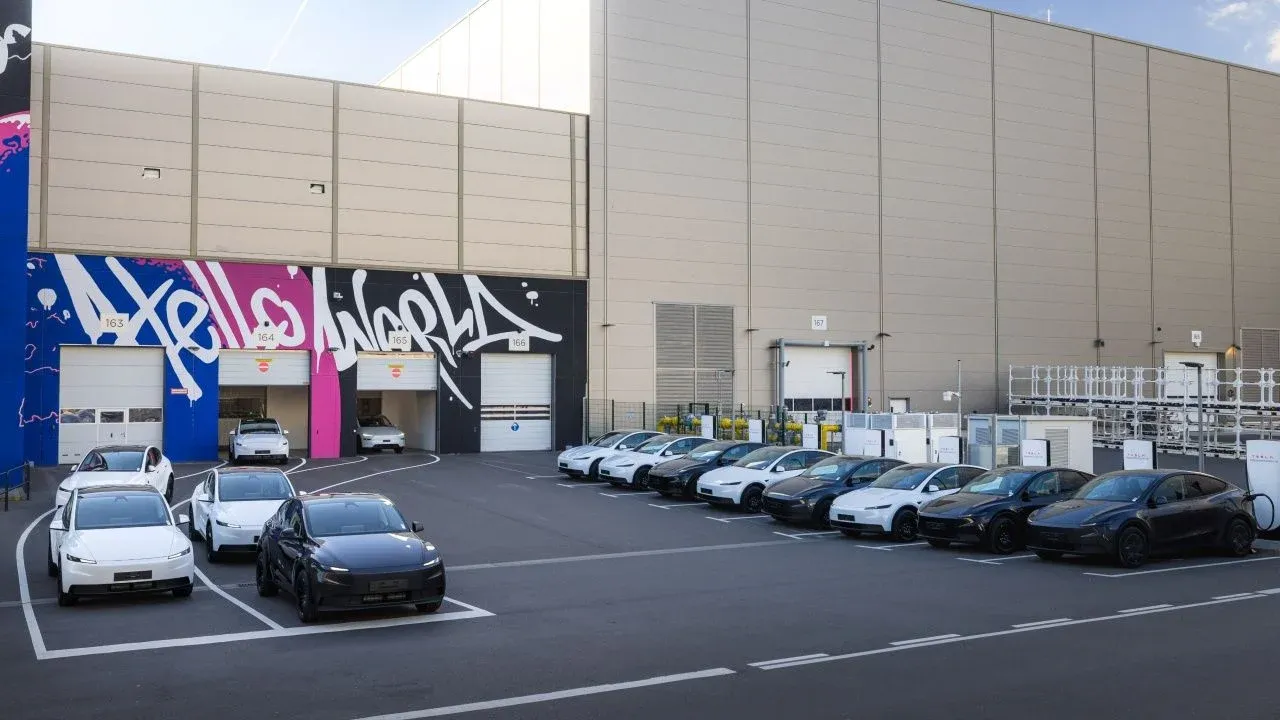
Tesla produced 464,391 vehicles during the third quarter, meaning deliveries exceeded production by 22,141 units. The company also deployed 13.7 GWh of energy storage products during that period.
The next chapter will arrive on October 21, when Tesla releases its third-quarter financial results and provides more details on the company’s business progress. It will then be possible to see what impact these delivery volumes have had on the company’s revenue and margins.
In the meantime, registration and delivery data offer an increasingly clear picture of the global market. Tesla maintains a very high volume, but BYD is closing the gap at a much faster pace, and the comparison becomes even more striking when considering that the BYD figures used in this analysis exclude its plug-in hybrids and commercial vehicles.
