
Tesla is recalling 20,349 Model 3 and Y vehicles for service. This time an OTA update is not sufficient.
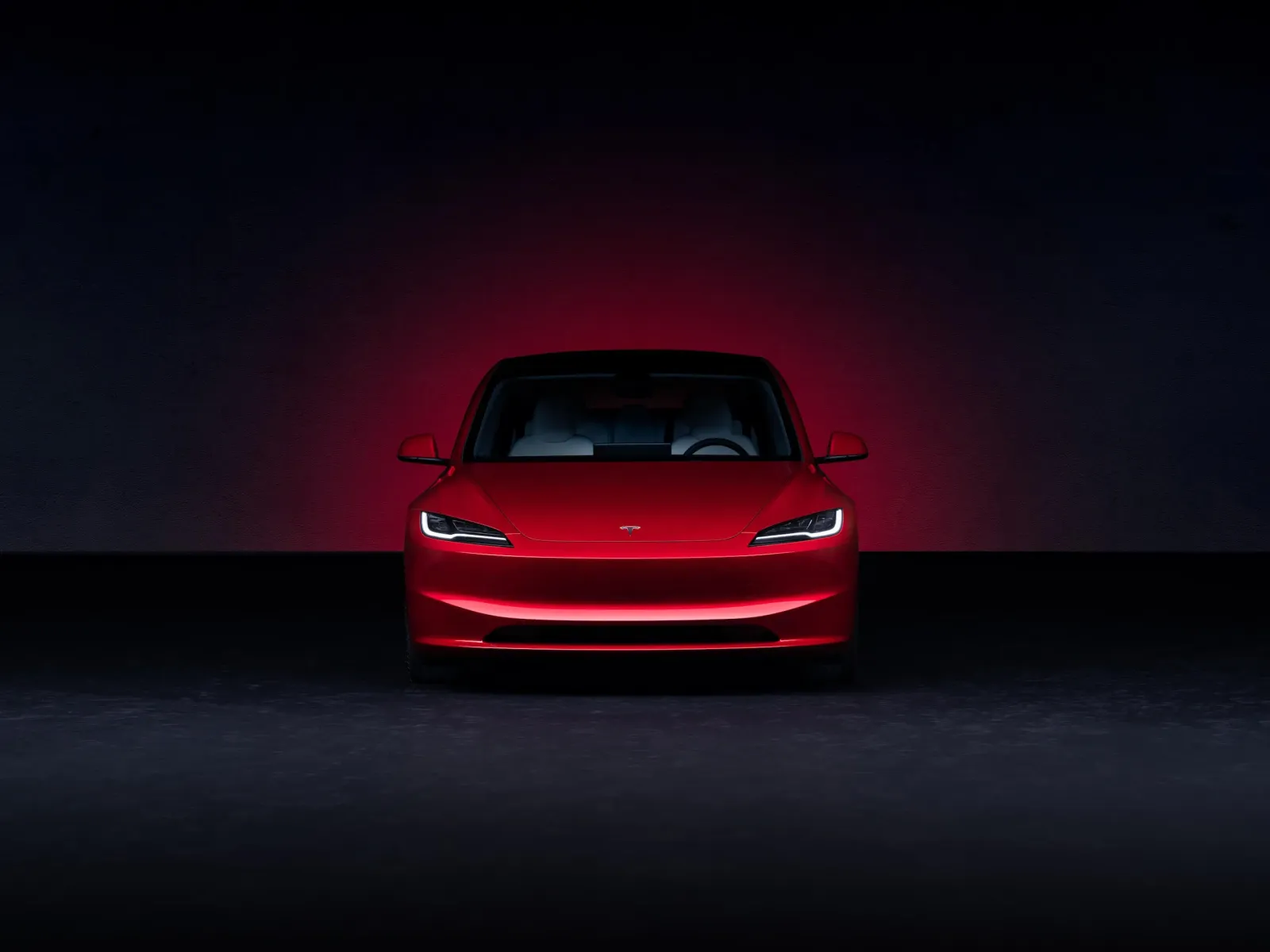
Tesla is launching a service campaign for 20,349 Model 3 and Model Y vehicles from 2017-2023 due to a decision by NHTSA. The issue concerns the high-beam headlights, which in some vehicles emit too much light and exceed the American limit, so it will likely require an in-person service visit rather than a fix via the internet.
The problem affects 18,735 Model Y vehicles from 2020-2023 and 1,614 Model 3 vehicles from 2017-2023. These cars were equipped with Marelli Automotive Lighting headlights labeled 1077371-98-L and 1077372-00-L.
Too bright headlights, twice the limit
The American specification allows a maximum of 125 candelas in this area. In tests, Tesla’s headlights reached as high as 230.1 candelas. This is not a small difference but a result nearly twice the allowed limit.
If someone felt like Tesla was “staring” at them at night, it might not be the owner’s mischief or an internet meme this time. Some of the cars indeed have headlights that exceed regulatory standards.
The problem has persisted since 2023
This issue didn’t arise suddenly. As early as 2023, a Canadian laboratory detected non-compliance during routine tests. Tesla investigated and confirmed the same problem in its own vehicles.
The manufacturer tried to limit the scope of action and persuade the U.S. agency NHTSA not to order a full recall of all non-compliant cars. The argument was simple: no accidents or injuries related to this defect had occurred. Nevertheless, 3 warranty claims and 1 complaint from the market were recorded.
NHTSA rejected Tesla’s request in July. Things escalated from there—well, for the agency, as Tesla will face a less favorable outcome.
This time, software likely won’t help
In the world of Tesla, a “service action” often sounds more serious than it is. It usually ends with an OTA update, sometimes one that has already been installed in the car. The headline does its job, while the owner doesn’t have to do anything.
Here, it looks different. The documents don’t indicate that the issue was resolved through software. This strongly suggests a physical repair will be needed, most likely replacing the headlights.
And that’s more troublesome than just a few lines of code. We’re talking about 20,349 sets of lights and labor costs. There’s no need to hide it—Tesla probably tried to reduce brightness programmatically. Apparently, it didn’t work.
Which cars are affected
Most of the defective headlights were found in vehicles produced before June 2, 2023. The issue should theoretically be resolved after that date, but as of May 3, 2024, another 432 cars left the factory with the same type of headlights.
Tesla dealerships have already been informed about this action. Owners are expected to receive written notifications by September 15, 2026, at which point they will learn exactly how the repair process will work.
This is an interesting case because it shows the difference between “Tesla recalls in the headlines” and a real hardware issue. If you own a Tesla from those model years, would you check the headlights right away or wait for an official letter?
Order your Tesla and take advantage of purchase bonuses using the referral link!