
Tesla won the strike in Sweden after 1,021 days. The union is dropping its efforts because there are no more strikers left.
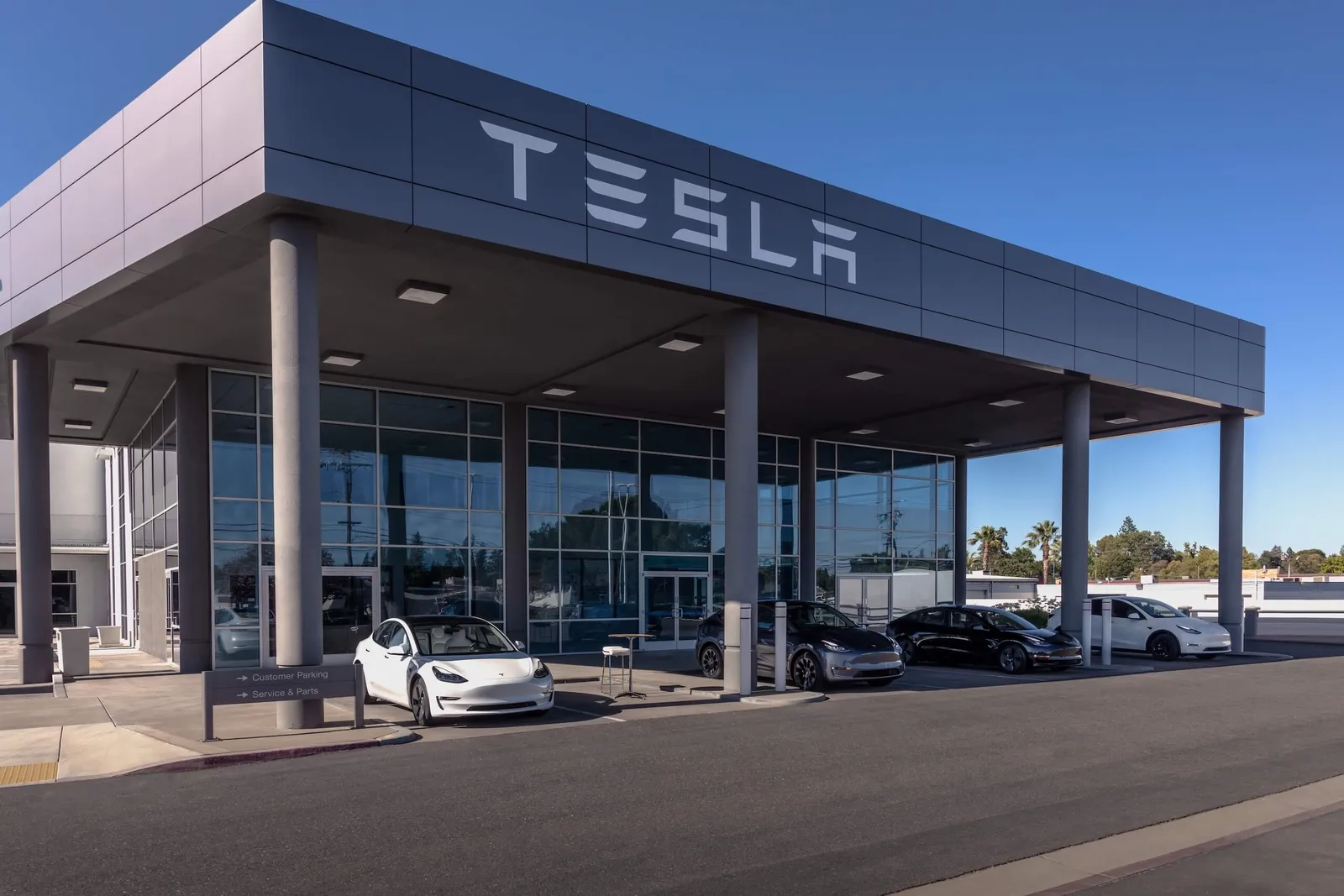
Swedish union IF Metall ends its strike against Tesla after 1,021 days, starting at 00:01 on August 19. The reason is simple and rather brutal: the union claims Tesla has bought out all striking workers, rendering the protest ineffective.
The dispute began on October 27, 2023, and centered around one demand: Tesla signing Sweden’s collective bargaining agreement for mechanics. After nearly three years, Tesla still hasn’t signed anything. And that is the most important fact: the company survived Sweden’s longest labor conflict in modern history.
What this strike looked like and how Tesla got around it
At first, the strike involved about 120 mechanics at seven Tesla workshops in Sweden. Then things escalated significantly. Dockworkers refused to unload cars at Swedish ports, and ports in Denmark, Norway, and Finland joined the blockade. PostNord stopped delivering license plates, electricians refused to service Tesla chargers, and cleaning companies abandoned the showrooms.
Tesla managed to overcome almost all of this. It began importing cars through Germany and transporting them by truck to Trelleborg, and it took legal action to retrieve license plates directly without going through the postal service. Elon Musk described Sweden’s labor model as simply “crazy.” It was a strong word, but from Tesla’s perspective it worked.
According to IF Metall, the company bought out striking workers one by one. LO’s secretary for collective agreements, Veli-Pekka Säikkälä, told Ny Teknik that Tesla has “enormous financial resources” and used them, among other things, to buy out the strikers. The union called this a breakdown of the strike on a scale Sweden has not seen in decades.
Tesla’s sales suffered late, but not due to the union
This is where it gets interesting, as sales data do not support IF Metall’s claim. The Tesla Model Y was the best-selling car in Sweden, across all powertrains, in both 2023 and 2024. In 2024 alone, Tesla registered 21,894 vehicles there, marking the best year in the country despite a complete strike shutdown.
The decline didn’t occur until later. In 2025, registrations dropped to 7,252 units, a decrease of about 67 percent year-on-year. In the first seven months of 2025, the decline was 63 percent. However, this doesn’t seem to be the result of a strike but rather a political cost of Elon Musk’s actions, which had a broader impact on Tesla sales in Europe.
2026 saw a partial recovery from a low base: 512 cars in January, 553 in February, 1,784 in March, 429 in April, and 858 in May. This was better than in 2025, but still significantly below the levels before the anti-Musk downturn.
In practice, this created a rather uncomfortable precedent for the Swedish model. Tesla did not sign an agreement, did not back down under pressure, and demonstrated that a company with substantial financial resources can withstand even highly coordinated actions. What’s interesting now is whether a similar firm stance will emerge in Germany, where IG Metall has long been keeping an eye on Tesla’s activities at Giga Berlin.
One thing became very clear after this dispute: in Sweden, Tesla lost in terms of reputation, but it won where it matters most to the management. Do you think such a strategy could be replicated in Germany as well?
Order your Tesla and take advantage of bonuses for purchasing through the referral link!
LovEV Newsletter
Want more content like this?
Sign up — we’ll send you a weekly summary once the newsletter starts.