
Tesla: In South Korea, 80 drivers are charged with illegally unlocking FSD
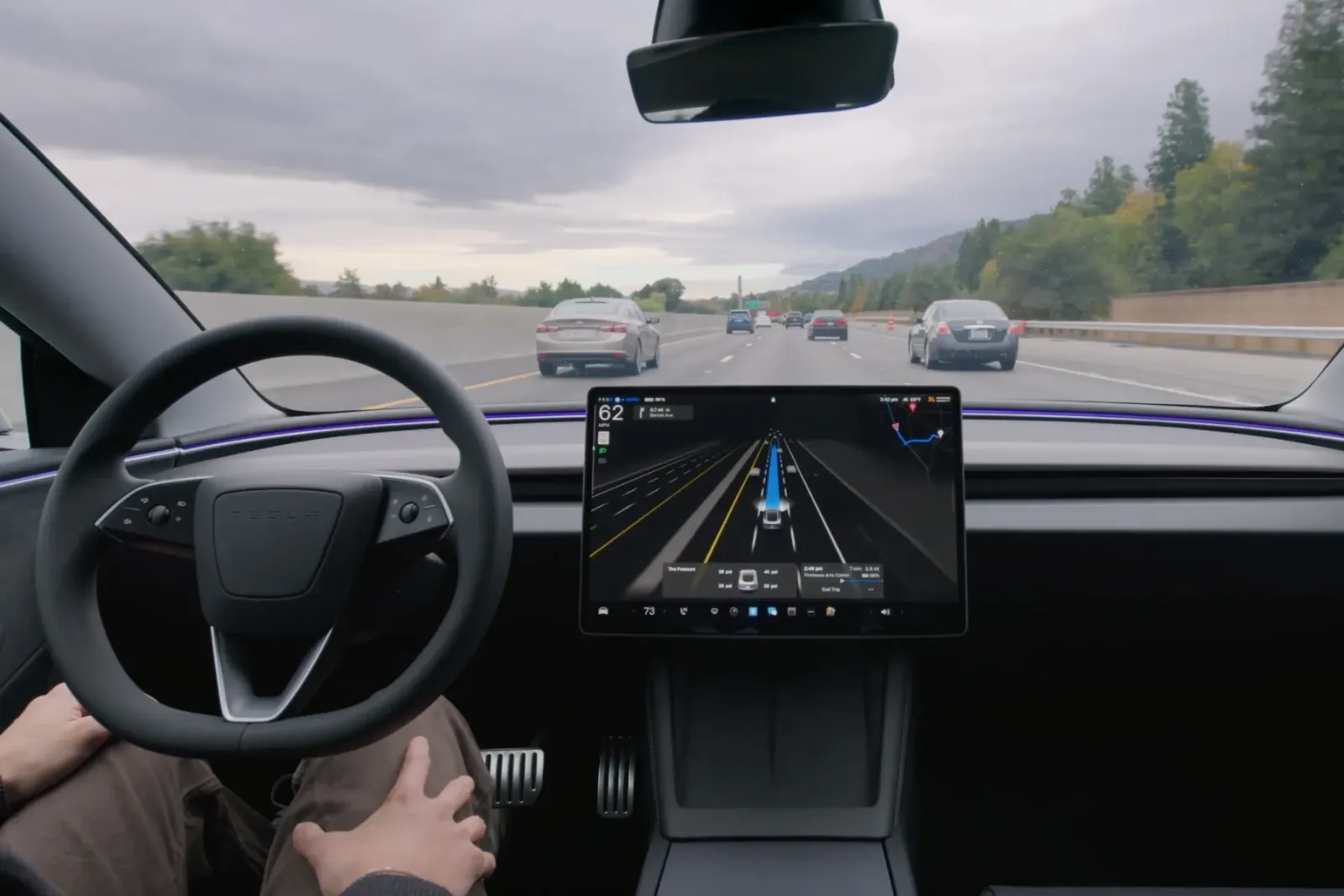
The Seoul Metropolitan Police Agency announced on Tuesday that it has launched investigations against 80 people who used additional modules to activate Tesla FSD in vehicles without permission for this feature in South Korea. Officers seized 21 devices. This is the largest operation yet against hardware-based “jailbreaking” of FSD, which has spread across China, Europe, and Korea over the past year.
Modules from Europe, China, and GitHub
According to the police, the suspects imported modules from Europe and China or built their own. One of them installed a European-made module in his Tesla. Another, who is a computer scientist by profession, assembled a device using data found on GitHub.
The arrested individuals also exchanged online advice on how to unlock FSD and how to prevent the car from leaving an activation trail.
The charges stem from the Motor Vehicle Management Act, which prohibits unauthorized modifications to software that could affect safety. This offense carries a penalty of up to 2 years in prison or a fine of up to 20 million won (approximately 60,000 zł).
The case was initiated in April by South Korea’s Ministry of Land, Infrastructure and Transport (MOLIT), which detected signs of unauthorized activations and requested the police to investigate. A police official told the Korea JoongAng Daily that “safety risks have been confirmed,” including the possibility of FSD misjudging driving conditions. The investigation is ongoing, with the police consulting with relevant ministries and the Korea Transportation Safety Authority regarding technical aspects.
Why So Few Teslas Can Legally Drive with FSD
Tesla launched FSD (Supervised) in Korea at the end of 2025, but only for vehicles built in the U.S.: Model S, Model X, and Cybertruck. These models are exempt from Korean safety certification under the Korea-U.S. trade agreement. Model 3 and Model Y, imported to Korea from Giga Shanghai, failed to meet the requirements for this feature.
And it is these models that make up the core of the fleet. According to Carisyou Data Lab (from Korea JoongAng Daily), as of August, 47,458 out of 229,311 Teslas on Korean roads were legally eligible to use FSD, accounting for 20.7%.
The government figures from a few months ago show a completely different picture. In May, MP Park Yong-gap revealed data indicating that 4,292 out of 180,684 registered Teslas (2.4%) were eligible. These included 2,708 Model X vehicles, 1,193 Model S vehicles, and 391 Cybertruck models. In both cases, the conclusion remains the same: the vast majority of Korean owners cannot legally enable FSD. Some of them paid over $6,000 for the package.
The hack works because the hardware is identical. The modules interface with the CAN bus and bypass the regional software restrictions.
Tesla is also fighting against these modules
In April, Tesla began remotely detecting such devices and disabling FSD in affected cars. It warned owners that they would be fully responsible for any accidents and might lose their warranty. Some Chinese users were issued a lifetime ban on using FSD.
Electreka’s comment is harsh and hard to ignore. Tesla sold FSD to car owners for whom it had no approval pathway in Korea. Similarly, it sold “Full Self-Driving” in Europe for years while the approval kept getting delayed. It wasn’t until this month that it removed those names in Europe, after facing opposition from Germany.
The police have indicated they will take action. The question is whether Tesla will return the money to Koreans who purchased a feature their cars may never be able to use legally.
Order your Tesla and take advantage of purchase bonuses using the referral link!
LovEV Newsletter
Want more content like this?
Sign up — we’ll send you a weekly summary once the newsletter starts.