
Tesla sold 11.9% less in China, but boosted its exports to make up for it
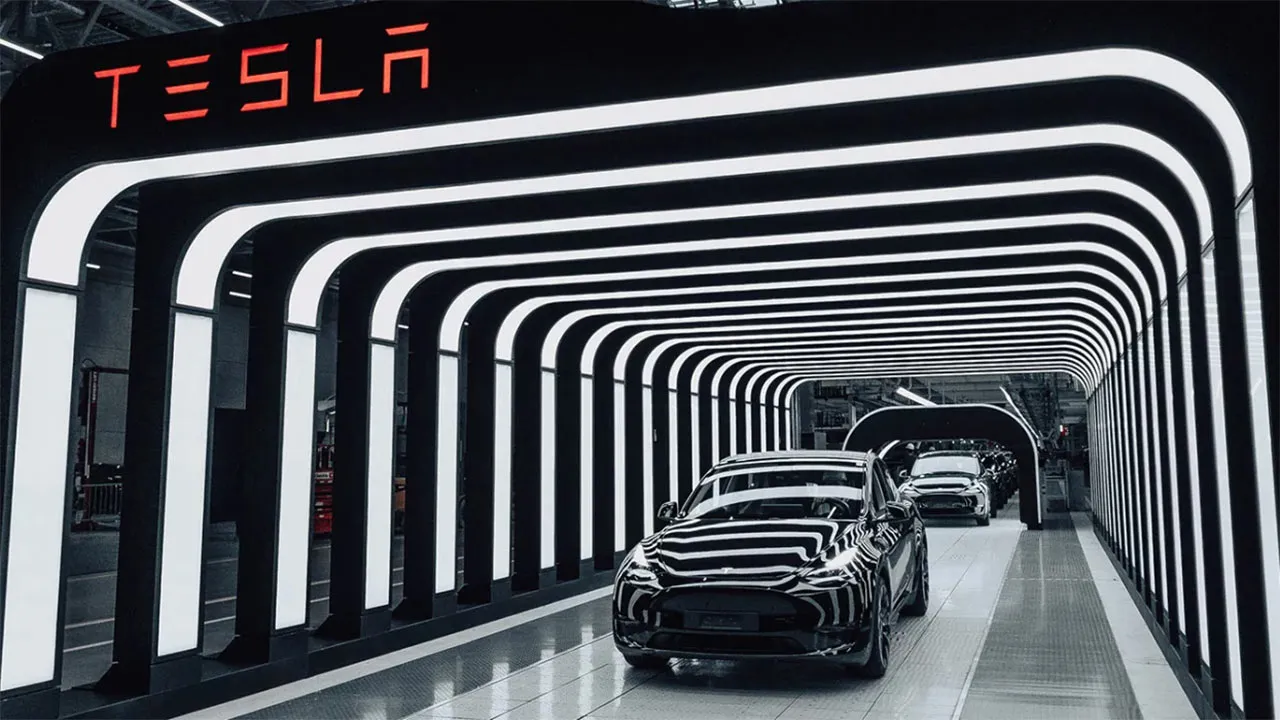
In September, Tesla sold 64,837 cars in China, 9.35% less than in the same month of the previous year. This marked the fourth consecutive year-over-year decline. Meanwhile, exports from Shanghai increased by 58.29% to 30,529 units, helping the overall volume of domestic sales and overseas shipments grow by 5.01%.
This distinction matters. An increase in deliveries of cars manufactured in China does not mean Tesla is selling more to Chinese consumers. The factory can improve its figures thanks to buyers from other countries while local demand continues to weaken. And that is exactly what the September results show.
The cumulative figures provide a better understanding of the changes. From January to September, Tesla’s sales in China dropped by 11.9% to 381,088 units, while exports surged by 108.4% to 361,972 cars. Nearly half of the vehicles sold from Shanghai were exported, compared to less than a third during the same period in 2025.
Tesla’s Activities in China
January-September 2025
January-September 2026
Trend
Sales in the Chinese market
432,704
381,088
−11.9%
Exports from Shanghai
173,660
361,972
+108.4%
Total sales and exports
606,364
743,060
+22.5%
This flexibility is valuable for Tesla. It allows it to distribute cars to different destinations and reduce its reliance on demand in a single country. But it also means that its growth in China increasingly depends on other markets absorbing those shipments. Additionally, exporting a car does not necessarily mean delivering it to the end buyer that same month.
Fast charging and software raise the bar for Tesla
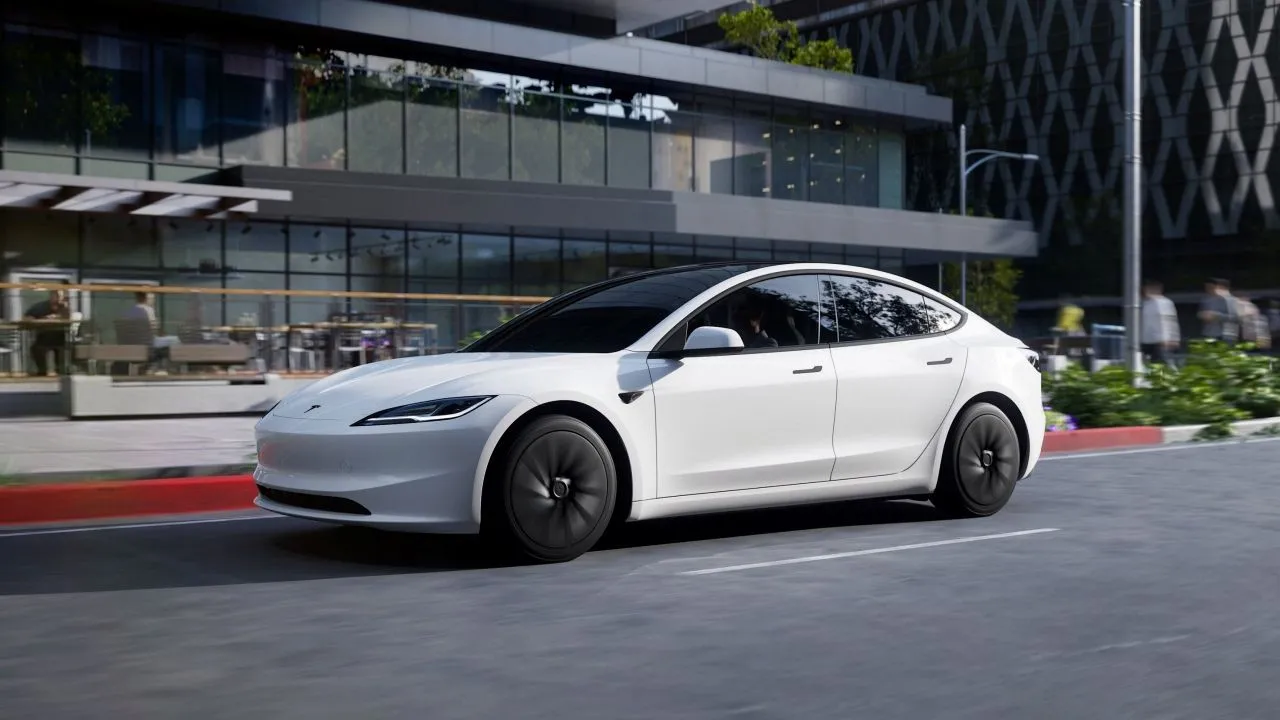
Competition forces companies to look beyond factory figures. Tesla continues to compete with the Model 3 and Model Y in a market where local manufacturers rapidly update their offerings. According to Reuters, the company offered discounts on certain versions throughout October, a sign of the existing competitive pressure. This alone doesn’t explain why a buyer might choose another brand, but it does show that Tesla still relies on pricing to drive demand.
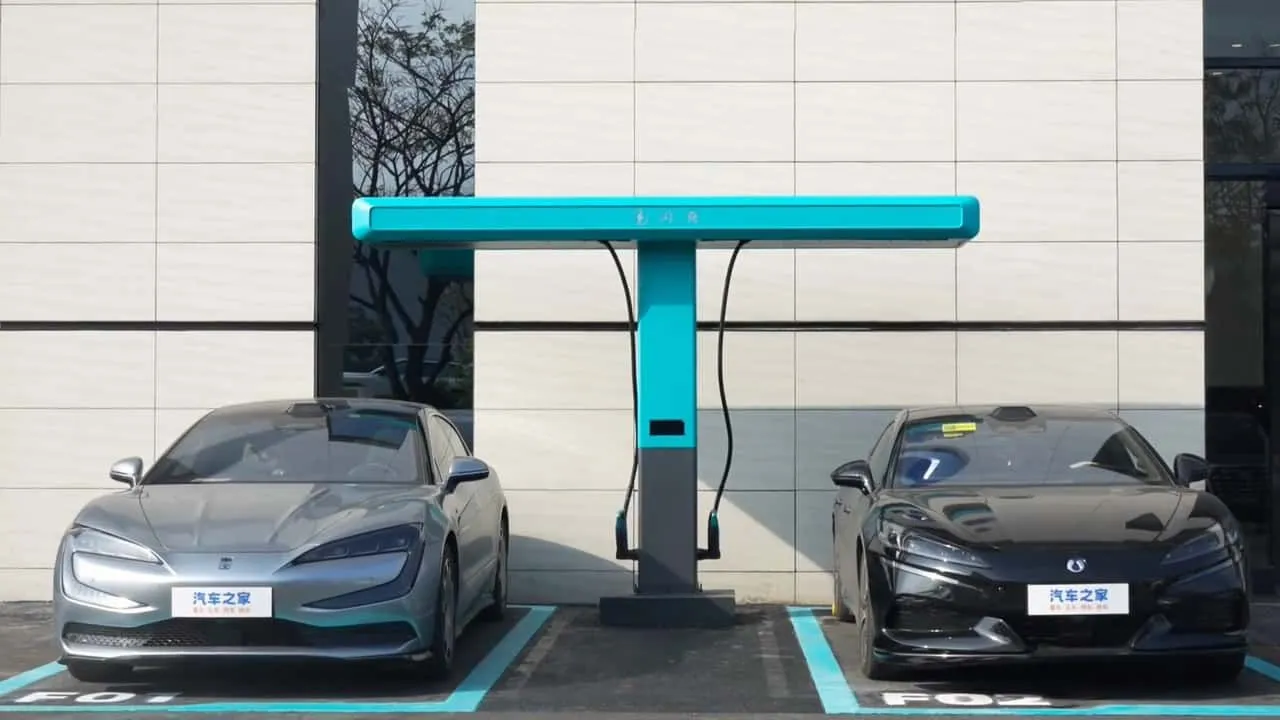
One area where its rivals are raising the bar is charging speed. For example, Xpeng announces that its G6 features an 800 V architecture and a charging time from 10% to 80% of about 12 minutes under the manufacturer’s specified conditions. This is a significant advantage for travelers who want to shorten their stop times.
The comparison should not be limited to the maximum power listed on a spec sheet. Sustained power during use, battery temperature, and the availability of chargers capable of delivering such performance also play important roles. Nevertheless, the growing number of systems that allow for quick recharges increases pressure on Tesla to improve its offerings in this area.
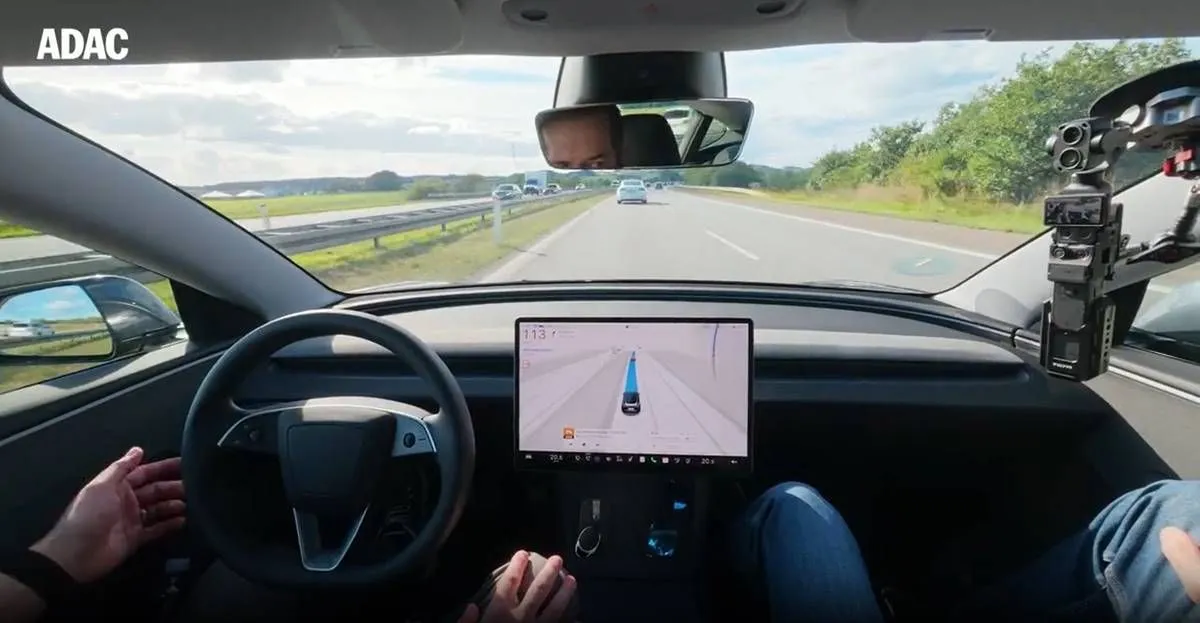
Something similar happens with software. FSD dominates much of the conversation about Tesla, but mentioning those initials alone isn’t enough to explain why millions of drivers make the decision to buy it. Price, comfort, range, features, and the performance of the applications and services used daily also play a role.
It’s also useful to put expressions like “level 2++” into context, as they are frequently used in discussions about driving assistants. They do not constitute an official category within the SAE classification. A level 2 system requires constant driver supervision, even though it is capable of performing complex maneuvers. Adding symbols to its name does not turn it into a system that allows one to ignore the road.
It would also be inaccurate to attribute Tesla's overall decline solely to its competitors being cheaper or better. Sales figures don't allow for isolating those factors, and monthly results are also influenced by promotions, availability, and delivery schedules. What the data does show is that domestic sales are declining while exports compensate for this loss in volume.
For Europeans, this could be good news because if demand cools in China, Tesla needs to sell more outside its borders, which increases supply and puts pressure on prices.
Currently, Tesla faces quite high demand in Europe, which means a new rear-wheel-drive Model Y has a delivery date in January-February 2027, while Premium versions are scheduled for the first quarter of 2027, though without a fixed date.
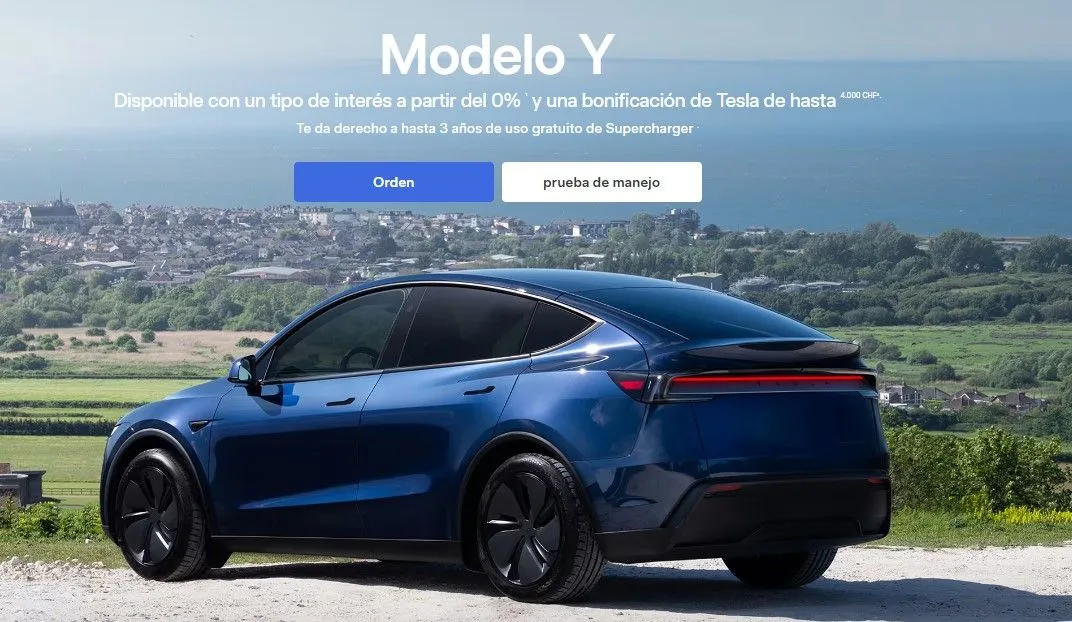
If demand in China continues to decline, more vehicles will need to be exported, meaning more cars will end up in Europe, where there is already a factory producing the Model Y. This will shorten delivery times, put pressure on inventory, and potentially lead to price cuts and more attractive offers.
When will this happen? It’s possible that as early as the first quarter of 2027, Tesla will need to make moves in Europe, where marketing efforts will have to be expanded across various markets to maintain demand. This is especially true as competition intensifies on the old continent with the arrival of offerings from companies like Xpeng, such as the L03 and L05 models, which will undoubtedly boost the market.