
Tesla loses the least, Chinese brands lose the most. Which electric cars maintain their value best?
In short:
The used electric vehicle market is changing
Since the beginning of 2026, the value of used electric vehicles has risen by over 9%, according to the EV Resale Index
The differences between various models are enormous
Tesla performs best, while Chinese brands fare much worse
Used BEVs and clear signs of change
Value loss has long been one of the biggest concerns when buying an electric car. Rapid battery technology advancements, frequent price drops on new vehicles, and the emergence of newer generations have caused electric cars to lose value very quickly over just a few years.
However, the latest data show the first clear signs of change. The Munich-based platform Aampere has released the EV Resale Index for the first time, based on nearly 5,000 electric vehicle auctions from the first nine months of 2026.
The result is interesting: used electric vehicles as a group are now valued by dealers higher than at the beginning of the year.
Used electric vehicles have gained over 9%
Aampere used January 2026 as the base level set at 100 points. In February, the index dropped to 96.1 points but then began to rise. It reached 107.1 points in May, 108.9 points in June, and 109.3 points in September. This represents a 9.3% increase compared to the start of the year.
This is significant because the data are not based on prices shown in listings. Aampere analyzes the highest bids submitted by professional dealers during used car auctions. The study included 4,854 auctions, with companies from ten European countries able to participate.
The result thus shows how much dealers are actually willing to pay for a particular car before selling it to a customer later.
This doesn’t mean, of course, that every electric car a few years old has seen a 9.3% price increase. The index reflects changes in pricing across the entire platform. Individual models can behave quite differently.
Tesla Model 3 retains its value best
The biggest difference is evident after three years of use. According to Aampere, an average electric car retains around 48% of its original list price at that point.
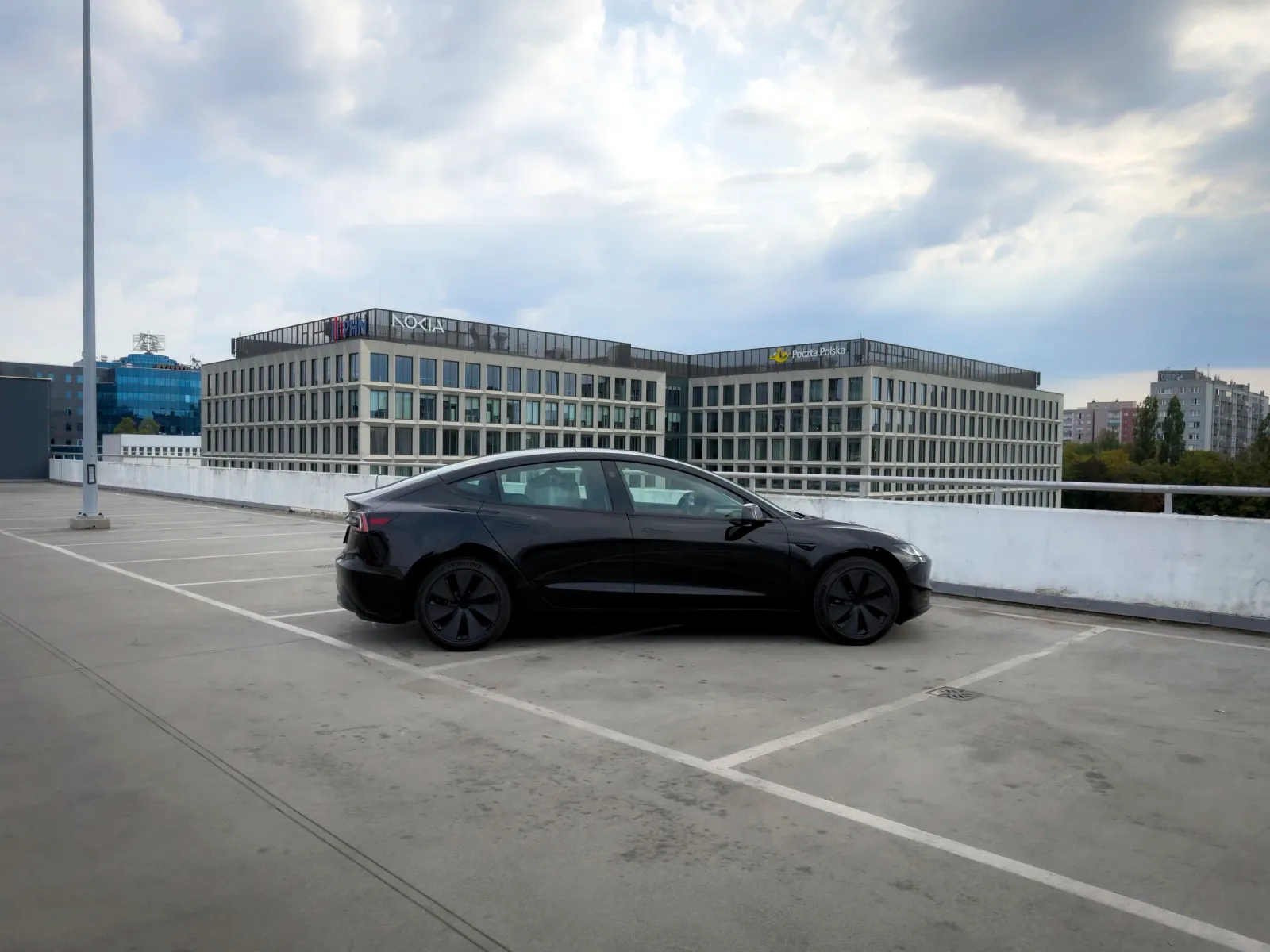
Teslas are well above this average. The Model 3 achieves an average residual value of 57.6% after 36 months. The Model Y is close behind with 55.9%. The average for Teslas is 57.2%.
For a car that cost 50,000 euros new, the difference between 57.2% and the market average of 48% means a residual value of about 4,600 euros higher, or roughly 20,000 zł more after three years.
However, it’s important to note the method of calculation. The reference point is the car’s original list price including options. The analysis does not take into account any discounts the buyer might have received when purchasing a new car. If the car was bought significantly below list price, the actual loss for the first owner will be different. It’s worth noting, though, that Tesla cars generally don’t come with discounts at dealerships.
BMW iX3 and Skoda Enyaq also above average
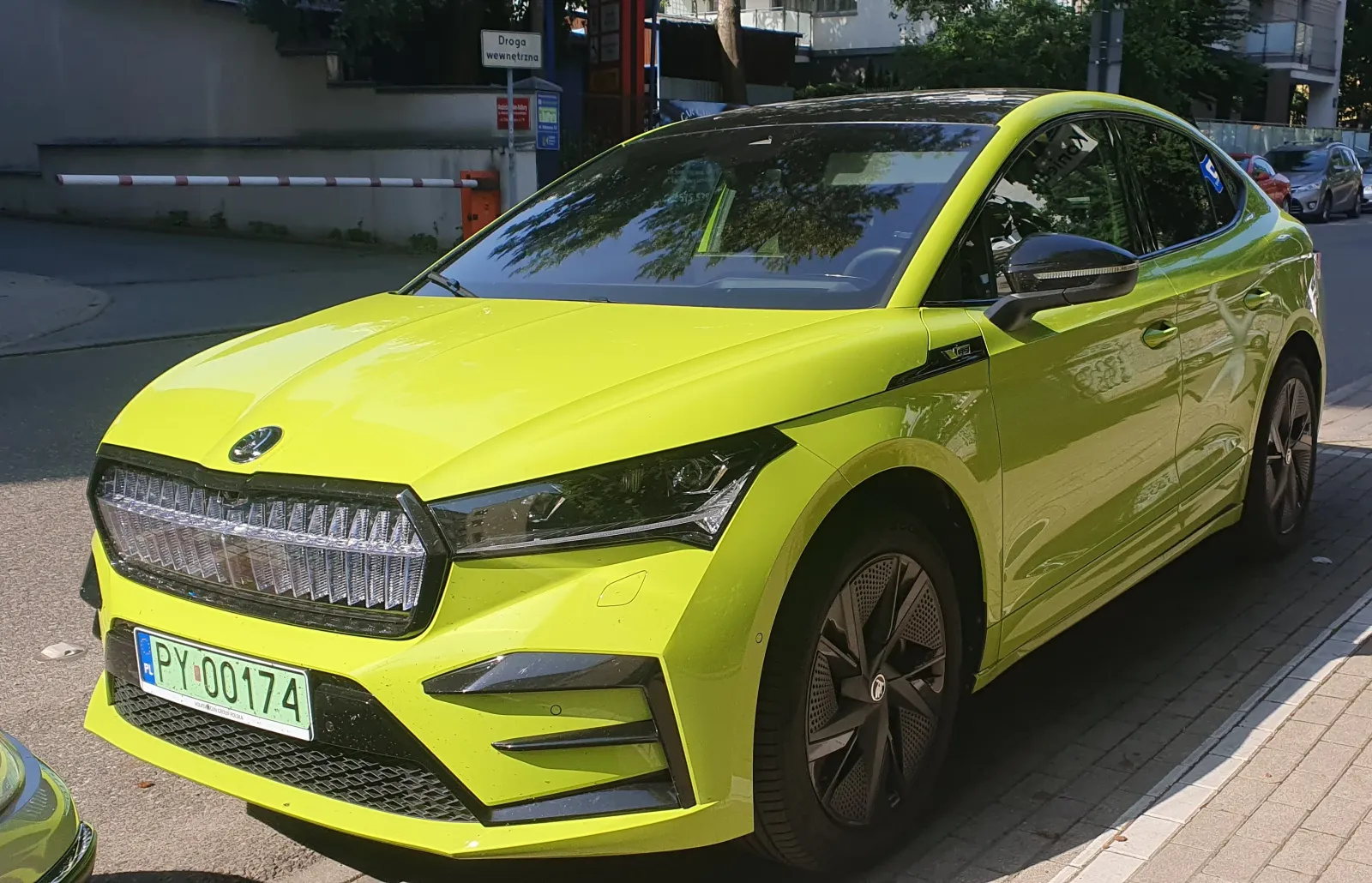
Behind Tesla were the BMW iX3 and Skoda Enyaq. After three years, the iX3 retains 50.7% of its list price according to the index, while the Enyaq retains exactly 50%. The Hyundai Ioniq 5 holds at 48.4%, a figure very close to the overall market average. Following them are the Kia EV6 with 47% and the Cupra Born at 46%.
The situation is more interesting for some of the pricier models from German brands. The BMW i4 retains 43% after 36 months, the Mercedes EQB 44.2%, while the Audi Q4 e-tron retains only 36%.
The comparison includes only models for which Aampere had sufficient data—at least 20 auctions. Therefore, the list should not be considered a complete ranking of all electric vehicles sold in Europe.
Electric Vehicles from China Significantly Below Average
The biggest disparity is seen with Chinese brands. A three-year-old electric vehicle from a Chinese brand retains on average about 41% of its original list price. For the overall market, this figure is 48%.
After four years, the gap widens further. The average market value of electric vehicles is then 42.1% of the list price, while Chinese brands retain on average 34.9%.
Aampere also notes lower interest from dealers. In comparable auctions, about 30% fewer dealers bid on Chinese brands of vehicles.
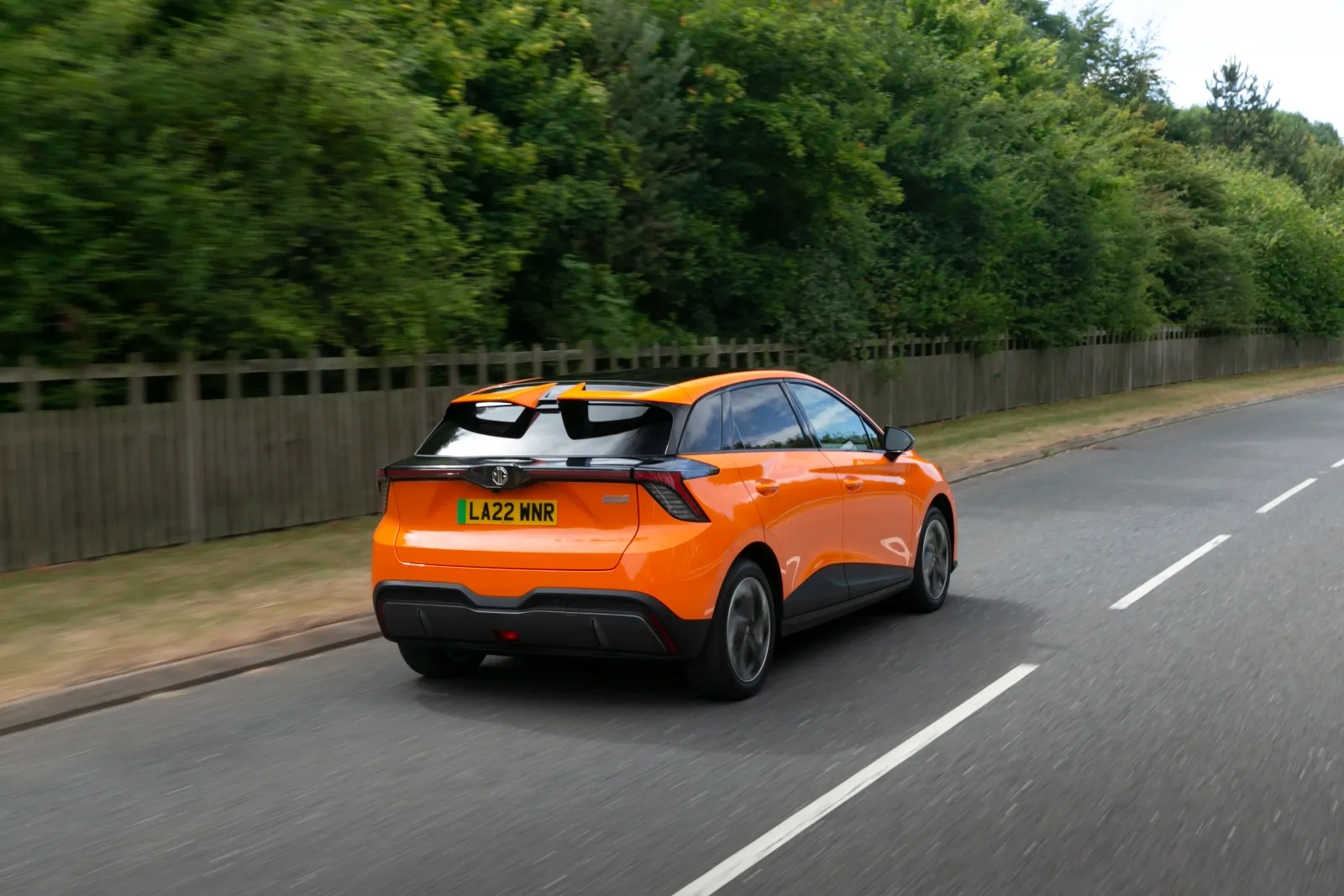
This does not mean, however, that all Chinese electric vehicles lose value at the same rate. The current sample has a significant limitation: there are still relatively few several-year-old vehicles from brands such as BYD or Xpeng on the European used market. The older models are mainly those from brands that entered Europe earlier, including MG and Aiways.
In two or three years, the situation might look different as more vehicles from Chinese manufacturers, currently sold as new, enter the used market.
Discounts on new cars matter
There is another element that is particularly important when analyzing Chinese brands: large discounts.
The residual value in the study is calculated relative to the official list price. If a manufacturer sells a car for 50,000 euros, but it can be regularly purchased at a dealership for 40,000 euros, then a few-year-old car priced at 20,000 euros will have a residual value of 40% according to the index.
For the owner who actually paid 40,000 euros, however, 50% of the amount spent remains intact.
This is an important caveat when comparing different brands as well. An aggressive discount policy in the new car market almost always affects used car prices later on.
The highest demand does not go to the cheapest electric cars
The breakdown by the car’s original price is also surprising. Electric vehicles that cost between 50,000 and 85,000 euros (around 218,000–371,000 zł) generate the most interest among dealers. This price range was used by Aampere as a benchmark for demand.
For cars priced at 40,000–50,000 euros (around 175,000–218,000 zł), the interest rate is 93 points. In the 30,000–40,000 euro range (around 131,000–175,000 zł), it drops to 69 points, and below 30,000 euros (around 131,000 zł), it’s only 48 points.
Even very expensive electric vehicles are not particularly easy to resell. For cars costing over 85,000 euros (around 371,000 zł), the index falls to around 75 points.
Thus, the easiest product for dealers is not a cheap city electric vehicle or a luxury model priced over 100,000 euros (around 437,000 zł), but rather a mid-range car — often a family SUV or sedan with good range.
The used electric car market is maturing
The first EV Resale Index does not yet mean that the problem of high depreciation for electric vehicles has disappeared. After three years, the average car in the study is still worth roughly half of its original list price.
It is clear, however, that all BEVs can no longer be treated as one group. The Tesla Model 3 retains almost 58% of its value after three years, while some models drop to around 36%. Brand, model, original price, discounts on new units, and demand for a specific car in the secondary market all play a significant role.
The most significant change is another: by 2026, dealers are willing to pay significantly more for used electric vehicles than at the beginning of the year. If this trend continues, the argument about the exceptionally rapid depreciation of electric cars may gradually lose its relevance. Meanwhile, early data show that for manufacturers from China, achieving a good residual value can be one of the toughest challenges in entering the European market.
Piotr Sobczyk