
Tesla is set to take over. Any problems? Yes. The VinFast monopoly
In short:
Elon Musk’s brand is preparing to enter Vietnam
South-East Asia is a highly promising market for electric cars
In Vietnam, Tesla may face competition from VinFast, a local brand
It controls 92% of electric car sales and has one of the largest charging networks in the region
Tesla Motors Vietnam
The Americans have taken the first step on Vietnamese soil. According to CNBC, the company registered a local entity named Tesla Motors Vietnam, paving the way for it to operate in a market that has become one of the most interesting spots on the global electric mobility map in recent years.
The timing is no coincidence. According to data from the International Energy Agency (IEA), Vietnam became the largest electric vehicle market in Southeast Asia last year. EV sales there more than doubled, with e-vehicles accounting for nearly 40 percent of all new cars registered in the country. This figure is higher than that of many European countries, not to mention the global average of around 25 percent.
The growth momentum is even more significant when looking back to 2020, when electromobility played almost no role in Vietnam. Today, the IEA predicts that by 2035, electric vehicles could account for over 80 percent of new car sales there, the highest rate in the entire region!
A worthy opponent awaits the Americans
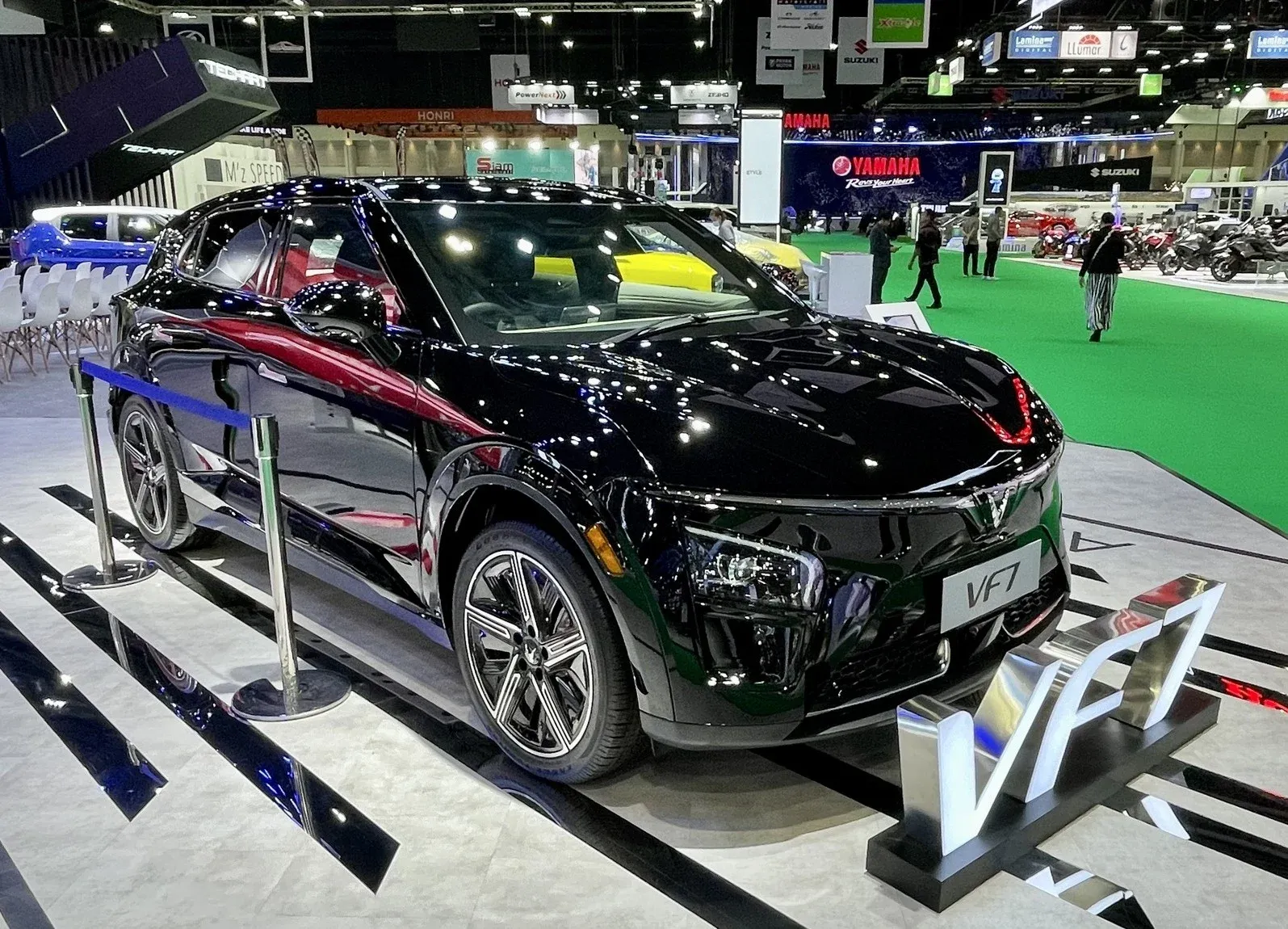
Although Tesla remains one of the world’s most recognizable automotive brands, it will have to compete in Vietnam with an exceptionally strong local player. That player is VinFast, part of the Vingroup conglomerate controlled by billionaire Pham Nhat Vuong.
According to HSC Research’s analysis, the brand currently holds around 92 percent of Vietnam’s battery electric vehicle market. Moreover, the company not only sells vehicles but has also built a comprehensive ecosystem around them, including charging, financing, maintenance, and mobility services.
In the first eight months of 2026, the manufacturer sold over 154,000 cars in Vietnam and has maintained its position as market leader for 24 consecutive months. In 2025, VinFasta’s share of the overall passenger car market was expected to rise to around 36%, up from about 22% the previous year.
An additional advantage is its financial strength. Vingroup itself generated revenues of 221.97 billion dong in the first half of 2026, which is approximately $8.5 billion, according to Cmoney’s calculations.
VinFasta’s advantage extends beyond cars
Analysts note that the competition between Tesla and VinFast will not resemble the typical rivalry between two automakers. “It will be difficult for Tesla to compete with VinFast in Vietnam, as VinFast’s advantages extend far beyond just product availability,” said Koketso Tsoai, senior automotive market analyst at BMI, as cited by CNBC.
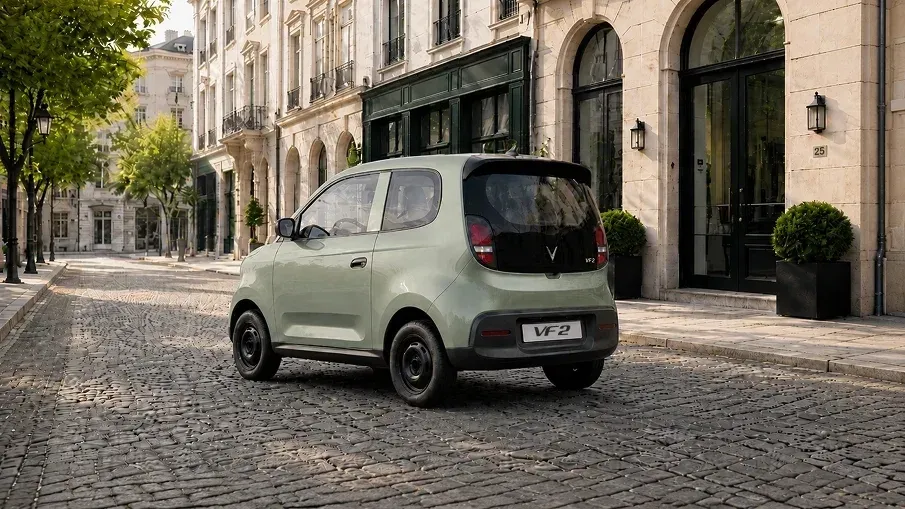
A key element of this advantage remains infrastructure. VinFast has its own network of over 150,000 charging stations for its vehicles. This is the largest such system in the country. The company is further expanding it through partnerships with fuel station operators Petrolimex and PVOIL.
"The charging and after-sales service network gives VinFast tremendous visibility among customers and reduces the perceived risks associated with owning an electric vehicle," emphasizes Tsoai.
What is an advantage for VinFast represents a challenge for Tesla, namely the need to build from scratch not only sales and service but also customer trust in the charging infrastructure. This is especially true since, as analysts note, Vietnamese consumers remain highly sensitive to vehicle prices and practical usage costs.
Tesla can rely on the strength of its brand
Despite VinFast’s dominance, entering the market is not without merit. Vietnam has a rapidly growing middle class, and the country’s economy grew by 8% in 2025. According to World Bank data, GDP per capita reached $5,066. According to Peter Richardson of Counterpoint Research, the biggest advantages of the American brand remain its “strong global brand presence, advanced technology, and software that can attract premium segment buyers.”
What’s important is that Tesla remains one of the most valuable automotive brands in the world. Statista indicates that in March 2025, it was the most valuable brand in the automotive sector, far ahead of Toyota. Sales figures also show that the company is regaining some of its growth momentum. In the second quarter of 2026, it delivered over 480,000 vehicles globally, a 25 percent increase from the previous year. As much as 95-97 percent of these sales came from the Model 3 and Model Y models.
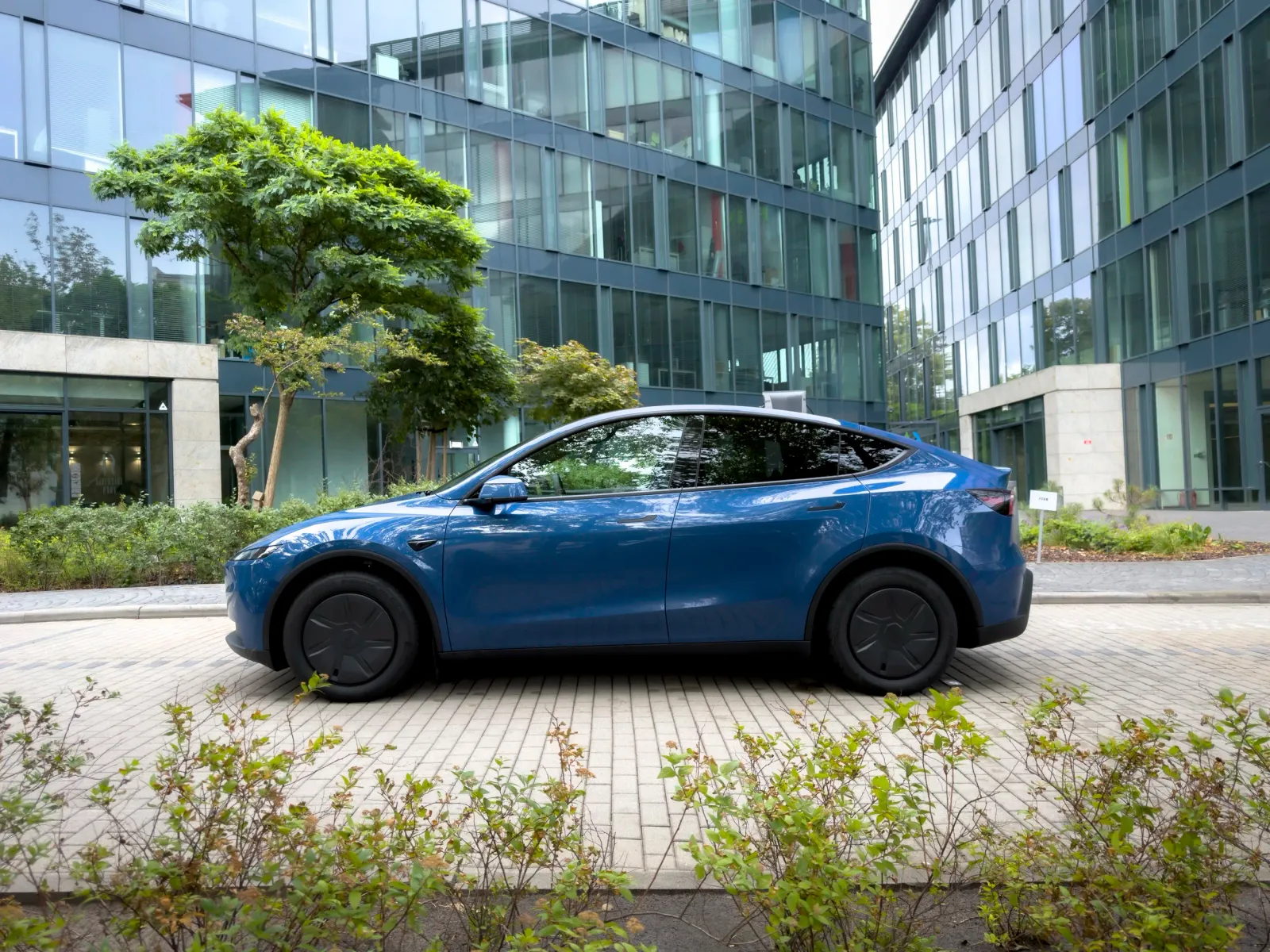
It is these two vehicles that are considered the most likely candidates to make their debut in the Vietnamese market. The Model Y, in particular, is expected to account for the majority of sales among customers interested in premium electric SUVs.
It’s not a race for electrification, but for prestige
Paradoxically, Tesla’s biggest challenge may not be convincing Vietnamese people to adopt electric cars. The market has already overcome this stage. As Koketso Tsoai notes, Vietnam now has a “national champion and a rapidly developing mobility ecosystem” that are driving the popularity of electric vehicles. Therefore, Tesla’s future will depend not on creating demand for electric cars but on proving to customers that its brand, technology, and user experience justify a higher price than local alternatives.
Supparoek Sawangwong from Mobility Global views the situation similarly. He believes that Tesla and VinFast will initially serve as benchmarks for each other rather than direct competitors. The American brand, however, can benefit from still being perceived among some Vietnamese consumers as a symbol of modernity and technological prestige.
Conclusion? It won’t be easy.
Yet this may not be enough to challenge the dominance of the local leader. If Tesla truly decides to go on offense in Vietnam, it will have to contend not only with the car manufacturer but also with the entire ecosystem that already drives transportation transformation in one of the world’s fastest-electrifying countries.
The registration of Tesla Motors Vietnam itself is proof that the American manufacturer is not only exploring market potential but also preparing the formal infrastructure to commence operations. According to Nikkei Asia, the newly established company was registered in Ho Chi Minh City with a registered capital of 77.7 billion dong (approximately $3 million). David Jon Feinstein, a manager associated with Tesla in Austin, Texas, will lead the company.
The Americans will face challenges, as reported by Vietnam Economic Times, with 48,484 cars sold in Vietnam alone in August of this year, of which 20,161 were VinFast vehicles, giving the local manufacturer a 42% market share. This further demonstrates that the upcoming competition will not be between a global leader and a local newcomer, but rather an attempt to enter a market dominated by a national champion.
Oskar Włostowski