
Tesla moved to a subscription-based FSD. After a total loss, former customers are left with nothing.
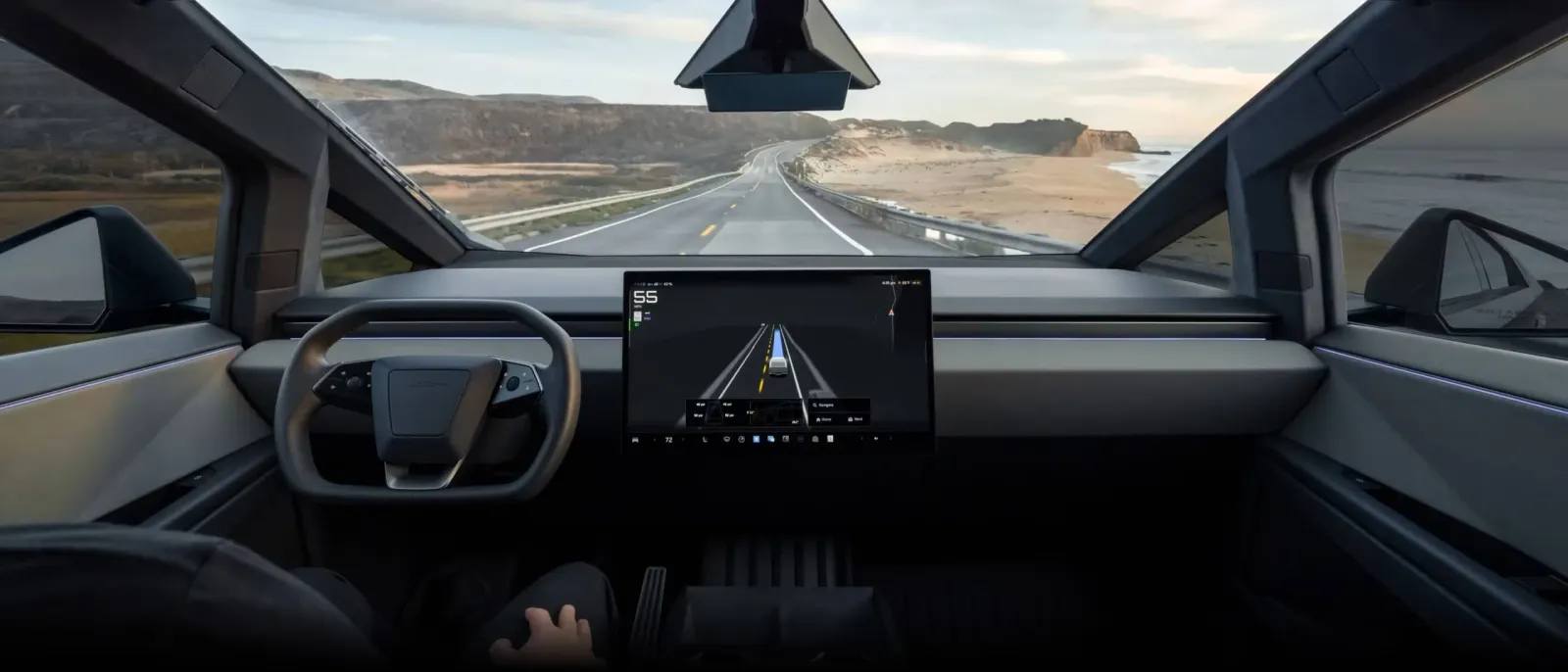
Tesla discontinued one-time FSD purchases in certain markets in 2026, including North America and Europe, and switched to a subscription model. The problem arises when a vehicle with “lifetime” FSD is totaled—owners lose not only the car but also the license, which cannot be repurchased in its original form.
For insurers, FSD is a hassle because assessors can evaluate bumpers, windows, or batteries, but they struggle much more with proprietary software packages. In practice, such a license is valued at several hundred or even thousands of dollars, although it historically cost much more. Today, it’s impossible to recreate since Tesla has ended the option to purchase it “permanently.”
The situation becomes really uncomfortable here. If a driver had a Tesla with FSD purchased, and after an accident wants to return to the brand, they won’t get the same configuration back. They’ll be left with a $99 monthly subscription, which is unlikely to get cheaper over time. In other words: the customer paid once for the feature, suffered a total loss, buys another car of the same brand, and ends up in the sales cycle again, only under worse terms.
The problem isn’t the body panels, but the VIN and license
Tesla is selling more and more things as services these days, but older cars with proprietary FSD are still on the roads. If such a vehicle is canceled by an insurance company, the license is tied to a specific VIN and essentially dies along with the car.
This is also a weak point in terms of image. Tesla has been building a narrative around the safety of its vehicles for years, so after a serious accident, it’s natural for some customers to buy another Tesla. The issue is that when scrapping the previous car, the brand doesn’t transfer the most valuable digital add-on, for which the customer already paid.
For Tesla, this would be a $0 operation
The strongest argument is straightforward: transferring FSD from one VIN to another requires no new hardware, shipping, or production. It’s not a retrofit of HW3, but rather a change in the digital authorization within the system.
Therefore, a simple exception seems logical: transferring FSD only in cases of total damage confirmed by the insurance company. There will be fewer such cars year after year, as the pool of older Teslas with “lifetime” FSD naturally shrinks, so the impact on subscription revenue should be limited.
Tesla likes to speak in software terms, but here the software acts like a flimsy add-on to the hardware – and that’s what bothers people the most. In the event of a total loss, should the brand transfer FSD to the owner’s next Tesla?
Order your Tesla and take advantage of purchase bonuses using the referral link!
LovEV Newsletter
Want more content like this?
Sign up – we’ll send you a weekly summary once the newsletter starts.