
Tesla offered FSD, but most cars are not allowed to use it. A Korean authority is handling the case.
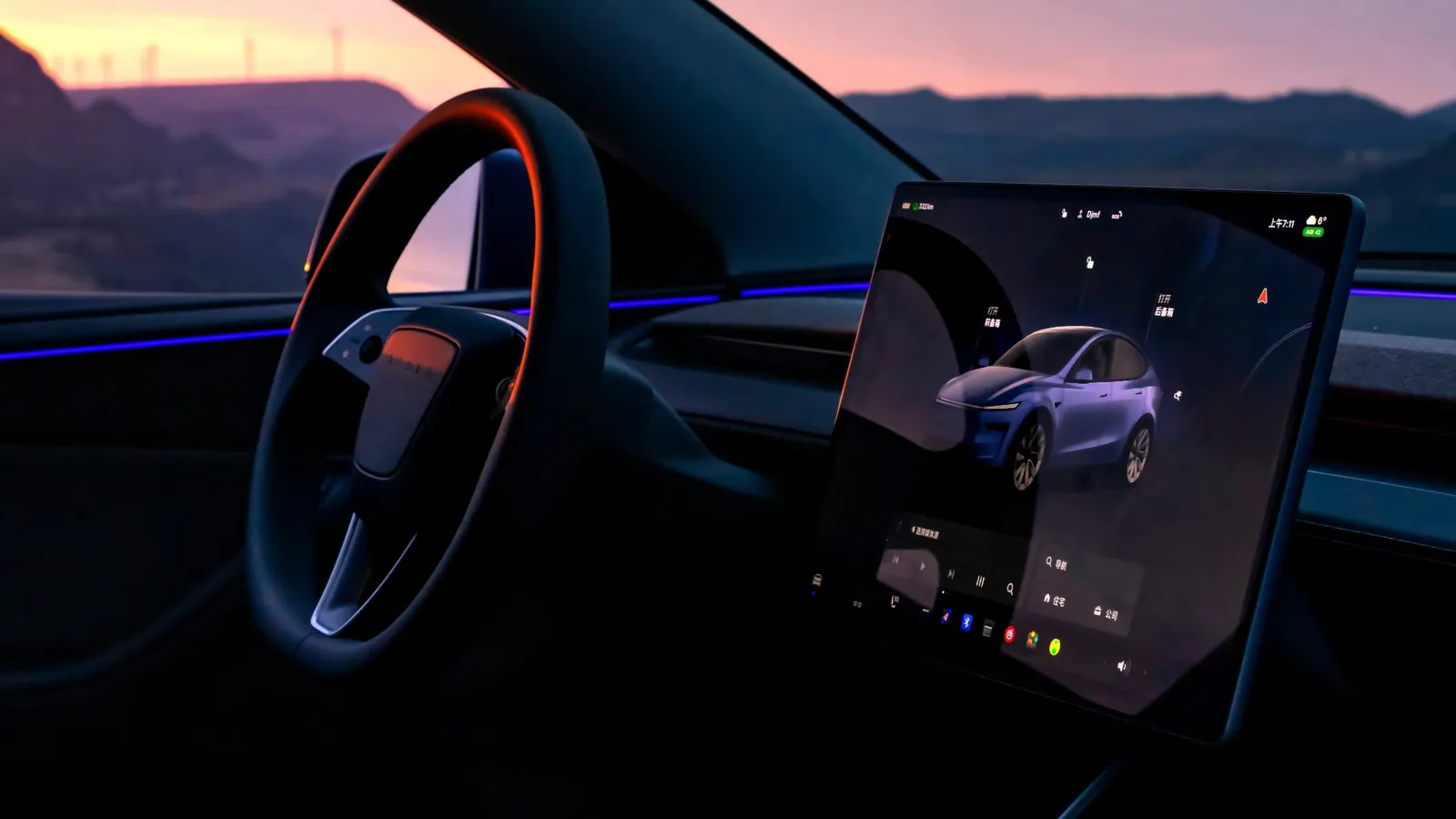
FSD can be used in South Korea on approximately one-fifth of registered Tesla vehicles. A consumer organization is criticizing the promotion of this system for the remaining cars.
Where Tesla was built also matters
Purchasing a vehicle, paying extra for advanced driver assistance, and then waiting for it to become available. This is the experience some South Korean Tesla customers face. For the FSD (Supervised) system, the country of manufacture significantly affects its availability.
The system can be used in the country on about 20% of registered Teslas that come from American factories. These meet American safety standards recognized by South Korea under a trade agreement. However, most local Teslas arrive from China.
Approval for Chinese vehicles is still lacking. Therefore, their owners cannot rely solely on paying for the software package. Additionally, even after it becomes available, FSD requires active driver supervision, with the driver remaining responsible for driving.
Consumer group criticizes advertising promises
The organization Citizens United for Consumer Sovereignty announced its intention to file a complaint with the Korea Fair Trade Commission. It accuses Tesla of promoting FSD without providing clear warnings about the limitations for most of the vehicles sold.
The objections also relate to last year’s advertising promising early availability and a demonstration video shot in South Korea. The organization demands a temporary halt to FSD advertising for ineligible cars and administrative fines.
The authority is already investigating the FSD advertisement and has received written statements from Tesla. The automaker has not responded to inquiries about a potential complaint. Thus, the allegations of deceptive marketing remain claims by a consumer organization, pending a decision by the authority.
The restrictions applied to almost all last year’s new vehicles
Data submitted to South Korea’s parliament illustrates the scale of the problem. In 2025, 99% of newly sold Teslas in the country could not legally use FSD. This figure refers to last year’s sales, not all registered vehicles of the brand.
Since 2023, Tesla has sold more than 170,000 vehicles manufactured in Shanghai in South Korea. However, it is unknown how many of their owners actually paid for FSD. Therefore, the total number of imported cars cannot be equated with the number of customers who paid for the system.
Previously, customers paid a one-time fee of 9.043 million wones for the package. In August 2026, Tesla switched to a subscription fee of 150,000 wones per month. It was only recently that the company began the process to obtain certification for its cars in China.
Court denied refunds to 88 owners
88 owners took a separate route by demanding a full refund of the amount paid for FSD. The court in Seoul rejected their lawsuit on October 29. It concluded that the automaker had not violated its contractual obligations.
It was important to note that the package did not promise fully driverless operation, and Tesla had already provided some of the included features. The court linked the release of additional capabilities to technical development and necessary approvals. According to the court, customers were aware that the wait could be long.
The legal dispute over refund and the investigation into the advertisement address different issues. However, the case offers a common lesson for buyers. Before purchasing software packages, verify which functions are available for their specific vehicle and market, and which are still pending approval.
Sources:
original text / Elektrickevozy.cz
Reuters
South China Morning Post