Tesla Model Y – we tested the budget version of this bestseller. Is it a bargain or a price trap?
Key information
The base Tesla Model Y currently costs from 189,990 PLN.
Tesla has significantly reduced the level of equipment compared to the premium version.
The car offers a range of 525 km, a top speed of 201 km/h, and an acceleration time of 7.2 seconds to 100 km/h.
Challenges with this model still include charging issues, as well as the lack of CarPlay and Android Auto.
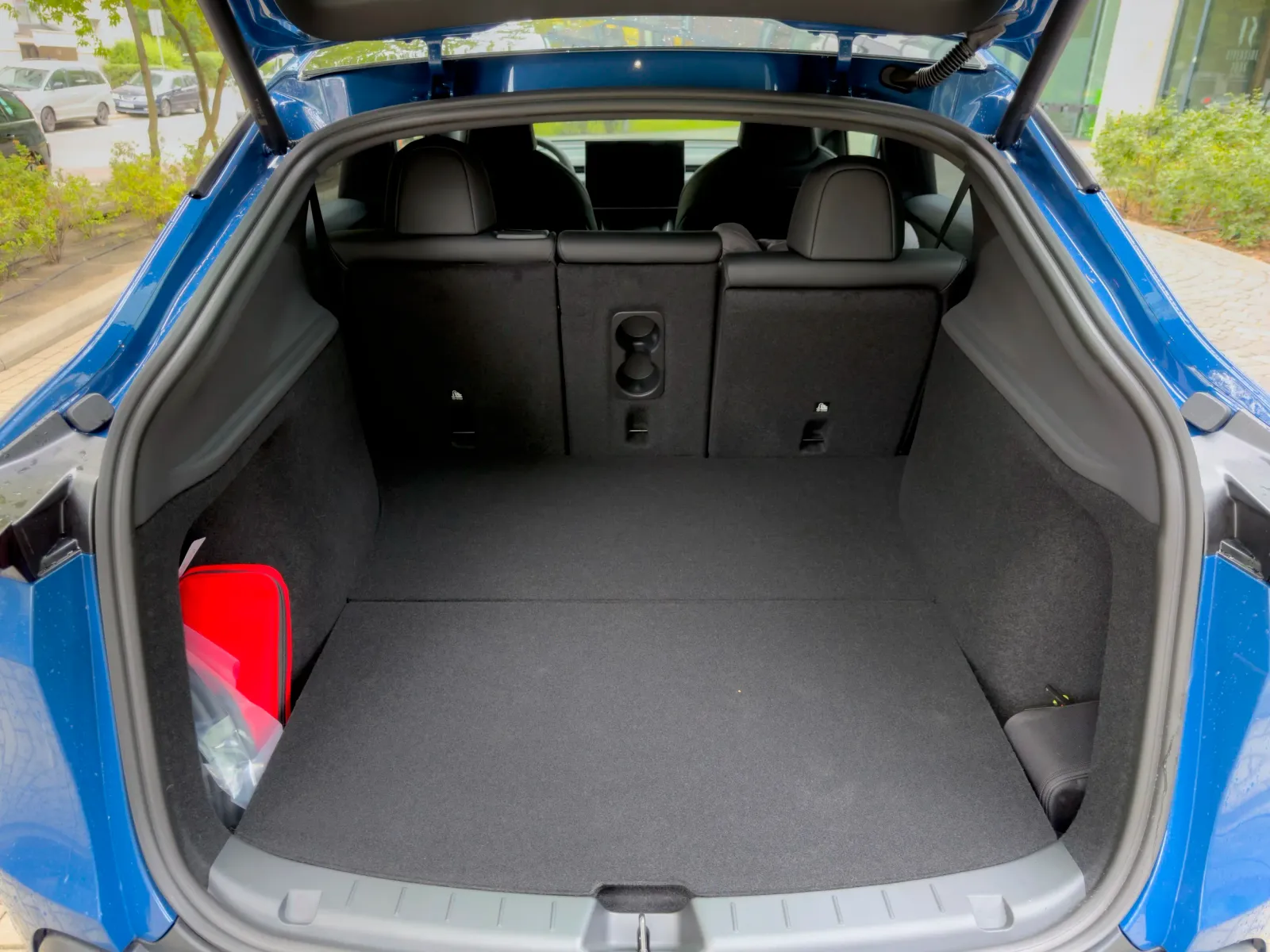
The base Tesla Y also lacks a trunk shelf; the one from the Premium version does not fit either.
https://www.tiktok.com/@maciek_gis/video/7666079605102562582
Tesla Model Y: prices that are hard to keep track of
The base Model Y was added to the Polish pricing list in autumn 2025 with an initial price of 184,990 PLN. However, starting in February 2026, Tesla reduced the actual purchase cost – through the “Tesla Bonus” promotion with a discount of 18,750 PLN, the car cost 166,240 PLN. Now, however, the pricing has returned to normal levels, meaning the current starting price is 189,990 PLN. The naming has also changed too: what was previously labeled “Standard” is now simply listed as Model Y in the pricing, the old Model Y became the Premium version, and a Standard Long Range variant was added between them.
Tesla Model Y: Where were the savings made?
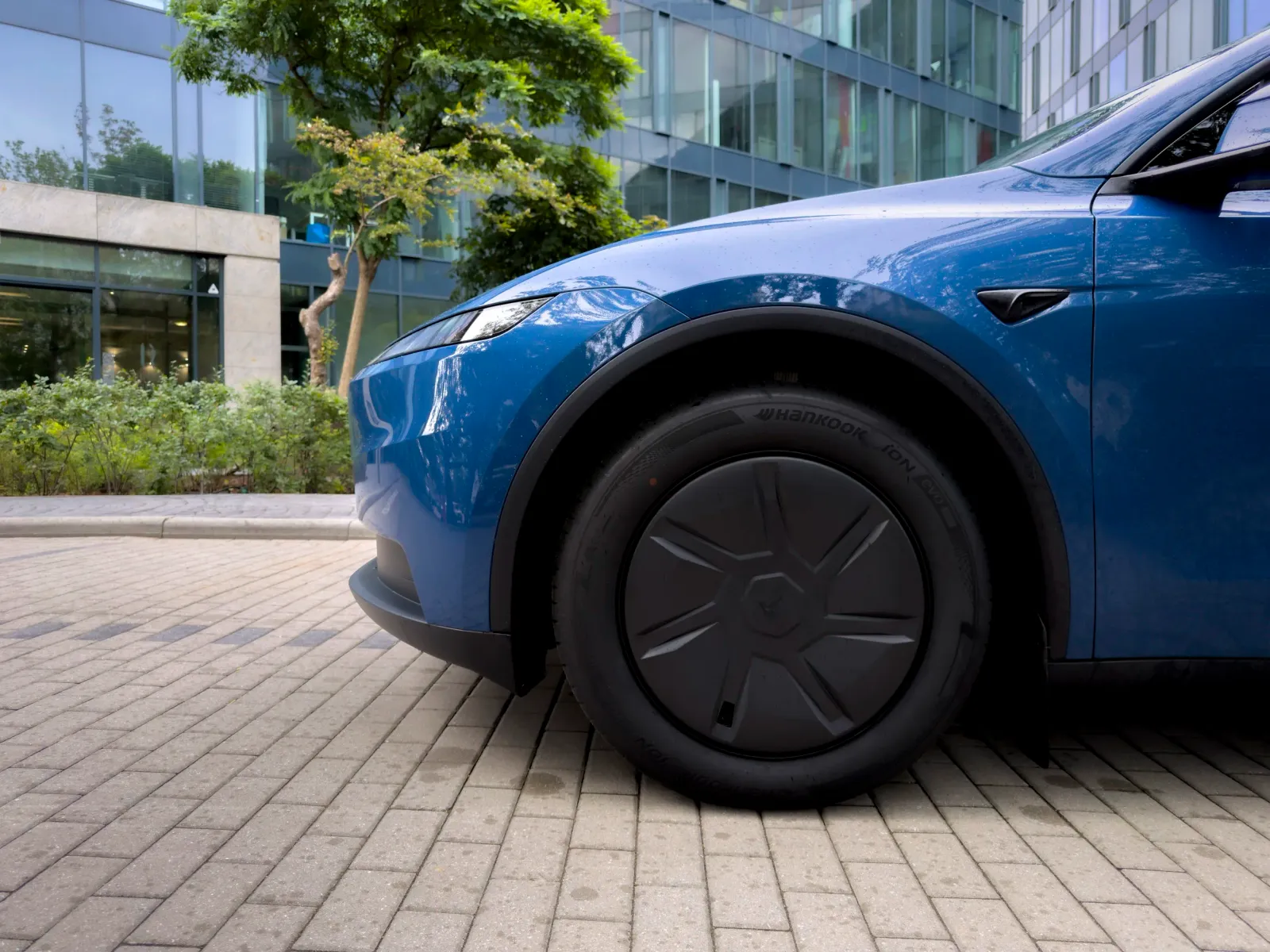
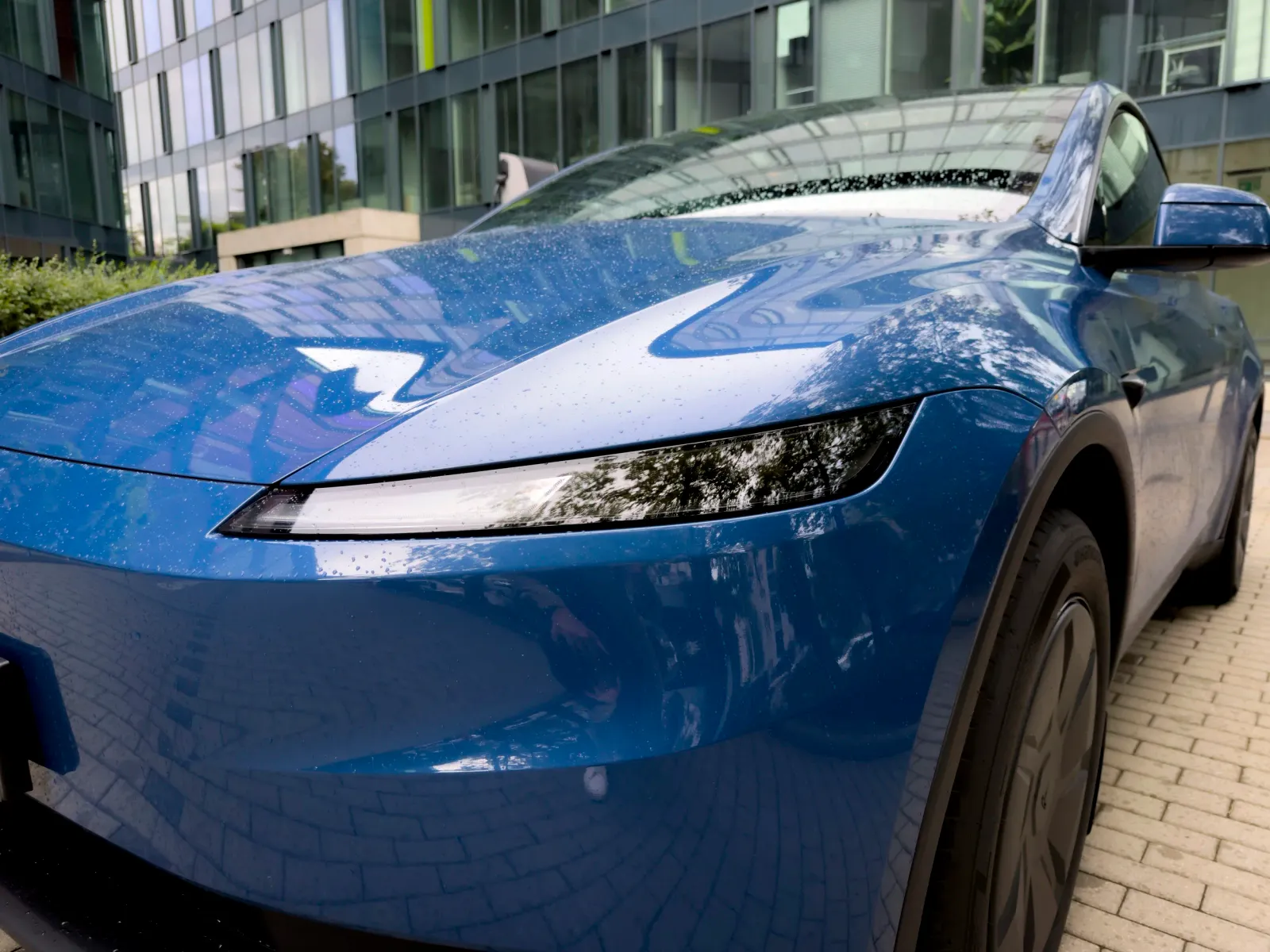
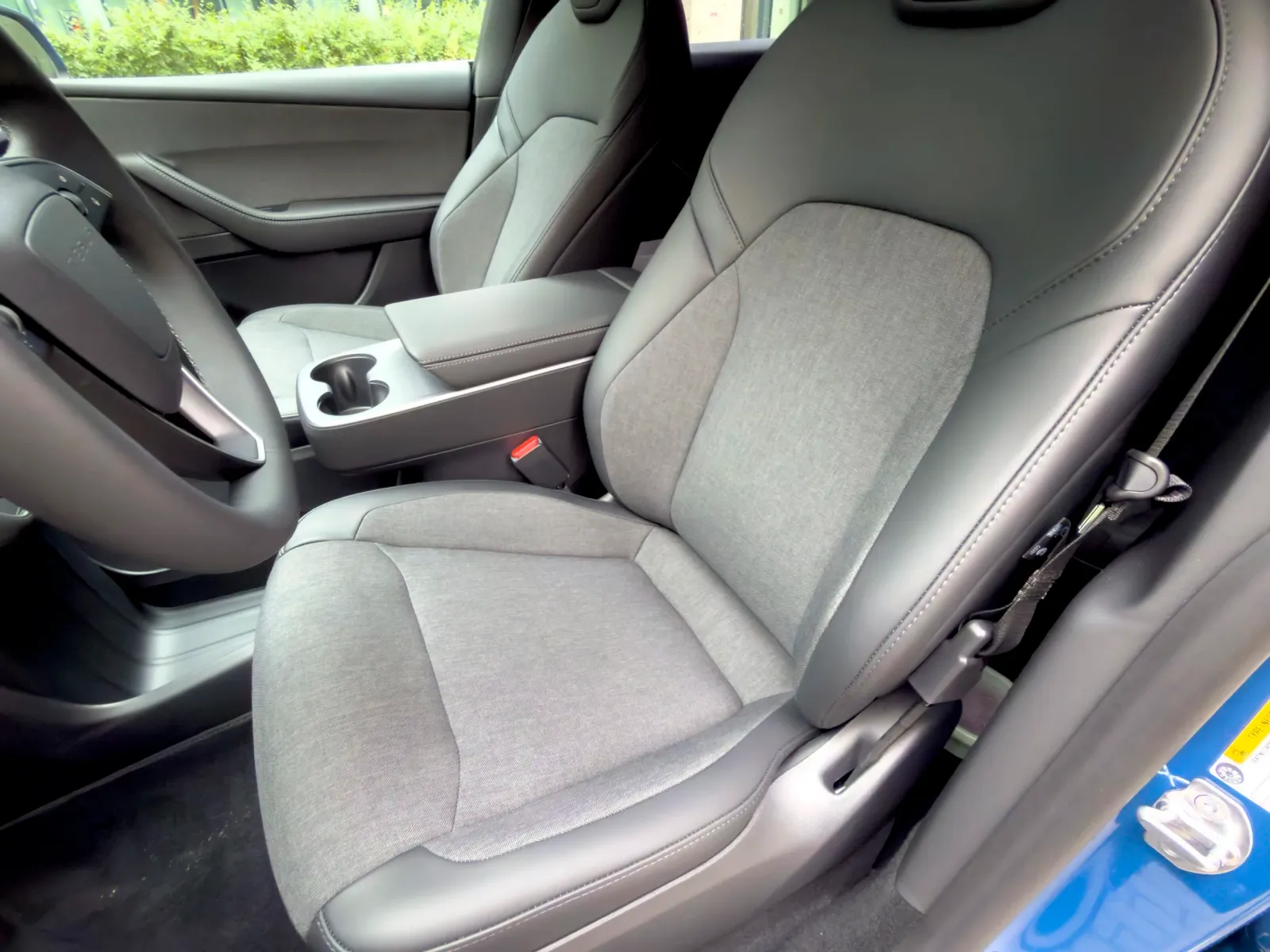
The list of cuts is long, but most relate to features that aren’t essential for Tesla’s minimalist interior to function well. Externally, the light strips on the front and rear have been removed along with some decorative elements. Standard are 18-inch steel wheels with covers. Inside, the ambient lighting, LCD screen for second-row passengers, rear seat heating, and front seat ventilation have been removed, while physical seat adjustments are now controlled via the central display. The glass roof remains a structural element but is covered by a black undertray. The eco-leather upholstery has been replaced with fabric, and there are fewer speakers (7 speakers in total).
Reviewers consistently emphasized that the build quality of vehicles produced at the factory near Berlin, Germany, is flawless—nothing rattles even on uneven surfaces, which wasn’t the case with Teslas just a few years ago.
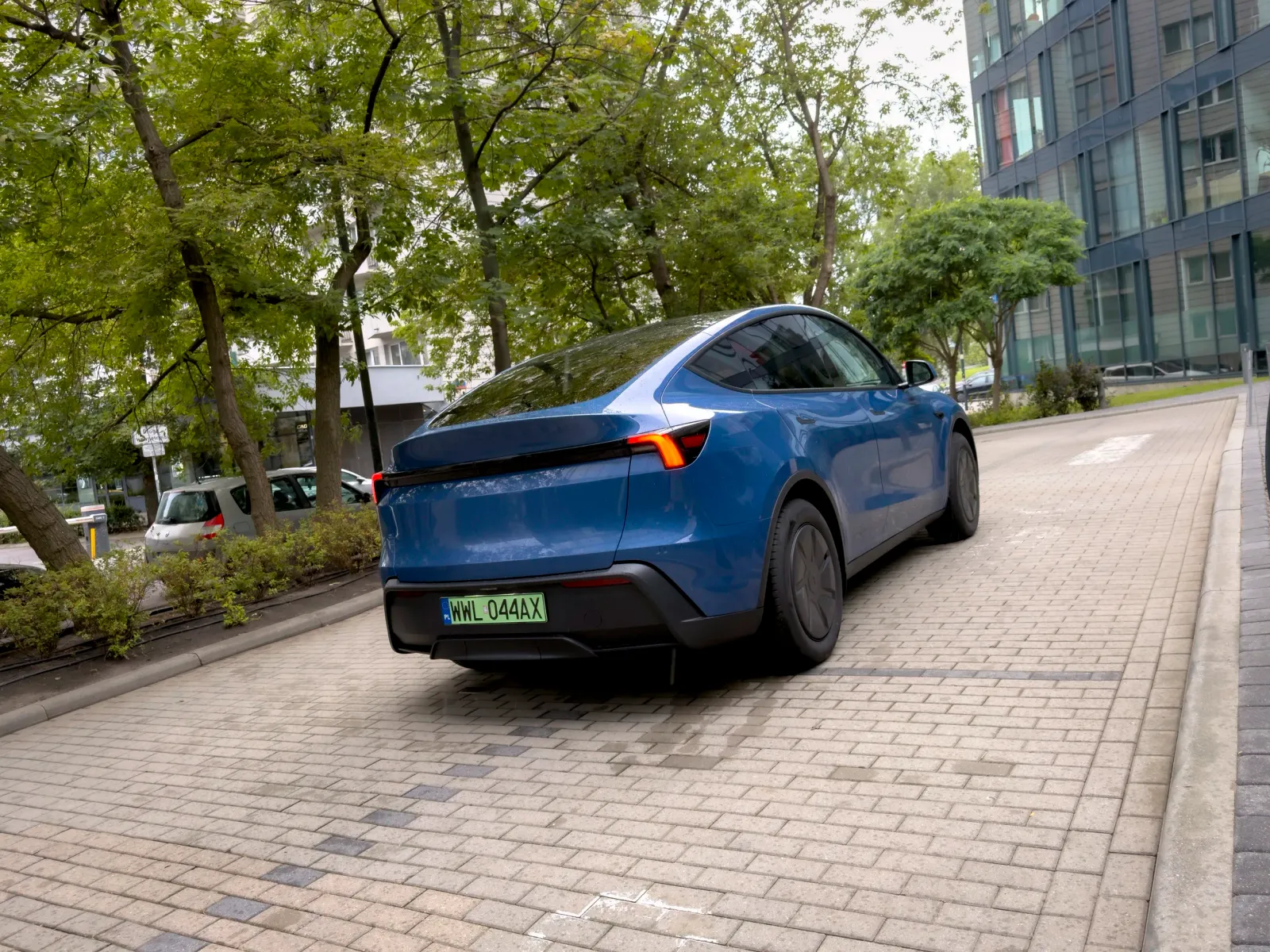
Tesla Model Y: Not Everything Is Revealed
Tesla does not specify either the engine power or the exact battery capacity in its pricing. Based on available data, the single motor located on the rear axle has a power output of around 299 horsepower. It enables the car to accelerate from 0 to 100 km/h in 7.2 seconds, with a top speed of 201 km/h. The claimed range is 534 km under the WLTP cycle, while the average energy consumption is approximately 13 kWh/100 km. The LFP (lithium-iron-phosphate) battery has an estimated capacity of around 60 kWh, supplied by CATL.
Here lies Tesla’s greatest advantage: energy efficiency. Under spring conditions, the car could easily achieve an urban energy consumption of around 10-11 kWh/100 km. On the road, this figure rose only to 14-15 kWh/100 km. No competing electric vehicle—including China’s Xpeng G6—has matched the efficiency of this American SUV.
Tesla Model Y: Where Does It Fall Short?
The weakness remains charging. The maximum power (at peak) is 175 kW. This means the base Model Y cannot utilize the potential of the fastest chargers with 350–400 or even 600 kW available in Poland’s public charging network. Charging the battery from 20% to 80% takes about half an hour under favorable conditions, which is long for electric vehicles available today. However, this is offset by access to a comprehensive and reliable Supercharger network still considered exemplary in the market (Tesla users can charge as little as 1 zł/kWh, depending on location).
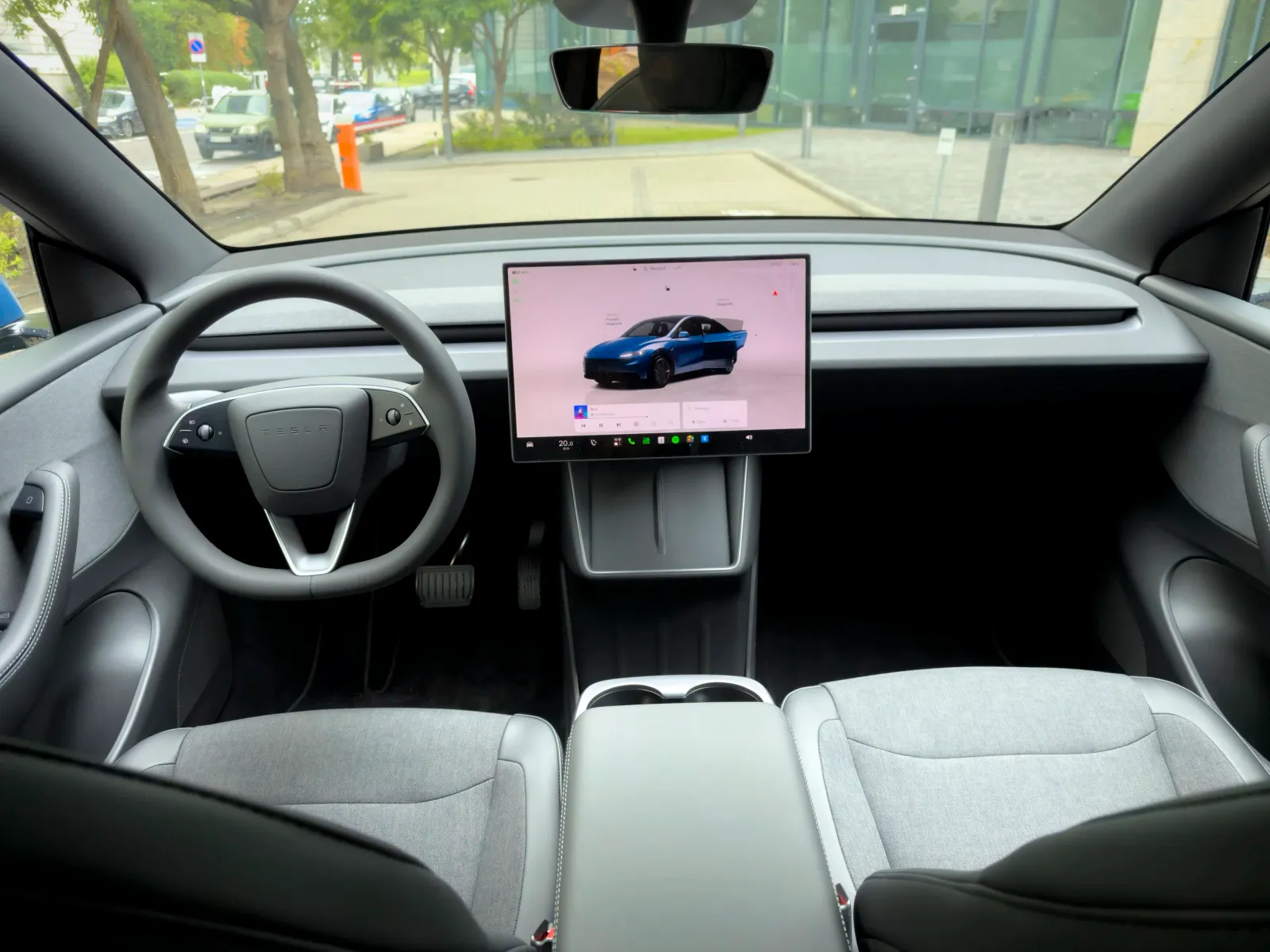
The second barrier — not only in the base version — is the lack of support for Apple CarPlay and Android Auto. Tesla consistently focuses on its own ecosystem, which can be a real drawback for some drivers switching from other brands. The so-called basic autopilot, or adaptive cruise control, is standard; additional features require an extra payment of 19,500 zł, while the “full self-driving capability” package costs 420 zł per month (no one-time payment option) — even though true fully autonomous driving still does not exist.
Tesla Model Y: Space as a selling point
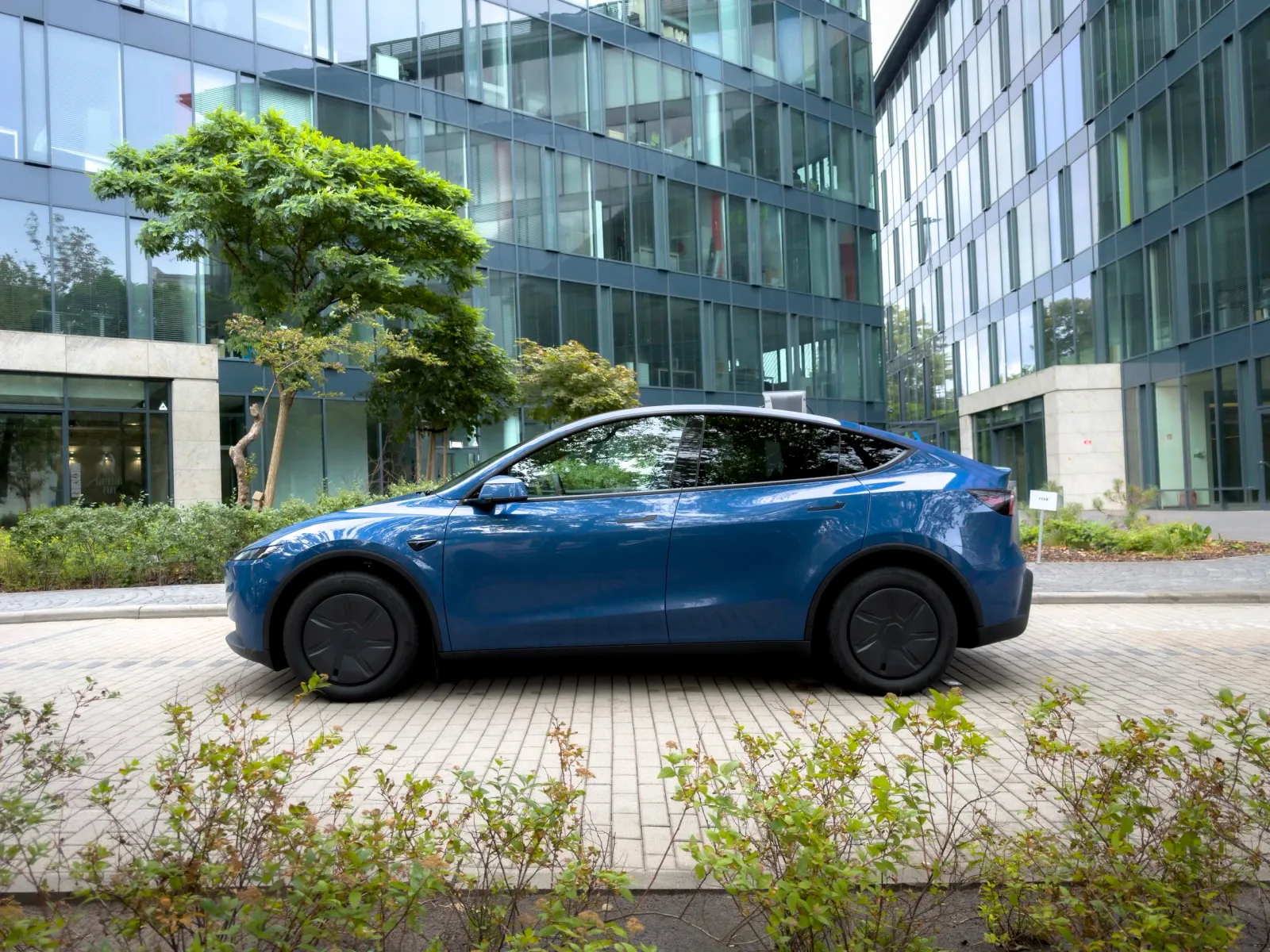
The area where the Model Y is undisputedly superior is practicality. Its trunk holds 835 to 2118 liters (plus a 117-liter frunk), and the passenger space at the back—along with footroom—is better than what the smaller Model 3 offers, which is essentially a sedan with a tiny hatch. Additionally, it can tow a trailer up to 1.6 tons and has no mandatory regular inspections, reducing maintenance costs. The only real drawback is the lack of a rear trunk shelf. Worse still, the one in the Premium version won’t fit here. This might not be a problem for the Chinese market, but in Europe it’s standard, and for many it might represent an excessive saving.
Tesla Model Y: A Good Car, Reasonable Price?
The Model Y is a technically successful, fuel-efficient, and spacious electric vehicle that even without any extras offers more than many competitors. The issue lies in its pricing strategy. The Long Range version—with a larger battery—is only 35,000 zlotys more expensive than the base model, which forces one to ask a very important question: is it worth paying that much for such a paradoxically small difference?
For the Polish market, where price remains the biggest barrier to entering electric mobility even after subsidies end, a cheaper Tesla is a step in the right direction. The question is whether it’s bold enough. The base Model Y holds its own as a product, but shouldn’t its pricing be even lower?
Maciej Gis
Tesla Model Y: Gallery