
Tesla had 476 robotaxis registered in Texas. Eight are still in operation.
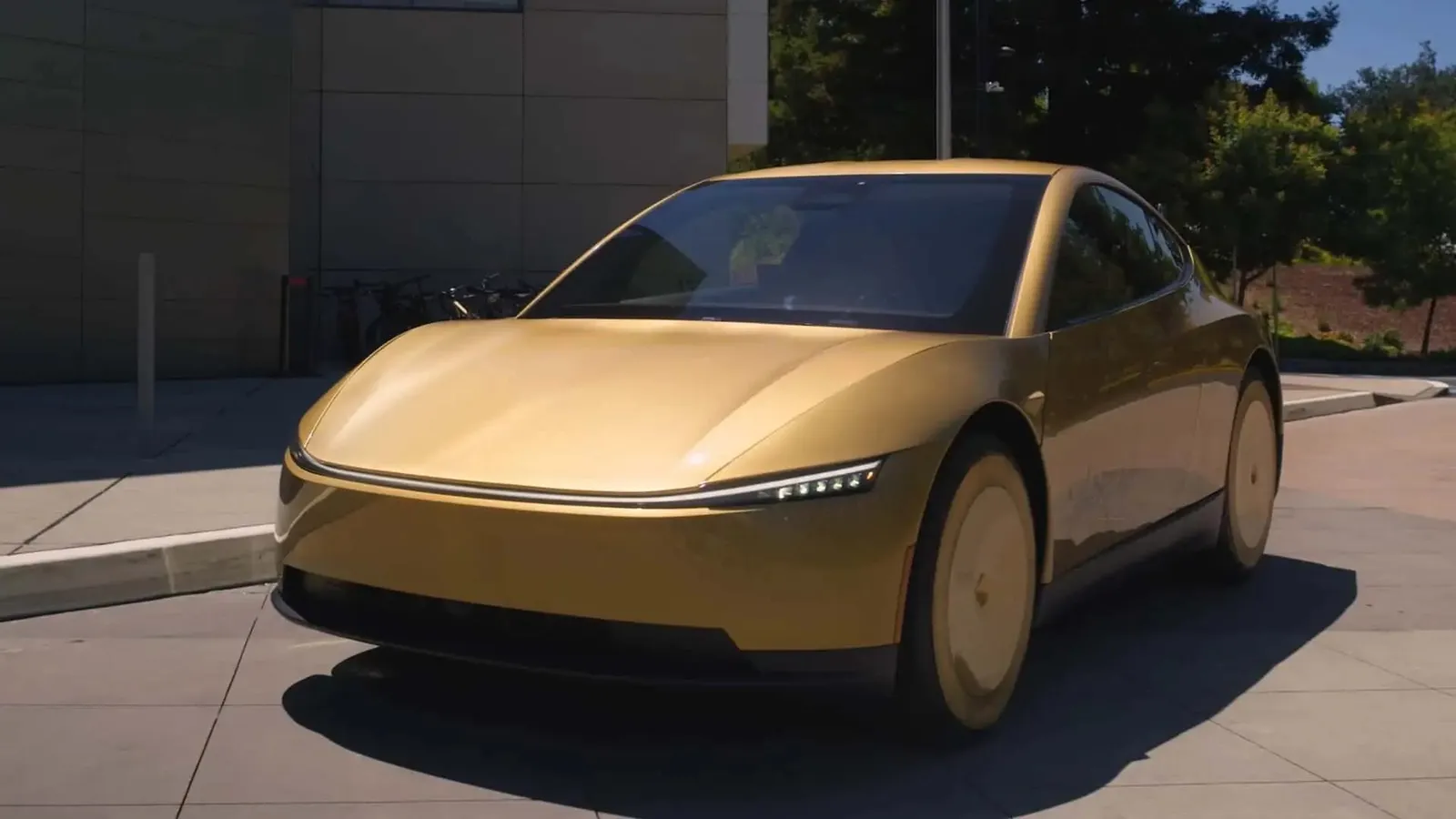
Tesla has registered 476 autonomous vehicles in Texas, but according to Robotaxi Tracker, only eight were seen transporting passengers in Austin during the week ending September 22. After a local presentation of the Cybercab on September 3, the number of observed robotaxis temporarily exceeded 100.
There is a significant difference between the fleet listed in the registry and the service that passengers can actually use.
The registry is growing, but the active fleet has returned to its starting point
Tesla currently has 409 Model Y vehicles and 67 Cybercabs in the Texas registry. As many as 285 new VIN numbers were added over the past 30 days. This figure is often highlighted by the company’s supporters because it appears to indicate rapid expansion of the service.
The issue is that the VIN in the administrative database does not indicate a vehicle used to transport people. Observers identified 265 of these vehicles by their license plates on roads, with 179 seen in use over the past 30 days. In the last seven days, only eight were operating with passengers.
This level is similar to that in June 2025 when Tesla launched the service in Austin. Throughout most of 2026, the tracker typically saw 20-40 active robotaxis. After the Cybercab incident, there was a brief spike above 100, after which the figure dropped rapidly.
Tesla does not publicly confirm how many vehicles it has handling rides simultaneously or how it defines an active fleet. The data from street observations is also not audited by the operator. However, it provides a more useful insight than just the registry: whether a passenger will actually encounter a vehicle available for ride-hailing.
Cybercab can turn 10 minutes into 70
In the days following Cybercab’s launch, reports of rides showed a lack of reliability that undermined confidence in the service. One passenger ordered a ride from 99 Ranch to The Domain in Austin. What should have taken about 10 minutes actually took 70 minutes.
Cybercab did not take the direct route but headed far south through East Austin. The Robotaxi app failed to provide the passenger with an estimated travel time before the ride was booked.
Part of the problem may stem from operational constraints rather than a navigation error. Tesla plans to operate its robotaxis primarily on urban streets at lower speeds, avoiding highways. In Austin, additional challenges include railroad crossings at street level. When the system avoids both highways and certain difficult intersections, even a short route can become absurdly long.
There was another case as well. An Axios reporter was dropped off not at the correct address but at a nearby building. Individual reports don’t allow for an accurate assessment of the error’s scale, but they highlight the limitations of autonomous taxis: passengers cannot take control of the steering wheel or correct illogical detours.
Tesla owners have reported strange navigation decisions for years, even when using FSD Supervised mode. In a regular car, the driver would turn around or choose a different street. With Cybercab, it’s supposed to be the system that recognizes when the route plan makes no sense.
Waymo also refused to allow paying passengers on highways in the San Francisco area for a long time. The difference is that Waymo didn’t cite the number of registered vehicles as proof of widespread deployment.
Tesla has a large fleet in Austin on paper today, but the eight cars actually carrying passengers represent more of a controlled pilot program than an established taxi network. Would you prefer a shorter ride with a safety driver or autonomy without a human at the cost of a 70-minute detour?
Book your Tesla and take advantage of purchase bonuses using the referral link!
LovEV Newsletter
Want more content like this?
Sign up — we’ll send you a weekly summary once the newsletter launches.
