
Tesla releases one of its biggest updates: 28 new features for the Model 3, Model Y, Model S, and Model X

Tesla has begun rolling out the 2026.26.200.11 software update gradually, a revision that brings numerous improvements to various aspects of its vehicles. The Model 3, Model Y, Model S, and Model X receive changes related to safety, navigation, the multimedia system, cameras, driving assistance features, and vehicle dynamics control.
One of the most interesting new features relates to safety while driving and parking. The update includes a new warning through the interior ambient lighting. When the system detects an object in the blind spot and the driver activates the turn signal, the ambient lights can turn red to draw their attention. The same warning may appear when the car is parked and detects an object approaching.
Tesla has also improved protection against door opening when another user approaches on the road. If the car detects an object continuing to approach from the blind spot area and the occupant tries to open a door, the first press of the button does not unlock it. At the same time, the blind spot indicator flashes and an acoustic signal is emitted. After waiting a few moments, a second press allows the warning to be ignored and the door to be opened.

The surround sound system also sees improvements, with new settings available for different playback sources. Tesla has made changes to the in-car entertainment experience as well, allowing rear-seat passengers with their own screens to view and interact with the navigation map from that screen.
Apple Music also introduces new shortcuts for managing songs. It’s possible to add tracks to the playback queue using new gestures, as well as add them directly from specific sections of the app. In compatible vehicles, the rear screen can also display song lyrics.
Another update relates to everyday commutes. Tesla has introduced an intelligent navigation feature that can recognize frequently visited destinations and use them to provide destination suggestions and plan routes. The company states that the location data used for these functions is processed anonymously and is not directly linked to the vehicle.
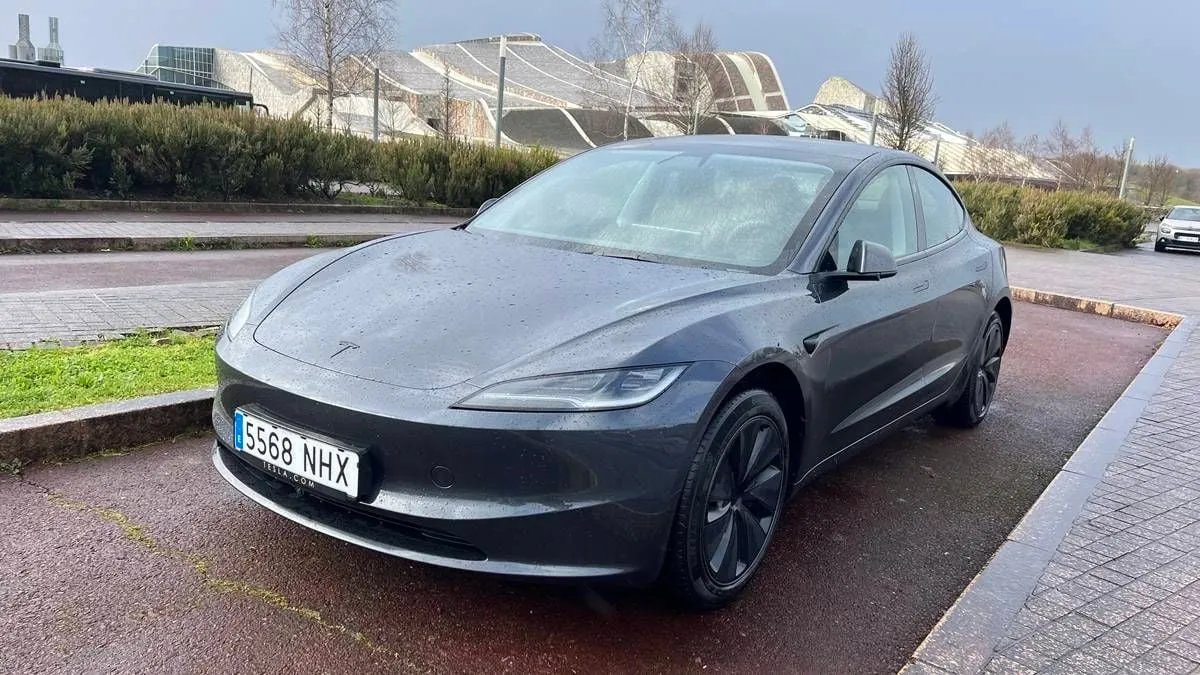
The update also adds a feature called “Familiar Route.” It is disabled by default, and when activated, it allows the navigation system to prioritize routes that the driver typically uses. Routes selected this way are marked with a specific symbol on the map. To use it, online route planning must be enabled.
Tesla has also made improvements to the vehicle’s own update system. Now it is possible to configure automatic installation at night of updates that have already been downloaded, as long as the car is parked and not in use. This way, the owner can avoid having to wait for the process to complete at another time.
There are also changes to the information related to range. The estimation system can now take into account certain characteristics associated with the gradual aging of the battery, aiming to provide a more accurate prediction of the available range.
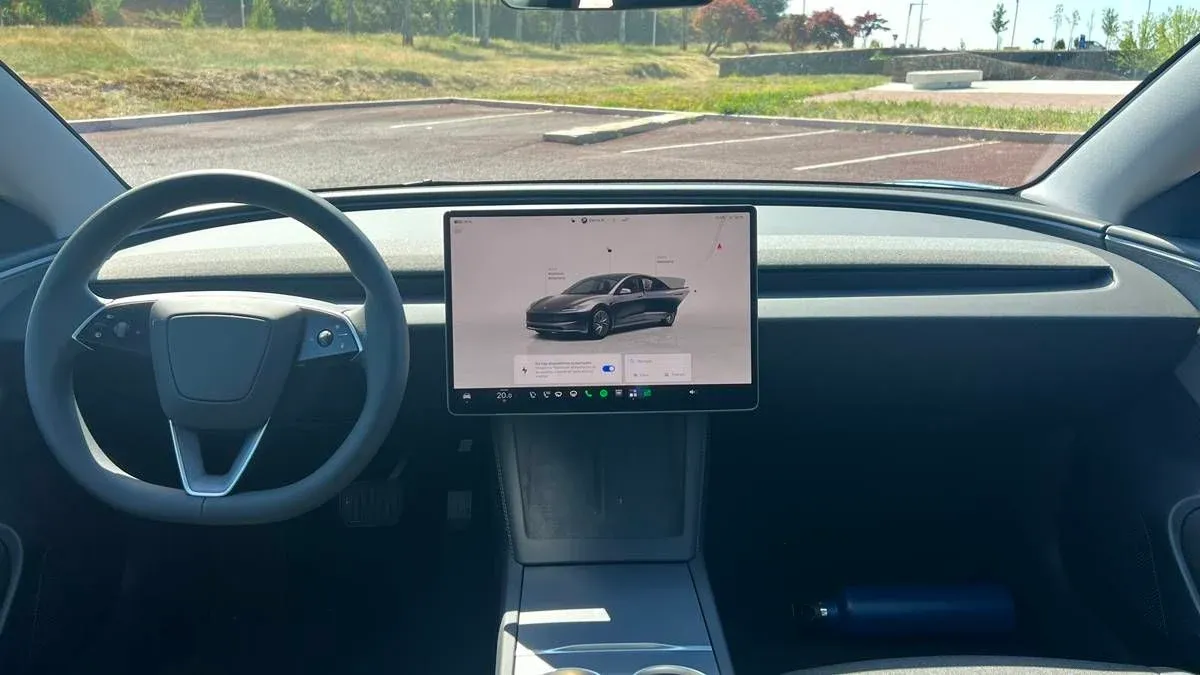
The driver assistance system’s visualization function also gains new customization options. The driver can select different levels of zoom for the camera views, thereby adjusting how elements surrounding the vehicle are displayed.
The cameras also feature a new preview function that allows viewing camera images directly from the vehicle. The built-in browser can use the cabin microphone and interior camera for certain functions, though access to the camera is limited when the car is parked.
The update also brings changes to video recording. It is now possible to permanently save specific recent clips from the recordings directly in the car, without needing to share them with Tesla. The vehicle’s drawing system is expanded with new stickers and emojis, while sketches can be saved for later access via the phone app.
In the family control section, Tesla adds new parental controls that allow disabling certain entertainment functions while the car is parked, including the browser, theater, and gaming area. This feature is designed to restrict access to specific multimedia system functions when the vehicle is being used by other family members.
One of the most interesting updates for drivers on low-traction surfaces is the traction control, which now includes three different modes: automatic, wet surface, and assistance for exiting difficult areas.
The automatic mode is designed for everyday driving, while the wet surface mode adjusts the system’s performance for slippery or icy roads. The off-road assist mode is intended to help the car regain traction on surfaces such as snow, mud, or sand.
The system automatically returns to the normal traction control mode whenever a new journey begins, preventing any specific mode from remaining active accidentally.
The update also includes safety improvements and fixes for various software issues, along with minor changes aimed at enhancing the user experience for Model 3, Model Y, Model S, and Model X.
Overall, version 2026.26.200.11 represents a fairly extensive update for Tesla, featuring improvements that affect various aspects of the vehicle. Beyond features specific to certain markets, this new version introduces enhancements to safety, navigation, cameras, entertainment, driving assistance, and traction control.
The update is being rolled out in phases, so not all owners will receive the installation prompt at the same time. Additionally, the availability of some features may vary depending on the model, trim level, and market.