
Tesla has designed the Cybercab to use LFP cells in the future.
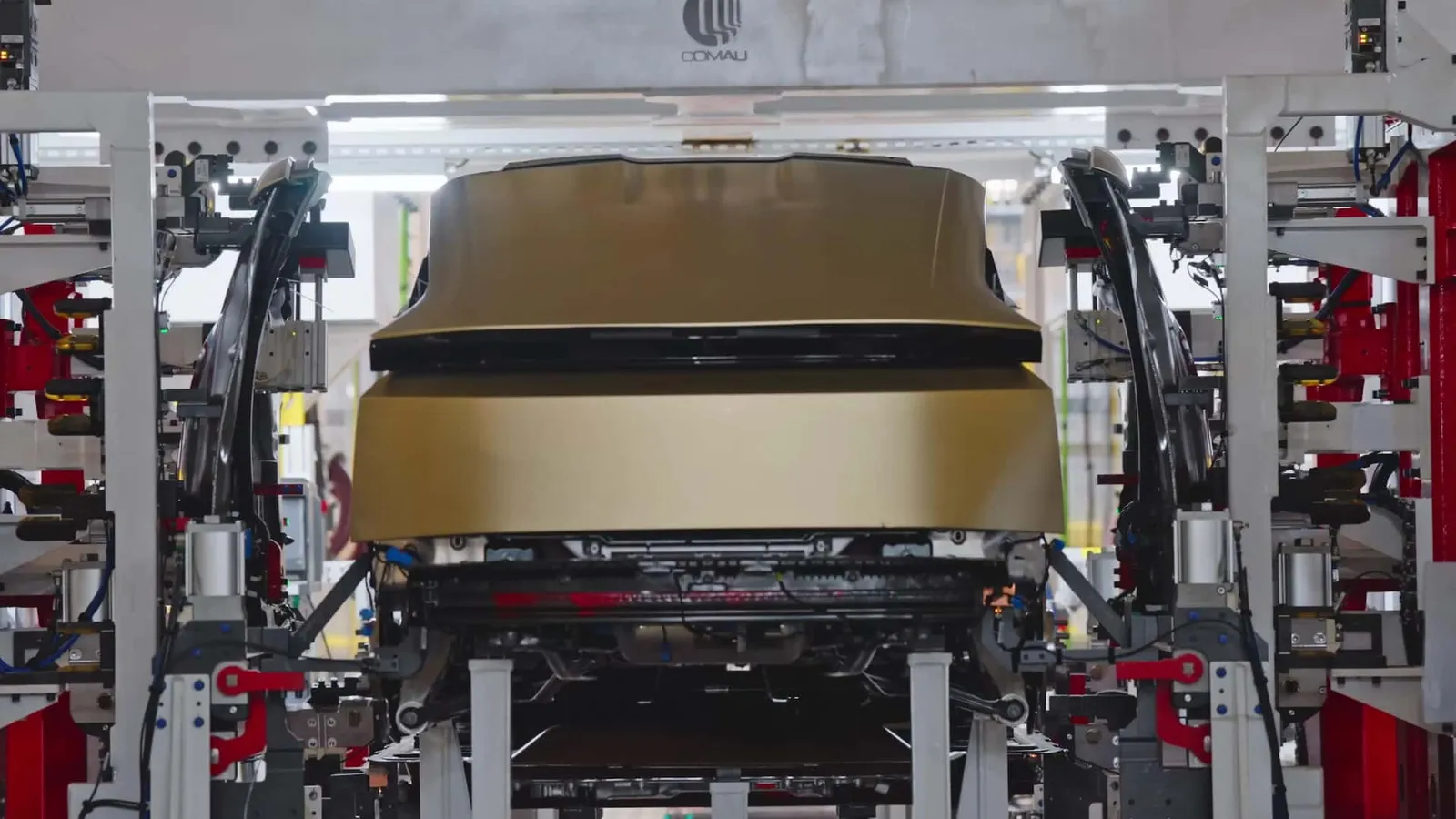
Lithium iron phosphate (LFP) batteries are rapidly gaining ground around the world, becoming the most widely used chemistry globally last year. These cheaper and more durable cells could also make their way into the Tesla Cybercab.
The company designed the robotaxi from the start to accommodate LFP batteries, explained Robert Sumpf, Tesla’s director of mechanical design engineering for battery modules and packs, on the Munro Live YouTube channel.
There’s space for LFP cells below
During a deep dive into the Cybercab’s production and design, Sumpf highlighted that there is plenty of empty space inside the vehicle’s battery pack, both next to and beneath the modules.
"We have therefore prepared this package to transition to a chemistry with an even lower energy density as we scale up production and need to incorporate LFP cells into the platform," said Sumpf.
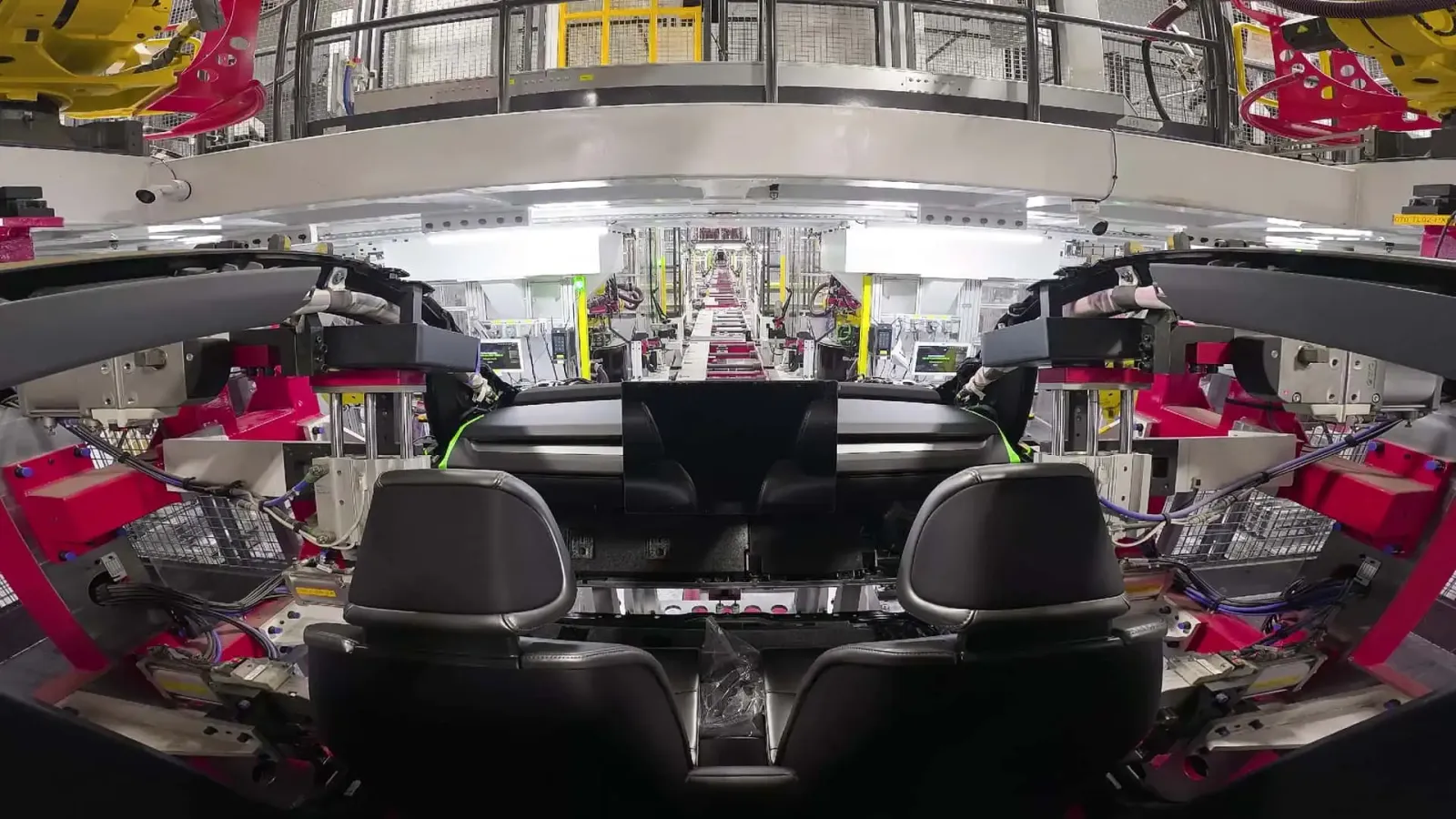
Photo by: Tesla
(Another reason for the extra space, according to Lars Moravy, Tesla’s vice president of vehicle engineering, is that "we didn’t need as many batteries as we thought.")
Currently, the Cybercab uses a nickel-manganese-cobalt chemistry in its in-house designed 4680 cells. Switching to LFP would not be entirely new for the brand — Tesla sold Model 3 vehicles with LFP batteries in the United States for a brief period — and it could make sense for the Cybercab, despite the inherent trade-offs of this technology.
LFP batteries cannot store as much energy as high-nickel formulations, which would reduce range if the Cybercab retained the same number of cells. However, thanks to the extra space provided by the battery pack, Tesla could fit more cells, potentially offsetting the range loss. After all, the Cybercab is not designed for long road trips.
Improved resistance to the stresses of taxi use
LFP batteries may also withstand the daily stresses typical of a robotaxi better than nickel-rich cells. They tend to be more thermally stable and more durable after many charge and discharge cycles. For a taxi designed to transport many people, covering long distances with frequent charging stops, LFP batteries might perform better in such conditions. In the video, Tesla engineers explained that the Cybercab is engineered to last 800,000 kilometers, which necessitated considering durability and repairability. An improved battery packaging, they added, helps reduce replacement costs by making it easier to physically remove the modules. (On the Model Y, the battery pack is structural, with all cells glued together.)
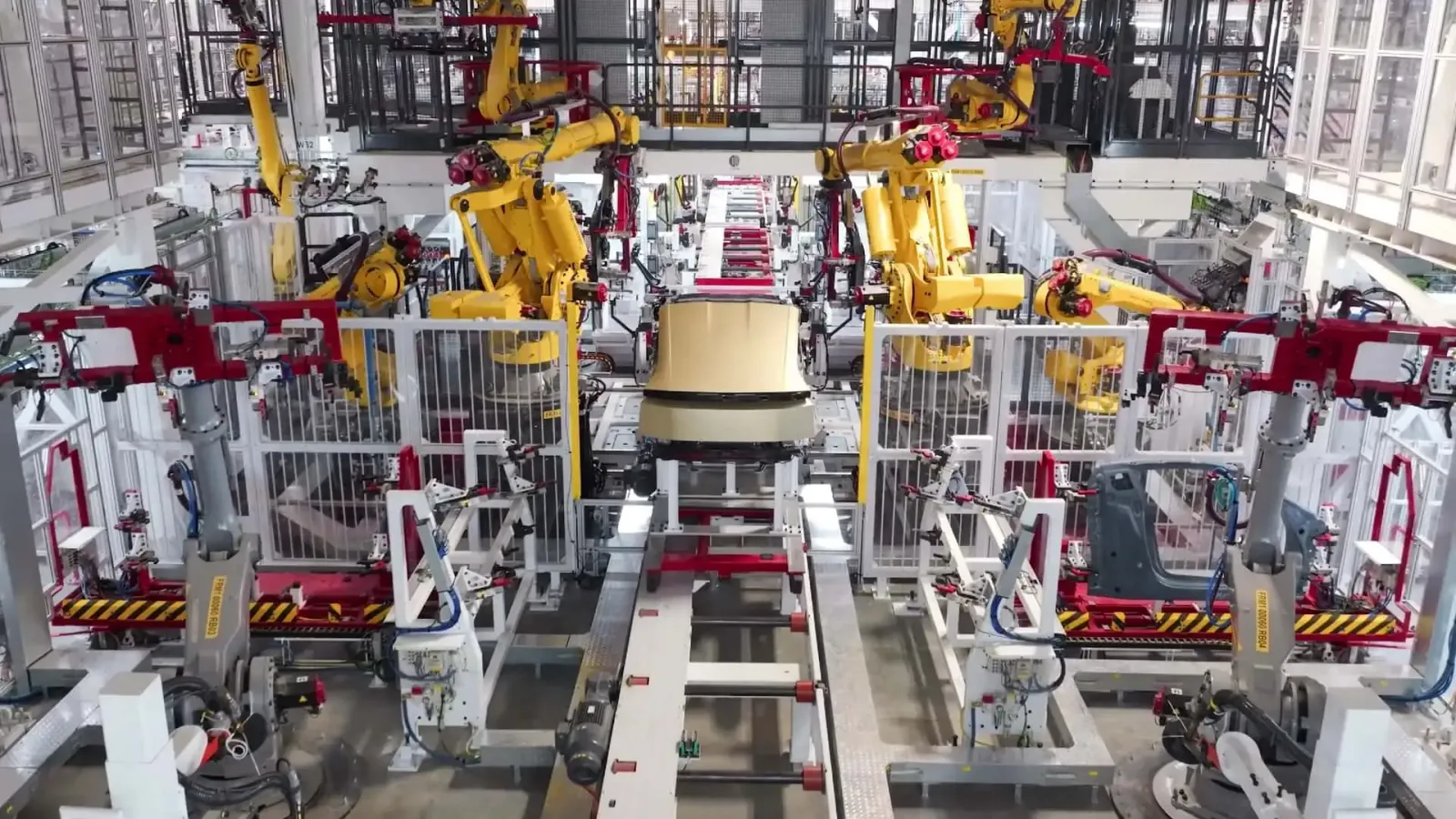
Photo by: Tesla
What might be most important for Tesla, however, is cost. LFP batteries are cheaper, which would reduce the price of the Cybercab. And if Tesla truly wants to build a huge fleet of these vehicles to revolutionize ride-hailing services, it will need to save as much as possible on production costs.
Of course, LFP batteries don’t have the same appeal as other lithium-ion technologies or solid-state batteries, but they are durable and long-lasting. For a vehicle designed to be a practical work tool, they might be the most sensible choice of chemistry.
More Tesla news