
Tesla FSD flips the script: it can take over from the driver if it predicts an accident
Tesla is introducing a new safety feature for its Full-Self Driving Supervised system. The system can intervene even when the driver is driving manually, taking control of the steering wheel to prevent an imminent collision. Advantages and risks for safety.
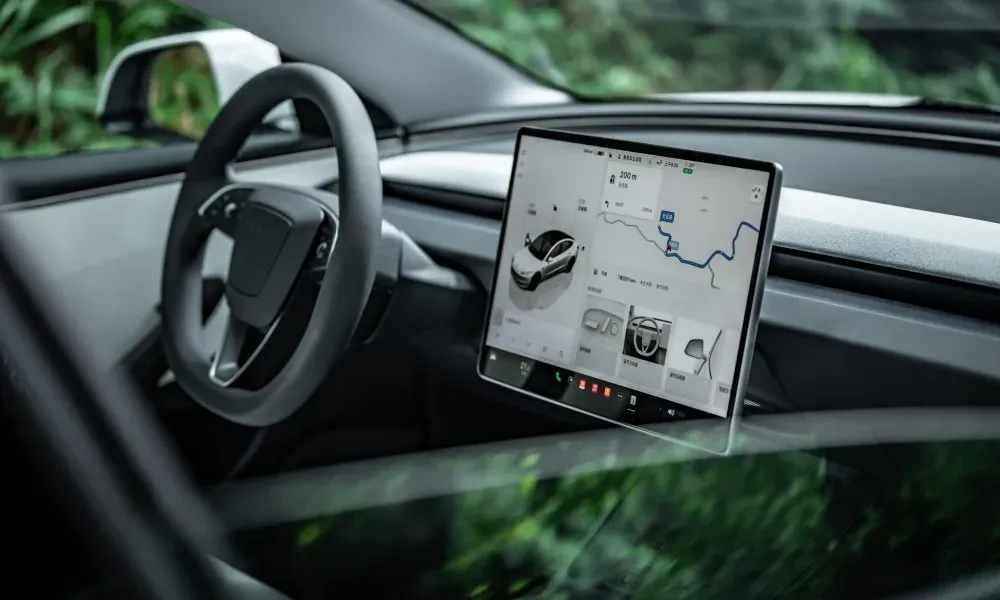
FSD can intervene even when inactive
The new feature announced by Tesla is part of a new set of functions referred to by the company as the “Active safety feature set.” According to Tesla, FSD Supervised can activate automatically when it detects an imminent collision and determines that automatic emergency braking (AEB) is not sufficient to avoid the impact.
The difference from a regular emergency brake is significant. AEB intervenes on the brakes to reduce speed or stop the vehicle; the new system can instead also intervene on steering control, seeking an alternative trajectory to avoid the obstacle.
In other words, part of the FSD capabilities would no longer remain completely inactive when the driver decides to drive without driving assistance.
Tesla FSD Supervised: First European approval comes from the Netherlands
An extra layer of safety. But…
Tesla also mentions a second situation in which the system might activate: when it detects that the driver is highly distracted or when FSD has been accidentally disabled.
This is a feature designed as an additional safety net, but it raises a delicate issue: determining when the software actually has the right and necessity to intervene in the trajectory of a car that the driver is manually controlling.
The company has not, at least in the available information, clarified in detail what thresholds are used to decide between braking and evasive maneuvering, nor whether the driver can disable this feature.
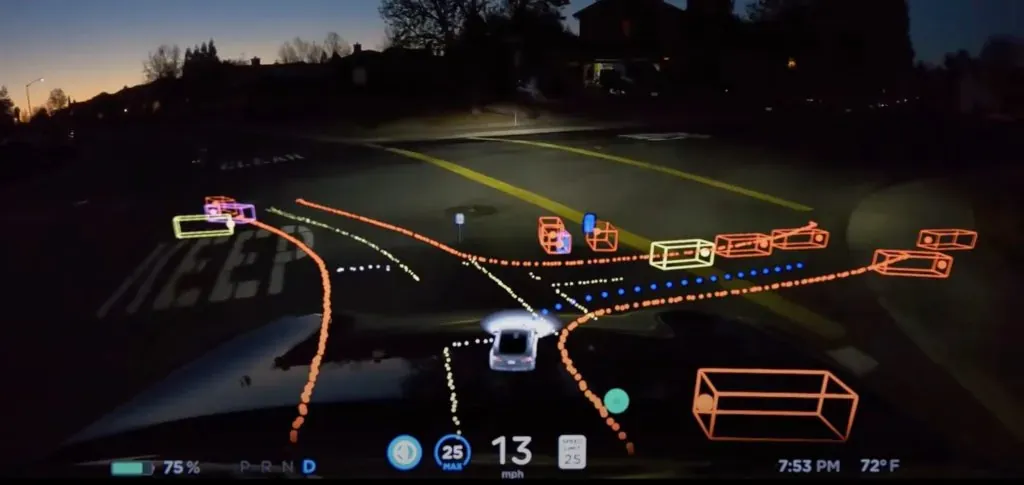
The critical issue are false positives
The idea of allowing a car to steer itself to avoid an obstacle that cannot be avoided by braking is not new in the automotive industry. Advanced driver assistance systems are gradually shifting from simple speed reduction to more complex strategies for preventing collisions.
The problem, however, lies in the margin of error. An unnecessary automatic brake application can be sudden and potentially startling; an unnecessary steering correction, on the other hand, can alter the vehicle’s trajectory and create a completely different type of risk.
And this is precisely the most delicate issue in Tesla’s case. The new feature actually relies on capabilities derived from the same FSD v14 software generation that has already shown, according to reports and tests over the past few months, abnormal behaviors such as steering toward the road’s edge and braking in response to mistakenly detected obstacles.
This is why the idea of a system that can intervene during manual driving makes it even more important to distinguish between driving assistance and automation. The driver must clearly understand when the car can take control and what options they have to stop its intervention. Trust in the system becomes a fundamental requirement.
READ ALSO: “Tesla’s Autonomous Driving Test: The Computer Scientist’s Rating” and watch the VIDEO
Previous Article
Canada: Glencore brings 23 electric trucks to the copper and nickel mine
Next Article
Stellantis prepares to sell refurbished EV batteries