
Tesla FSD exceeded 30 km/h in 55% of tests. The Union will vote on October 6.
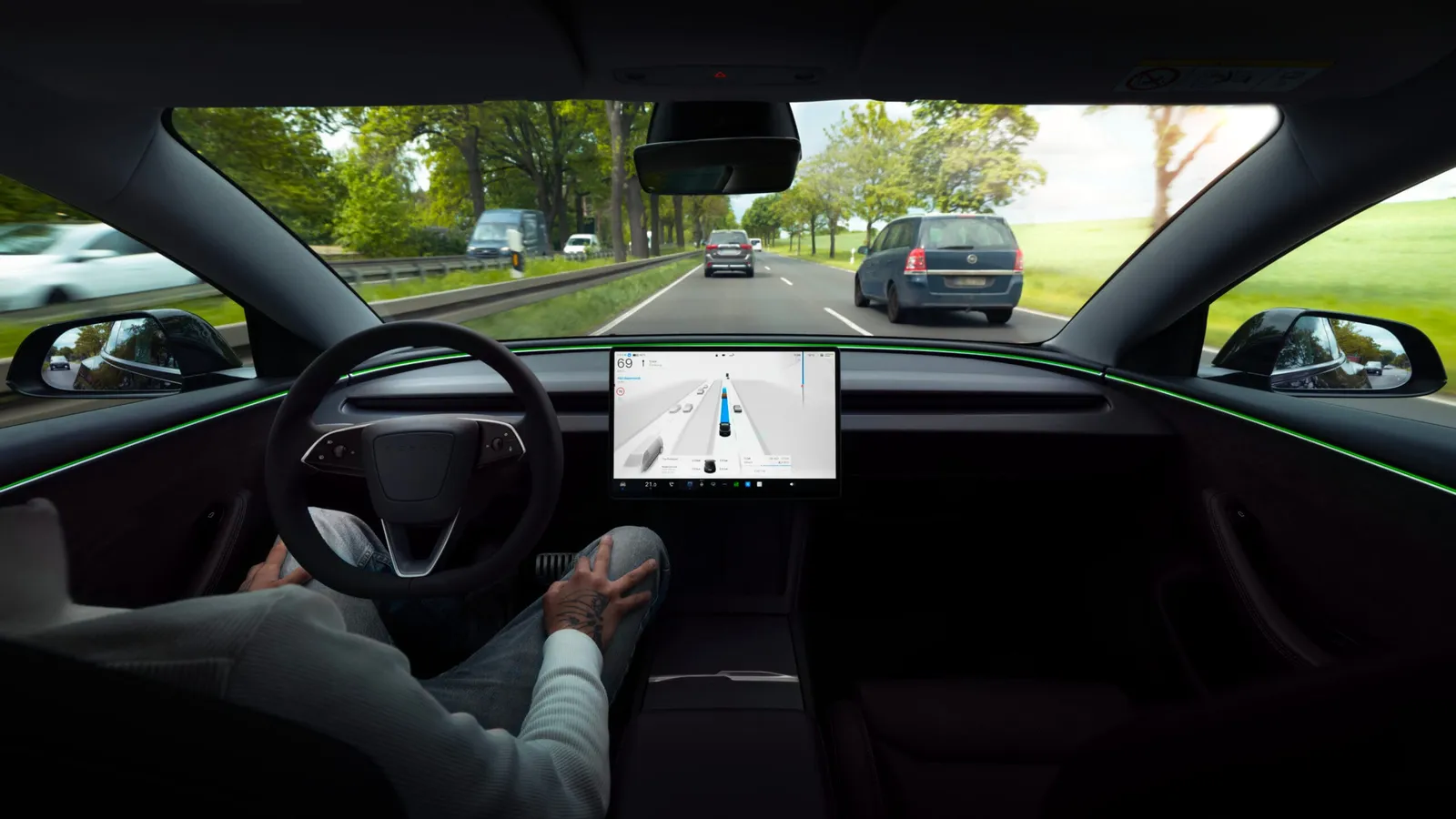
Tesla FSD (Supervised) exceeded the speed limit by 55% on the tested sections of the 30 km/h zone in Brussels. The FSD30 study, published on September 24 by Johanna.be, came ahead of the EU member states’ vote scheduled for October 6 on allowing the system across the Union.
The tests lasted three days in July and covered about 400 kilometers, mainly on streets with heavy pedestrian and cyclist traffic. In zones with a 30 km/h limit, Tesla drove at an average speed of 44 km/h.
FSD displayed 50 km/h instead of 30 km/h
The issue wasn’t limited to slight speed violations. On most of the tested streets with a 30 km/h limit, the car’s screen showed 50 km/h. In woonerfs where the limit was 20 km/h, the system exceeded the speed limit in 42% of attempts.
According to WHO data cited by Johanna.be, a pedestrian hit at 44 km/h is nearly six times more likely to die than at 30 km/h. For this reason, Brussels introduced 30 km/h as the default speed limit on most streets in 2021.
FSD also tried to overtake cyclists on Belgian fietsstraten. On such roads, cars are not allowed to pass bicycles. The system correctly gave way to pedestrians and cyclists, often earlier than necessary.
The organization sent the results to the Dutch RDW and the Flemish Ministry of Mobility on September 7. It is demanding a reevaluation of the approvals before the EU vote.
Belgium granted temporary approval on June 10 after Tesla completed 5,000 kilometers of supervised tests on roads in Flanders. A spokesperson for the Flemish government told Reuters that the system is “learning,” and the driver remains “100% responsible.” Tesla did not respond to inquiries.
Formally, FSD (Supervised) remains a Level 2 system. The driver must keep an eye on the road and is also liable for fines, even if the car misidentifies a speed limit.
Approval requires 15 EU countries
The RDW issued a conditional approval for FSD under UN Regulation No. 171 in April. Denmark, Belgium, Estonia, Lithuania, Slovenia, and the Czech Republic have already approved it.
On October 6, the Technical Committee on Motor Vehicles, or TCMV, will vote. At least 15 countries representing 65% of the EU’s population are needed to approve the proposal. The European Commission could then extend the Dutch approval to all 27 countries, including Poland.
Sweden already requested in June that the possibility of exceeding speed limits be removed. Norway and Finland made similar objections. In July, France refused to recognize the Dutch decision, citing speed and driver attention in cities.
Tesla responds with its own research indicating that FSD-equipped cars “do not exceed speeds excessively” and drive similarly to surrounding traffic. However, previous safety data presented to regulators in the Netherlands and Sweden were based on comparisons of different driving conditions. Electrek also reported a case where FSD accelerated the car to 78 km/h despite a 50 km/h limit, after Tesla removed a setting that could have prevented this.
The driver’s responsibility does not fix misread speed limits; it can only interrupt software errors. Should the EU approve FSD conditionally or wait until Tesla resolves the speed limit issue?
Order your Tesla and take advantage of purchase bonuses using the referral link!
LovEV Newsletter
Want more content like this?
Sign up — we’ll send you a weekly summary once the newsletter starts.