
Tesla FSD: Speeding issues that could complicate its rollout in Europe
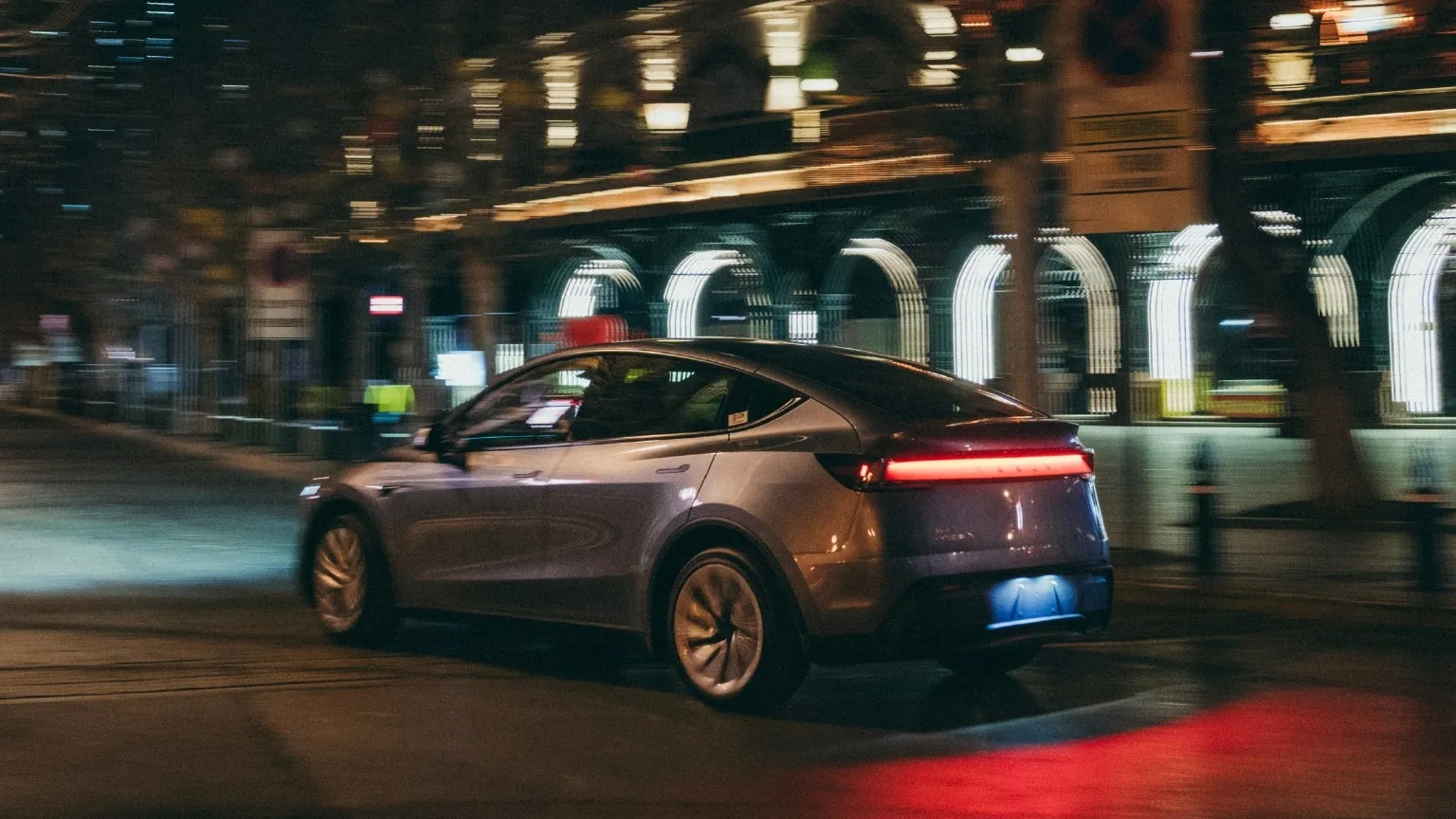
Tested this summer in Brussels by an association advocating for pedestrians and cyclists, Tesla’s autonomous driving system exceeded the speed limit on more than half of the 30 km/h sections studied. These results come as member states discuss permitting its use across the European Union. The vote originally scheduled for October is no longer on the agenda.
Speeding in 30 km/h zones
While Tesla’s Full Self-Driving (FSD) seemed on the verge of becoming widespread in Europe, a Belgian organization has raised concerns. Members of Johanna.be wanted to see how Tesla’s autonomous driving system performed in areas with strict speed limits. The system was tested on streets frequented by pedestrians and cyclists, zones that are often limited to 30 km/h. For this study conducted in July, the organization used a Tesla Model 3 equipped with FSD.
In 29 Brussels roads with a speed limit of 30 km/h, the system exceeded this limit 16 times, accounting for 55% of cases. On these roads, the average speed of the Tesla Model 3 was 44 km/h… which is quite a difference indeed. According to the report, the car sometimes barely recognized the 30 km/h limit. It often displayed 50 km/h as the reference speed for the driver, even though that was not the actual limit. The reading of speed signs was incorrect on 90% of the roads studied. The association stated that it had disabled the settings that allowed FSD to intentionally increase its speed.
Also read
Autonomous driving: Tesla receives another European green light for its FSD
Finally, Tesla’s FSD also exceeded the maximum allowed speed in areas limited to 20 km/h. This occurred in five of the twelve residential zones affected. The association noted that the car even tried to overtake cyclists on streets where such maneuvering was prohibited. One positive aspect, however, is that the system generally gave way to pedestrians and cyclists.
No European vote on October 6
The Netherlands has allowed the use of FSD since April 2026. The local approval authority, RDW, is now seeking to extend its use across the entire European Union. It emphasizes that drivers must remain vigilant and ready to take control. However, some EU countries are resisting, starting with France.
Also read
Autonomous driving: After rejecting Tesla’s FSD, France opens the door to its approval
Tesla had mentioned the possibility of a vote by a committee within the Commission on October 6. The agenda for that meeting actually includes a 25-minute discussion on the Dutch request, with no vote scheduled. The next scheduled meeting of the committee is in December. This is likely the first opportunity for a decision across the Old Continent. Though there are no guarantees... The timeline has slipped, although nothing proves that the Belgian study is to blame for this delay.