
Tesla added V2H with Powerwall in the 2026.27.10 update. For now, it only works with the Cybertruck.
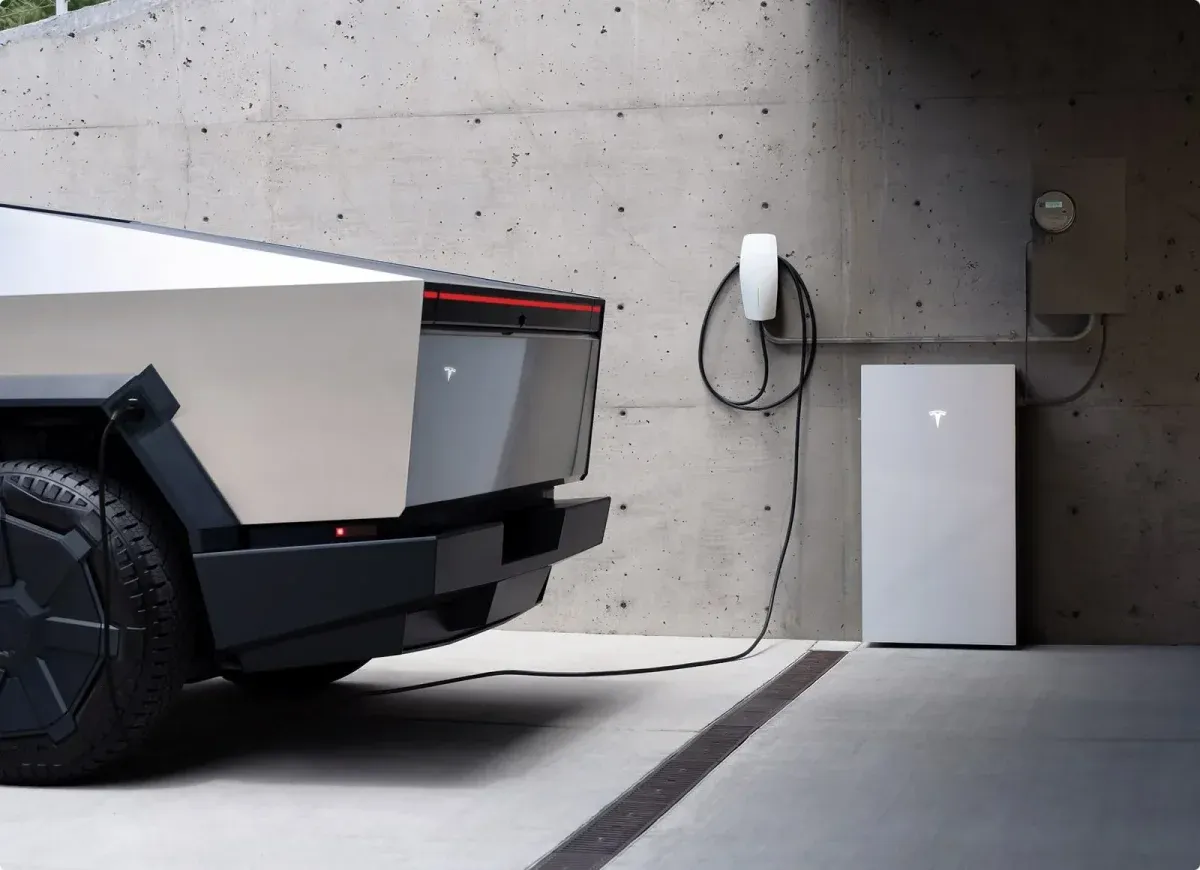
Tesla introduced vehicle-to-home support for its Powerwall home energy storage systems in the 2026.27.10 update. This feature allows Cybertruck owners to power their homes using the car’s batteries during grid outages and works in conjunction with Powerwall 3.
For Polish readers, there’s one issue here: we can’t buy either a Cybertruck or Powerwall today, so this is more of a directional signal than an actual new product for garages at the moment.
How Tesla’s V2H works with Powerwall
Once the feature is enabled in the car, under the Charging > Powershare menu, the Cybertruck will automatically supply power to the home when it’s connected and a blackout occurs. The condition is simple: the car must be parked and its battery level must be above the set discharge limit.
Tesla claims that the Powerwall 3 + Cybertruck setup can extend a home’s power supply by over 3 days. The company adds a comparison using 9 additional Powerwalls. Marketing loves such visuals, but without information on home energy consumption, it’s just a rough estimate.
The new feature works natively between the Cybertruck and Powerwall, allowing Tesla to finally connect its two separate ecosystems that have long existed side by side. Yes, this is a feature that has been promised for years.
Less hardware, but limitations remain
Previously, Cybertruck owners needed a separate Powershare Gateway to supply power to their homes from the vehicle. The issue was that such a setup didn’t work with homes that already had Powerwalls. Tesla planned to integrate them earlier, by the end of 2025, but software conflicts and local regulatory issues on the part of utilities got in the way.
With the update 2026.27.10, a home with Powerwall 3 can use the existing Powerwall gateway to disconnect from the grid during outages. This means there’s no need to purchase a separate Powershare Gateway, saving thousands of dollars in hardware and installation costs.
There’s another practical benefit: the update allows not only powering the home from a car but also charging the Powerwall directly from the Cybertruck’s battery.
As of now, a compatible Tesla wallbox is still required, such as the Tesla Universal Wall Connector or Wall Connector 3. Support currently applies only to configurations with Powerwall 3, but Tesla plans to expand it to Powerwall 2+ in 2026.
The 2026.27.10 package also includes FSD v14.3.10, though the description of changes in the notes remains the same as in previous FSD builds. So, no major upgrades here.
Tesla has delivered a feature that it should have had ready much earlier, but if it eventually spreads to more models and markets, the topic will become truly interesting. Do you see value in V2H from cars, or at today’s hardware prices is it still just a toy for a very narrow group?
Order your Tesla and take advantage of purchase bonuses using the referral link!
LovEV Newsletter
Want more content like this?
Sign up — we’ll send you a weekly summary once the newsletter starts.