
Tesla Cybercab, our future of automotive? Autonomous, HW4.5, 47.6 kWh battery, electric brakes
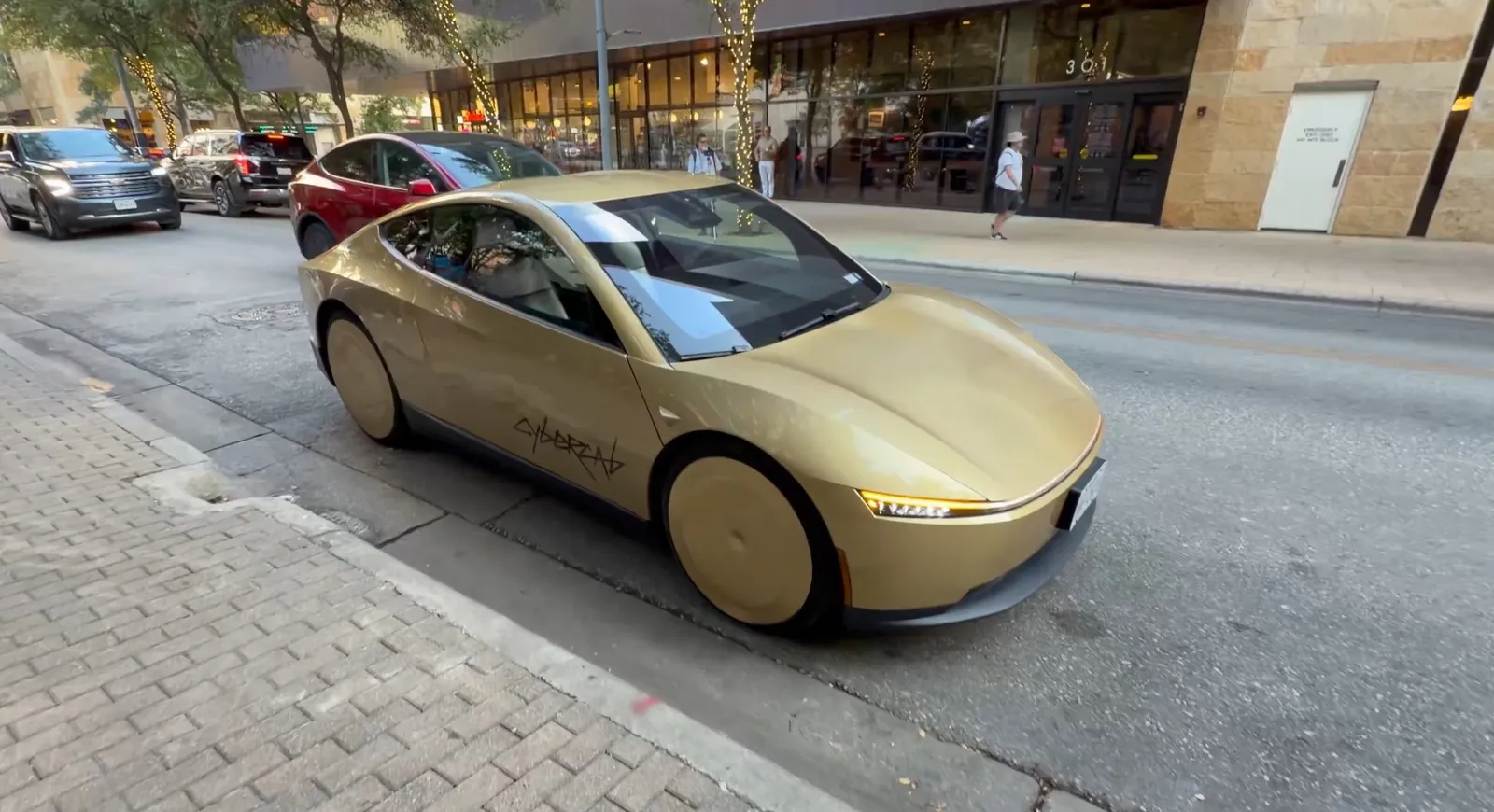
In Austin, Texas, United States, the second closed preview of the Tesla Cybercab took place — a vehicle designed to operate as a Robotaxi. Regardless of whether this vehicle truly represents the future of transportation, it featured several technological innovations. These include a new FSD computer, likely HW4.5, the absence of a steering wheel and pedals, a battery with a capacity of just 47.6 kWh built using 4680 cells, and brake-by-wire braking.
Cybercab. Will it flood city sidewalks just like Bolt scooters do today?
Cybercab was designed for unattended, autonomous driving. Contrary to Elon Musk’s claims in the video below, it isn’t the first car of this type, as even aside from adaptations of currently produced vehicles, we still have options like Waymo Ojai or the Zoox minivan. The issue is that Robotaxi might be the only vehicle to succeed, thanks to its performance-to-price ratio.
The future has arrived in Austin pic.twitter.com/RTCb0O5sez
— Tesla (@Tesla) September 3, 2026
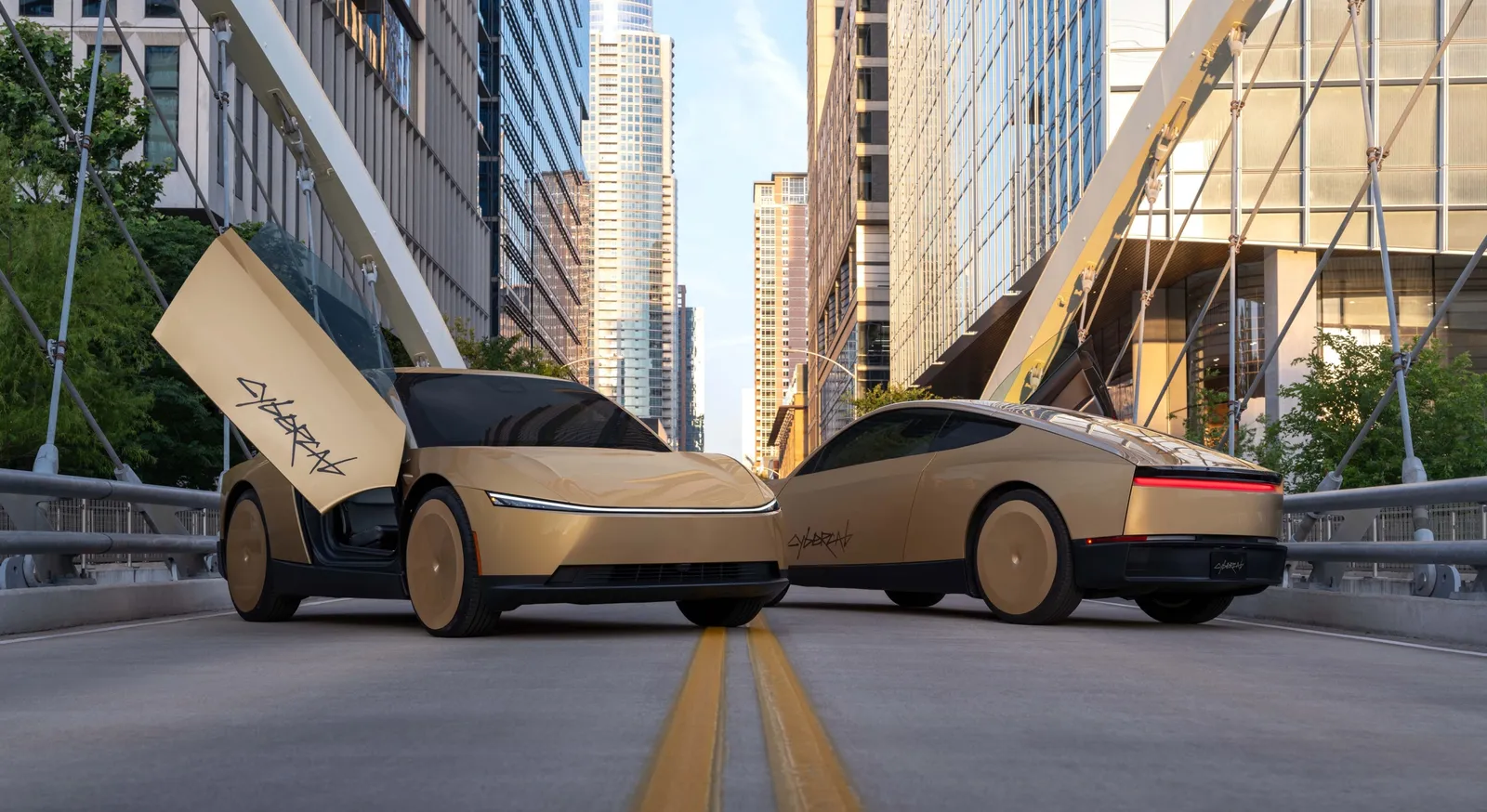
The manufacturing process of the Cybercab has been optimized to minimize costs. The car is designed to be inexpensive both to produce and to operate. It is assembled modularly (with different components in various parts of the factory), its body is made of plastic that does not require painting, and its battery uses 4680 cells with dry cathodes, capable of lasting 800,000 kilometers even with regular fast charging (source). It has a nominal capacity of 47.6 kWh (source).
The Cybercab unboxed process pic.twitter.com/hQy7VLV3hX
— Whole Mars Catalog (@wholemars) September 4, 2026
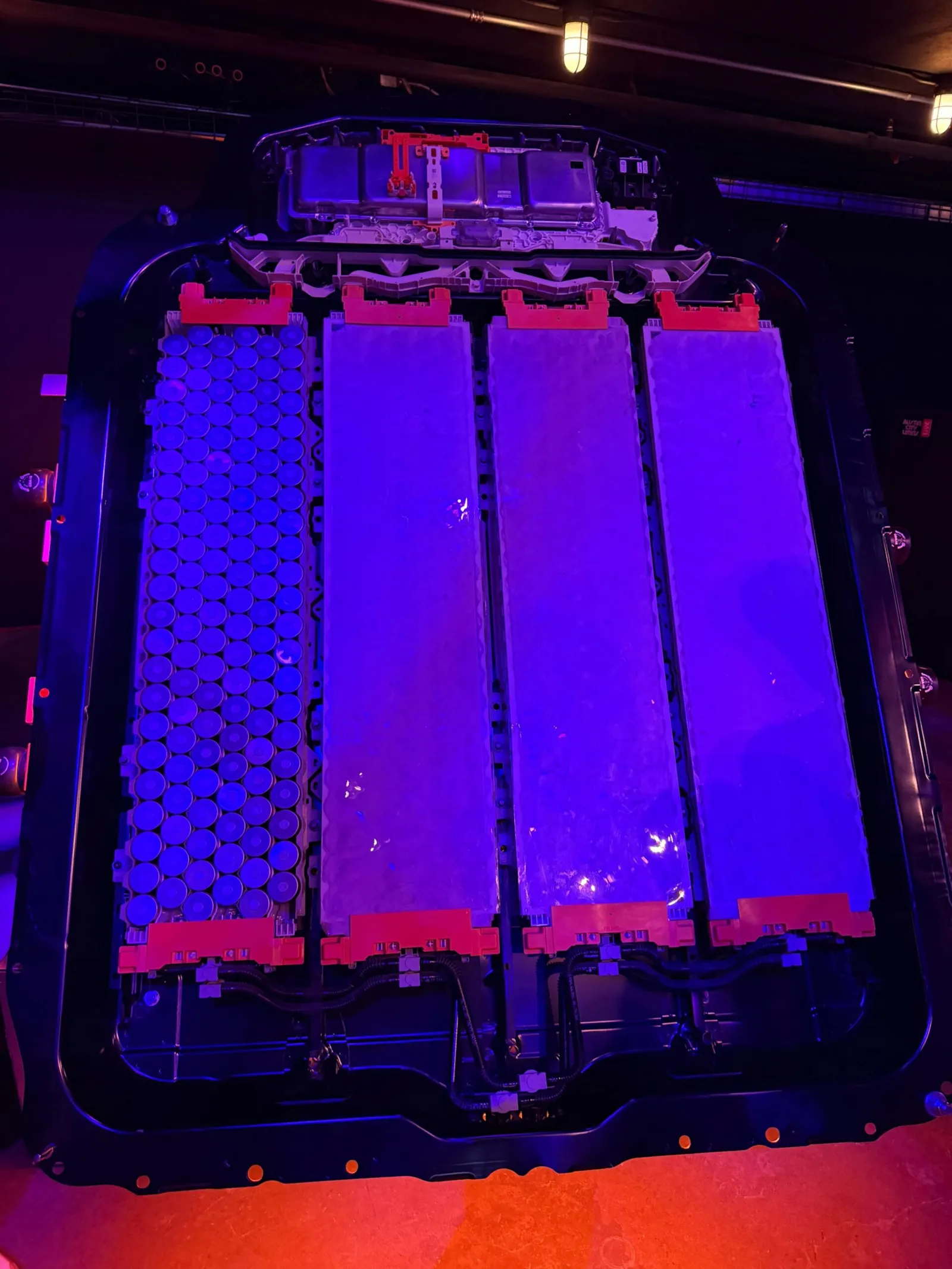
Some interesting Tesla Cybercab details, in no particular order:
- The design goal is to achieve extreme efficiency
Unlike all other Teslas, the Cybercab has only two seats in the cabin and front-wheel drive. There is no steering wheel, no pedals, and no hydraulic braking system covering the entire vehicle, as braking is electrically controlled with each caliper having its own electrically actuated actuator—simply put, a motor. The low-voltage architecture is 48 volts, similar to the Cybertruck. The FSD computer is “HW4 with some iterative updates,” likely HW4.5.
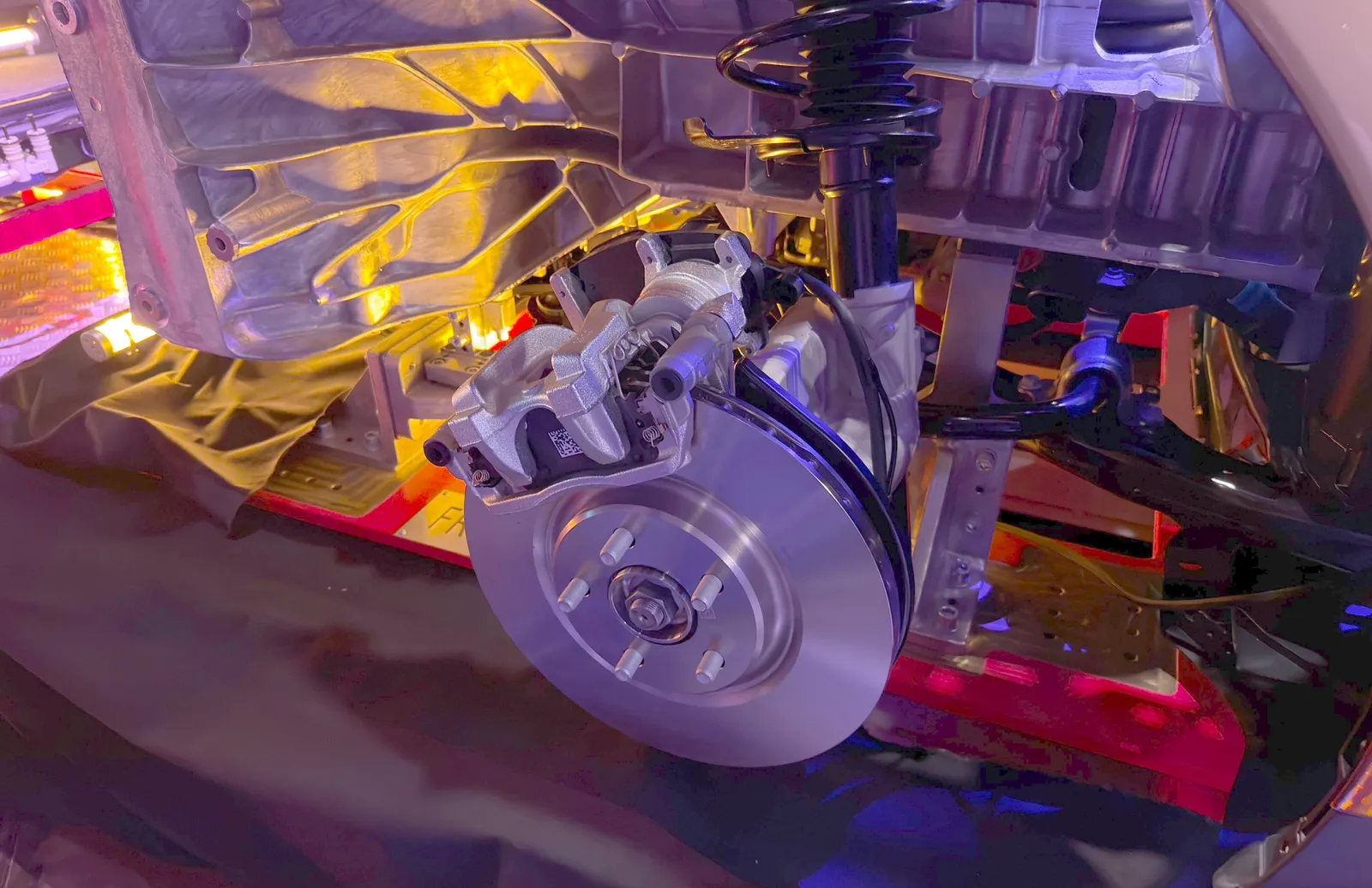
Electric brakes. Note the bundles of electrical wires instead of brake fluid hoses (c) Sawyer Merritt / X
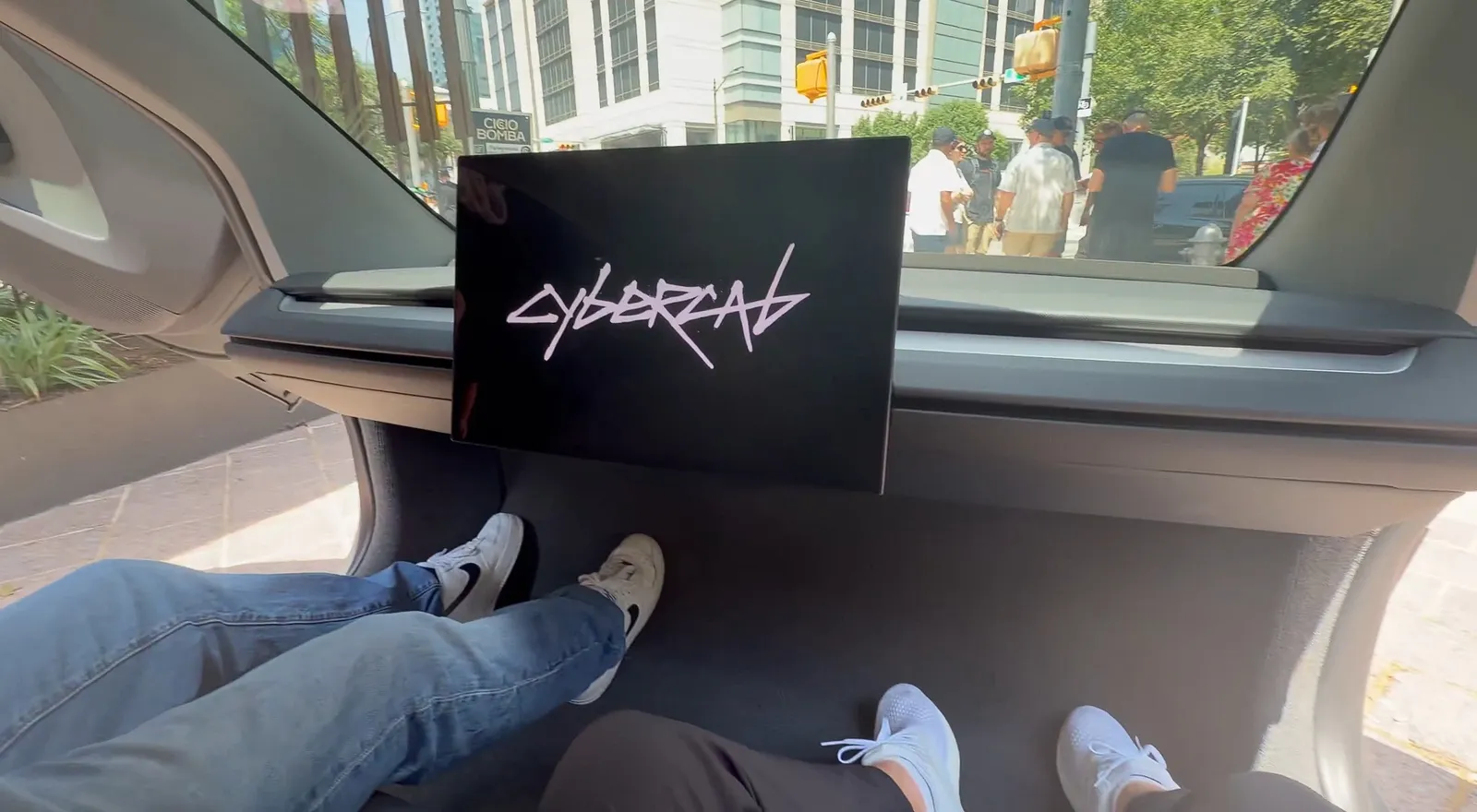
Cybercab cockpit (c) Sawyer Merritt / X
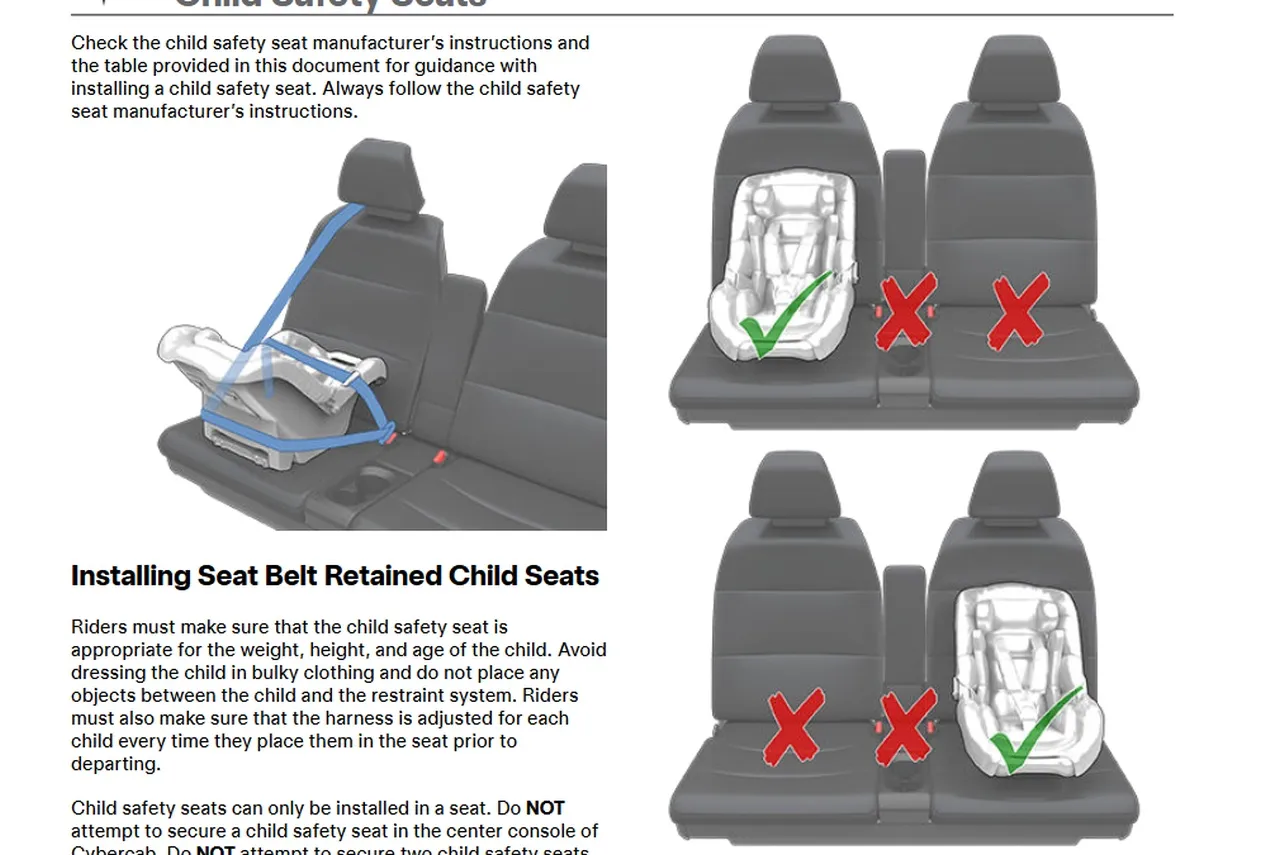
The trunk capacity is 572 liters, the software interface is built using Unreal Engine, and the vehicle uses a total of eight external cameras, one internal camera, as well as an internal radar that monitors the cabin, including for passenger presence. In the Cybercab, one child seat is allowed (only with straps, without Isofix anchors), also in the “driver” position (source). Earlier reports indicate that the vehicle charges via induction, and prototypes seen in some cities also had a fast charging port on the rear bumper.
The launch was not broadcast live, but Tesla enthusiasts who were invited attended took recordings:
Here is the full Cybercab launch event presentation: pic.twitter.com/HksZTCmPEH
— Sawyer Merritt (@SawyerMerritt) September 4, 2026
Here comes the supersonic tsunami of autonomy.
I’ve spent plenty of time testing this driverless vehicle, but it feels different on the open streets of Austin. Congratulations to everyone who worked hard to get to this point!
My first (public) drive song is dedicated to the vehicle that… https://t.co/XwTRq2Ttx8 pic.twitter.com/KncxCw6aTq
— Wes (@wmorrill3) September 4, 2026
Article Rating
Reader Ratings
[Total: 2 votes Average: 5]
Don’t miss new content — CLICK and FOLLOW Elektrowoz.pl on Google News. You might also be interested in the following ads: