
Tesla Cybercab makes a low-key debut in Austin
Tesla has officially launched the debut of the Tesla Cybercab in Austin, Texas, adding this new driverless vehicle, without a steering wheel or pedals, to its Robotaxi service fleet. Commercial operations are currently extremely limited.
The Cybercab arrives almost two years after the project was first introduced and represents one of the key elements on which Elon Musk has built Tesla’s future strategy. Until now, Austin’s Robotaxi service has relied exclusively on modified Model Y vehicles. The introduction of the Cybercab marks the first step toward a vehicle designed from the start to operate without a driver.
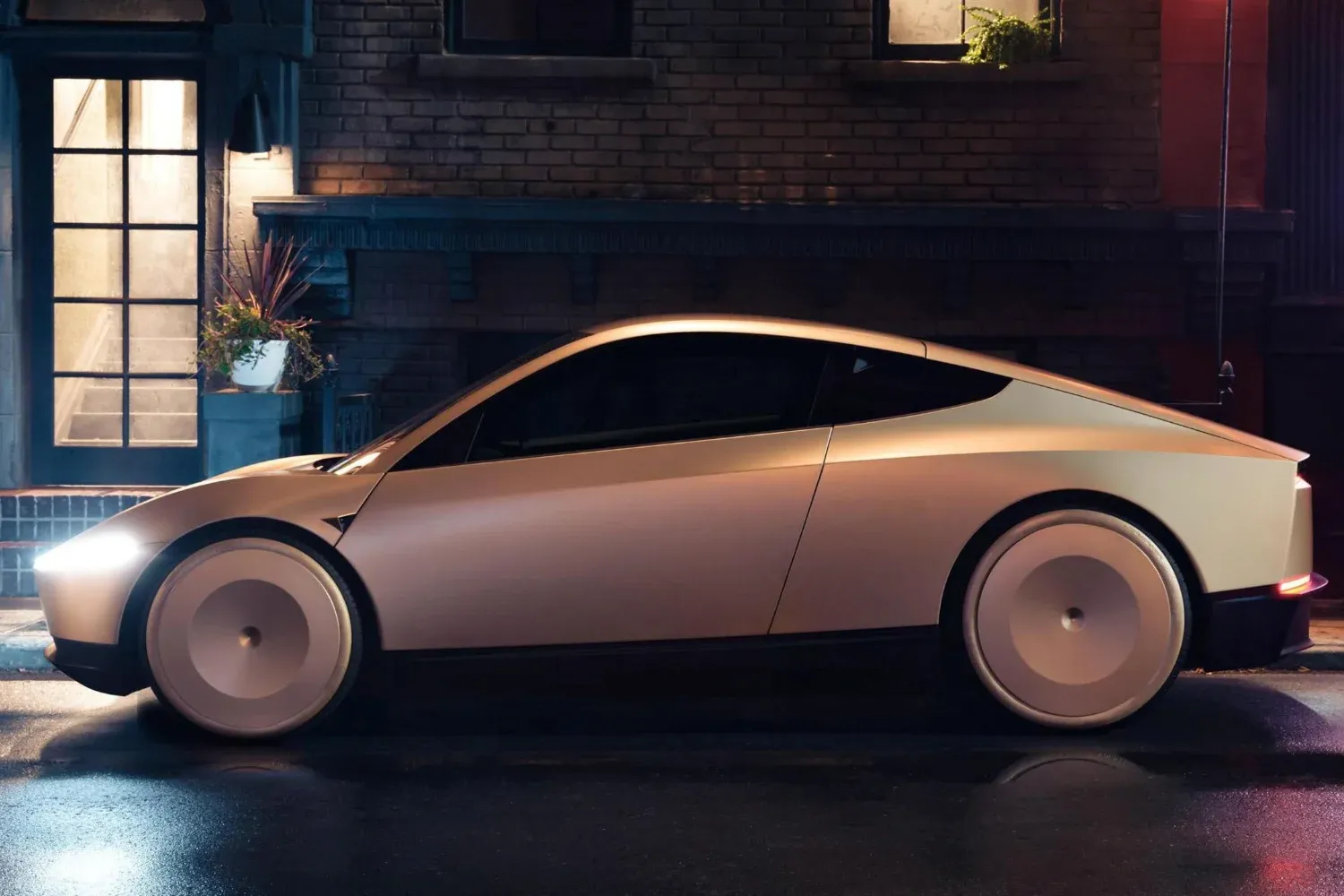
A unique Tesla, with doors that open via app as well
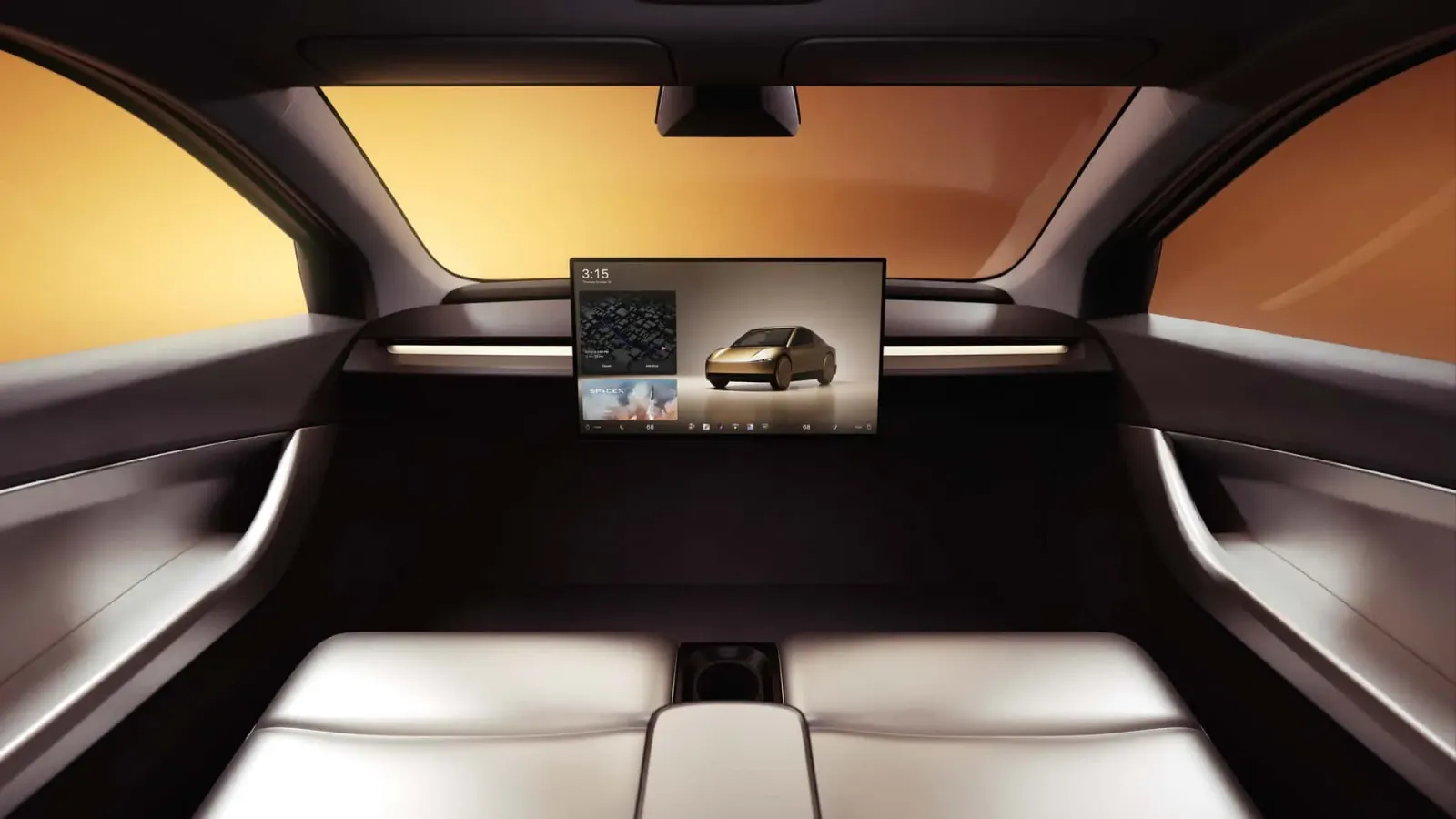
The Cybercab is very different from the Teslas currently on the market. The cabin is designed for two people, and the vehicle has no steering wheel, pedals, or rearview mirrors. Its vertically opening doors help make the model instantly recognizable.
Techinally, the vehicle is equipped with a 48 kWh battery and an electric motor producing 219 horsepower. It also features integration of Starlink V5 connectivity, which strengthens the link between this automotive project and Tesla’s technology ecosystem.
The model is conceived more as a means of transportation than as a traditional car to be driven. Customers can order the Cybercab directly through the Robotaxi app, and also using their smartphone, they can open the doors before getting in.
Tesla Cybercab: Record-low consumption — never been this low for an EV
A launch far from Tesla’s big shows. Musk skipped it
For a project that Musk presented as strategic for the company’s future, Tesla surprisingly opted for a decidedly “soft” debut. The event was held behind closed doors, with much less publicity compared to past major events.
No live show, no press conference open to the media. Musk wasn’t even there. Only a limited number of guests and some brand-affiliated creators had the chance to test the vehicle.
A “quiet” debut, perhaps because the gap between expectations built over the years around the Cybercab became quite evident. Elon Musk has repeatedly described the model as a tool to make large-scale autonomous transportation economically viable, even suggesting in the past that the vehicle could cost less than $30,000 for private customers.
At the time of its debut, however, this topic was not brought up again. And many other questions remained unanswered.
The real challenge remains getting autonomous driving approved
The low number of vehicles on the roads is another factor to keep in mind. Only 45 units have been registered in Texas, essentially a pilot fleet compared to the scale needed to turn robotaxis into a mainstream service.
Tesla has not clarified how many vehicles will actually be in operation nor how it overcame the regulatory hurdles to get them on the road.
It seems, however, that the American company is beginning to gather interest from companies and investors eager to purchase fleets of Cybercab or develop dedicated infrastructure.
Scalability will, however, depend primarily on Tesla’s ability to resolve the certification issue for a vehicle without traditional steering controls. The U.S. federal highway safety agency, NHTSA, is monitoring the project, and the absence of a steering wheel and pedals requires specific regulatory exceptions to allow broader commercialization.
As a result, timelines could be further extended.
READ ALSO: “What after autonomous driving? Connected and cooperative cars” watch the VIDEO
Previous Article
Xiaomi in Europe by 2027: First deal with eight German dealers
Next Article
China produces three new EVs per day. CATL: Battery quality at risk