
Tesla Cybercab or Volkswagen Mission Efficiency – which vehicle would use less energy while driving? [we’re calculating]
![Tesla Cybercab or Volkswagen Mission Efficiency – which vehicle would use less energy while driving? [we’re calculating]](https://api.ev-route.com/storage/news/2026-09/tesla-cybercab-czy-volkswagen-mission-efficiency-1.webp)
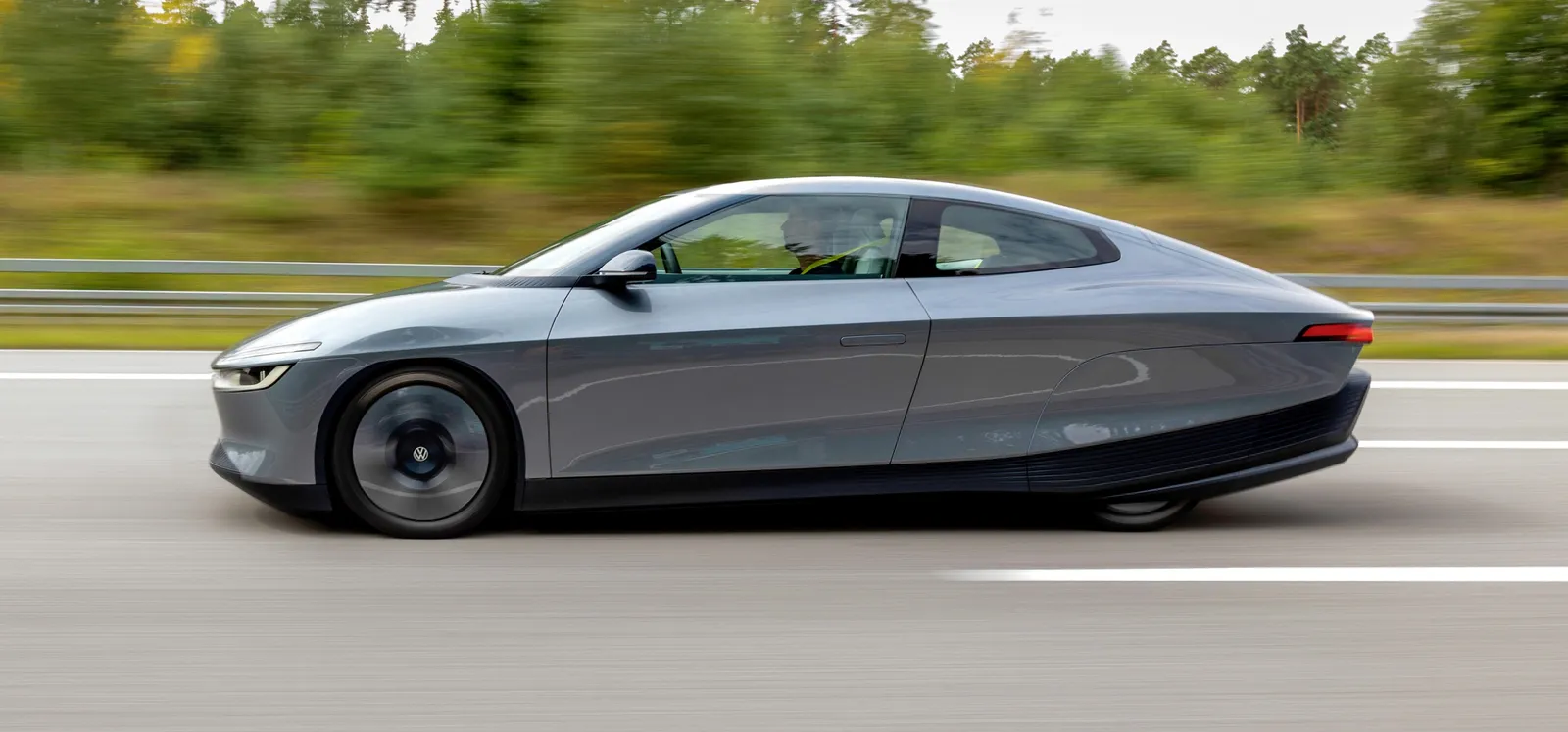
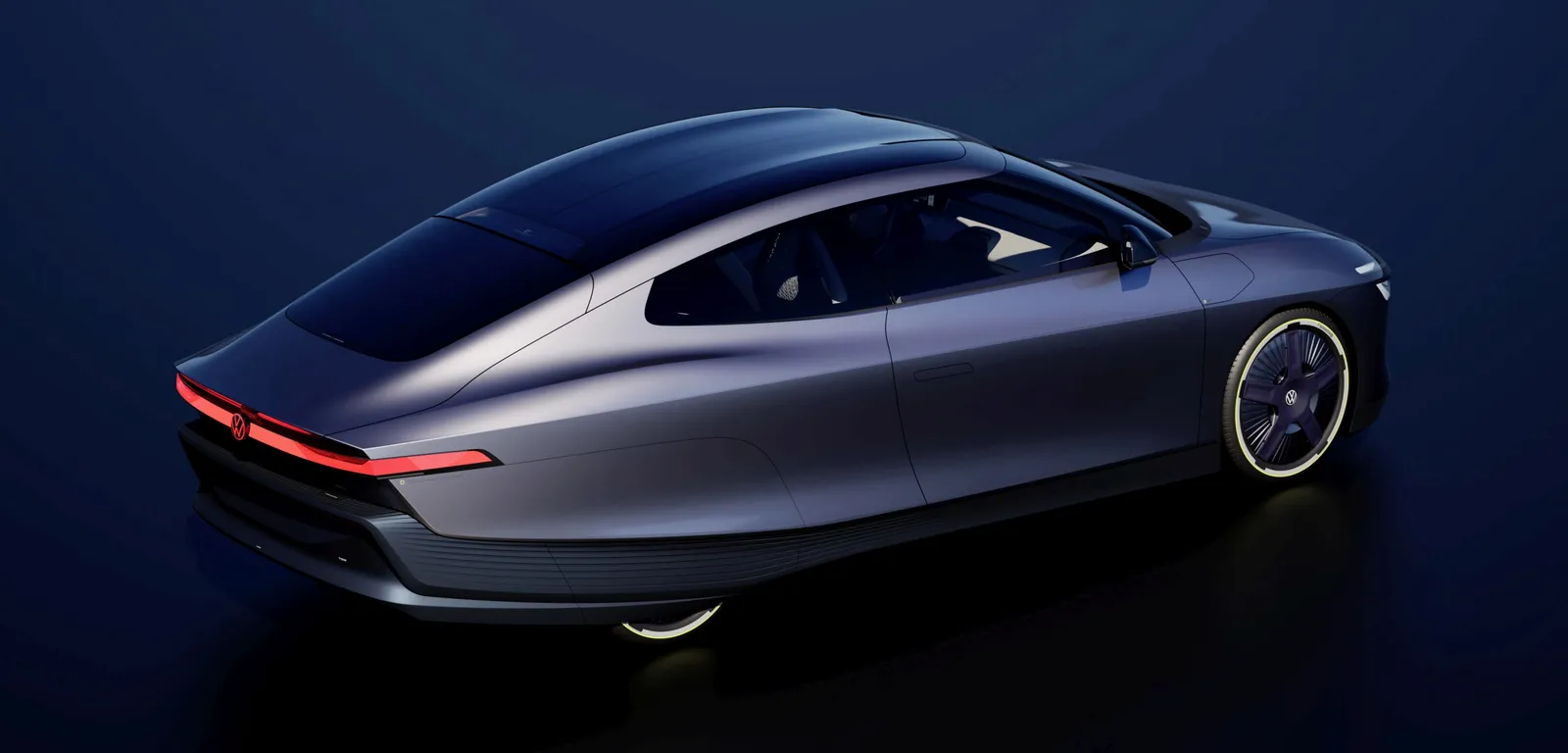
The Tesla Cybercab, a vehicle designed for Robotaxi services, and the Volkswagen Mission Efficiency, an electric XL1, share similar shapes due to identical aerodynamic principles — maintaining the car’s functionality while minimizing energy consumption. We decided to examine their specifications to determine which company made greater efforts. Since the VW ME only has preliminary WLTP data while the Cybercab uses EPA energy consumption figures, some calculations were needed. It turns out that the Volkswagen prototype requires less energy to operate.
Update 2026/09/18, 9:33 AM: We have updated the information regarding the VW ME’s road approval.
Energy Consumption: Tesla Cybercab vs VW ME
Table of Contents
Energy Consumption: Tesla Cybercab vs VW ME
Method 1: VW ME energy consumption, WLTP -> estimated EPA
The reverse method: Tesla Cybercab EPA energy consumption -> WLTP
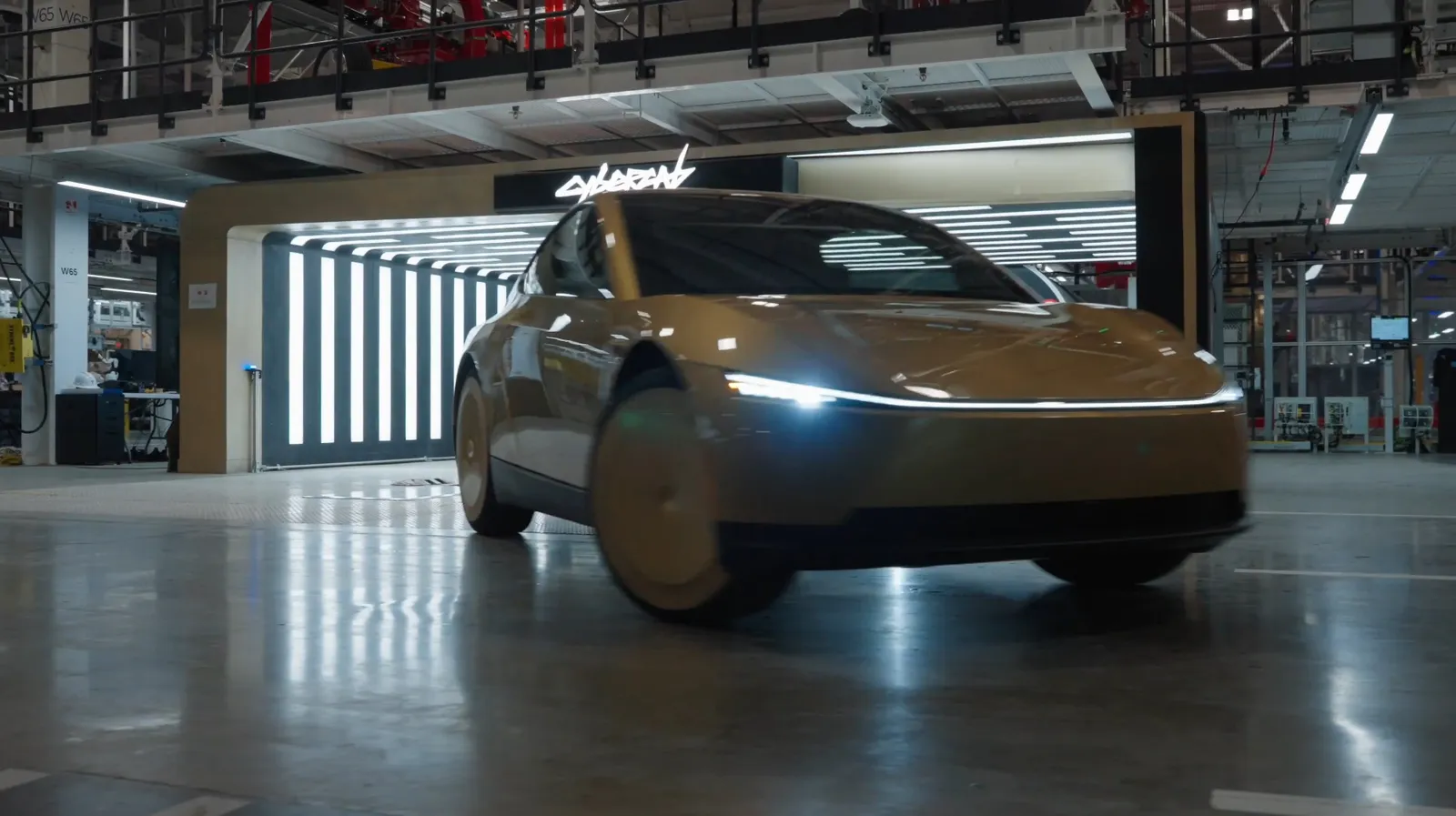
Let’s start with the caveats, as there are many: The Tesla Cybercab is a two-seater vehicle without a steering wheel or pedals, with preliminary homologation, meaning it’s approved for use on American roads. It isn’t mass-produced, and in Europe it would require separate approvals in each country, but Tesla plans to bring it to market at an affordable price. The Volkswagen ME, on the other hand, is a showcase for the MEB+ platform—a prototype built using ultra-light materials, which means it’s expensive.
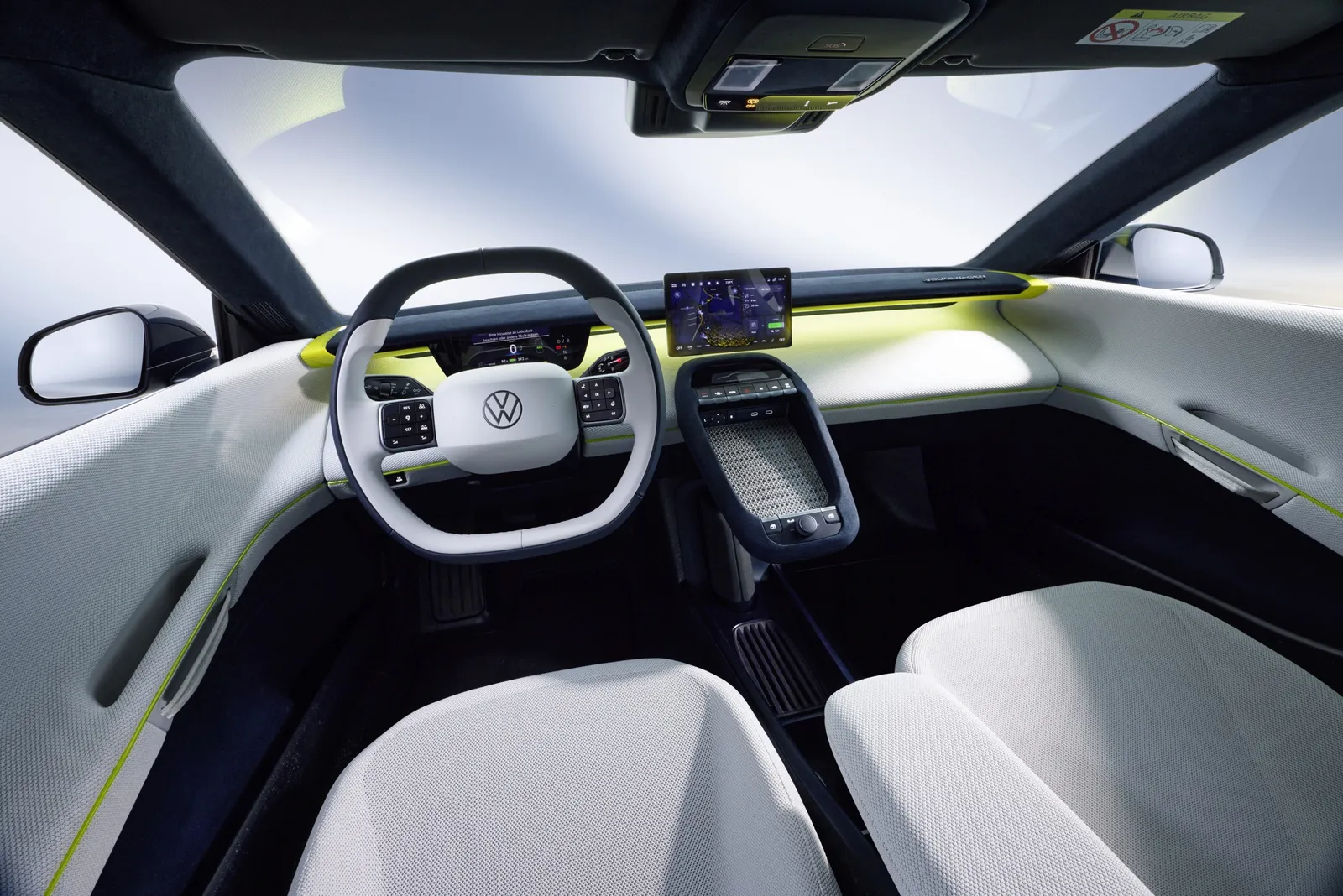
VW ME interior (c) Volkswagen
The first model has a battery capacity of 47.6 kWh, while the second has 55 (54.9) kWh, but they are built using different technologies, so their weights may be similar. Volkswagen decided to use almost the entire available battery capacity, whereas Tesla usually reserves some space for buffers. The Cybercab lacks a hydraulic system and features an electric steering system along with electric brakes. It weighs 1.41 tons. The weight of the VW ME has not been disclosed, but it is known that the vehicle has hydraulic brakes only at the front, with an electromechanical brake at the rear. The Cybercab has no mirrors at all, only cameras in the fenders.
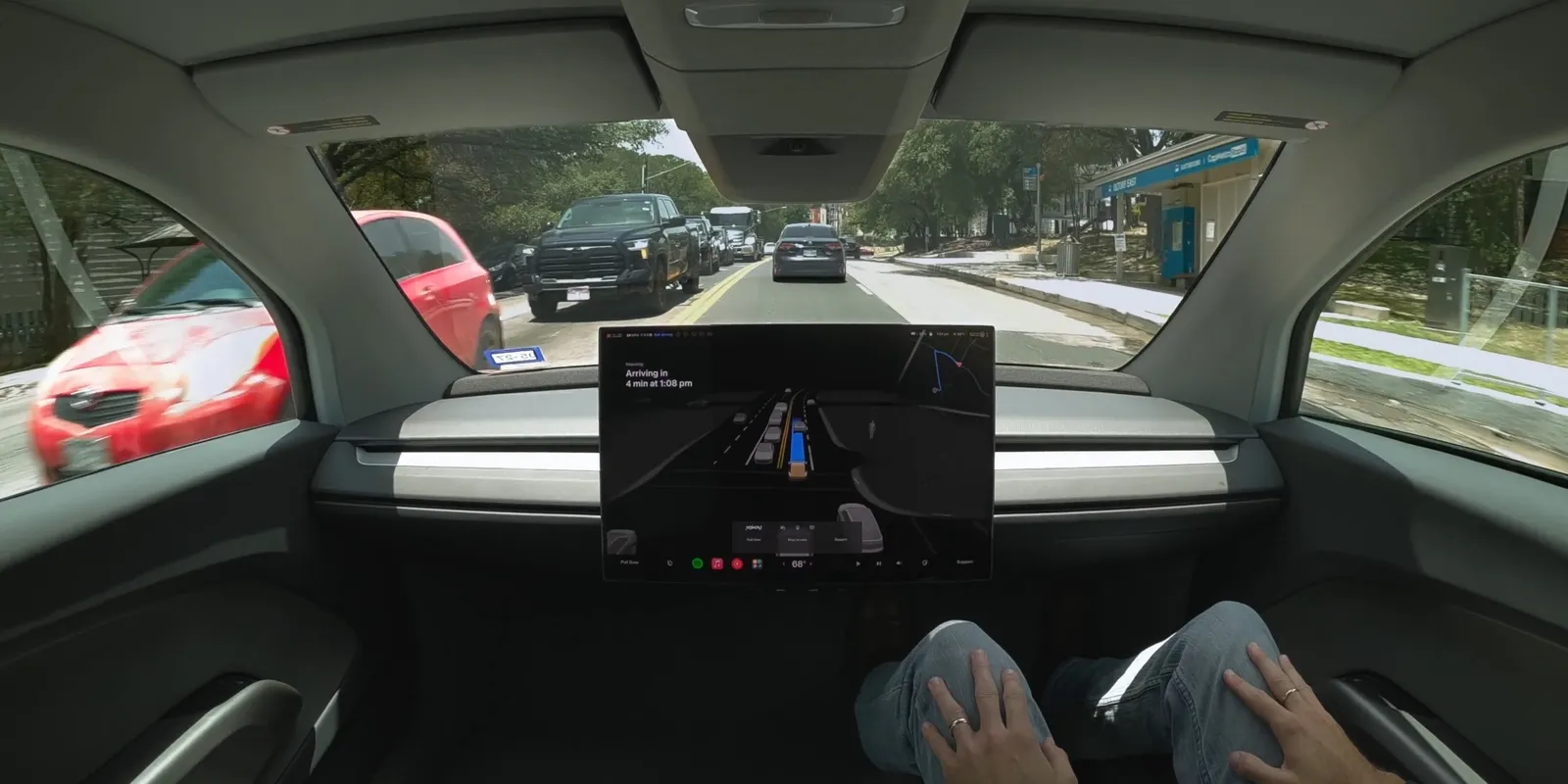
Tesla Cybercab Interior (c) Tesla
Volkswagen has standard tests, and interestingly, Volkswagen’s tests in an aerodynamic tunnel showed that using cameras on arms would only have a minor impact on overall drag, but it would be significantly more expensive (source).
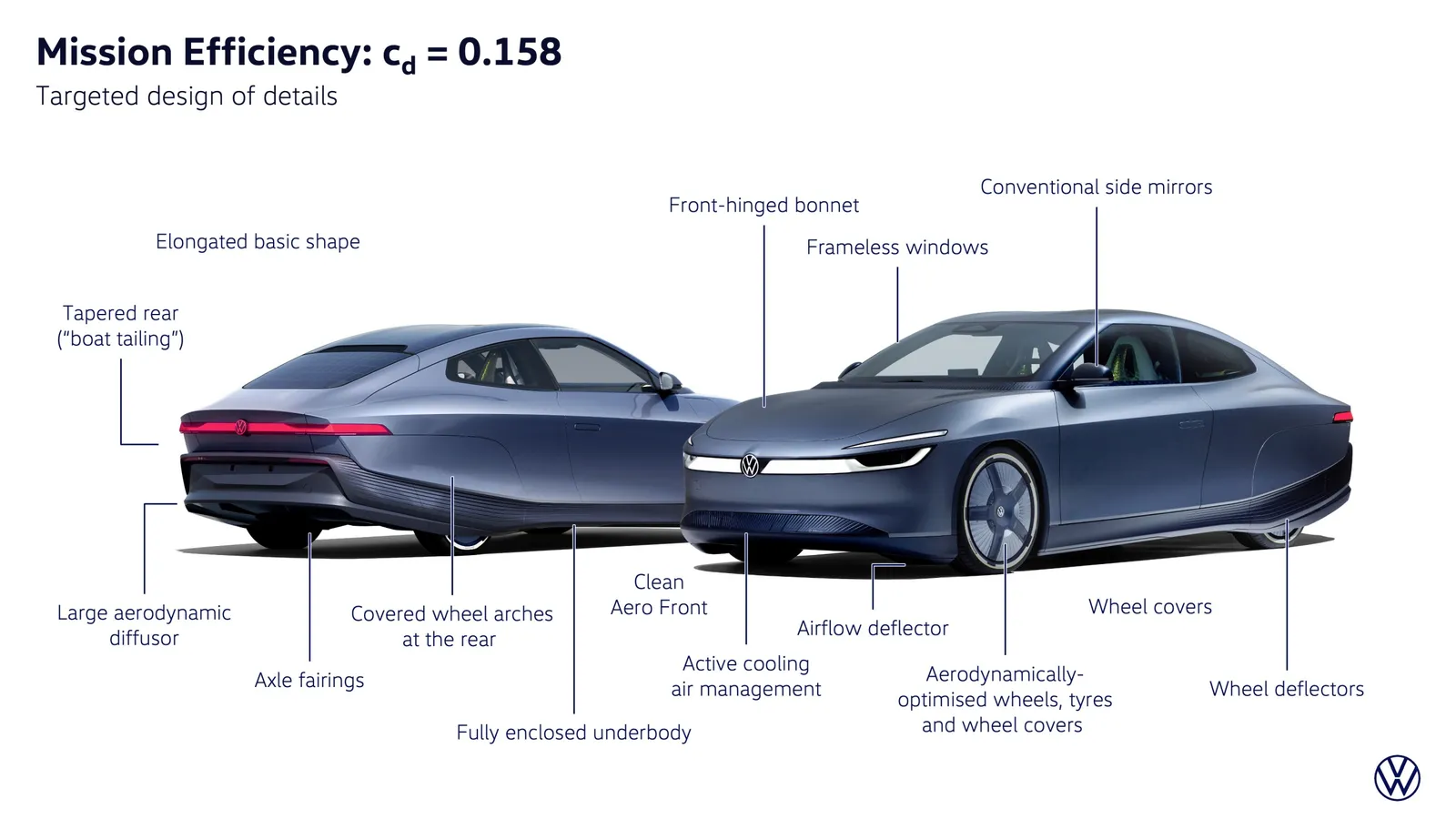
Method No. 1: VW ME energy consumption, WLTP -> estimated EPA
According to official figures from the U.S. Environmental Protection Agency (EPA), the energy consumption of the Tesla Cybercab is 16.5 kWh/mile, or 10.25 kWh/100 km. This is based on EPA testing procedures, which are more realistic than WLTP. Under the same procedures, the energy consumption of the Tesla Model Y RWD is 24 kWh/mile, or 14.92 kWh/100 km.
The manufacturer’s estimated energy consumption for the Volkswagen Mission Efficiency according to WLTP is 8.4 kWh/100 units. The problem is that the EPA and WLTP procedures are not compatible, so these values need to be converted. The standard method is to multiply the EPA value by 1.17, resulting in an estimated 9.8 kWh/100 kilometers for the VW ME per EPA estimates. This is 4.6 percent lower than that of the Cybercab.
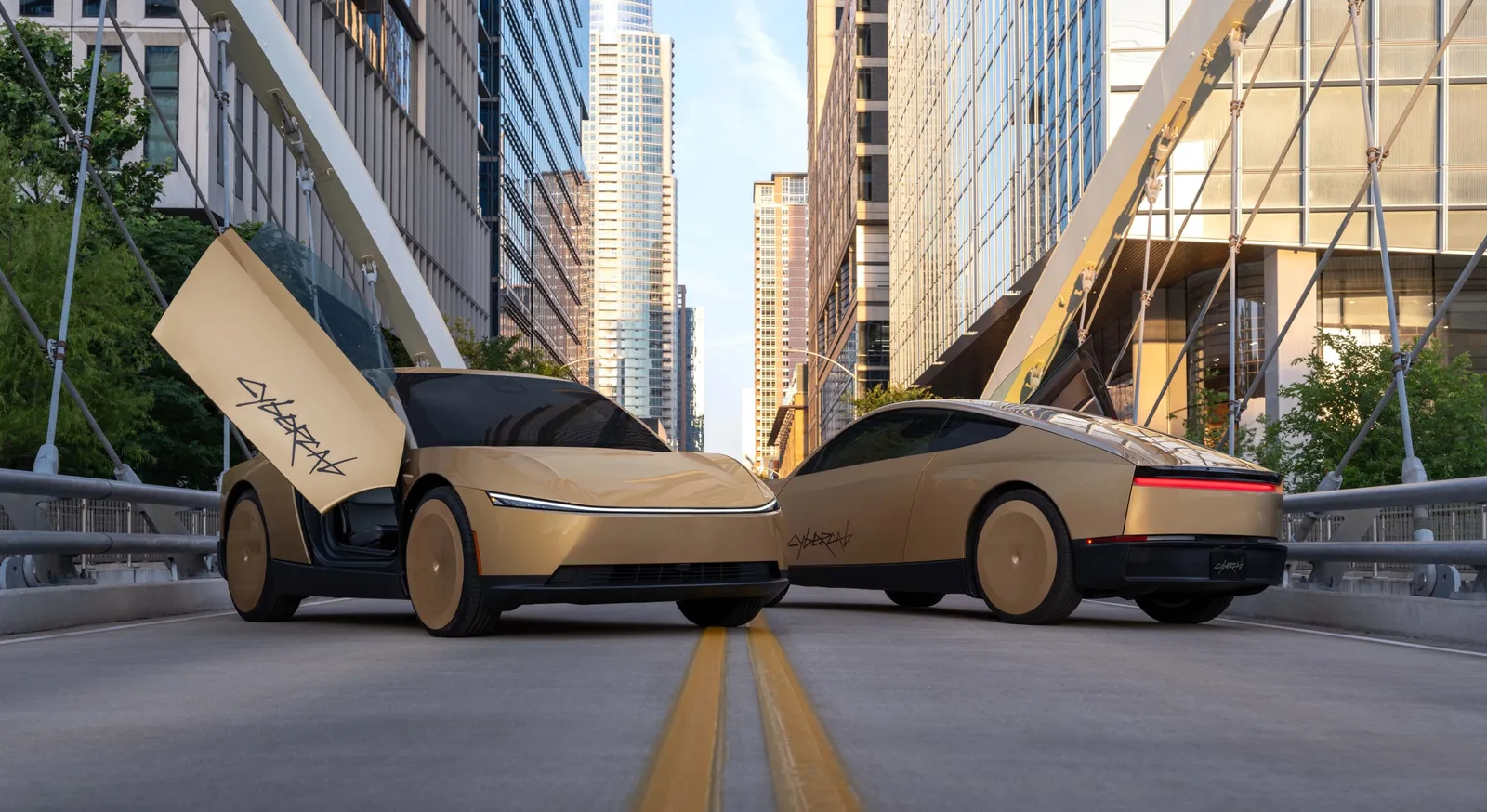
Unfortunately, this is still only a preliminary estimate; it seems better to use the reverse approach and calculate based on the ratios relative to the Tesla Model Y:
Reverse method: Tesla Cybercab EPA energy consumption -> WLTP
The energy consumption of 24 kWh/100 miles applies to the Tesla Model Y Standard RWD with 18-inch wheels. Unfortunately, the American version uses Li-NCx cells, while the European version has LFP cells (which are heavier) in its battery, so the cars aren’t directly comparable. A relatively better benchmark would be the Tesla Model Y Long Range AWD in the Premium trim, as the LR RWD version also has its own quirks. This variant requires 27 kWh/100 miles (source), 16.8 kWh/100 km according to EPA, and 15.6 kWh/100 units according to WLTP (source).
When comparing the EPA and WLTP results, these last two values give us a ratio of 1.08:1. To determine the Tesla Cybercab’s energy consumption according to WLTP, we need to divide 10.25 kWh/100 km by 1.08. The result is 9.5 kWh/100 WLTP units. Meanwhile, the Volkswagen Mission Officiency promises [initially] 8.4 kWh/100 units.
Regardless, Volkswagen’s prototype requires less energy to operate than the Tesla Cybercab.
Article Rating
Readers’ Ratings
[Total: 1 vote Average: 5]
Don’t miss new content — CLICK and FOLLOW Elektrowoz.pl on Google News. You might also be interested in the following ads: