
Tesla boasted about two castings in the Model Y’s chassis, but ultimately abandoned the front one [analysis]
![Tesla boasted about two castings in the Model Y’s chassis, but ultimately abandoned the front one [analysis]](https://api.ev-route.com/storage/news/2026-08/tesla-chwali-a-si-dwoma-odlewami-w-podwoziu-model-1.webp)
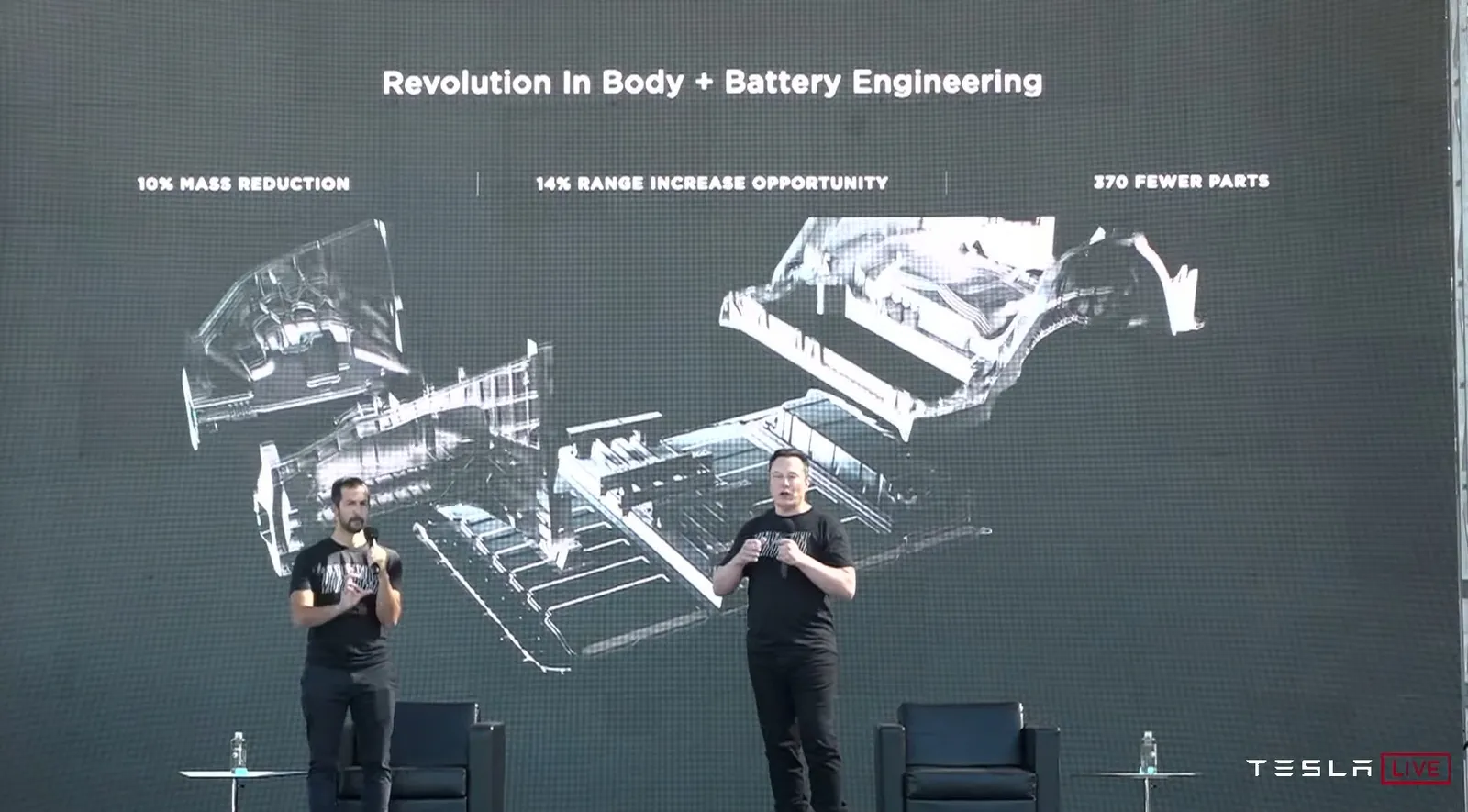
Elon Musk claimed that the Tesla Model Y was a highly optimized vehicle compared to the Model 3. It was supposed to feature a rear mold, a front mold, and a structural battery. As a result, manufacturing the car was expected to be cheaper (fewer parts), faster, and ultimately produce a stiffer and lighter vehicle. However, the front mold was quietly dropped. Luca Greco, who specializes in molding issues in the automotive industry, found an explanation for this decision.
Two molds versus one mold and the traditional approach
The combination of the front and rear castings joined by a structural battery—where the cells serve as the car’s backbone—was intended to reduce the chassis weight by 10 percent and potentially increase range by up to 14 percent. Even the rear casting alone allowed for the elimination of dozens of components in favor of one large, rigid (aluminum) unit, all while offering improved driving performance that provided greater confidence in tight turns.
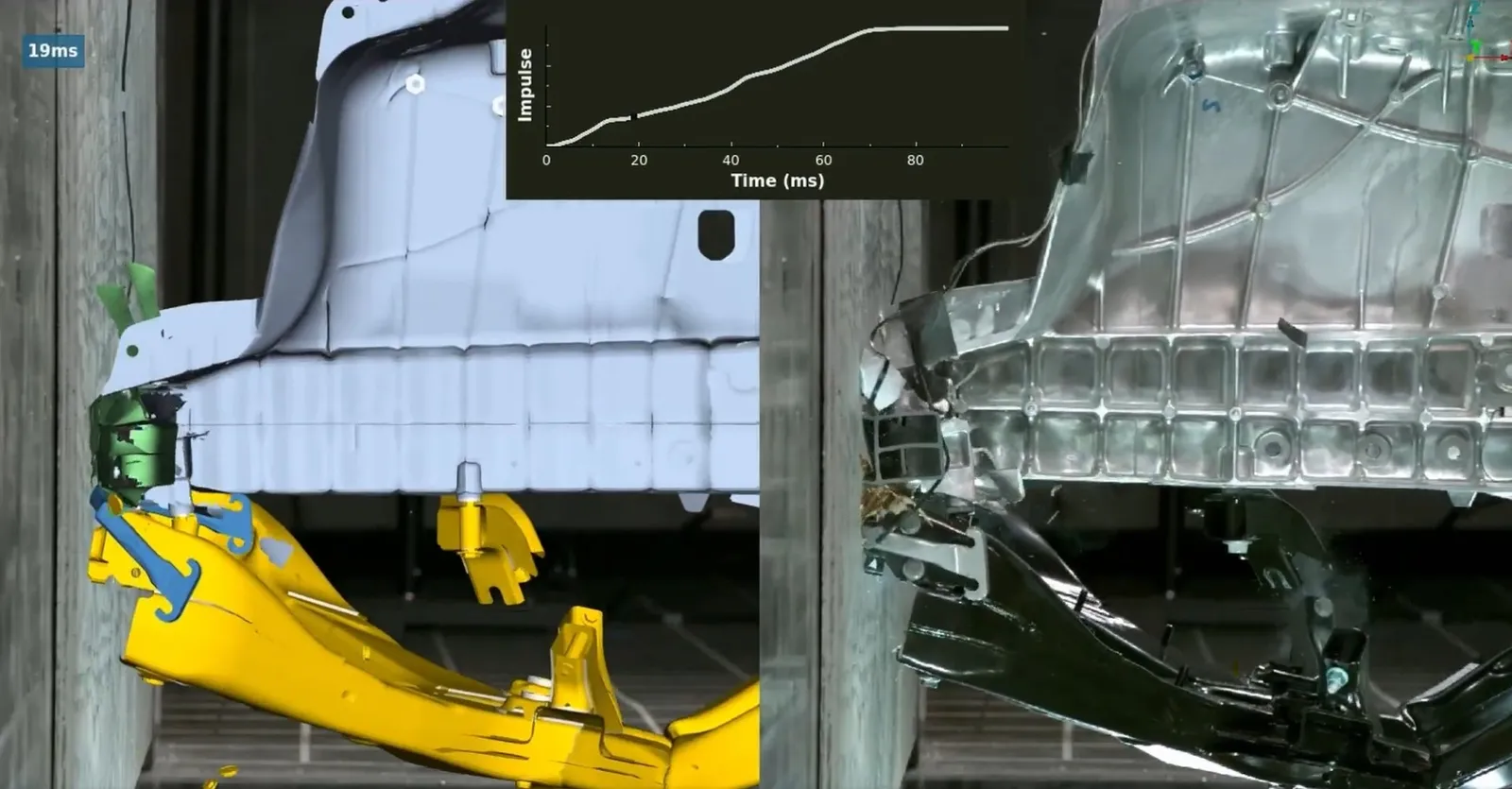
The front bumper proved to be problematic, according to Luca Greco (source). It was rigid and difficult to manage in the event of accidents. In simulations, it tended to penetrate the cabin during frontal collisions, whereas the vehicle’s interior should be the last part to come into contact with hard objects—since it contains a human. Tesla was initially required to modify the bumper design to make it thinner in the front section, allowing it to collapse quickly during a collision to dissipate energy, while becoming thicker and stiffer closer to the cabin (progressive crash mode).
In the end, the use of front castings was completely abandoned in favor of a traditional approach. This was because the front castings were designed to work with structural batteries, which required 4680 cells, yet their development progressed far from schedule, to put it mildly. Tesla’s largest Model Y factory in the world, Giga Shanghai, was not equipped at all for producing structural batteries; it relied on locally manufactured prismatic cells (mainly from CATL, and also briefly from BYD) as well as cylindrical 2170 cells (from LG Energy Solution).
The 4680 cells are slowly returning to Giga Texas and Giga Berlin, with mass production in Europe set to begin in 2027. With them, vehicles will regain their structural battery and may also receive two castings again. This means that any potential deficiencies in the energy density of 4680 cells (i.e., lower battery capacity) can be offset by reduced weight and decreased energy consumption.
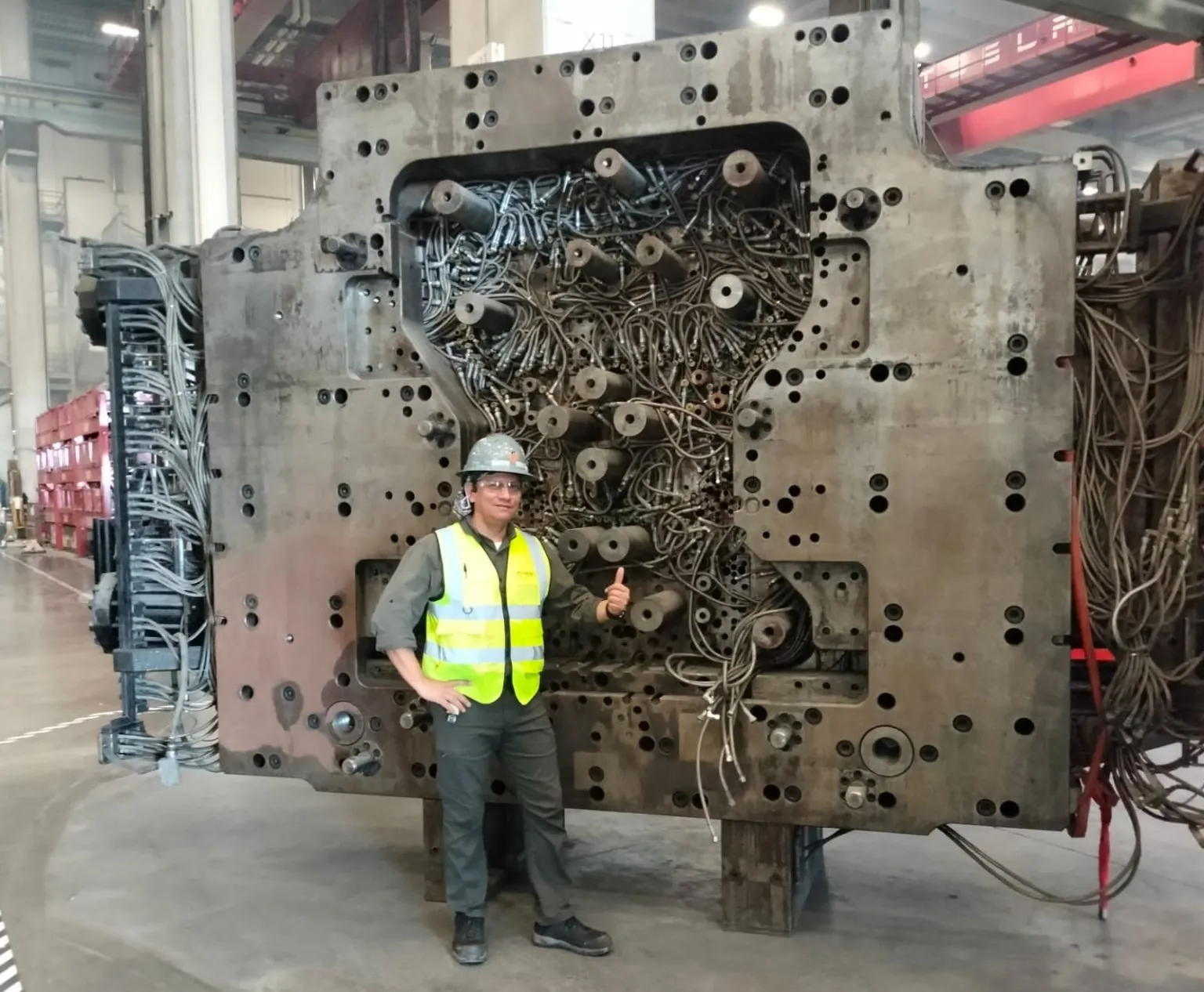
The interior of the large casting machine. Note the numerous wires used for injecting liquid metal (c) Juan Carlos Perez Hernandez / X
Article rating
Reader ratings
[Total: 7 votes Average: 2.9]
Don’t miss new content—CLICK and FOLLOW Elektrowoz.pl on Google News. You might also be interested in the following ads: