
Tesla plans to deliver the first Cybercabs to customers this year. But it will keep most of them for itself.
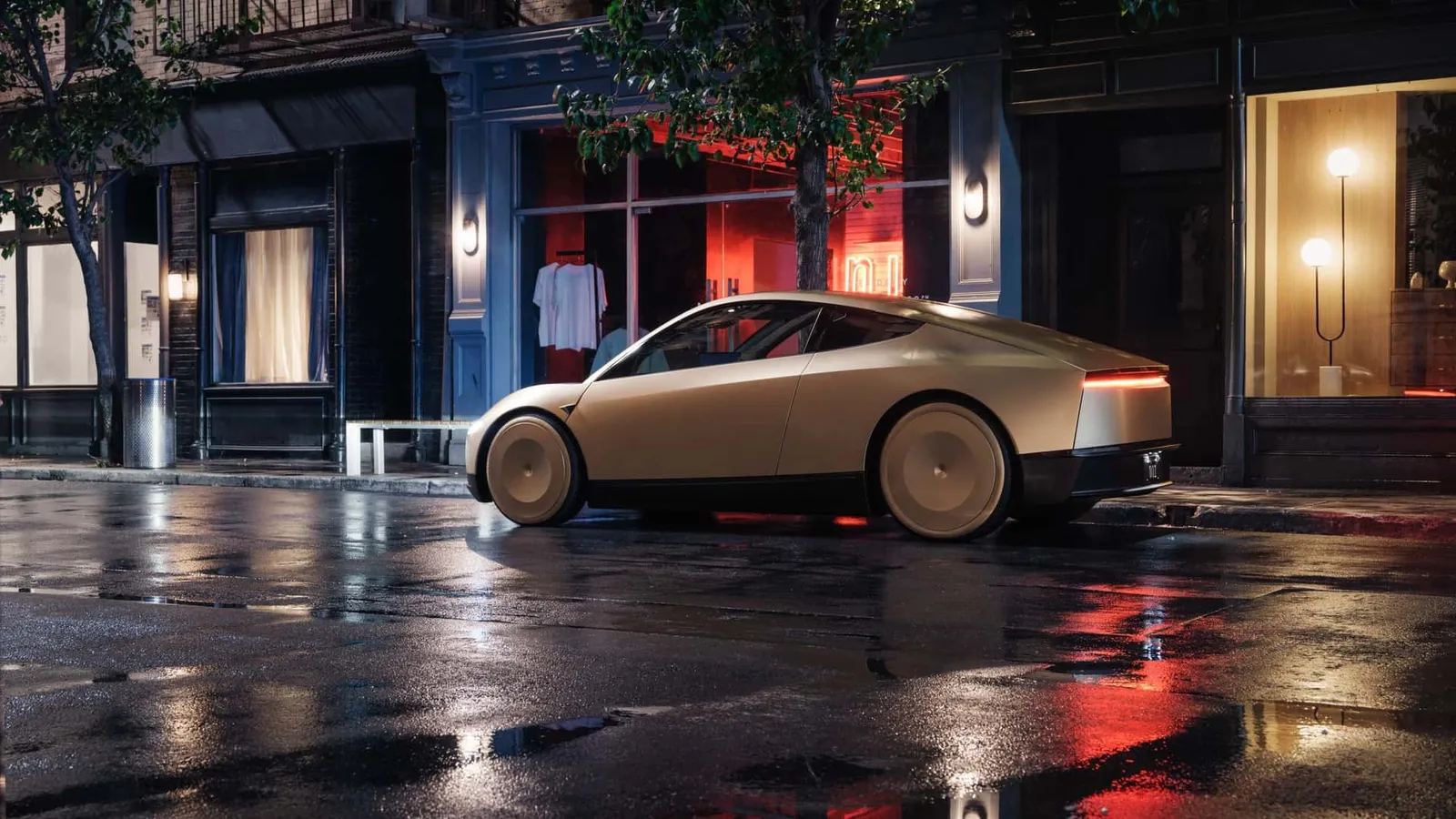
Cybercab is already transporting paying passengers in Austin, and Tesla is preparing the first private delivery vehicles. Musk clarified, however, that most of the cars will remain in the company’s fleet.
First private delivery vehicles by the end of this year
Tesla aims to deliver the first Cybercabs to private customers by the end of 2026. Vice President of Technology Lars Moravy stated this during a call regarding third-quarter results. His remarks outline the goal the company is pursuing.
This is important news for those interested in a two-seater electric vehicle without a steering wheel. According to Moravy, the cars produced so far are intended for the company’s own robotaxi fleet. Tesla already has several hundred prototype units, with production taking place at its factory in Texas.
Elon Musk also clarified that Tesla will own the vast majority of Cybercabs directly. Private deliveries are therefore meant to account for a smaller portion of overall operations. The automaker did not specify during the call how many vehicles it would deliver to individual customers.
The transportation service plays the main role
According to Musk, Cybercab is primarily intended as a paid transportation service. Customers order rides, and the vehicle remains the property of the operator. For regular private ownership, however, Tesla’s CEO highlighted the Model 3, Model Y, and the upcoming Roadster.
Tesla launched paid Cybercab rides on September 3 in Austin, Texas, and plans to expand to Dallas as well. With its own fleet, it can also handle vehicle charging, maintenance, and cleaning, which are crucial for the operation of robotaxis.
Musk originally promised a selling price below $30,000. However, the current announcement does not specify the final price or the conditions for private operation. Questions remain, such as exactly where Cybercab owners will be able to use it.
American agency is reviewing certification
The plan also includes verification by the U.S. NHTSA agency, which began its review on September 3. Tesla stated that Cybercab meets all applicable federal safety standards. The agency is now examining the process and technical data behind this assessment.
Cybercab lacks a conventional steering wheel, pedals, or rear mirrors. Therefore, NHTSA is also evaluating to what extent Tesla based its certification on the assumption that certain standards do not apply to this vehicle. The review itself does not yet mean a ban on operation.
The first private deliveries will thus represent an important step toward utilizing Cybercab outside of Tesla’s fleet. However, current statements suggest that the automaker places primary focus on its own delivery service. We are still awaiting details for individual buyers.
Sources:
original text / Elektrickevozy.cz
InsideEVs
Don’t miss
They installed a gasoline engine in Tesla. Now companies from the Obrist group are going bankrupt
Alza reduced the price of a great car accessory. It costs only 92 CZK, and Czechs praise it
It has solar panels on its wheels. The new electric bike promises a range of up to 225 kilometers