
Tesla blames battery supply for flat sales, but its prices keep falling
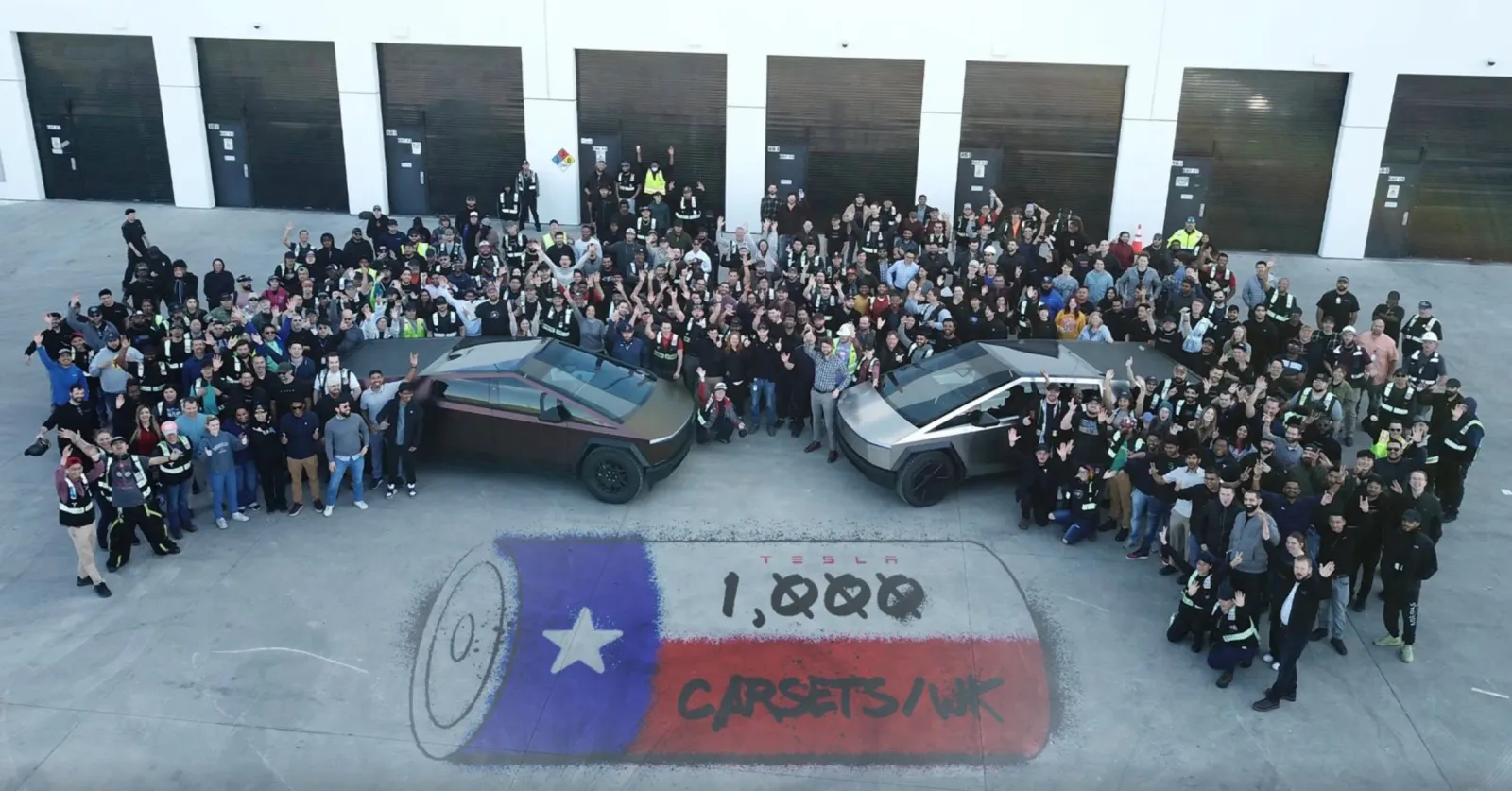
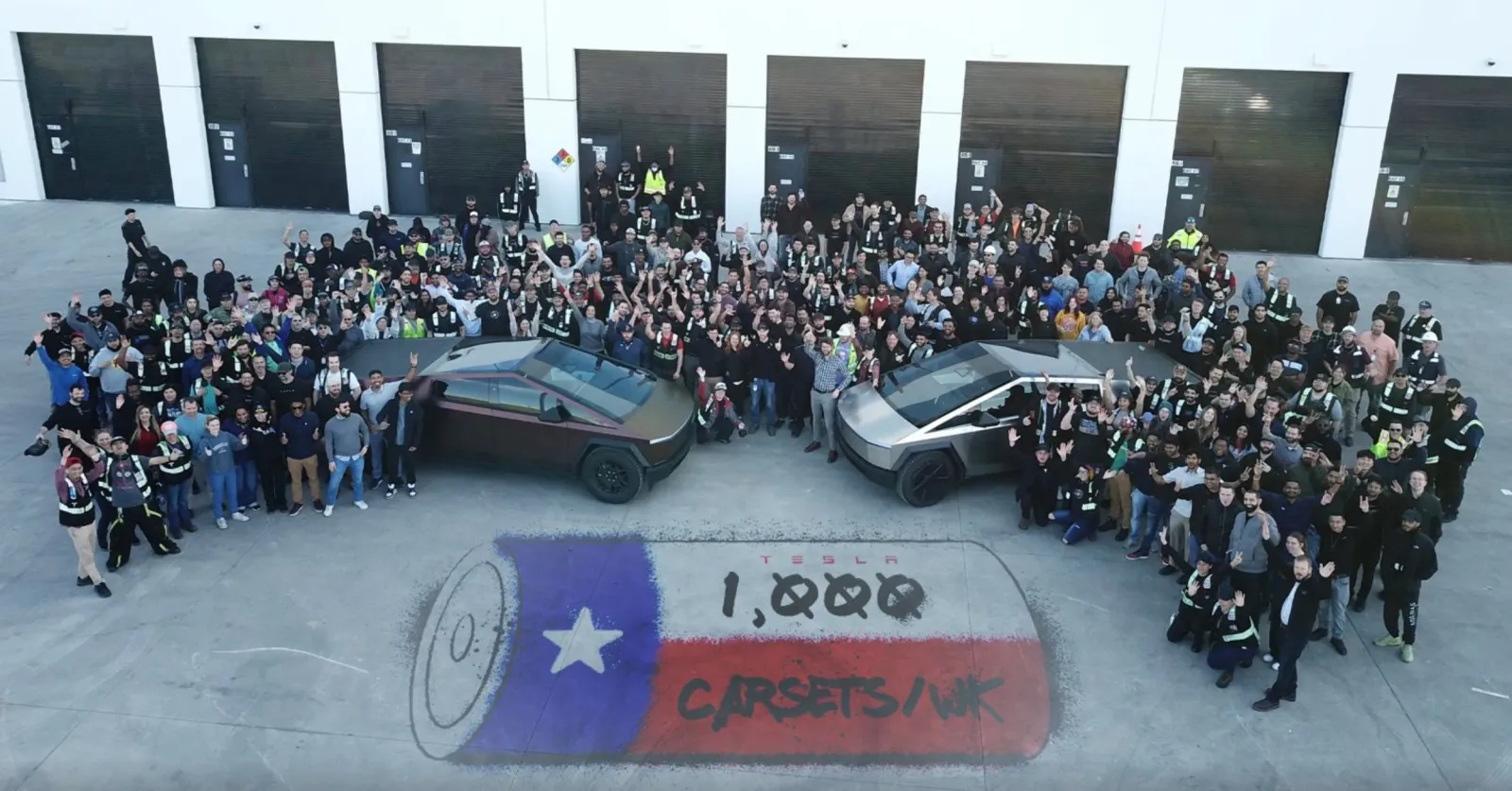
Tesla says battery supply, not demand, is what’s holding back its car sales. In its Q3 2026 shareholder letter, the automaker wrote that “battery availability continued to be the limiting factor in increasing auto volumes in the quarter.”
It also claims it ended Q3 with “the largest backlog for our passenger vehicles in four years.” But the numbers in the same letter don’t line up with a company that has more buyers than cars.
Tesla’s new explanation for flat sales
The battery line has been building for a while. In Q2, Tesla called battery pack capacity “the main limiting factor to near-term vehicle production volume increase.” Now it says batteries limited what it could sell during the quarter itself.
Tesla didn’t put a number on the backlog. It did list record deliveries in Canada, Australia, Japan and Taiwan, and record production at Gigafactory Berlin. Elsewhere in the Q3 2026 financial results, Tesla says it is focused on “increasing production across our factories” because of “strong demand.”
What Tesla’s own numbers show
Tesla delivered 486,532 vehicles in Q3, down 2% from 497,099 a year ago. Model 3 and Model Y were down 1%. “Other models,” which covers Cybertruck, Semi and what’s left of Model S and X, fell 48% to 8,295 units.
It built 464,391 vehicles, so it delivered 22,141 more than it produced. That’s the second quarter in a row Tesla has worked down inventory, after building about 50,000 more cars than it sold in Q1. Global inventory fell to 11 days of supply, from 27 days in Q1 and 15 in Q2.
Model 3 and Model Y production ran at about 1.83 million units annualized. Tesla lists more than 2.25 million units of installed capacity for those two models across Fremont, Shanghai, Berlin and Texas. So the factories ran at roughly 81%.
And here’s the part that doesn’t fit. In its list of reasons revenue didn’t grow, Tesla cited “lower vehicle average selling price (ASP)” year-over-year, even after excluding currency effects. Automakers that can’t build cars fast enough usually raise prices, or at least stop discounting.
Where Tesla’s batteries are going
Tesla has more places to put battery cells than it used to. The same letter says energy storage had its “highest-ever order rate and backlog,” Megafactory Texas started production with 50 GWh of planned capacity, and Tesla is increasing 4680 cell output “to support the ramps of both Cybercab and Tesla Semi along with higher Model Y volumes.”
Tesla’s outlook even says deliveries depend on “allocation decisions between sale to customers and use for our owned and operated fleet.” So part of the battery constraint is Tesla deciding where its cells go.
Electrek’s Take
Battery supply is a real issue, and tariffs on Chinese cells make it harder in the US. Tesla also did set records in a few markets, but overall deliveries are down, and Tesla is selling cars for lower than it used to. Those are not signs of a company that is supply constrained.
In fact, today, in 2026, Tesla has more battery suppliers than ever, and it has itself ramped up production of its own battery cells.
But “we’re supply constrained” is one of Tesla’s oldest lines, and this letter doesn’t prove it. Deliveries fell year-over-year. Prices fell. Two quarters ago, Tesla built 50,000 cars it couldn’t sell. If batteries were really the bottleneck, Tesla would be raising prices and keeping the extra margin, not lowering ASPs.
The more likely answer is that it’s a bit of both. Demand recovered somewhat in some markets, and Tesla is choosing to send more cells to Megapack, Cybercab and Semi because it thinks those businesses are worth more. That’s a reasonable strategy. It’s just not the same as having more customers than it can serve.