
Tesla offers autonomous driving for the first time with the Cybercab
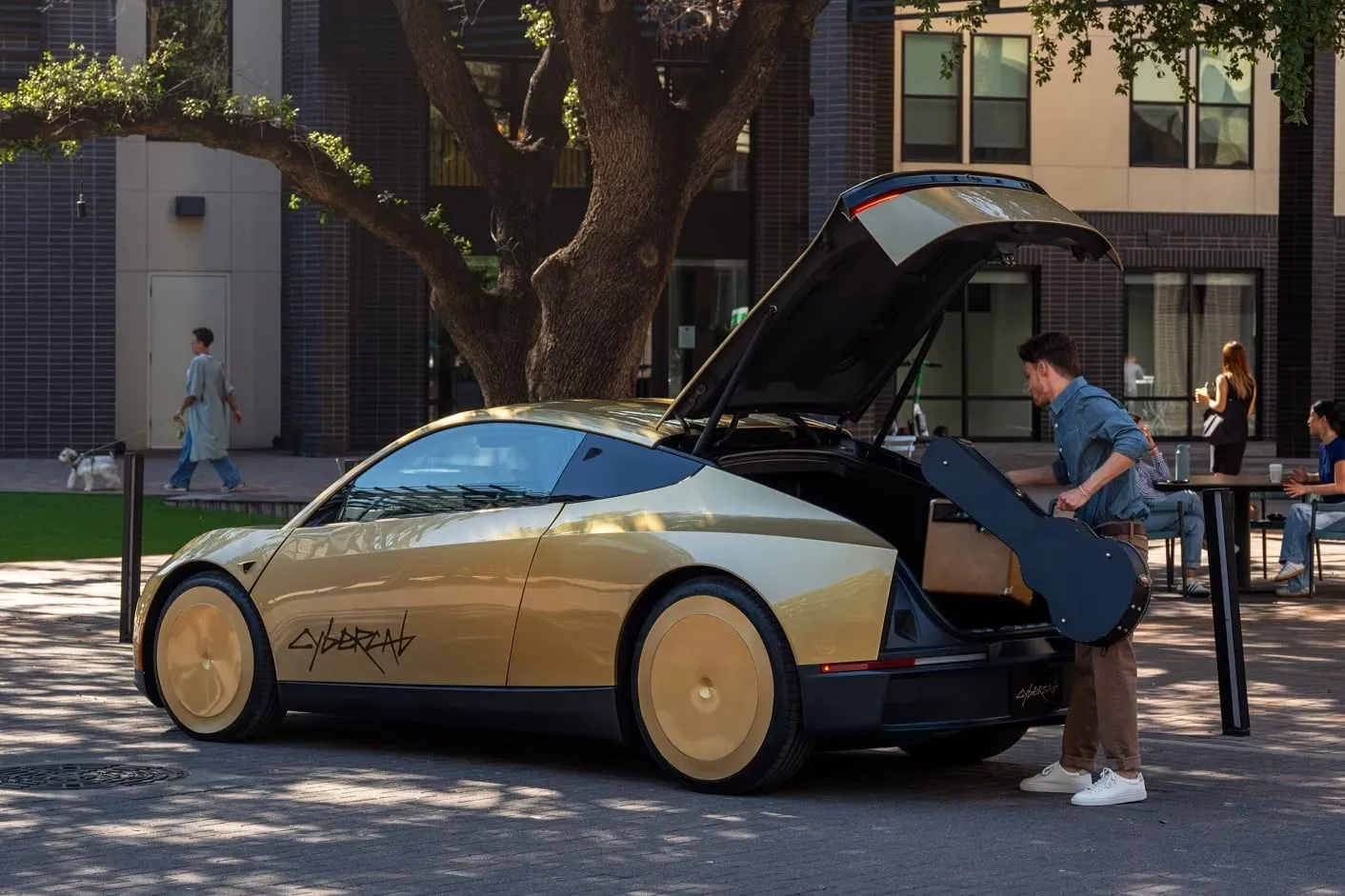
In Austin, in the U.S. state of Texas, Tesla has put the first fleet of Cybercab into operation. This is the highly anticipated robotaxi that comes without a steering wheel or pedals at all. In Austin, Tesla can now use these fully electric two-seater vehicles for its driverless ride-hailing service.
What happened in Austin yesterday was an unusual event for Tesla: there was no live stream provided, no press representatives were invited — and even CEO Elon Musk is said not to have been present in person. Instead, only regular customers and a few tech influencers were there, and reports now rely on their accounts for details.
The highlight of the event in the southern United States was the Cybercab, which Tesla unveiled in Hollywood in October 2024. The Cybercab is a fully electric two-seater vehicle — its folding doors give access to a relatively small interior, with a solid partition behind the two seats. Pre-production of this model began in February 2026, followed by mass production at the Giga Texas facility located in Austin as well.
The Cybercab can be booked through a robotaxi app
These very first production Cybercabs are now set to roll regularly on Austin’s streets. With the launch event there, Tesla marked the beginning of public use of the Cybercab. In this Texas city, rides in the Cybercab can now be booked through Tesla’s dedicated Robotaxi app. Although Tesla has previously offered autonomous Robotaxi services in Austin, Dallas, Houston, Miami, Orlando, and Tampa, those services have used modified Tesla Model Y vehicles rather than the Cybercab itself.
However, neither the Model Ys nor the Cybercab are fully autonomous at this point. In Austin, the Model Ys were initially operated for long periods only with a safety driver on board, until Tesla moved the emergency control to accompanying vehicles, thereby giving passengers the illusion of a fully autonomous ride. Moreover, like its competitors Waymo and Zoox, Tesla also needs to operate a command center for its robotaxis, from where staff can intervene remotely if the software cannot handle certain driving situations or makes mistakes. In other words, while the Cybercab can drive autonomously in principle, it can only do so until it needs human assistance from afar.
This video shows impressions from the Cybercab launch event and a first test drive with the two-seater robotaxi:
Currently, the Cybercab fleet in Austin is still quite small. Tesla currently has approval to operate 45 units of this dedicated robotaxi in Texas. If the rides proceed without incidents, the Texas transportation authority is likely to approve more vehicles sooner or later.
The aim is to provide passengers with a high level of comfort. With apps for entertainment, music, and gaming on a 22-inch touchscreen, the Cybercab offers space to be productive or relax, according to the company — which also plans to equip the vehicles with V5-Starlink hardware for “seamless connectivity.” Or as CEO Elon Musk put it on X: “The Cybercab is essentially a super-comfortable lounge on wheels — with a great screen and fantastic sound.”