
Tesla opens a development center in Berlin as it prepares to expand its factory capacity to produce one million cars per year
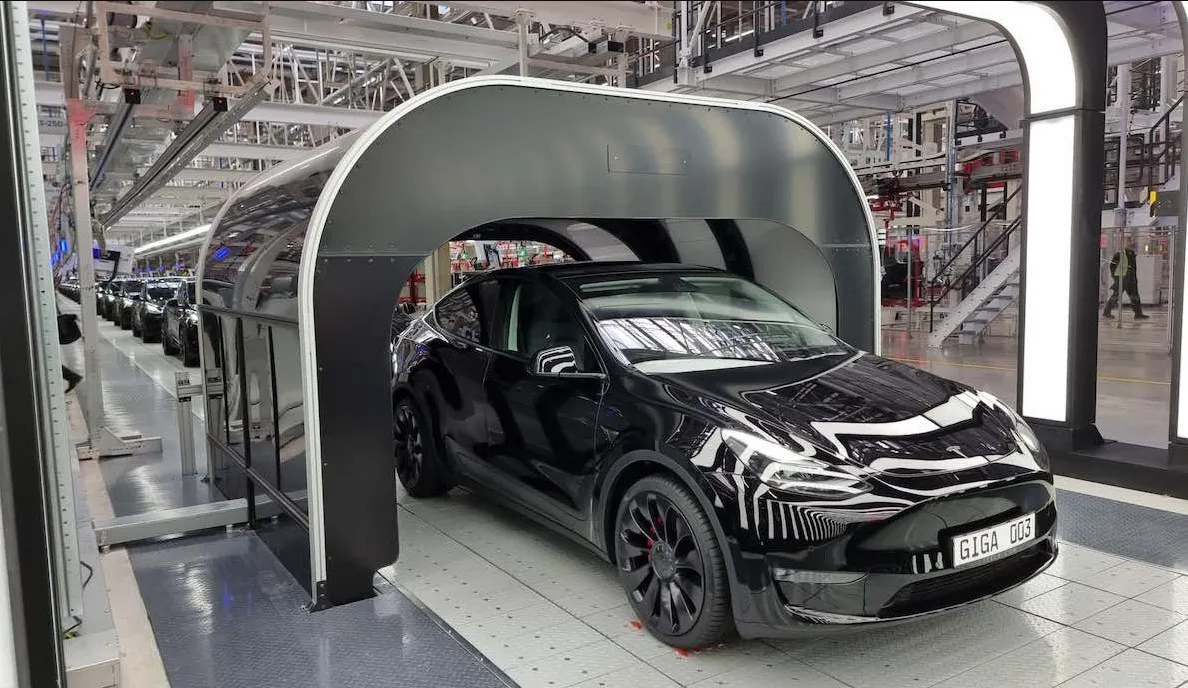
Tesla takes another step to strengthen its industrial presence in Europe. The American company has opened new facilities that will allow it to concentrate much of its European development work near the Berlin factory where the Model Y is produced. This move adds technological weight to a region that already plays a key role in the brand’s production for our market. It also paves the way for the future development of a model better suited to the Old Continent.
Tesla’s new European development center is located in Berlin’s Köpenick district, where the company has converted an old industrial site. Engineers and technicians specializing in materials, propulsion systems, and vehicle development will work there. The total investment announced for the project amounts to 100 million euros, with implementation taking place in phases.
In this initial phase, the facility operates partially and employs over 250 workers, drawn from Tesla’s existing sites in Tilburg, the Netherlands, and other laboratories.
The site includes 30 specialized laboratories covering everything from component development to validation. Planned tasks include battery cell testing and safety checks for items such as airbags. Bringing these activities together in one location allows for closer coordination of tasks that were previously spread across different sites.
A facility that has also contributed to the development of the Roadster
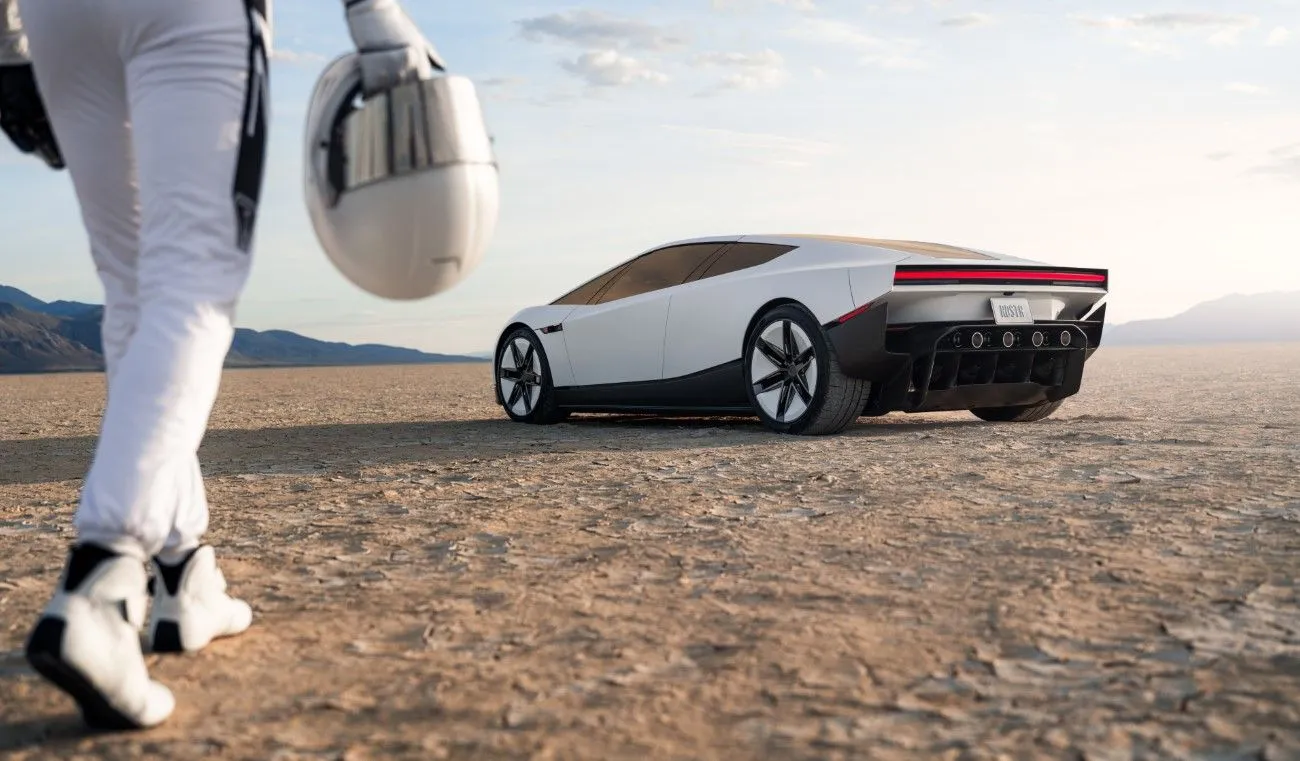
The efforts of Berlin’s teams are not limited to cars manufactured in Germany. According to the company, they have contributed to the development of the Model Y, the electric truck Semi, and the new Roadster. Jan Brückner, head of the center, emphasized during the opening that some components of the sports car were developed in Berlin, a work that will continue in the new facilities.
Tesla has already applied for permission for a second phase of expansion. With it, the center could accommodate around 500 engineers and technicians, though this figure represents a future goal rather than the current workforce. Construction will continue in the coming months to add more space for research and development activities.
The proximity to Grünheide was decisive in choosing the location. Brückner noted that from this factory, Tesla supplies the European market, so having development teams nearby offers direct benefits. Reusing the old industrial complex also helped speed up the project, with the first permit application submitted in September 2025.
The opening coincides with plans to expand the German factory. Tesla aims to raise its annual production capacity from the previously estimated 500,000 cars to one million, although the plant has not yet reached that first production level.
The move strengthens Germany’s role within Tesla: in addition to manufacturing cars, the region gains more importance in the development and testing of components. The evolution of production will depend on how well the company’s plans progress, but the new center represents a concrete investment in engineering that supports this industrial activity.