
Now even Geely is announcing solid-state batteries by 2027. It will be interesting to see China take this achievement away from the West.
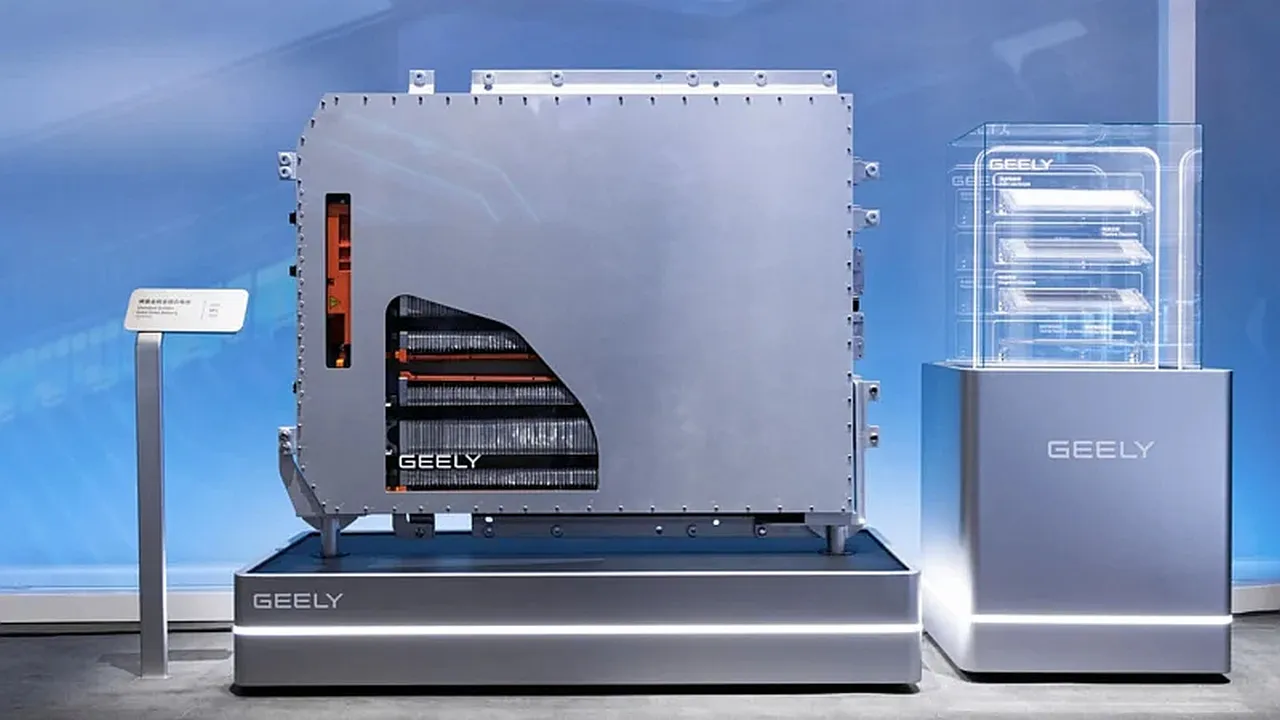
Geely will begin pilot testing solid-state batteries in its brands in 2027. These batteries will have an energy density of 0.5 kWh/kg, which is more than twice that of the lithium-iron-phosphate batteries produced by Geely. The implications could be significant: twice as much energy in packs that take up the same space in the chassis (60 → 120 kWh, etc.). Or twice as light batteries while maintaining the same range. This is a short path toward electric vehicles that weigh less than gasoline cars.
BYD, the world’s second-largest lithium-ion battery manufacturer, announced plans to test solid-state batteries in 2027. Shortly after, CATL, the world’s largest lithium-ion battery manufacturer, made a similar statement. Within a few weeks, it was Geely’s turn—although it isn’t even in the top 10, it competes with BYD and CATL in terms of LFP battery performance.
This shift among private Chinese manufacturers is interesting, as just a year ago some refused to develop any short- or even medium-term strategies for ASSB, mentioning only decade-long transitions. Yet now that electric vehicle subsidies have ended, the Chinese market has become somewhat saturated and slowed down, with sales declining and exports failing to fill the gap—also because there are fewer shipping vessels and cars are now even being sent in containers—manufacturers must promise something to shareholders and the government. Apparently, it’s fallen on solid-state electrolytes:
Geely’s partner in manufacturing solid-state cells is Dow Chemical, a company that has developed adhesives capable of withstanding temperatures from -40 to 120 degrees Celsius. It is unclear whether this adhesive also serves as an electrolyte or merely keeps the electrodes in a stable condition, as we know that during production, when components are welded and compressed together, anodes and cathodes react differently under pressures reaching several hundred megapascals. The mentioned 0.5 kWh/kg represents energy densities that give electric vehicles diesel-like range, and it is also the first threshold at which batteries begin to make sense for passenger aviation.
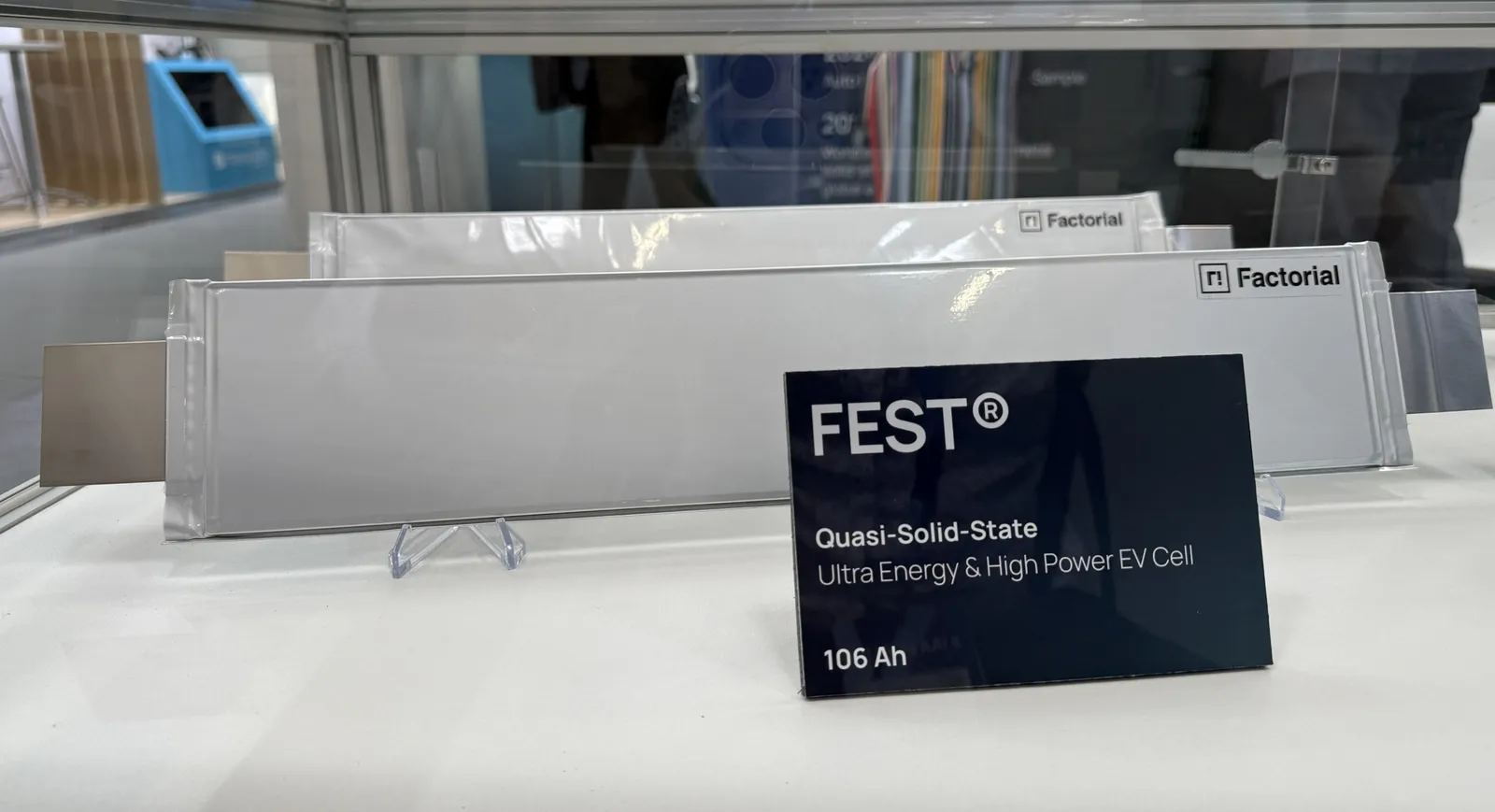
The solid electrolyte was the Holy Grail for many Western startups. Meanwhile, QuantumScape only has a pilot line with prototypes, and Factorial supplied an initial batch to Mercedes for testing, but these are “only” cells with solidified electrolytes. If Chinese companies now start producing and deploying ASSB in cars, Western brands will have to admit defeat once again.
Article Rating
Reader Ratings
[Total: 12 votes Average: 3.7]
Don’t miss new content — CLICK and FOLLOW Elektrowoz.pl on Google News. You might also be interested in the following ads: