
T&E Study: Electric trucks have a significant cost advantage in Germany
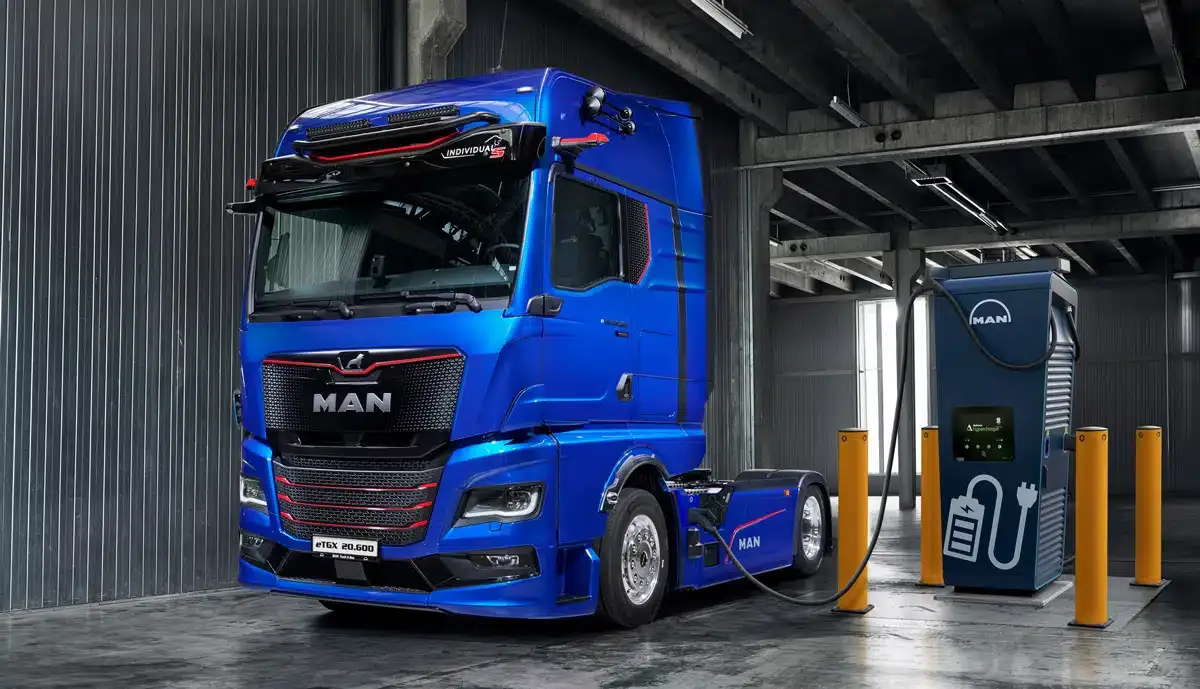
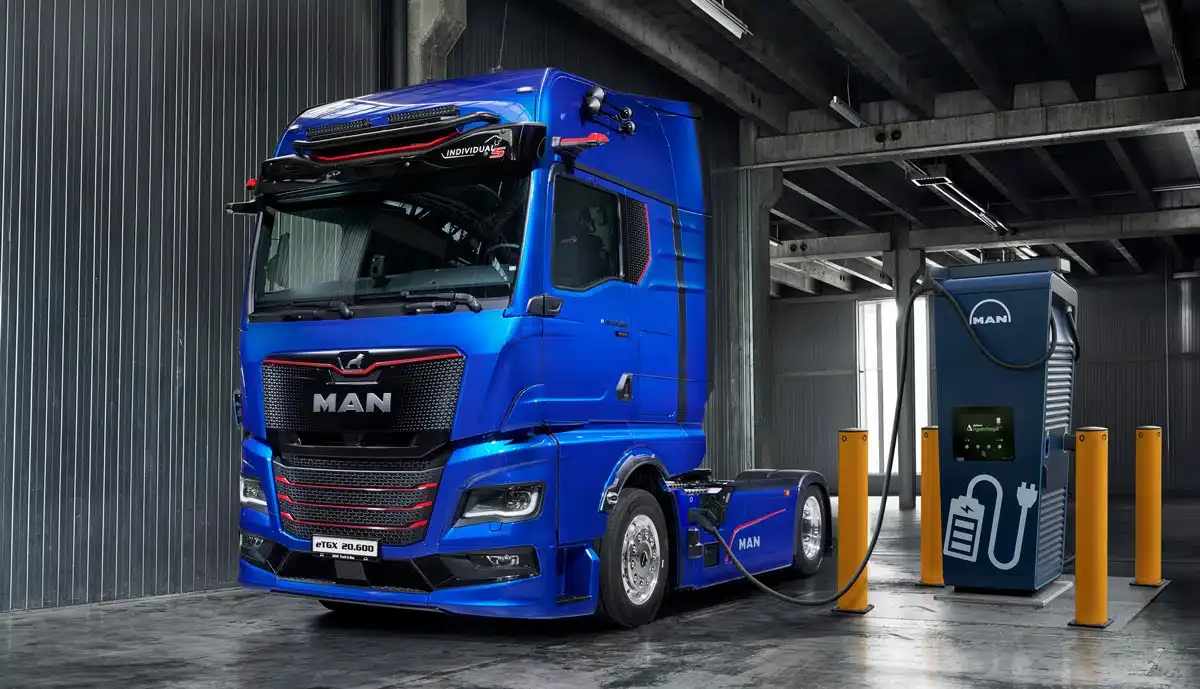
Image: MAN (illustrative)
According to a report by the environmental organization Transport & Environment (T&E), the total operating costs of electric trucks are lower than those of diesel trucks in six out of the nine major EU markets. These analyzed markets account for 46 percent of all newly registered heavy trucks in the EU.
In Germany, the cost savings are highest according to the analysis: over a period of five years, they amount to 85,000 euros, with electric trucks paying for themselves after just two years. Given the current high diesel prices, these savings could rise to 106,000 euros.
To date, European truck manufacturers have dominated the market. But now, competitive electric trucks from China and the U.S. are available at lower purchase prices. According to T&E, these trucks could mean additional savings of 34,000 euros for Germany over a five-year period. This should serve as a wake-up call for European truck manufacturers, as profit is crucial given the low margins in the industry. They must therefore accelerate and expand their production of electric trucks to maintain their market leadership.
"Conditions for electric trucks in Germany are particularly favorable"
"European comparisons show that the conditions for electric trucks are particularly favorable in Germany," says Johanna Braun, manager of electric mobility for trucks at T&E Deutschland. "Within just two years, the investment costs pay off, and freight companies can save money with electric trucks. At the same time, electric trucks offer the best protection against shocks in the oil market. In contrast, the federal government’s fuel discount will temporarily put thousands of companies under a false sense of security and unnecessarily prolong the transportation industry’s dependence on expensive imported diesel."
The cost advantages of electric trucks are already reflected in rising sales figures: by 2025, 3.2 percent of all newly sold trucks over five tons in the EU were electric. In Germany, this figure reached 7.2 percent in the same year, an increase of about 60 percent compared to 2024. German manufacturer Daimler Trucks particularly benefits from this trend: while its market share in diesel trucks remains around 20 percent, its share in electric trucks is nearly 40 percent according to T&E, twice as high and continuing to grow strongly. Together with another German manufacturer, MAN, German electric truck brands currently hold a market share of over 50 percent in European new registrations.
Braun states, “German truck manufacturers are currently reaping significant benefits from the growth of electric trucks. To maintain this leadership position, the federal government must keep market conditions stable at minimum and provide all market participants with investment certainty.” He adds, “China is already entering the market with competitive electric trucks. If Europe’s electrification goals are weakened, non-European truck manufacturers will benefit and gain market share. Rather than continuously delaying European targets, domestic manufacturers should focus on preserving their advantage in their own market.”
T&E is urging the federal government to oppose any dilution of the CO2 fleet limits for trucks. The -43 percent CO2 target by 2030 must not be further weakened. This is crucial to ensure that manufacturers produce more electric trucks and achieve the scale effects needed to keep prices down.
Also interesting
About the author
Thomas Langenbucher is an expert in electromobility with experience in the automotive and financial industries. Since 2011, he has been covering electric vehicles, sustainable technologies, and mobility solutions for ecomento.de. Learn more.
Reader interactions