
Smaller fuel tanks: the most controversial solution to enable owners of plug-in hybrids to charge them.
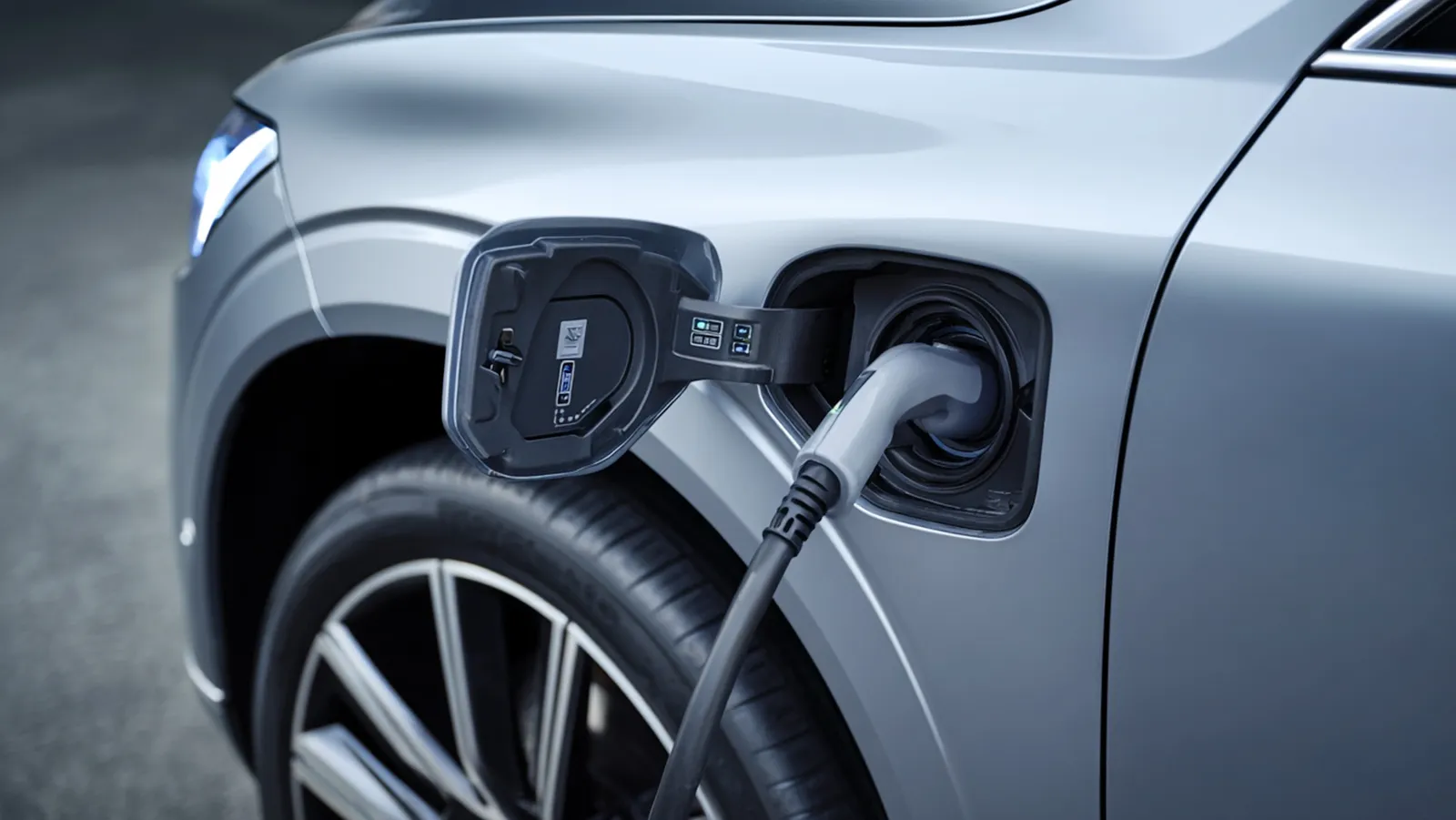
A plug-in hybrid (PHEV) is supposed to run on electricity during the week and use gasoline for long trips, but many drivers hardly plug it in. When that doesn’t happen, the fuel savings and reduced emissions remain largely on paper. Many plug-in hybrids we see on our roads rarely get plugged in because many of their owners only wanted the advantageous DGT ZERO rating.
Transport & Environment (T&E), the European organization advocating for cleaner transportation, has proposed a simple yet controversial idea: limiting plug-in hybrids to fuel tanks of only 15 liters. Their goal is to encourage owners to charge their cars more often and rely less on the internal combustion engine, although this would bring other secondary problems.
Nearly six times more CO₂ than approved
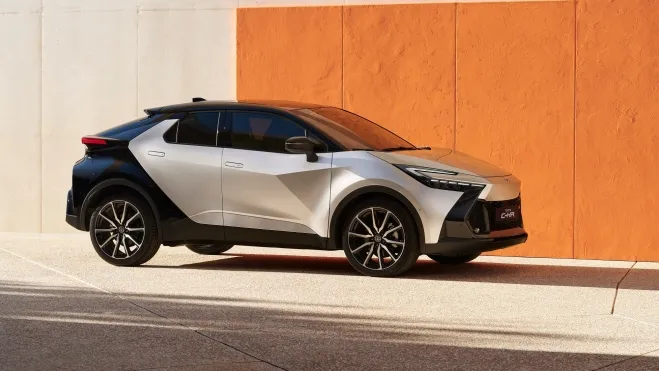
After a thorough analysis of data from the European Environment Agency on plug-in hybrids registered in 2024, their conclusion was that they emitted nearly six times more CO₂ than their official figures indicated, whereas in 2023 models the difference was around five times.
In practice, their actual emissions were only 14% lower than those of conventional gasoline cars and hybrids, while the official figures showed an 83% reduction. Fully electric driving accounted for just 27% of the total distance traveled. And even with the battery providing power, the gasoline engine was running during 32% of those kilometers.
This is also reflected in costs. Based on its price forecasts for 2026, T&E estimates that a 2024 PHEV will cost 1,810 euros per year in fuel and electricity, compared to 1,130 euros under official figures. That’s a difference of 680 euros.
T&E’s demands: more battery, faster charging, and more electric motors
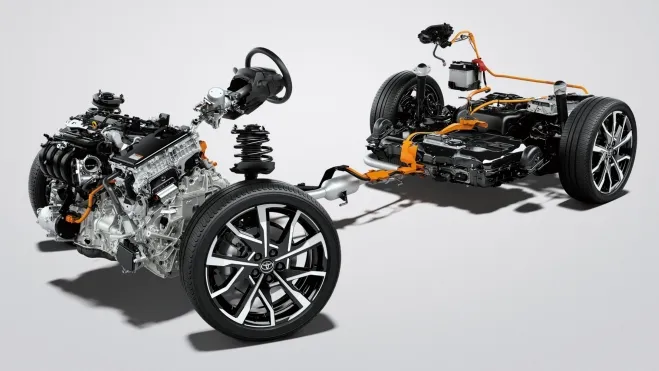
In addition to a 15-liter fuel tank, the report suggests that plug-in hybrids should achieve at least 200 kilometers of real electric range by 2030. It also calls for a continuous charging power of over 100 kW and electric motors with at least three times the power of those in conventional combustion engines.
This last point is crucial. T&E found that PHEVs with more powerful electric motors relative to the internal combustion engine had lower actual emissions. If the electric component isn’t sufficient for quick acceleration or climbing steep slopes, the gasoline engine ends up starting even when the battery is fully charged.
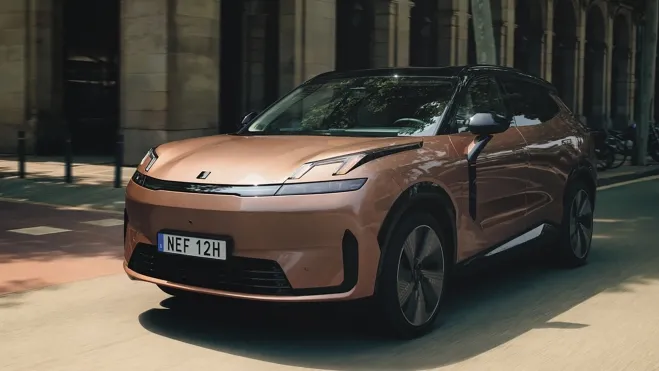
A good example is the Lynk & Co 08, which has a 39.6 kWh battery and 200 kilometers of WLTP electric range. In daily use, it behaves almost like an electric vehicle, but on the highway, if driven hard, it needs to engage the gasoline engine to deliver its full power.
Brands are already increasing range
According to the study, Europe’s stricter emission standards are already forcing manufacturers to install larger batteries. The new Volkswagen Tiguan eHybrid, launched in 2024, claims 119 kilometers of electric range, up from 55 kilometers in its predecessor. As a result, its official emission figure has changed little despite the new rules.
This tightening is being implemented in phases, with a new usage factor that gives less weight to electric driving mode during certification: the first phase takes effect in 2025, with the next scheduled for 2027. German manufacturers want to freeze this upcoming step, which, according to T&E, would result in actual emissions being underestimated by 56%.
A market driven by companies
The subsidies also vary across Europe. Although 24 member states offer some form of tax advantage or incentive, companies purchased 71% of the plug-in hybrids sold in the European Union at the beginning of 2026. For now, this proposal is merely a recommendation to European lawmakers. In Spain, PHEVs with over 40 kilometers of electric range carry the DGT’s Zero label, so any change in the rules affects those considering buying one. A 15-liter fuel tank makes sense if the car runs almost entirely on electricity. Otherwise, it will only require more frequent stops at gas stations.
Source: Transport & Environment