
The numbers can lie: How big is the trunk really?
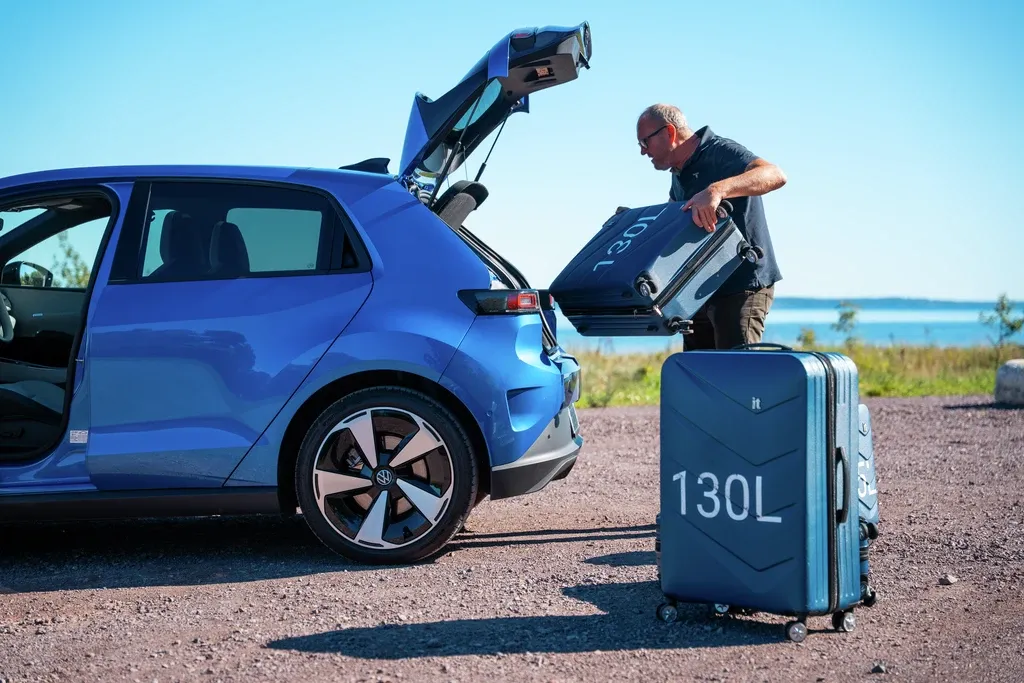
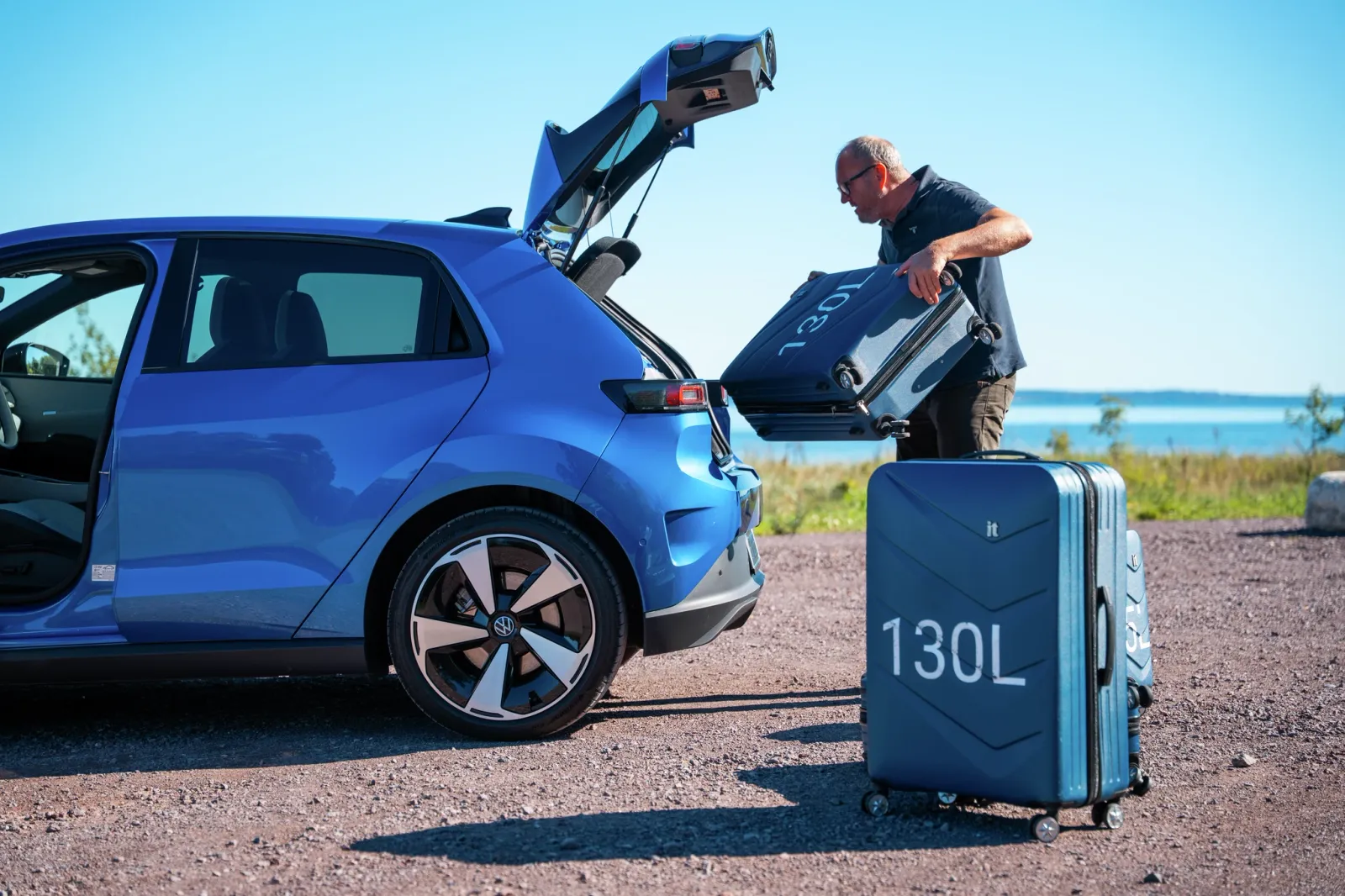
The figures provided by car manufacturers for trunk space can be misleading. That’s why we always fill the trunks with suitcases in our car tests. Here you can compare the results.
24.09.2026 11:26 | Updated 11:26
These cars offer many features suitable for Norwegians. That’s why station wagons were very popular in Norway and Scandinavia.
The popular trucks have gradually been overtaken by SUVs, which often offer less interior space despite appearing larger.
With the rise of electric cars, both advantages and disadvantages emerged for those who want to use them as trucks. Initially, low payload capacity and low towing weight were common issues.
Both designs seem to be standard in most cars released these days. The advantage of electric vehicles is that many have made use of the space previously used for the engine and transmission.
Now, there are several models with trunks that are so deep they almost touch the asphalt, and many also have a storage area under the hood.
Interesting figures
However, the data measured in liters cannot be taken as absolute truth. There are several ways to measure it.
The most common is VDA (Verband der Automobilindustrie). It is the measurement standard used by Germany’s automotive industry association for trunk capacity. The trunk is filled with standardized blocks until no more fit.
The blocks are 20 x 10 x 5 cm in size. Each block represents one liter. The goal is for this measurement to provide a better picture of the actual cargo space.
The target specified is up to the roofline or window line, with seats folded up. The trunk space with seats folded down is measured in the same way.
Tesla does not use this measurement method. They use so-called SAE measurements (Society of Automotive Engineers, an American engineering organization) and measure the entire volume up to the roof.
This is why a Tesla Model Y does not consume more trunk space than a Volkswagen ID.5 in our test, even though it appears to have a much larger trunk space if you only look at the numbers.
When manufacturers specify trunk space, they also include the areas under the floor.
In cars where you can remove the floor and use everything as one space, it’s natural to do that, but the trunk space remains just as useful if the floor is fixed with plenty of space underneath.
Why We Test with Trunk Boxes
We use trunk boxes because they effectively illustrate how practical trunk space is.
We could also use many bags, but it’s easy to cram in an artificially large number.
We have three sizes of bags and try our best to fit as many as possible.
If there’s a double floor, we remove it. All bags must fit under the hood/baggage area. If the car has a front trunk, it’s included in the measurement.
If you’re curious about how we do it, you can check out the last 100 car reviews we’ve made on YouTube. A complete list can be found further down the page.
Tesla at the Top
No car has surpassed the Tesla Model X as a four-seater in our tests. It offers a total of 570 liters with bags, distributed across two large, two medium, and four small bags.
Right behind it are the Nio EL8 and Maxus Euniq6 with 500 liters. It’s not a big surprise that these two large SUVs perform well too.
The fourth place is even more interesting. The small VW ID. Polo, which we just tested, achieves an impressive fourth place with a trunk capacity of 465 liters. This is better than many much larger SUVs.
The reason lies in its efficient use of space. While some cars lose space on winding back roads, due to high tires or impractical shapes, the ID. Polo makes use of almost every centimeter.
The results clearly show why the trunk space cannot be judged solely based on the manufacturer’s liter figures and the car’s external length.
The roof rack can make a difference
The Ford Puma also performs very well. With a trunk capacity of 380 liters, it outperforms several significantly larger cars.
The Hyundai Ioniq, Renault Megane, Kia Niro EV, and Skoda Enyaq also rank high on the list, demonstrating how important smart packaging is.
Some cars benefit additionally from a front trunk space.
The Changan Deepal S05 has the largest trunk in the test at 152 liters, and we see that Mercedes offers enormous space in its latest models.
The Tesla Model, BYD Atto 3 Evo, and several others also come with valuable extra liters of space, while others barely have room for the charging cables in their trunks.

Join as a member!
Get the Norwegian Electric Car Association’s charging truck, which gives you access to charging stations in Norway and Europe, expert help with charging, and excellent road assistance deals. Join 120,000 other electric car owners!
Read more
The post Numbers can lie: How big is the trunk – really? first appeared on Norwegian Electric Car Association.