
Global petrochemical giant: Hydrogen had potential for heavy transport. But electric vehicles derailed it.
Portal Electrek spotted an interesting comment in the internal magazine of China’s Sinopec Group. One of the world’s largest petrochemical companies realized that while hydrogen did seem like the fuel of the future for oil-based industries, batteries unexpectedly performed well in heavy transportation as well — gradually replacing H2 in those areas. The range of applications for hydrogen is shrinking.
Cheaper and better technology is replacing more expensive and inferior ones
For decades, it was believed that zero-emission transportation would need to be achieved through several methods. Where diesel engines dominate, only hydrogen was thought to be a viable solution, while in sectors powered by gasoline, batteries storing electrical energy were seen as an acceptable alternative. This is good news for the oil industry: it would no longer have to sell its two main fuels, but could replace them with others that are more versatile and still partially produced from fossil fuels.
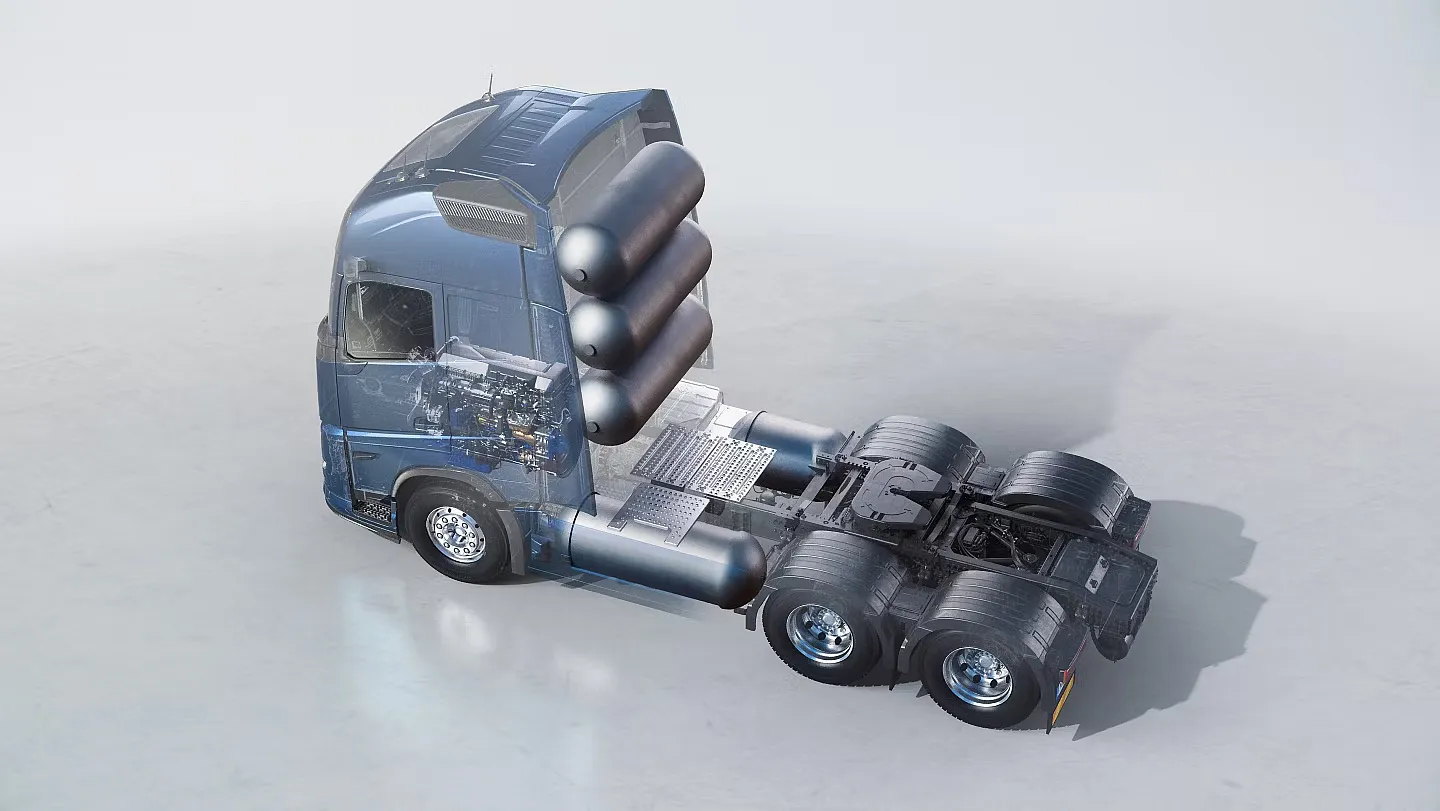
One of the earliest ideas for using hydrogen in heavy transportation was burning it in a modified traditional engine (c) Volvo Trucks
Meanwhile, Sinopec notes that “batteries meant to replace gasoline” are suddenly gaining prominence in heavy transportation. Ultra-fast chargers and battery swap stations enable electric trucks to handle heavy loads (dump trucks, concrete mixers) as well as longer routes. As a result, the oil industry is losing significance, because instead of hydrogen produced mainly from natural gas, vehicles can rely on electricity that can be generated in almost any way—even for free through investments in solar panels.
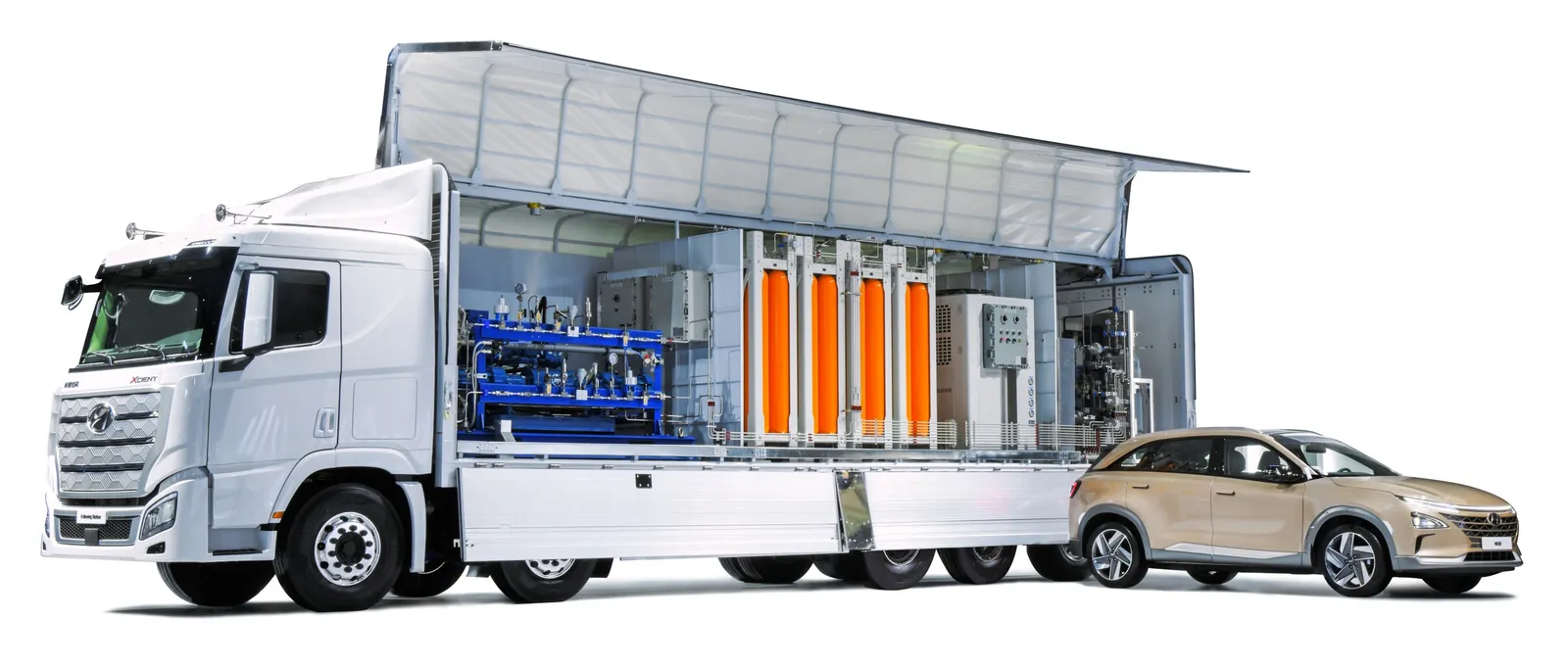
Hydrogen fueling station on a hydrogen truck
The Chinese petrochemical giant believes hydrogen has already passed the most crucial test: commercialization. The efficiency and durability of fuel cells are improving, while production costs for hydrogen are falling. However, battery-electric drives are developing faster than expected. The expansion is proceeding at such a rapid pace that the Chinese government recently introduced a new plan: by 2030, as much as 40 percent of new heavy vehicles (DMC over 12 tons) must belong to the NEV category, meaning they should be electric vehicles, plug-in hybrids, or hydrogen-powered cars. Everyone knows that this primarily refers to electric vehicles.
In just four years, NEVs are set to account for 18 percent of heavy road transport and make up 20 percent of the vehicle fleet. To ensure success, China plans to designate 30,000 kilometers of “zero-emission” roads equipped with charging stations and battery swap facilities.
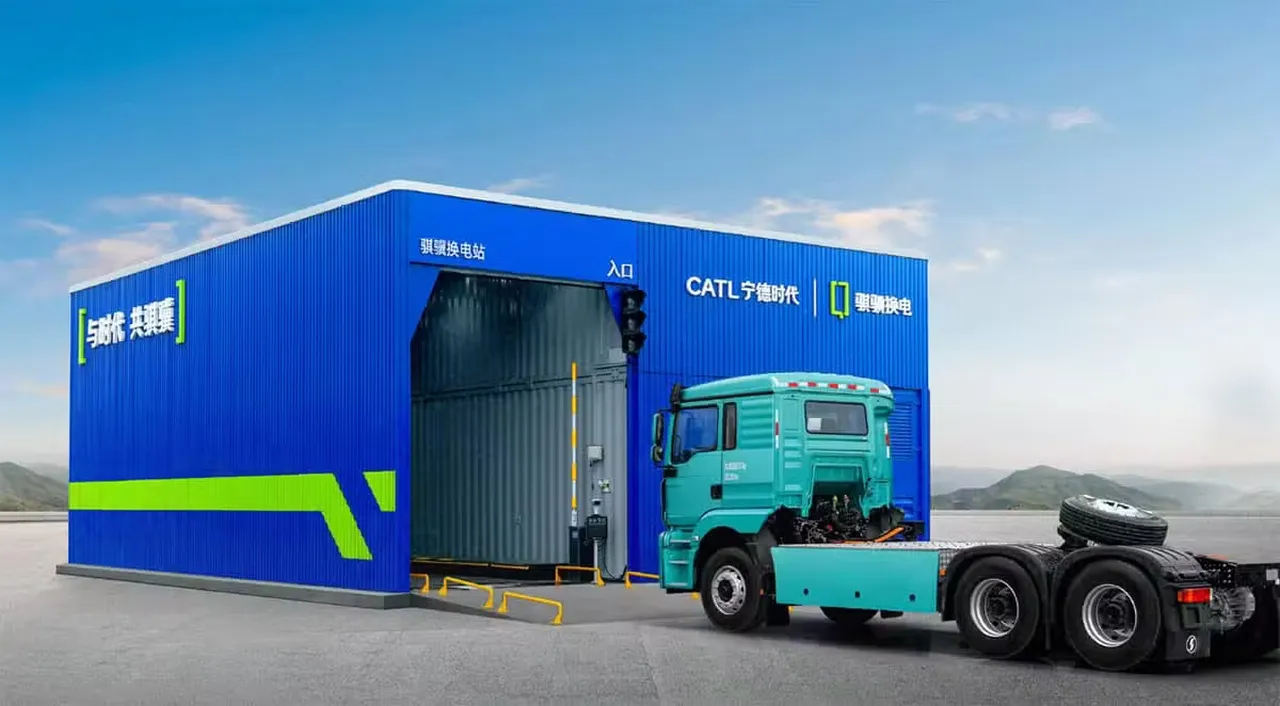
Battery swap station for trucks developed by CATL
Article rating
Reader ratings
[Total: 3 votes Average: 5]
Don’t miss new content — CLICK and FOLLOW Elektrowoz.pl on Google News. You might also be interested in the following ads: