
The world is moving at 350 km/h. China already has 46,000 km of high-speed tracks, while Poland is planning a “Y” line at the same speed.
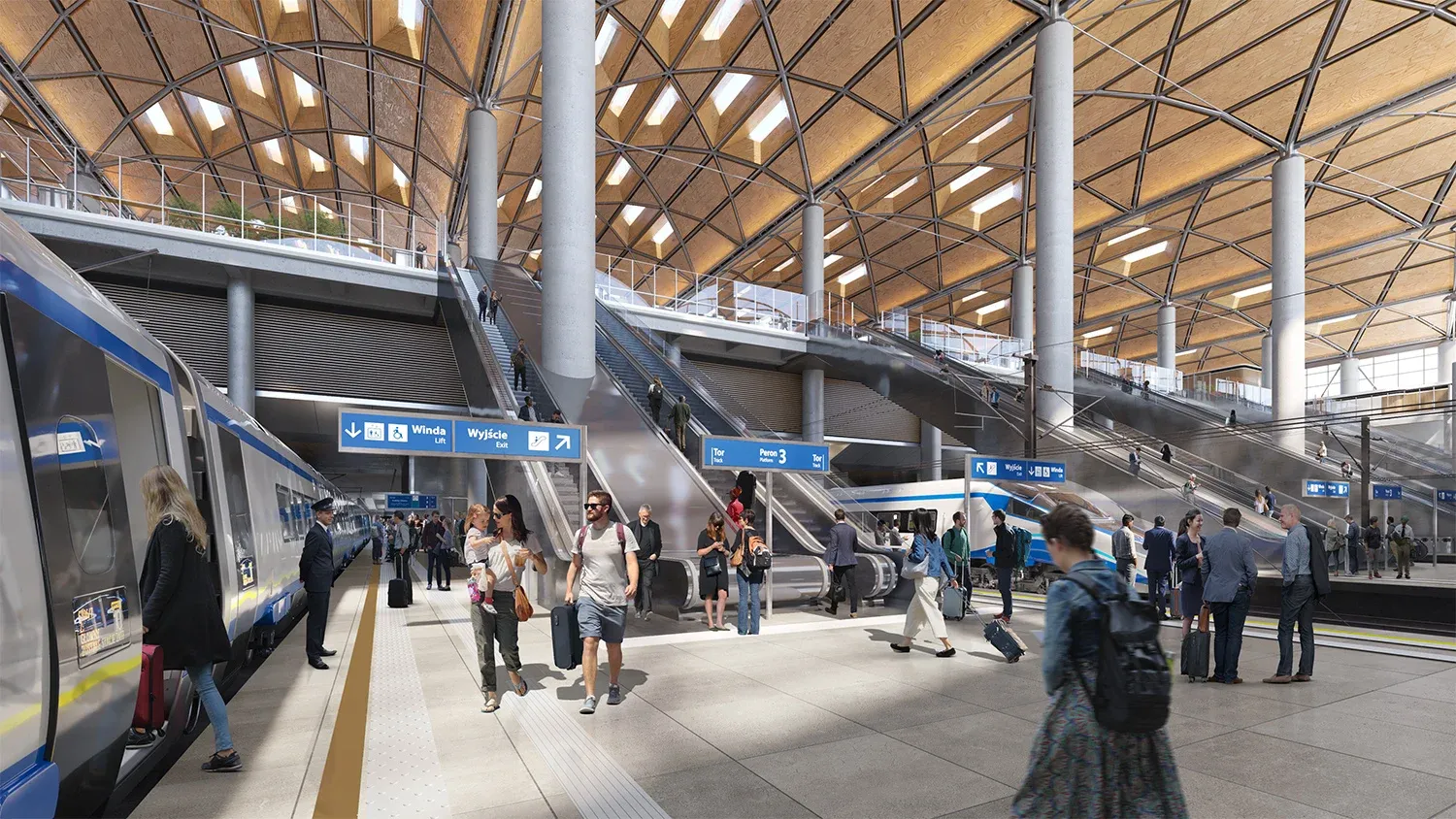
Not long ago, high-speed rail was associated with two symbols—the Japanese Shinkansen and the French TGV. Today, the focus has shifted to Asia, and 300 km/h no longer impresses. There are already about 65,000 kilometers of high-speed rail lines in operation worldwide, with thousands more under construction. High-speed rail is no longer just a technological showcase for the richest countries; it has become a tool in economic competition—shortening distances between metropolises, changing the geography of labor markets, driving industry, and determining the investment appeal of entire regions. Poland is just starting this race but with some of the highest ambitions in Europe. Experts will discuss what future high-speed rail should look like and what role it can play in the country’s development at this year’s New Mobility Congress 2026.
In short:
How many kilometers of high-speed rail are in operation around the world today, and why do China have an advantage over the rest of the globe?
What speeds do trains achieve in regular service, and what speeds are recorded during tests?
What speed is Poland’s “Y” line designed for, and when will its first section open?
Why is high-speed rail considered an investment in the economy?
Experts will discuss the future of our railways at this year’s New Mobility 2026 Congress.
The World on Tracks – a new geography of speed
According to the high-speed rail atlas prepared by the International Union of Railways (UIC), there are currently about 65,000 kilometers of such lines in operation worldwide, with another 16,000 kilometers under construction. This is no longer a technological curiosity but a well-developed transportation system. Its development is accelerating significantly in Asia, where around 10,000 kilometers of new tracks are under construction—more than three times the amount in Europe, where ongoing projects cover less than 3,000 kilometers. The Middle East is also advancing its own projects, aiming to connect the region’s major cities with high-speed rail.
Europe remains an important hub for railway technology and a exporter of rolling stock, but the competition to expand infrastructure has shifted eastward. This change is qualitative rather than merely quantitative – the major players are no longer building individual high-speed connections between metropolises, but entire networks in which high-speed rail becomes the backbone of national transportation.
China – a network larger than the rest of the world combined
The scale of Asian dominance is best illustrated by numbers. By the end of 2024, China’s high-speed rail network covered approximately 46,000–48,000 km – accounting for over 70 percent of the world’s total such infrastructure. For comparison, the second-largest country
Spain has a network of about 4,000 km, Japan has 3,100 km, France has 2,800 km, and Germany has just under 2,000 km. In other words, China has built more high-speed tracks than the rest of the world combined.
And it shows no signs of slowing down. Beijing has announced plans to expand the network to 70,000 kilometers by 2035, and at the end of 2024 it unveiled prototypes of the next-generation CR450 train, designed for an operational speed of 400 km/h. China is also funding railway construction in other Asian countries under the Belt and Road initiative, exporting not only technology but also influence.
350 km/h in regular service, 574 km/h on record
The highest operational speed in regular passenger service is currently achieved by trains in China—350 km/h. In France, Japan, and Morocco, the standard is 320 km/h, while in Germany, Spain, Italy, and the United Kingdom, trains reach speeds of 300 km/h. This illustrates how much the bar has risen. A decade ago, 300 km/h was considered beyond comfort and feasibility, but today it is the standard in many countries.
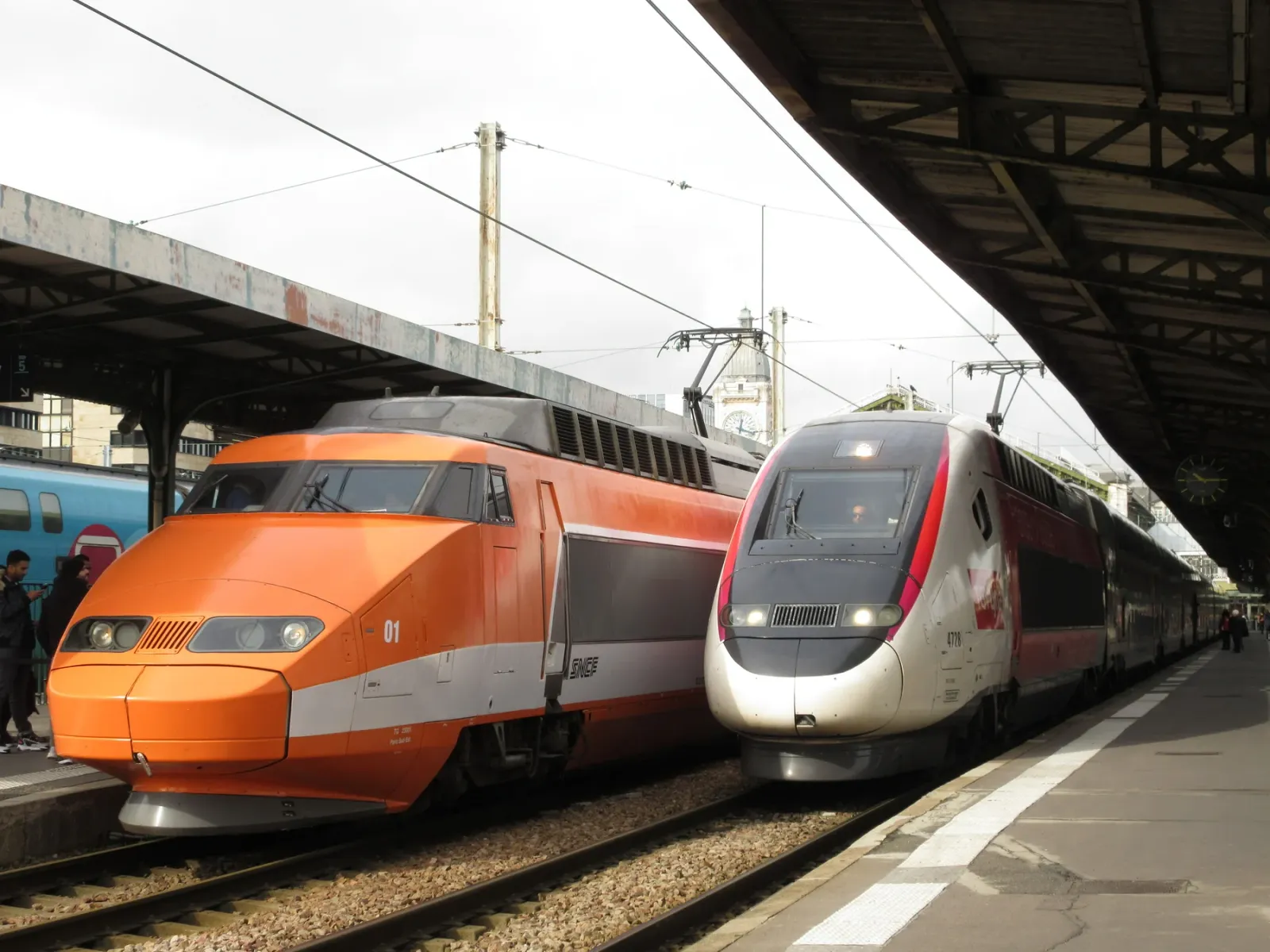
The world record still belongs to France’s TGV, which reached 574.8 km/h during tests in 2007. The fastest commercially operating train remains Shanghai’s Maglev, which uses magnetic levitation technology and can reach speeds of 431 km/h. The boundary between railways and regional aviation is becoming increasingly blurred – on routes of about 800 km, high-speed trains can effectively compete with airplanes by offering door-to-door travel without check-in procedures or trips to remote airports.
Poland’s ambitious entry into the 350 km/h league
Poland is still building its high-speed rail network, but it has some of the biggest ambitions in Europe. The upcoming “Y” line—Warsaw–CPK–Łódź–Poznań/Wrocław, approximately 480 km long—is designed for trains capable of reaching 350 km/h, the same speed as China’s current highest operational speed on its high-speed lines.
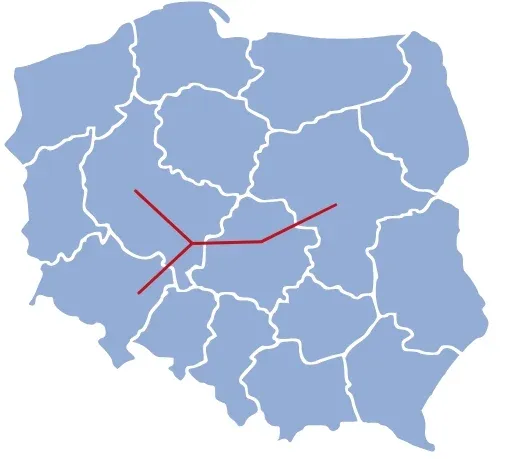
The first section, between Warsaw, the new airport, and Łódź, is scheduled to open in 2032, with the entire route to Poznań and Wrocław completing by 2035. According to CPK’s models, the journey from the capital to Poznań or Wrocław will then be reduced to less than 1 hour and 40 minutes.
But this is just the beginning of a larger plan. The Integrated Railway Network calls for the construction of about 4,700 km of new lines, of which nearly 2,700 km are to be built to high-speed rail standards. In addition to line “Y,” it includes projects such as Rail Baltica, the Katowice–Ostrava connection, and an extension of the Central Railway Main Line northward into the country. The stated goal is to connect the most important urban areas within about 100 minutes and to create a viable alternative to road and air transport.
Why is high-speed rail an investment?
High-speed railways are no longer measured solely in kilometers and minutes. Reducing travel time between cities transforms the geography of the labor market, expands commuting areas, increases land values around stations, and attracts investment. It also boosts the domestic industry—from construction and rolling stock production to advanced traffic control systems. In this sense, every kilometer of a new line represents both an expense and an investment in the economy’s competitiveness.
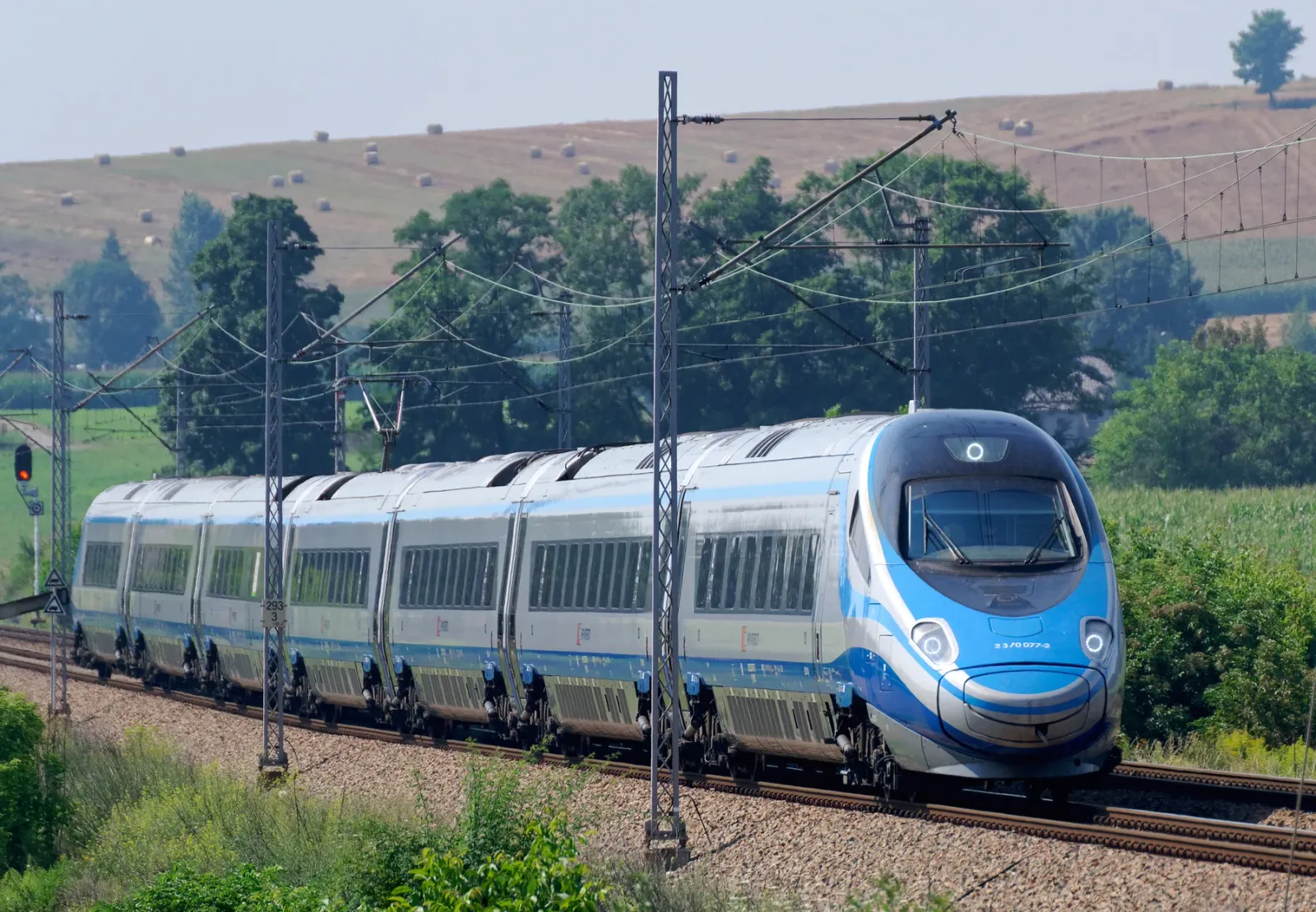
Experts will discuss what the future of railways should look like and what role they can play in a country’s development during the New Mobility 2026 Congress, held from September 23–25 in Katowice. As part of the New Mobility & Transport track, there are plans for a panel titled “When Will High Speed Really Change Railways?” as well as discussions on the future of the Central Transport Port, integrating railways with regional transport, and the importance of fast connections for Poland’s and Europe’s mobility systems.
The question is no longer whether Poland needs high-speed railways. The real issue is whether we can build them fast and wisely enough so as not to watch from the sidelines as the rest of the world moves ahead.