
Suzuki reveals its strategy for the next ten years: what role for electric cars?
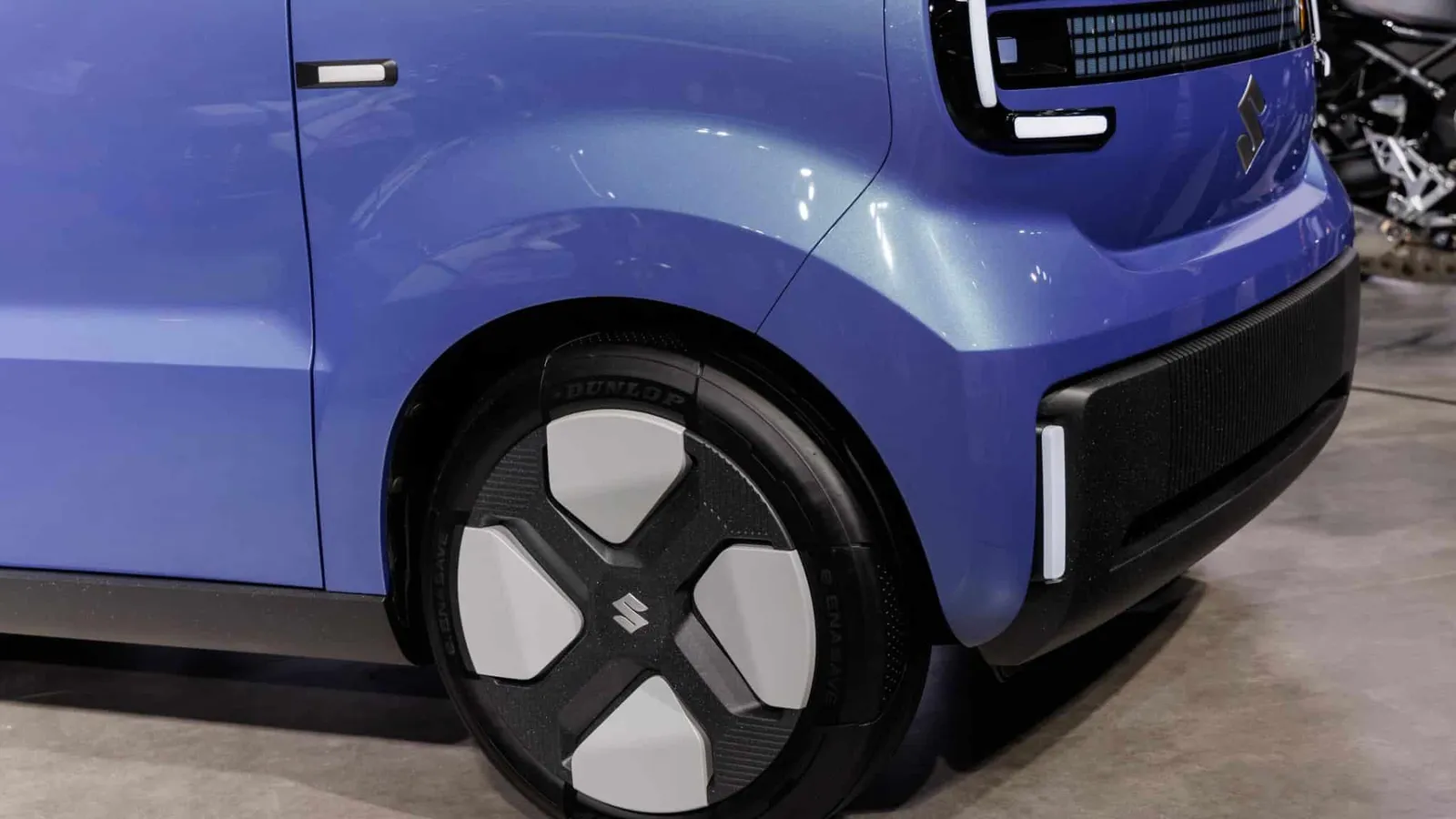
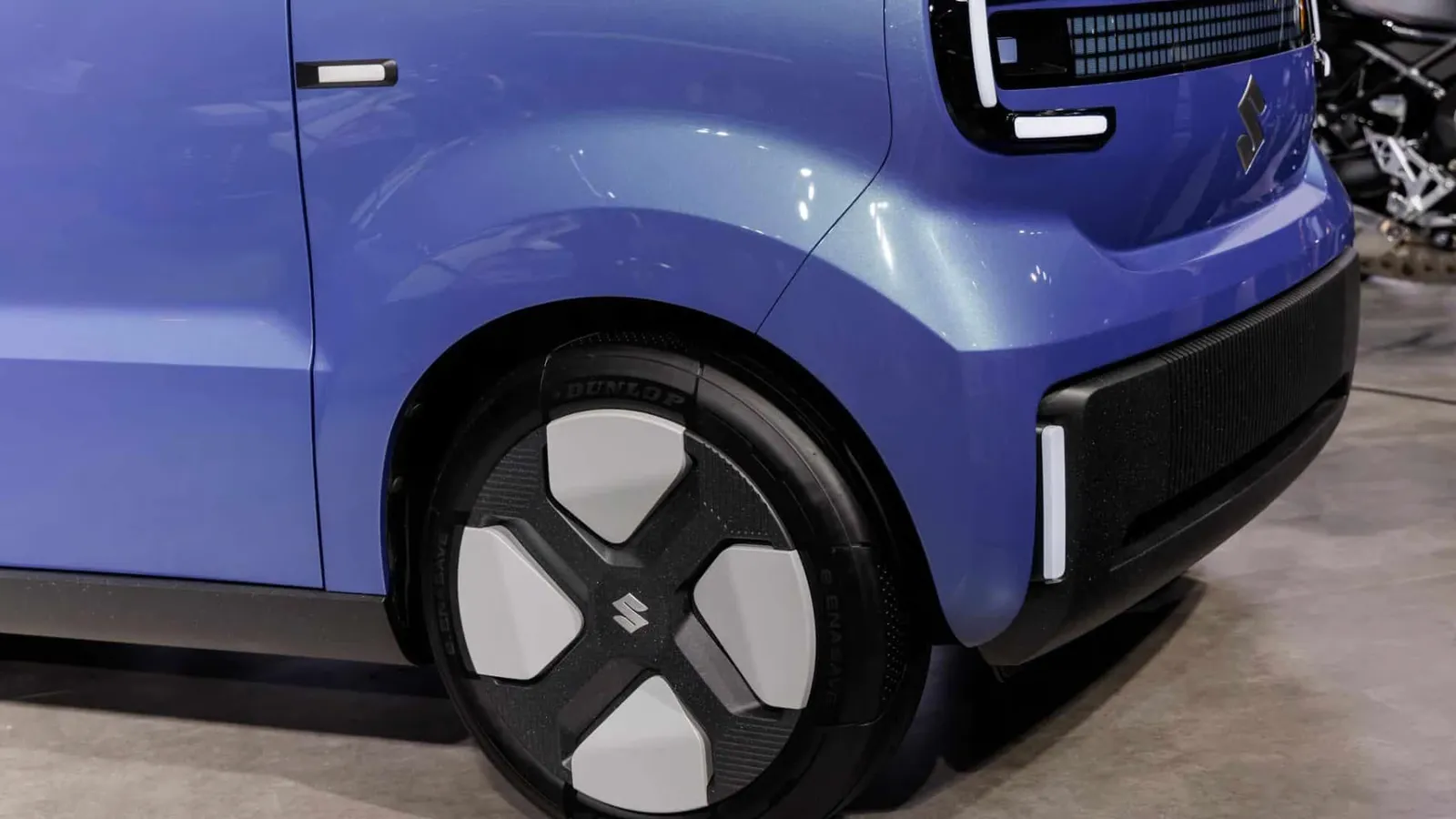
Suzuki unveiled its technological strategy for the next ten years on September 25, 2026. The Japanese manufacturer aims to cut the time required to develop its new vehicles in half by 2030. Regarding powertrains, it plans to tailor its choices to different markets, including fully electric options alongside new hybrid and internal combustion engine solutions.
After launching the Suzuki e Vitara, the Japanese manufacturer could have used its new roadmap to announce its upcoming electric models.
Developing cars twice as fast
In reality, he mainly detailed how he plans to design and produce his vehicles over the next decade. At Suzuki, the most pressing challenge relates to timelines. By 2030, the Japanese company promises to cut the development time for its new vehicles in half. It also aims to improve development efficiency by 30% and manufacturing efficiency by 50%.
The brand intends to work more closely together the teams responsible for design and production, as well as share more components across its models. These goals could enable Suzuki to adapt its cars more quickly to different markets. However, we have neither a launch schedule nor any guarantee that future models will cost less at dealerships. It will need to be verified!
The all-electric vehicle is part of the plan, but…
When it comes to powertrains, Suzuki maintains an approach tailored to each country. Its list of technologies to develop includes electric vehicles, as well as simple hybrids, a new hybrid system called “Super Ene Charge,” and direct-injection turbo engines. The manufacturer is also working on lighter vehicle designs to reduce energy consumption regardless of the powertrain used.
Also read
e-Sky: Meet Suzuki’s small electric car set to compete with the Twingo starting in 2027
Suzuki cites the e SKY, a small electric car designed for Japan, as an example of its work on range. Initially sold in Japan, this Kei car will also arrive in Europe by 2027. It is set to compete directly with our electric Twingo. We can’t wait to see what it brings!
Finally, India holds a central role in this strategy. Suzuki aims to achieve an annual production capacity of around four million vehicles there starting from 2030. The company is also developing biogas to power compressed natural gas vehicles. This approach clearly reflects the company’s priority of choosing technologies based on local infrastructure and usage patterns, rather than imposing the same powertrain everywhere.