
Sunwoda introduces a solid-state battery that can withstand 200 degrees and aims for a 1,000 km range.
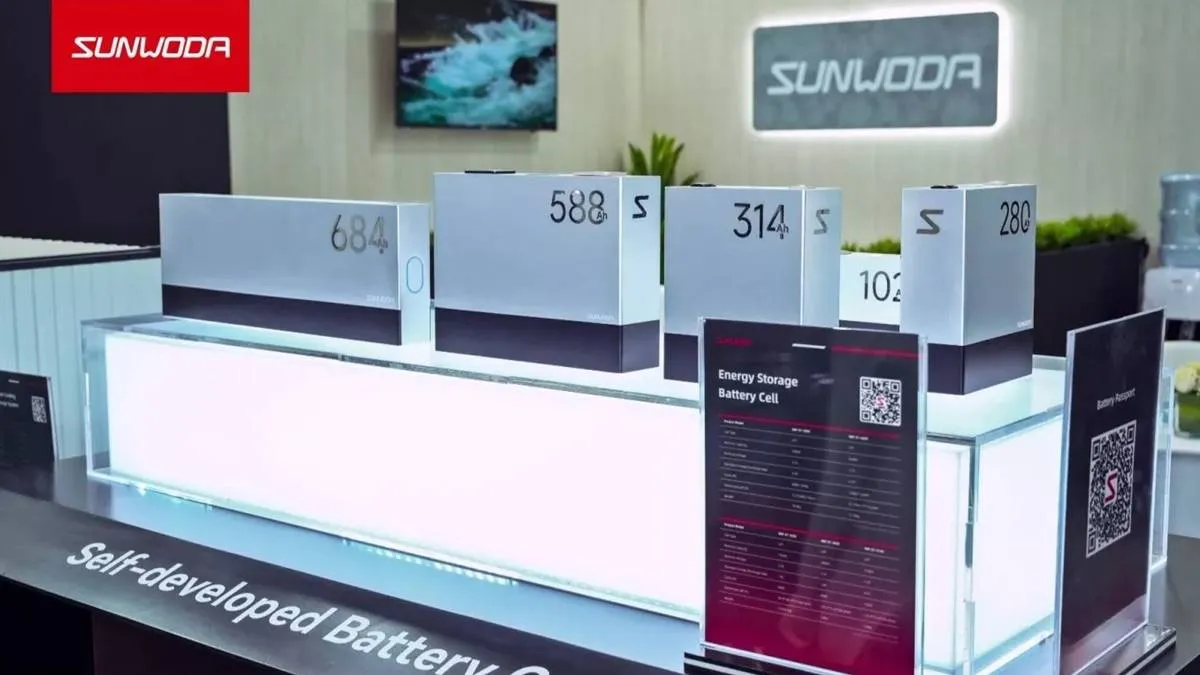
The race for solid-state batteries is not just about achieving greater range. It also requires ensuring they last long, can withstand extreme conditions, and can be produced in sufficient quantities. Sunwoda is working on a solution that aims to combine these features: a battery with a polymer-based electrolyte named Xin Bixiao.
Its 20 Ah cell has passed a thermal test at 200 °C without catching fire, according to results released by the Chinese manufacturer. This is one of the most notable aspects of this development, originally presented in 2025 and now gaining renewed attention due to progress in its evaluation process. However, passing this test does not mean the battery is designed to operate routinely at that temperature.
A solid-state battery with 400 Wh/kg and over 1,200 cycles
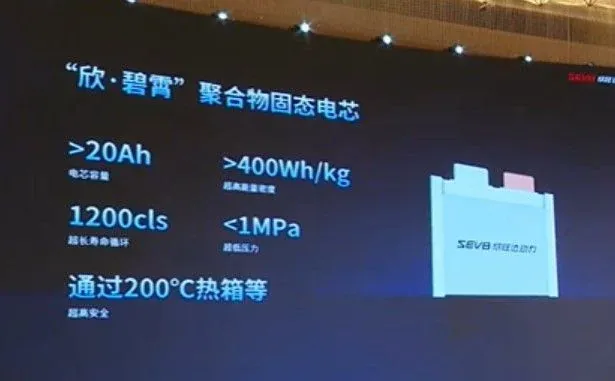
Sunwoda’s technology combines a polymer-based electrolyte with a nanostructured silicon anode. Its goal is to store more energy with less weight without compromising durability. The company estimates the energy density of this solution to be around 400 Wh/kg, a figure referring to the cell itself, not the entire system that would be installed under a car’s floor.
The difference is significant. A finished battery also requires a casing, connections, cooling systems, and other components that add weight. Therefore, those 400 Wh/kg cannot be directly applied to the entire system, though they do open the door to increasing available capacity or reducing the weight needed to achieve a certain range.
To put this in perspective, if we use a 250 Wh/kg cell as a reference, moving to 400 Wh/kg represents a 60% increase in energy stored per kilogram of cells. This is a theoretical comparison that helps illustrate the potential of this technology, but it doesn’t mean that any car will automatically gain 60% more range.
Another key advantage is its durability. Sunwoda claims more than 1,200 cycles with a capacity retention of over 80%, even at an external pressure of less than 1 MPa. This pressure helps maintain contact between the internal materials and is one of the factors that need to be addressed when integrating these cells into automotive batteries.
The company links these results to a service life of over ten years with an annual mileage of around 20,000 kilometers. However, the number of cycles alone cannot determine how long a battery will last—time, temperature, and charging conditions also play a role. For now, these are test results, not a commercial warranty.
1,000 kilometers of range remains a goal
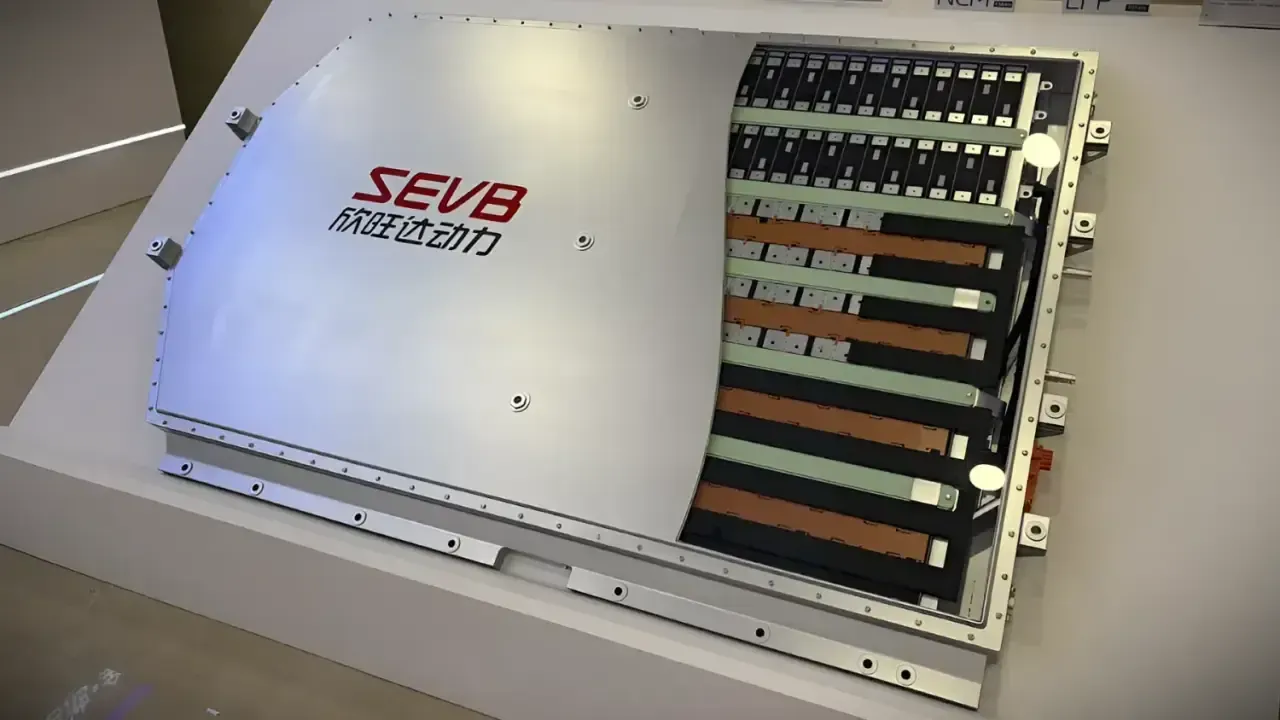
Sunwoda claims this technology could enable electric cars with ranges exceeding 1,000 km. This figure represents the potential the manufacturer aims for, but it still doesn’t reflect testing on a production model equipped with these cells. To achieve that goal, the final battery capacity and the car’s energy consumption need to be determined.
The same is true for safety. Thermal testing provides information on a cell’s behavior under extreme conditions, while a complete battery must demonstrate how the entire system performs. The results released do not come from a battery integrated in a car, and evaluations are still ongoing.
In the industrial sector, the program includes a pilot line with an annual capacity of 0.2 GWh. To put this scale into perspective, it would theoretically be equivalent to around 2,667 batteries of 75 kWh per year, assuming all production were allocated to this format with no losses. This is a useful scale for developing processes and preparing initial applications, but it is too small to supply a high-volume car manufacturer.
The company is also working on other chemistries, including a second generation based on sulfides, as well as cells for aviation applications targeting at least 450 Wh/kg. These are separate development lines, so their performance characteristics and timelines should not be conflated with those of this polymer battery.
For now, there is no firm date set for finding this technology in a car we can purchase. The data from Sunwoda looks promising, especially due to the combination of energy density, lifespan, and thermal resistance. The next step will be to determine how much of that potential translates to actual car applications and at what price.