
Subaru to go its own way with EVs from 2028 onwards
News
As Subaru pivots to in-house developed software-defined EVs, its long-term association with Toyota will come to an end.
GE
George East
20 October 2026 · 3 min read
Subaru has confirmed that it will begin building its own in-house-developed EVs from 2028, ending its long-term association with Toyota.
The Japanese firms began working together on the Toyota bZ4X/Subaru Solterra C-segment SUV, which debuted in 2021. Both cars share the same Toyota e-TNGA/e-Subaru Global Platform.
However, the Subaru is all-wheel-drive (AWD) only, while the Toyota is available with both an AWD and front-wheel-drive (FWD) drivetrain. Other differences between the two models include the Subaru’s higher ground clearance, and the Toyota’s sharp ‘hammerhead’ front end.
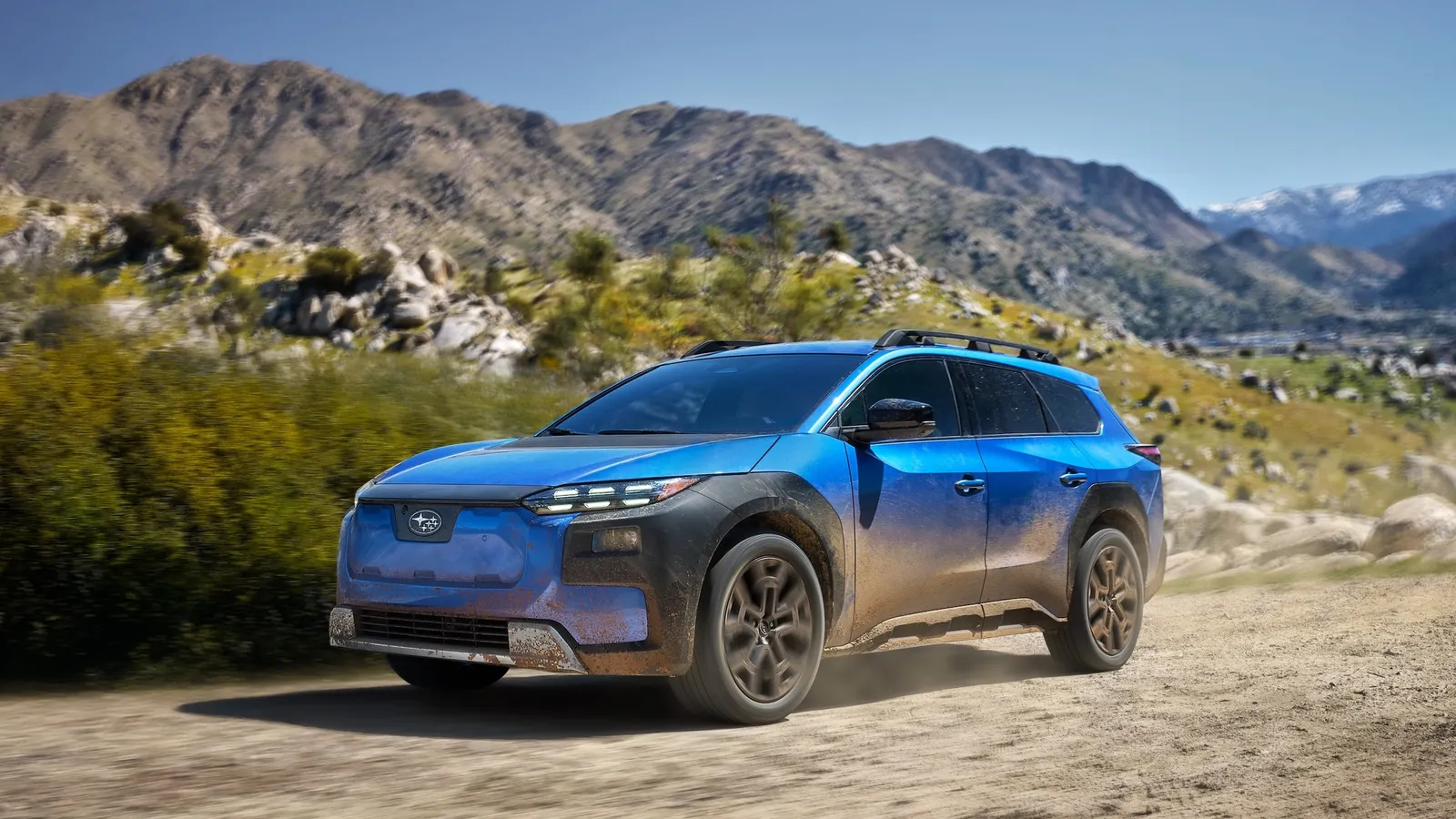
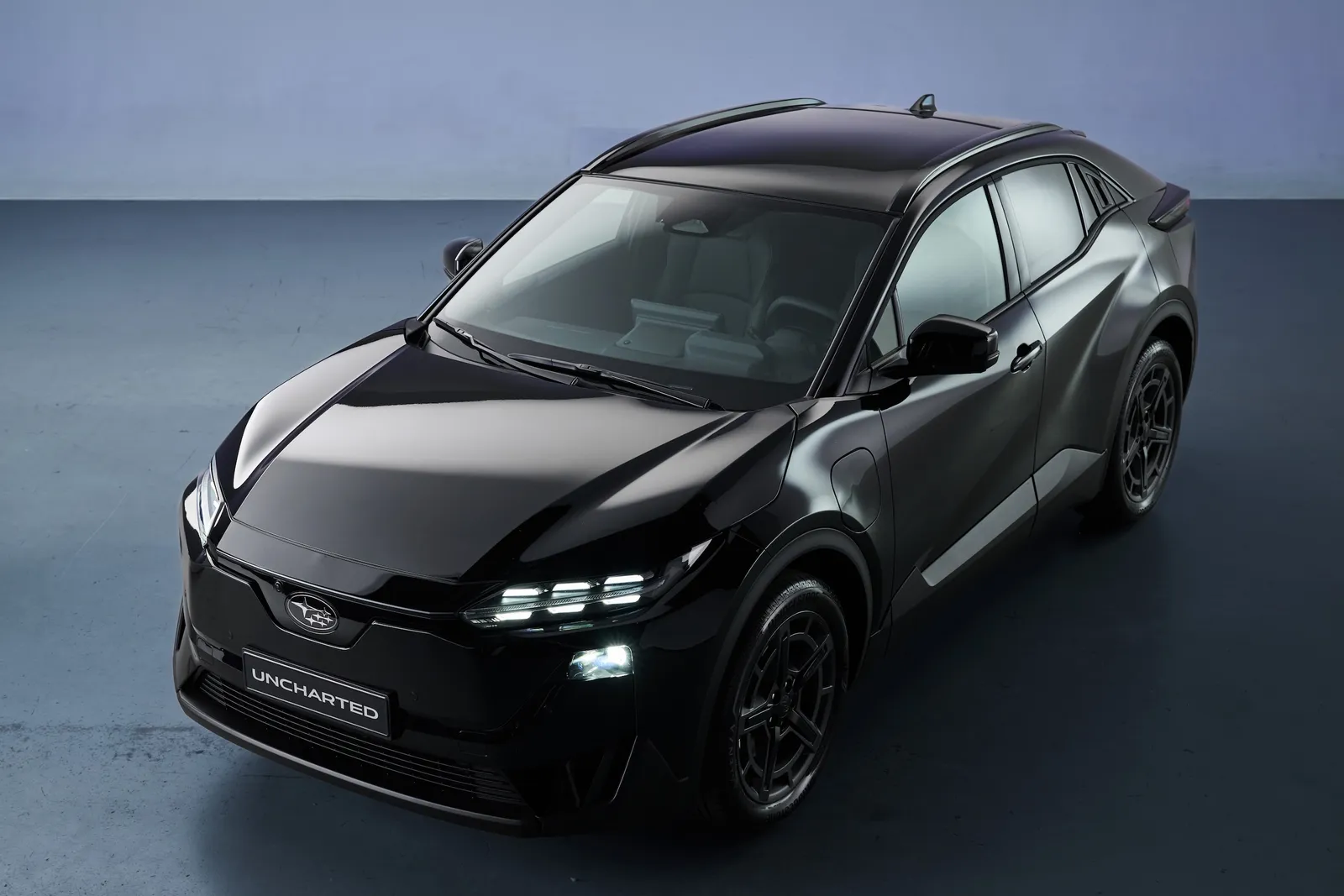
The Toyota/Subaru tie-up has also led to the all-electric bZ4X Touring/Subaru e-Outback estate, along with the Toyota C-HR+/Subaru Uncharted crossover. Again, the Subarus are exclusively AWD.
However, Subaru recently said it will build its own software-defined EVs from 2028 onwards. These software-defined vehicles (SDVs) will support over-the-air (OTA) updates and come fitted with Subaru’s own electronic control units (ECUs), along with its EyeSight driver-assistance system. The cars’ control semiconductors will be a joint effort between Subaru and US-based firm Advanced Micro Devices.
Subaru’s pivot to SDVs and its break from Toyota came after it developed a next-gen test electric vehicle in just over one year instead of its usual two. It was achieved by adopting a digitally focused development strategy, albeit a then-experimental one. The Japanese firm cut the test mule’s development time by 40% by developing prototyping, design, testing, and a mass-scale manufacturing programme in parallel. This sequential approach saved time and allowed Subaru to focus more on the car’s performance and quality.
Heading into its new SDV era, Subaru will reorganise its development structure in a way that allows all departments involved in a car’s development process to share and access the same information. Volvo adopts a similar working method, and it allows the Swedish carmaker to address any potential vehicle issues on the spot.
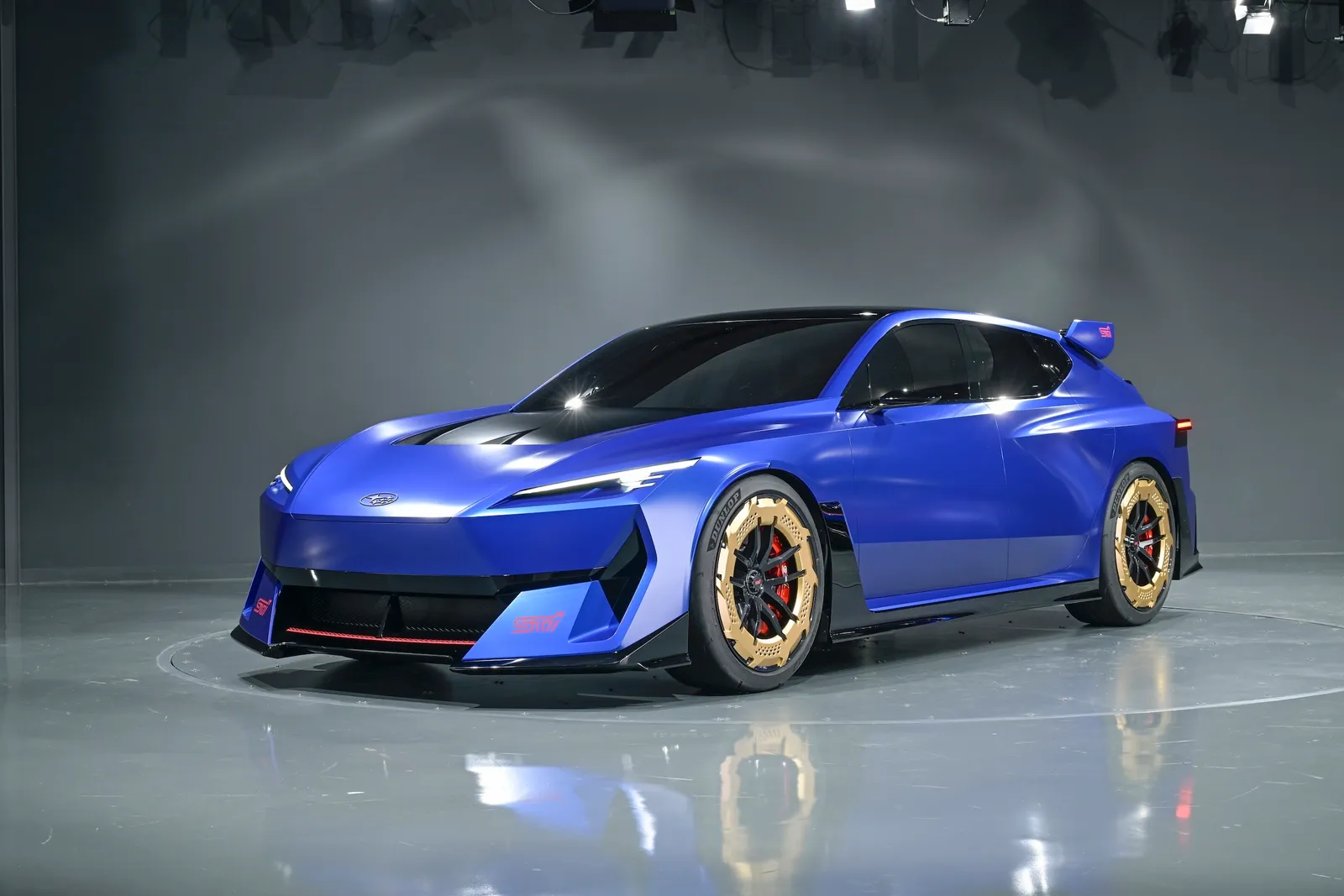
Across its next-generation of vehicles, Subaru will increase the number of shared components across its range to improve development and production efficiency. Its objective is a 50% parts commonality and a 50% reduction in the total number of processes across its supply chain. When Subaru’s first SDV arrives, it could well be the performance-focused E-STI hyperhatch.