
Subaru will stop selling gasoline cars in Europe: its lineup will be 100% electric starting in 2028
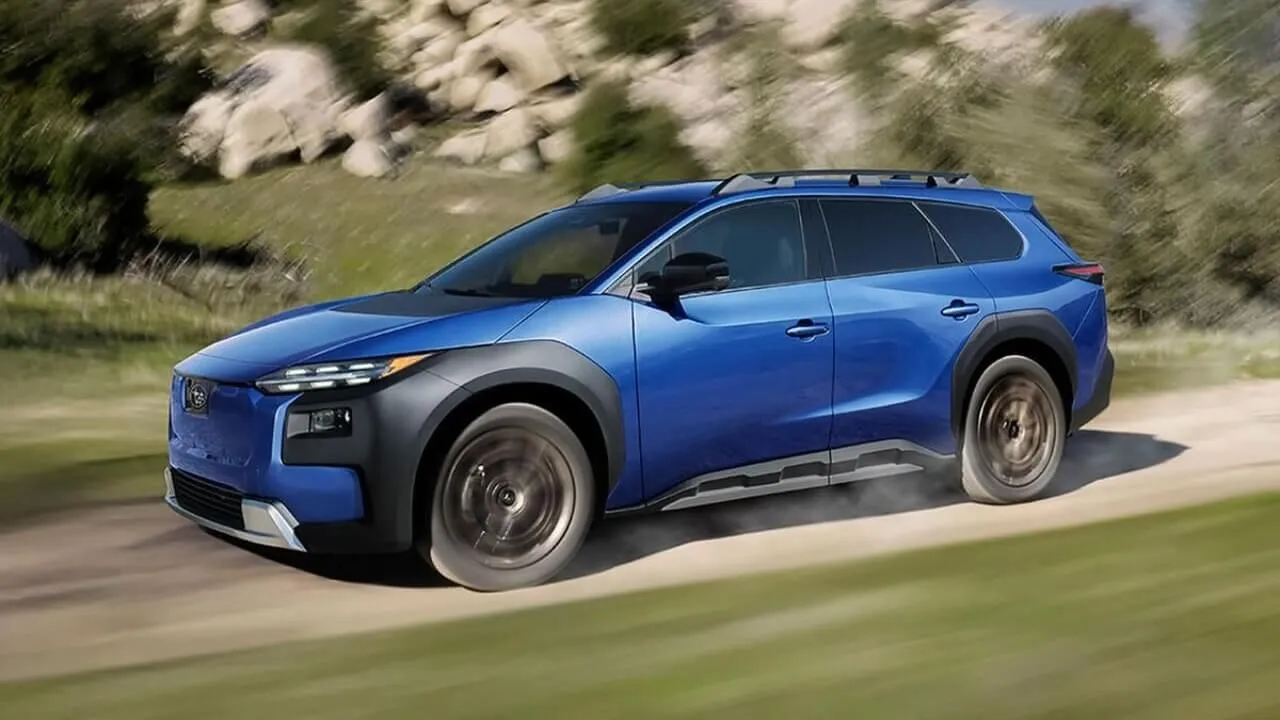
Subaru is preparing for a major shift in Europe. The Japanese brand, closely associated with boxer engines and all-wheel drive, will gradually phase out its internal combustion engine models to focus on electric vehicles. This decision affects some of its most well-known models and will force the manufacturer to shift its identity to a lineup developed so far in collaboration with Toyota.
According to Subaru Germany, as confirmed to Auto Motor und Sport, the sale of its internal combustion engine models in Europe will end by the end of 2027 at the latest. The company attributes this decision to EU requirements regarding emissions and driver assistance systems. Therefore, the timeline reflects Subaru’s efforts to adapt its offerings to these regulations, rather than a general ban on selling gasoline cars starting from that date.
The withdrawal will begin with the gasoline-powered Outback, which will stop being offered by the end of 2026. Next will be the Impreza, Crosstrek, and Forester, whose sales will end during the following year. These models still offer a 2.0-liter boxer engine with electric assistance in their European lineup, but this combination will also not continue under the announced plan.
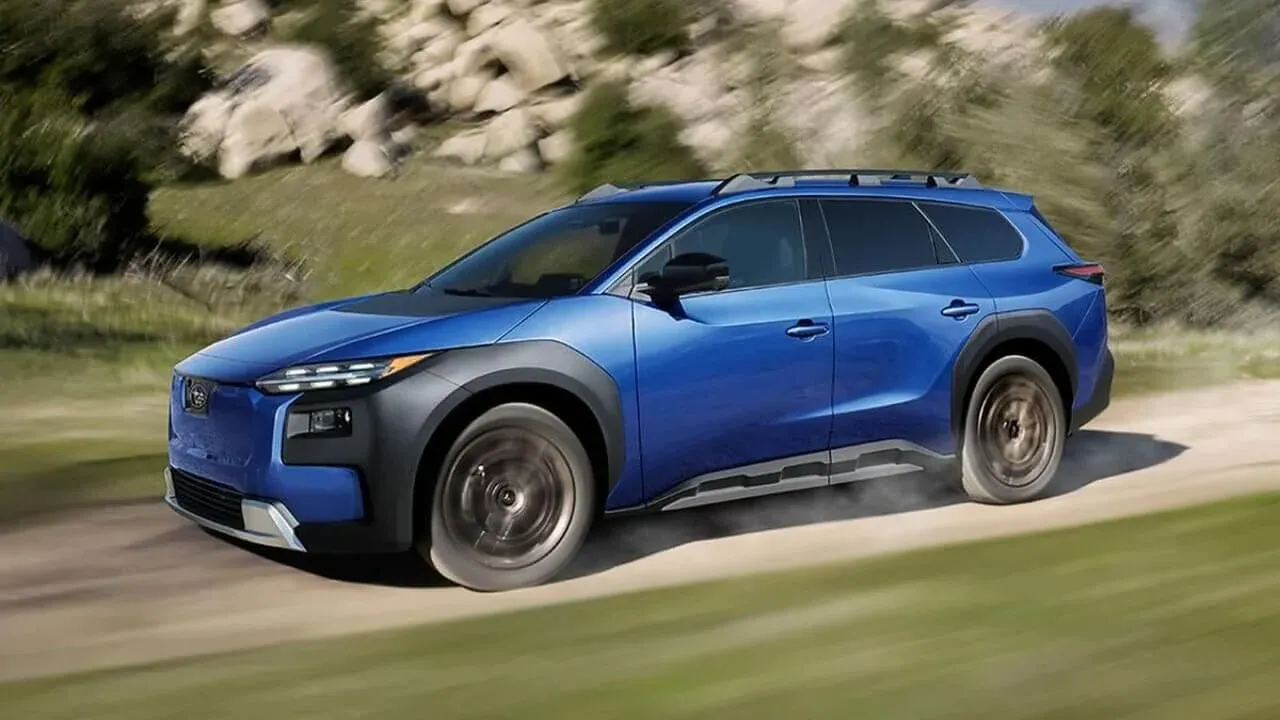
Starting in 2028, the European range will consist of the Solterra, E-Outback, and Uncharted. All three are electric vehicles developed in partnership with Toyota, and they correspond respectively to the bZ4X, bZ4X Touring, and C-HR+. This alliance allows Subaru to have several electric options without having to undertake the full development of each model on its own.
The change carries significant symbolic weight. For decades, Subaru has used its boxer engine layout as one of its key differentiators. Now it will need to convince European customers with other arguments, such as performance, safety, or the capabilities of its traction systems, in a market where technology sharing among manufacturers is becoming increasingly common.
A European strategy that doesn’t mean abandoning internal combustion engines worldwide
The decision is limited to Europe and does not mean Subaru will withdraw its gasoline engines from all markets. In the United States, for example, the Crosstrek and Forester come with hybrid versions equipped with a 2.5-liter boxer engine. The brand thus adopts different solutions depending on the market, rather than applying a single electrification timeline to all its products.
Subaru also does not completely rule out introducing conventional hybrids in Europe in the future. However, there is no official plan announced for this, so that possibility does not change the current lineup. It is important to distinguish between keeping an option open and having a model approved for release: for now, the confirmed path leads to electric options.
Meanwhile, the manufacturer is working on its own technology for future generations of electric cars. The company has shown journalists a specific platform under development, along with new battery components, electric motors, and an integrated control unit that will enable remote updates. The goal is to have a technology base with more in-house development than what is used in its current offerings.
To demonstrate these advancements, Subaru has used a test prototype with an Outback body and all-wheel drive delivering 380 kW (517 HP). This is a development vehicle, so this figure should not be interpreted as the power of a future confirmed production model. Its purpose is to showcase and test the technology the brand is preparing.
Subaru officials estimate that some of these solutions will arrive around 2029, though they have not yet set a specific launch date for any particular model. This outlines two distinct phases: first, the European transition relying on vehicles developed with Toyota; then, the introduction of proprietary technology to better differentiate their products.
For Subaru, the challenge will be retaining customers who valued its cars for their mechanical uniqueness while also attracting buyers who had never considered the brand before. Having an electric lineup will allow it to continue competing in Europe, but success will depend on its models offering clear reasons to choose them over its many rivals, including those that share much of the same technology.