
Study: Internal combustion engine cars cost society trillions
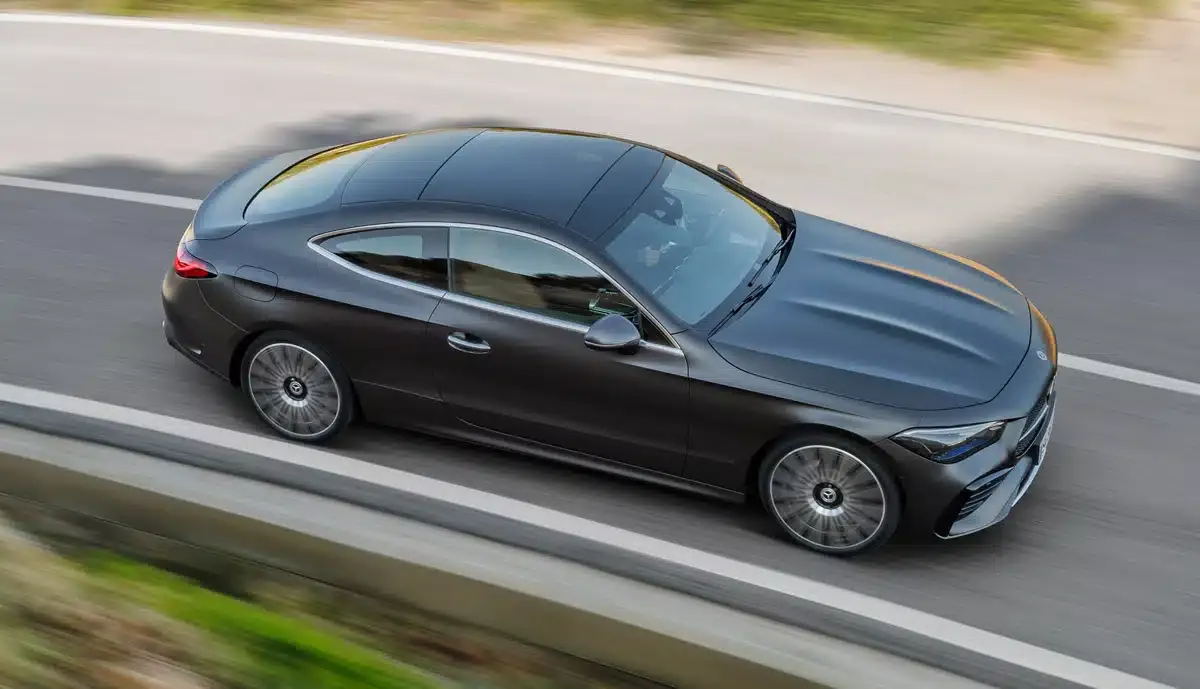
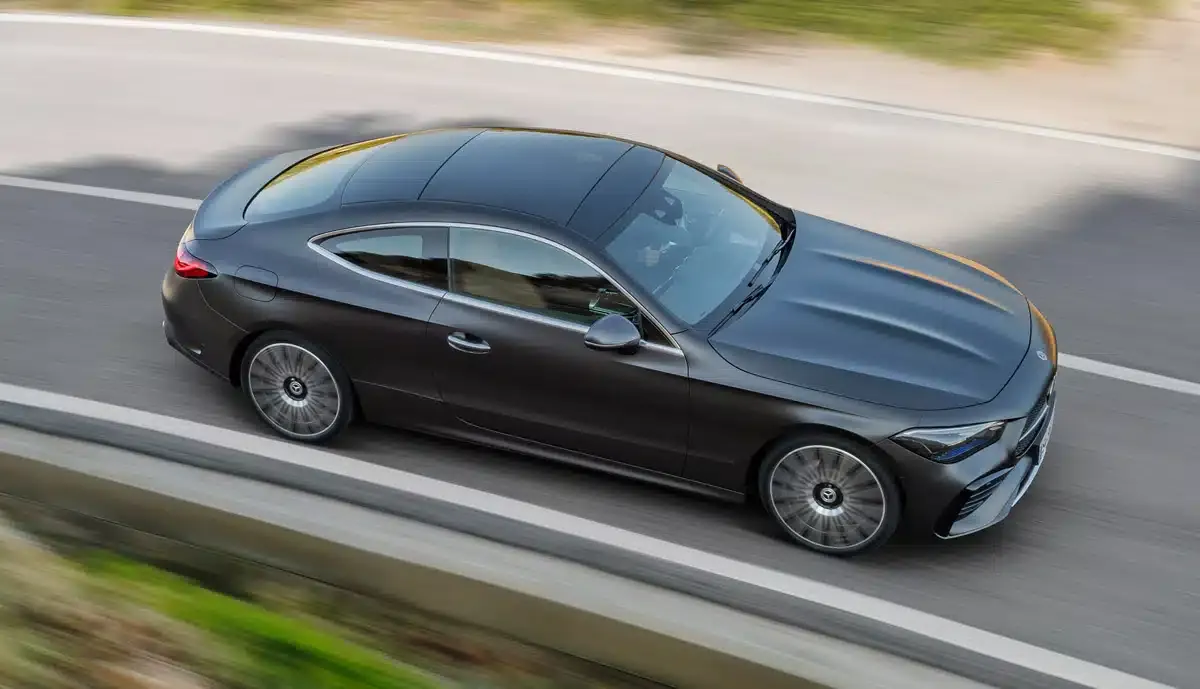
Image: Mercedes (illustrative)
A global analysis shows that private vehicle use powered by internal combustion engines incurs annual costs of around 9.3 trillion US dollars (approximately 8 trillion euros). This amounts to about 8.3 percent of the global economy’s output. The international study indicates that only 2 trillion dollars of this total are directly borne by drivers for vehicles, fuel, and repairs.
The majority of these costs, around seven trillion dollars, are borne by society as a social burden. These external costs include accidents, air pollution, noise, climate damage, land use, and road infrastructure. Accidents account for more than half of these costs, making up the largest share of societal burdens.
"Traffic jams are not taken into account, although they constitute a significant portion of external transportation costs in some cities, according to the study," reports Der Spiegel. The analysis is based on data from 2025. Much of the information comes primarily from Europe and North America and has been extrapolated globally. The study compares the costs of two mobility scenarios but does not provide a cost-benefit analysis.
As an alternative model, the researchers explored a system in which autonomous electric vehicles largely replace private internal combustion engines. In this scenario, vehicles would be ordered via app and paid for per trip or through a subscription. This shift could reduce the number of miles driven by a quarter. Under this theoretical model, social costs would amount to around 2.4 trillion dollars, while private costs would also decrease. Specifically, accident costs could be reduced to about 640 billion dollars according to the study.
The study authors emphasize that the alternative scenario is a theoretical assumption rather than a prediction. To implement it, better connections to public transportation, readily available vehicles, and a reformed parking policy would be necessary. Other factors such as digital infrastructure or impacts on electricity markets were not considered. Additionally, shared mobility could replace routes that are currently covered on foot, by bike, or via public transportation.
Also interesting
About the author
Thomas Langenbucher is an expert in electric mobility with professional experience in the automotive industry and finance sector. Since 2011, he has been covering electric cars, sustainable technologies, and mobility solutions for ecomento.de. Learn more.
Reader interactions