
Study: Europe’s battery circular economy needs new business models
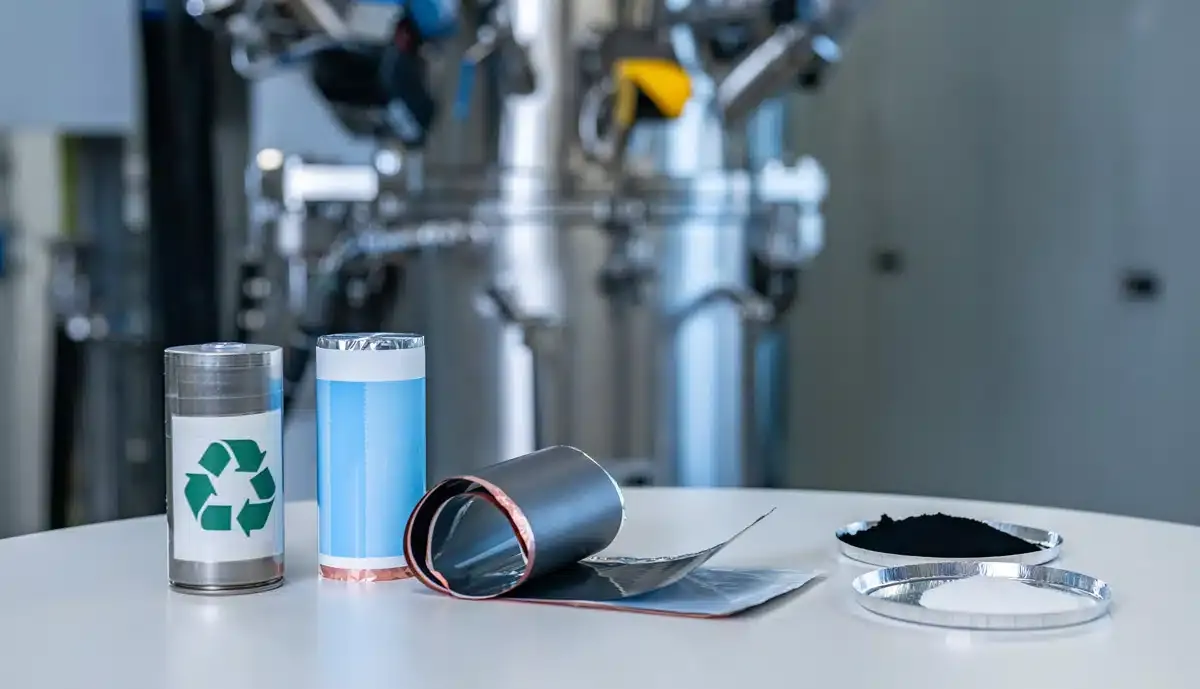
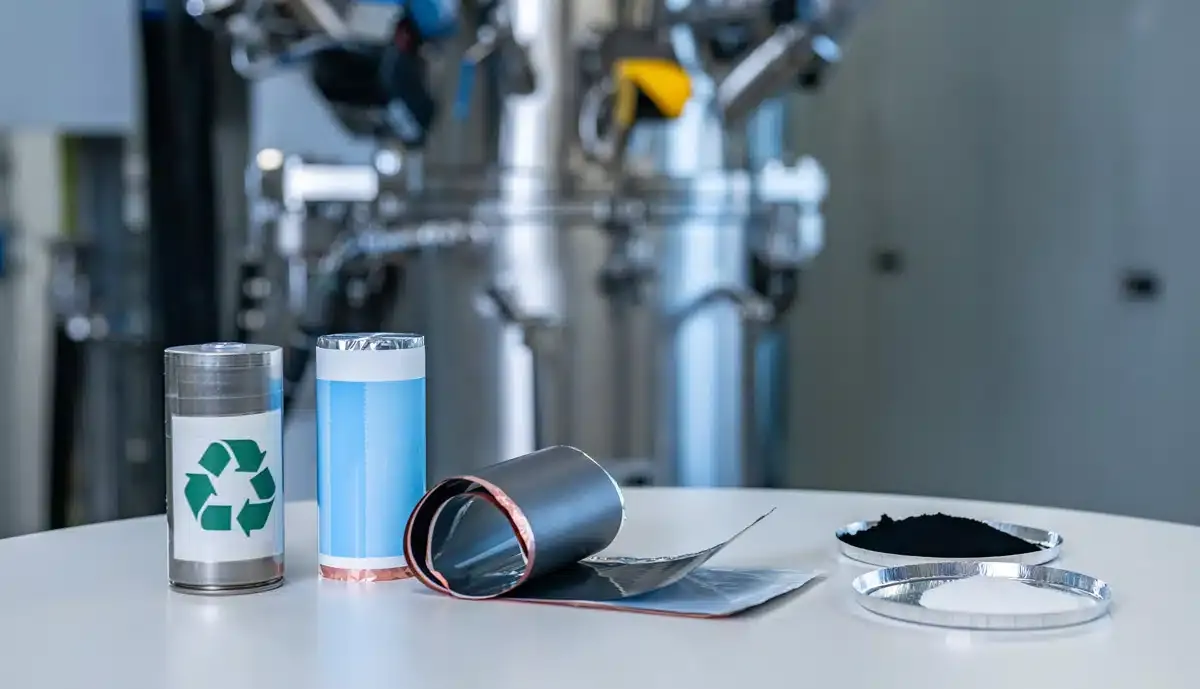
Image: BMW (illustrative)
The technology for recovering raw materials from electric vehicle batteries is mature. Yet Europe’s recycling industry still loses resources in the current process. The main reasons are costly hazardous material transportation, time-consuming disassembly, and unreliable material recovery. This is shown in an interim report by the HHL Leipzig Graduate School of Management within the EU research project Safeloop, in which 15 institutions from eleven countries are working on a new generation of safer and more sustainable lithium-ion batteries for electric vehicles.
The study shows that if a recycling facility sells the raw materials recovered from battery packs at market prices, there is still a loss of around 1.90 euros per kilogram of battery pack after deducting all costs. A key reason is that used lithium-ion batteries are considered hazardous goods, making their transportation on average 16 times more expensive than that of regular freight. Additionally, companies that specialize solely in battery recycling perform significantly worse financially, according to the research, than those with broader business scopes.
These losses have consequences for battery prices: Starting in August 2031, the EU Battery Regulation requires that a minimum percentage of raw materials used in new vehicle, industrial, and starter batteries must come from recycling. The research team modeled this scenario: Assuming a 20 percent recycling rate and translating the losses of recycling companies directly into this mandatory quota, a battery pack would cost about 6 percent more.
A second life creates value – not for those who pay for it
A solution lies in giving batteries a second life. For example, if a battery pack from an electric bus is reused as a stationary power storage system after the vehicle is no longer in use, its overall economic value increases by 64 percent over its lifetime according to the analysis. However, the study shows that it is primarily the vehicle and storage system operators who benefit from this added value—not the manufacturers, who must bear the higher costs of recycling. The report thus exposes a distribution issue that hinders circular economy practices, despite their economic viability.
In addition, Second-Life batteries must meet strict commercial requirements in the energy storage market — such as competitive costs, comprehensive data on battery condition, and long-term warranties. Eight expert interviews for the study (PDF download) show that average costs, safety concerns, and investors’ risk assessments further hinder their adoption.
Solution proposals reduce costs by 34 percent
The report recommends safer battery designs, shorter transportation routes, more automated disassembly, more specialized recycling facilities, and mandatory transportation standards. Together, these measures are intended to reduce recycling costs by about 34 percent. The current loss of 1.90 euros per kilogram of battery packs could turn into a profit of 13 cents per kilogram. However, as long as the benefits of circular economy practices mainly go to vehicle and battery manufacturers, many stakeholders lack the economic incentive to invest in these improvements, according to the study authors.
To address the distribution issue among manufacturers, operators, and recyclers, the research team proposes new coordinating entities: companies that manage battery packs throughout both life cycles, thereby distributing costs and benefits more fairly among all parties involved.
"Such entities would own the batteries and the materials contained within them. They could create market pressure for innovation in upstream processes while also ensuring a fair distribution of value from the battery’s second life," says study leader Dima Smirnov. "Therefore, Europe needs not only better battery processes but also market-based business models that make circularity economically viable."
Also interesting
About the author
Thomas Langenbucher is an expert in electromobility with professional experience in the automotive industry and finance sector. Since 2011, he has been covering electric vehicles, sustainable technologies, and mobility solutions for ecomento.de. Learn more.
Reader interactions