
Study: Electric trucks could be cheaper than diesel in heavy freight transport most of the time
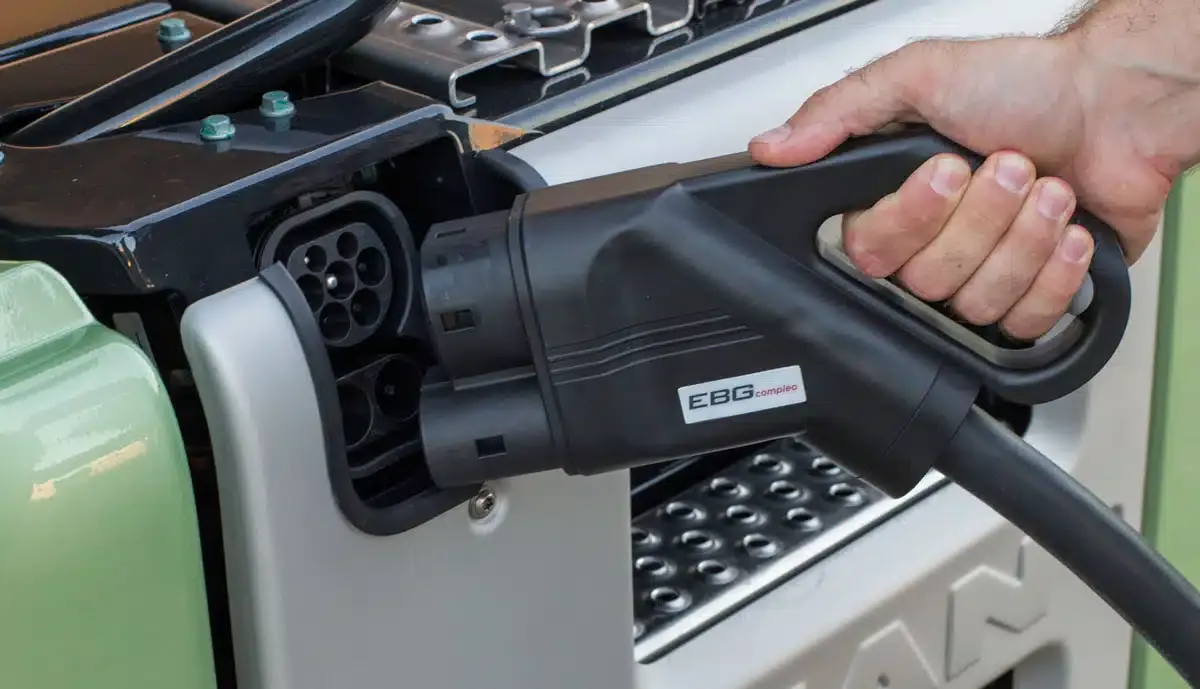
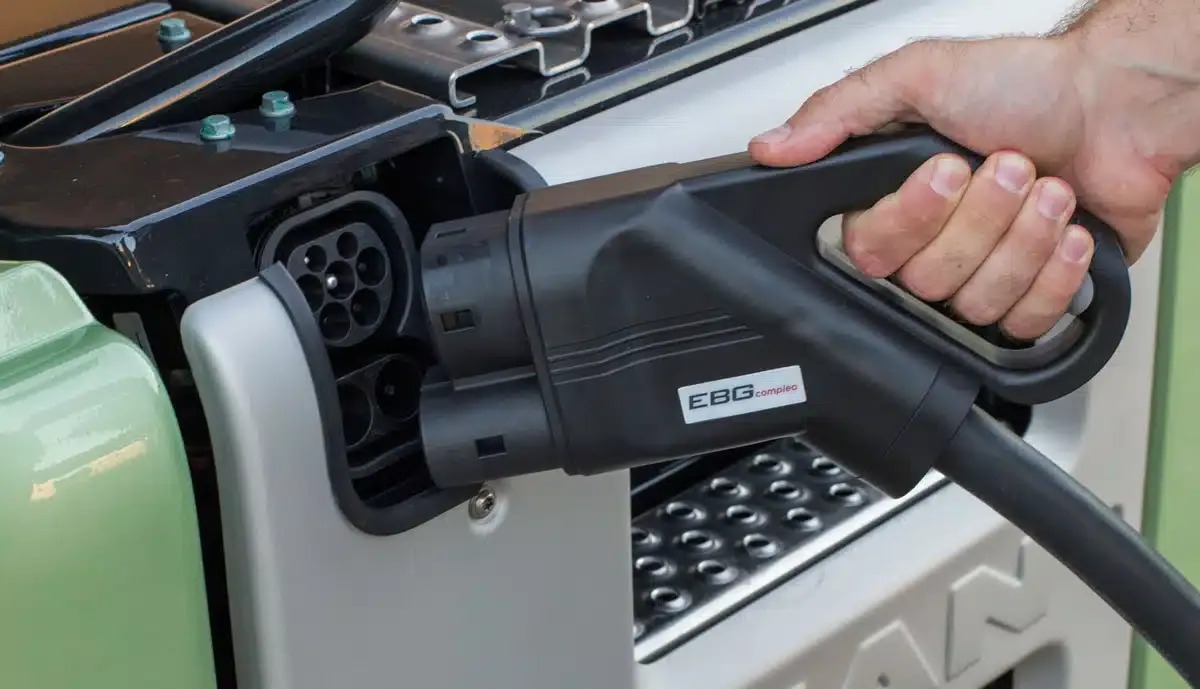
Image: MAN (illustrative)
Battery-electric trucks could become more economical than diesel trucks in many applications by 2030. The study, based on real usage data from over four million trucks in Europe, compares battery-electric and fuel cell trucks with diesel ones. Under the medium scenario, trucks with smaller batteries will be cheaper than diesel vehicles for 91 percent of road freight activities analyzed by 2030, while those with larger batteries will be cheaper for 69 percent of such activities.
Under favorable assumptions, nearly all of the examined usage scenarios for battery-electric trucks will become economically viable by 2030. Under pessimistic assumptions, the outcome for electric trucks is much weaker. In that case, only 14 percent of road kilometers will be economically viable with the smaller battery variant and 3 percent with the larger battery variant by 2030. By 2040, the proportion of road freight operations that can be carried out economically using battery-electric trucks increases further.
In addition to costs, range and available fast-charging infrastructure also limit the potential use of battery-electric trucks. When both factors are considered, around 21 to 25 percent of road freight activities can be handled economically and technically using battery-electric trucks in the medium scenario by 2030. This proportion rises to 63 to 77 percent by 2035.
The authors attribute this increase in battery-electric trucks to the rapid expansion of fast-charging infrastructure and improvements in range. They state that swift infrastructure development is crucial for the adoption of battery trucks, with accelerated expansion bringing economic benefits in all cost scenarios analyzed.
The economic outlook for fuel cell trucks is more limited. By 2030, they will only be cheaper than diesel trucks under the most favorable assumptions. Their cost advantages are less than half of those calculated for battery-electric trucks. In direct comparison to battery-electric trucks, fuel cell trucks are only competitive under a narrow set of favorable conditions.
The EU policy tools examined also influence the cost-effectiveness of both alternative drive types. Without these measures, the economically viable use of battery-electric trucks in the medium scenario by 2030 would be significantly lower; with a large battery, it would amount to less than ten percent of activity. For fuel cell trucks, in the medium and pessimistic scenarios, cost parity with diesel trucks is not achieved for any of the examined usage profiles without political support.
Also interesting
About the author
Thomas Langenbucher is an expert in electromobility with professional experience in the automotive industry and finance sector. Since 2011, he has been covering electric vehicles, sustainable technologies, and mobility solutions on ecomento.de. Learn more.
Reader interactions